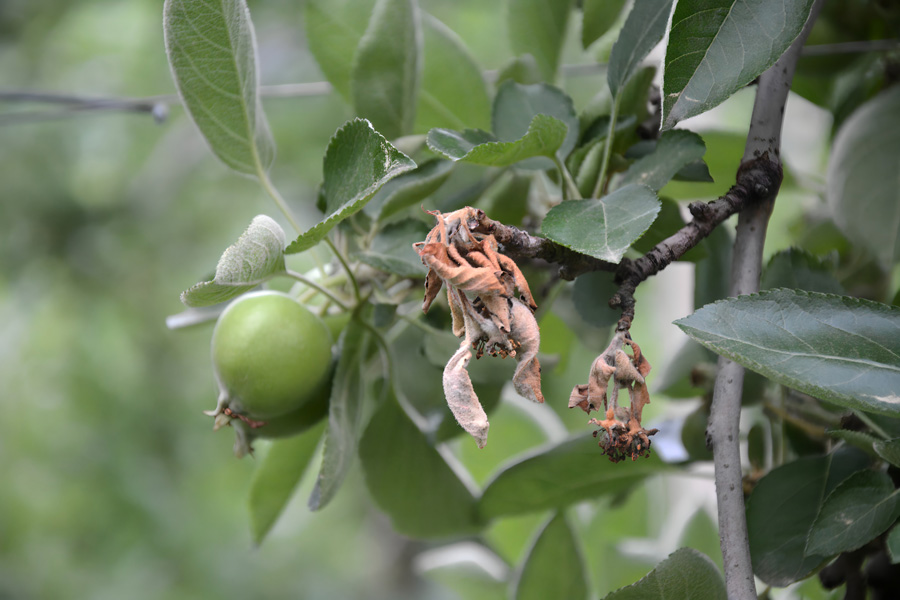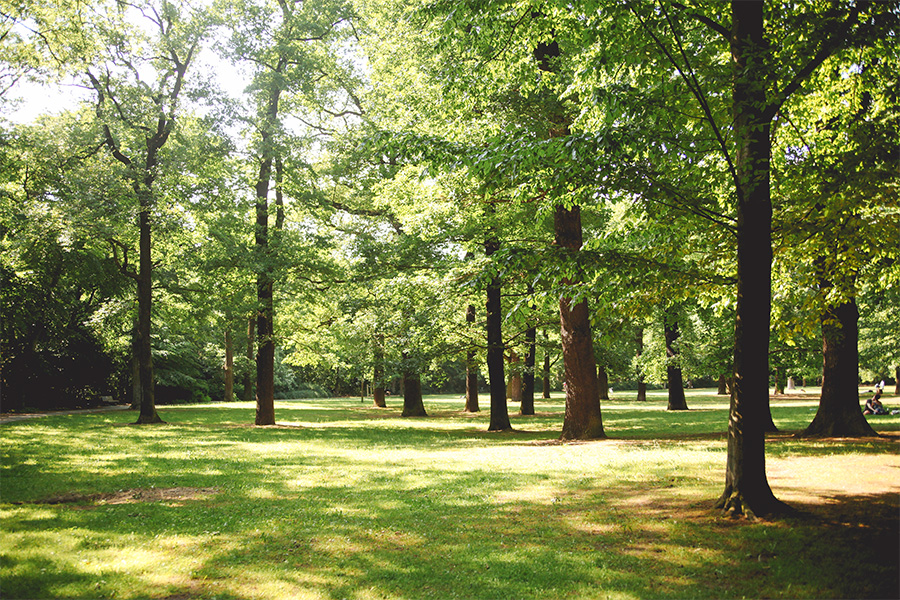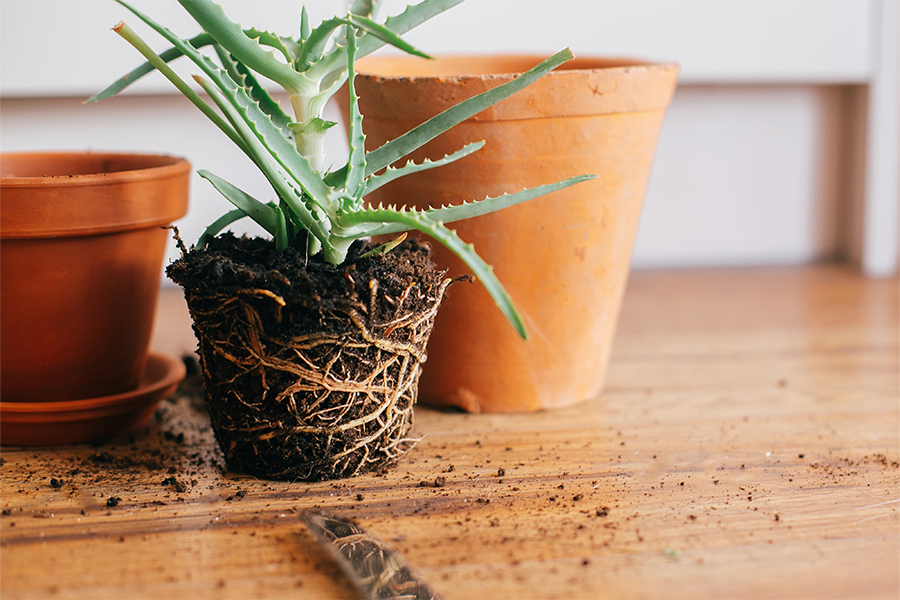


Whether you have just acquired a new property or you have been maintaining one for a while, you have paid at least passing attention to the trees in your landscape (Figure 1). From iconic pines, colorful maples, elegant poplars, to stately oaks, trees are an inseparable and meaningful part of our landscapes.

Trees have many benefits in the landscape. Healthy, established trees alleviate the urban heat island effect, which is the phenomenon of increased temperatures in urban areas due to pavement and structures reflecting and emitting more heat (U.S. Environmental Protection Agency, 2025). Through the process of transpiration, trees produce cool shade and lower utility costs during the hot summer. Their root systems act as subterranean structures that bind soils, which is especially important in areas near water and in some of Georgia’s hillier regions.
Trees help regulate the water cycle and reduce stormwater runoff and flooding due to the large amounts of water that roots absorb and recycle back into the atmosphere. Trees support native fauna as well as feed and shelter pollinators and migratory and seasonal birds. Research shows that trees can help with physical, mental and emotional well-being (Wolf et al., 2020). Properly caring for these valuable assets and maintaining their health is crucial.
Lawns are inseparable from the urban landscape, and, like trees, they also offer environmental services. Lawns are also plants, absorbing carbon dioxide and releasing oxygen, which helps improve air quality. The dense root systems of well-maintained lawns stabilize the soil. Grass assists in erosion control. Their foliage lessens the impact of raindrops and slows down the velocity of runoff, which reduces the erosion and loss of soil from your property and decreases pollution of nearby streams and waterways from pesticides and sediment (Monteiro, 2017).
In place of hardscaping, turfgrass can be planted in urban areas to help with temperature regulation by cooling the surrounding areas. Like trees, grass does evaporative cooling through the process of transpiration, making environments more comfortable during hot weather.
However, problems can arise when trees and lawn occupy the same space, compete for the same resources, and are subject to identical maintenance routines. Many lawncare practices do not consider the presence and needs of nearby trees. These practices—while beneficial to turfgrass—can unintentionally compromise tree health. This accidental harm can be significant and often underestimated, considering the value that healthy trees add to a landscape, and conversely, the serious risks that declining or structurally compromised trees can pose to people, pets, and property. In many landscapes, lawns receive far more attention than trees, with greater focus placed on fertilizing, treating pest and disease problems, controlling weeds, and mowing. Trees are often overlooked, receiving minimal care beyond occasional pruning.
This resource seeks to shed light on the often-overlooked tension between lawn and tree care and to provide practical guidance for encouraging a more balanced, mutually supportive partnership within the landscape.
Some common lawncare practices may result in trees being overwatered, overfertilized, and otherwise stressed. A stressed tree can eventually be at risk of part or whole tree failure. Alternative turf maintenance approaches can improve the overall health of trees, while still ensuring a beautiful, healthy lawn.
Explore the possibility of keeping your lawn fertilized, watered, mowed, and mostly free of weeds, while also being mindful of your trees. The suggestions made in this publication will be more beneficial for the whole landscape, including the grass and trees, than many mainstream practices that focus solely on lawns. Take a “landscape care” approach instead of a “lawncare” approach. Prioritizing tree health doesn’t have to be a compromise for the lawn (and vice versa), as long as a few considerations are made.
Symptoms and Signs of Stress, Disease, or Damage to Trees
Trees and grass come into conflict over several common lawncare or landscape maintenance factors, including, but not limited to, irrigation, alteration of the drainage patterns or site topography, pesticide use, fertilizer application, string trimmer and mower use, compacted soil, exposed roots, excessive shade, and any combination of these factors. Many of these conflicts can be mitigated through thoughtful landscape planning, species selection, and, in some cases, by physically separating trees and grass—such as removing grass beneath certain tree species—to reduce competition (Coder, 2021).
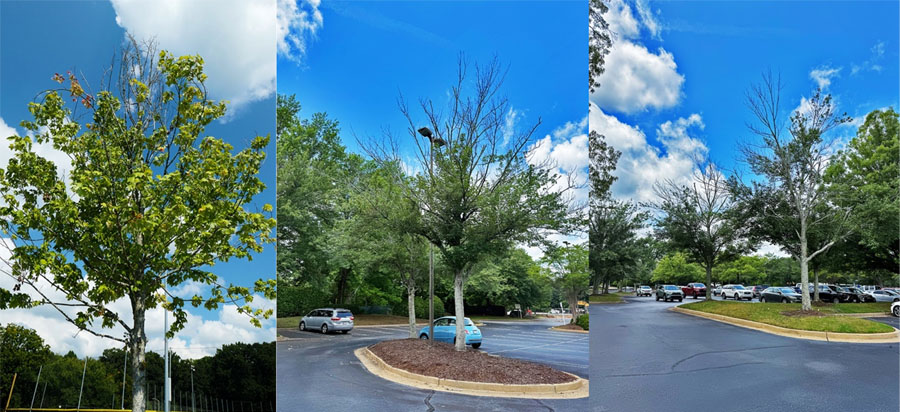
It should be noted that sometimes when trees are negatively impacted by certain lawn maintenance practices or other stressors, they do not always display obvious or immediate symptoms. However, there are some signs that indicate that trees are in trouble. Common stress symptoms present themselves in the canopy or crown. Yellowing or browning of the leaves could indicate overwatering or underwatering. Browning along the leaf margins (the edges or perimeter of each leaf) or leaf curling or deformity could indicate herbicide damage. Pale-colored or yellowed leaves (also called chlorosis) could imply improper pH, poor soil nutrition, or disease. Signs of decline may be indicated by many of the canopy branches dying back from the tips (tip dieback), entire branches dying or failing, or premature leaf drop (Figure 2).
The best way to ensure trees’ well-being is awareness, observation, and mitigation of the potential stressors discussed in this, and subsequent, sections.
If you notice any of the above symptoms in your trees, it is best to contact someone specialized in diagnosing and treating trees. An arborist certified by the International Society of Arboriculture can determine tree health problems. While the generalities in this article may help you become more attuned to your trees’ well-being, make sure to seek the guidance and recommendations of an expert. You can find Certified Arborists near you, and verify credentials, by visiting: treesaregood.org. Refer also to the UGA Extension publication Hiring a Tree Care Service for tips on how to employ an arborist (Macie et al., 2022).
A tree’s root flare, located at the tree’s base, should be taken into special consideration and protected. This is where the trunk flares out and is the transition zone from trunk to roots. If a mature tree has a healthy root flare, then there will often be some large, exposed roots close to the base of the tree (Figure 3).

Mowing around the exposed tree roots can pose a risk of injury to the tree. Additionally, some tree species produce surface roots (e.g., maples), which should be considered when selecting trees to plant in or amongst a lawn space. Whenever tasked with mowing around or over exposed roots, you should float the mower deck by raising the deck to a higher cut height setting to avoid accidentally injuring the tree’s roots. Repeated mower damage to roots stresses the tree over time, increasing susceptibility to insects, fungi, and other disease-causing organisms, while also restricting water and nutrient uptake—not to mention the damage it can also cause to the mower or operator. Mulch areas around trees so that there is a barrier between exposed parts of the tree and grass that needs to be maintained as another way to lessen mechanical damage to trees.
Physical damage incurred by some mechanical maintenance lawn care practices has significant negative impacts on tree health. A tree’s most important vascular tissue lies just below the bark, and certain tree species have thinner bark than others. Injury from a string trimmer (Weed Eater and Weedwacker are two brand names for these tools) can be devastating to a tree (Figure 4).
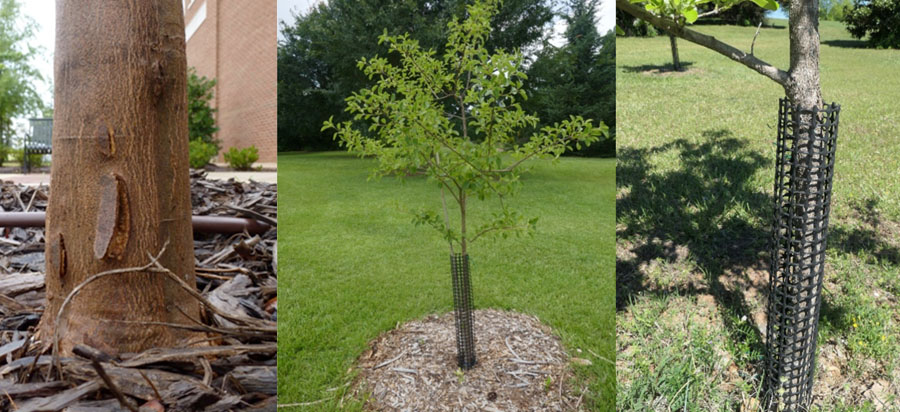
Protecting young trees from this damage is especially important because they have not yet established a thick layer of protective bark. Avoid potential damage by placing a barrier around the trunk and root flare. A tree guard or protector made of rigid plastic mesh is better than a tube because it allows light (Figure 4). For larger trees, you can use a thin sheet of metal or scrap wood to use as a shield and move around while using a string trimmer.
While certain turf practices can stress trees, the opposite also can be true: trees can stress turf. The most notable issues include shade and competition for underground resources. Most grass species do not tolerate shade well.
Proper turfgrass and tree species selection is crucial when working with a new space or when deciding to plant new trees in an established lawn. Avoid tree species that have dense canopies when trying to integrate trees in a lawn. Designating mulched areas around trees helps reduce competition for water and nutrients by creating a natural barrier between the trees and the surrounding lawn. A delicate balance of care requires careful consideration for trees and grass, caring for them both properly and reducing potentially harmful repercussions.
Trees Can be Harmed by Pesticides, Particularly Herbicides
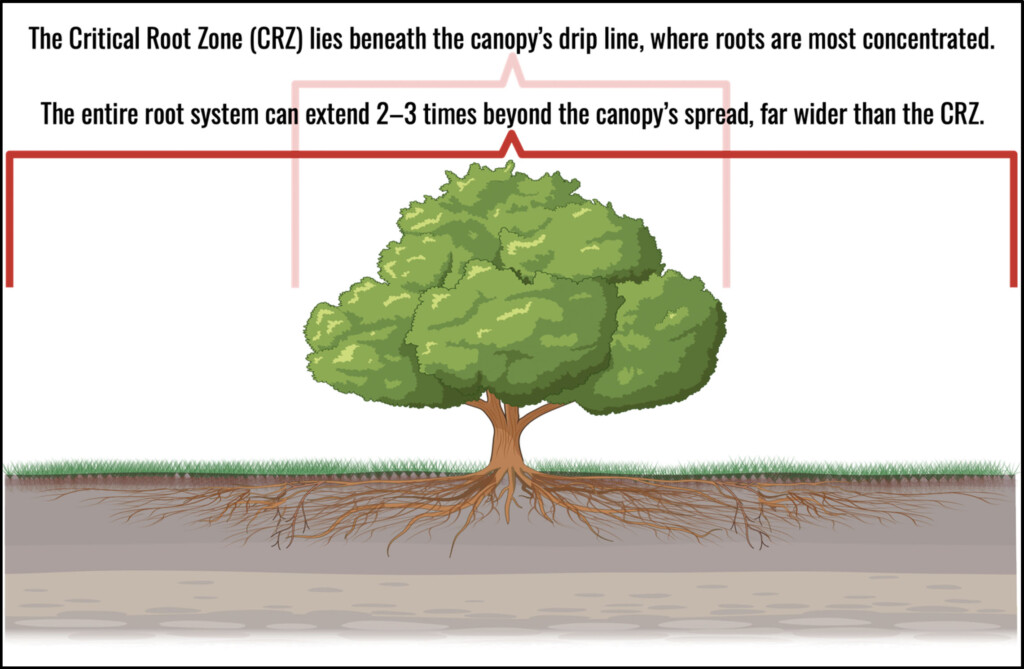
One tree’s root zone can span two to three times the width of the canopy (Figure 5). Note the possibility that a mature tree’s root system may be occupying a larger portion of a landscape than you may think. This should be a consideration when applying chemicals to a lawn.
Different herbicides target different types of plants, which will be listed on the label. Most trees fall under the broad classification of “broadleaf plants,” which is the same classification as many weed species. Trees could be negatively impacted by the application of broadleaf weed killers commonly applied to the lawn (Figure 6).

Always read the label of any chemical to be applied. When reviewing product labels, look for the active ingredients commonly found in selective broadleaf herbicides, such as 2,4-D, dicamba, MCPP (mecoprop), MCPA, or triclopyr, as these will target trees. Also note that pines and other conifers that don’t fall under the classification of broadleaf plants can still potentially be harmed by certain types of lawn herbicides (Figure 7).

Weed and feed fertilizers are another category of herbicide products worth mentioning. These combinations of fertilizer and broad-spectrum herbicides are intended to be spread across the lawn as an all-in-one solution that fertilizes the grass while ridding it of weeds. These products contain broadleaf weed killers, which can harm trees.
When developing a maintenance weed schedule for a lawn, be specific and selective (as opposed to a broad dispersal or application). This involves proper weed identification, selecting the correct herbicide for the undesired plant (making sure to read the label), and then applying the herbicide in a way that limits the risk of exposure to your trees.
Herbicides should be used selectively and carefully, applying the product as physically close to the weed as possible, rather than broadcasting the product throughout the yard. Avoid spraying on windy days to decrease the risk of chemical drift (unintentional contact with nontargeted plants), specifically avoiding any spray getting on the leaves of trees.
Preemergent herbicides are also generally considered safer to use around trees because these products work by keeping weed seeds from sprouting. Mature trees should not be affected if the product is applied correctly according to label directions.
Pathogenic fungi and insect pests can be damaging to the landscape. Fungal infections in lawns are common and often require treatment. Check out the UGA Extension publication Turfgrass Diseases in Georgia: Identification and Control for help in identifying some telltale signs of an infection (Burpee & Martinez, 2025). However, it is important to keep in mind that not all microorganisms and insects are harmful.
Beneficial fungal networks (mycorrhizae) and microbial communities exist in healthy soil, and these networks help your plants (especially trees) absorb essential nutrients. Beneficial insects also help pollinate flowering trees and fight off insect pests. These organisms can be negatively impacted by some fungicides and insecticides.
When faced with a fungal infection in your lawn, you should first try organic fungicides (like copper soaps and neem oil) that would be less detrimental to the preexisting soil fungal networks. Check out Purdue University’s Extension publication, Disease Management Strategies: Using Organic Fungicides (Beckerman, 2008).
If you use a nonorganic option for treating persistent fungal infections, try using a systemic spray application rather than a granular option. Systemic pesticides absorb into plant tissues and are transported through the plant. This method of control keeps the fungicide within the plants, rather than in the soil, to minimize impact on the beneficial subterranean fungal networks. If you choose an optimal grass species complementary to your landscape and practice proper watering methods, the risk of fungal problems and costs of fungicide application to your turf will be substantially reduced.
If faced with an insect pest problem in your lawn or trees, make sure to first accurately identify the pest, so that you know what treatment method to utilize. Check out the UGA Extension publication, Georgia Pest Management Handbook—Home and Garden Edition, to learn more about common insect pests and treatment recommendations. Also check out this presentation on Tree Insects for help identifying common pests that affect trees (Banks, n.d.).
After correct identification and deciding your method of attack, make sure to always read the label of the pesticide for proper application dosage, protocols, and safety/exposure concerns. Contact your county agent to help you identify the pest. Also, try to be mindful of beneficial insects when choosing the treatment method. Read through the UGA Extension publication Management of Turfgrass Insect Pests and Pollinator Protection for tips on how to minimize harm (Joseph & Bauske, 2020).
If you use a lawn or landscaping service to maintain your lawn, make sure you know what pesticides are applied on your property. Ask for a list of chemicals, read the labels, and do your own research. Always voice your concerns and discuss a maintenance plan that doesn’t compromise the health of your trees.
Fertilizers are Not One-Size-Fits-All
Trees are slow-growing organisms that do not need to be fertilized regularly. They benefit more from regular applications of organic matter, like compost and mulch, and not raking away fallen leaves (Figure 8).
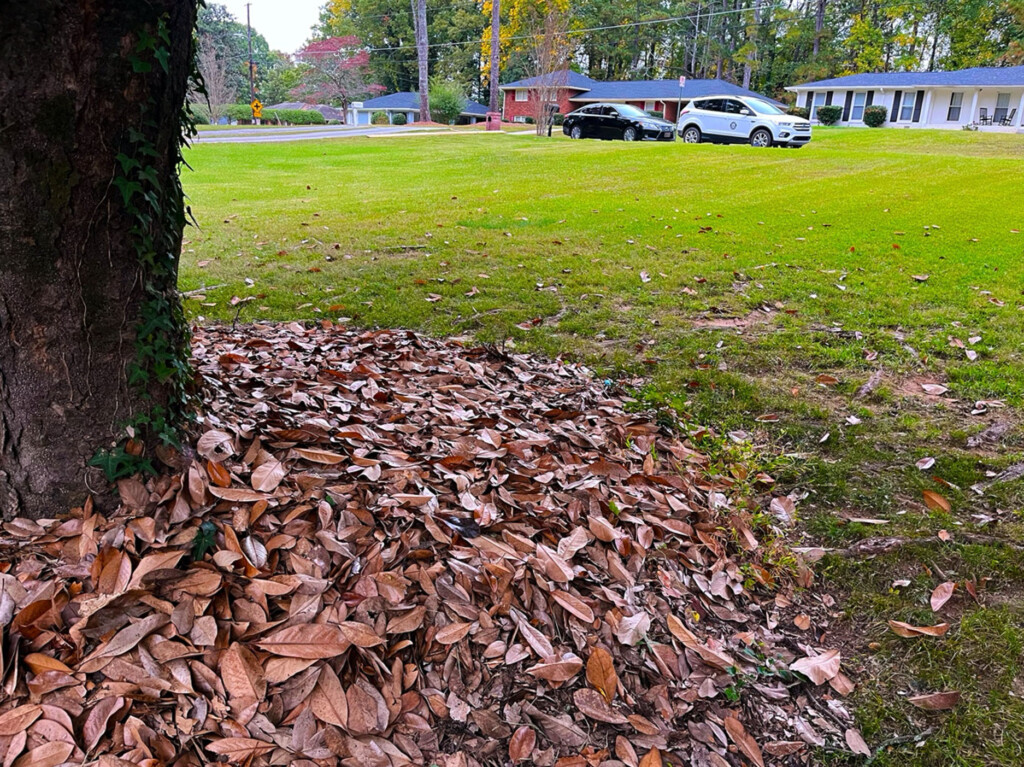
Grass, on the other hand, benefits from more frequent fertilizer applications to keep up with its faster growth. Increasing your knowledge of the different types of fertilizers available is essential in creating a balance that accommodates these different preferences.
Fertilizers contain essential nutrients for plants are available for both trees and grass in either synthetic or organic form. Fertilizers contain varying combinations of nitrogen, phosphorus, and potassium (and additional nutrients in some formulations), the three elements needed in the highest quantities by plants.
The fertilizer label shows how much of each of the three nutrients are present and their ratio (nitrogen-phosphorus-potassium, or N-P-K). For example, a common “balanced” fertilizer might have a 10-10-10 formula (1:1:1 ratio, Figure 9), or a higher-nitrogen fertilizer might be labeled 20-10-10.
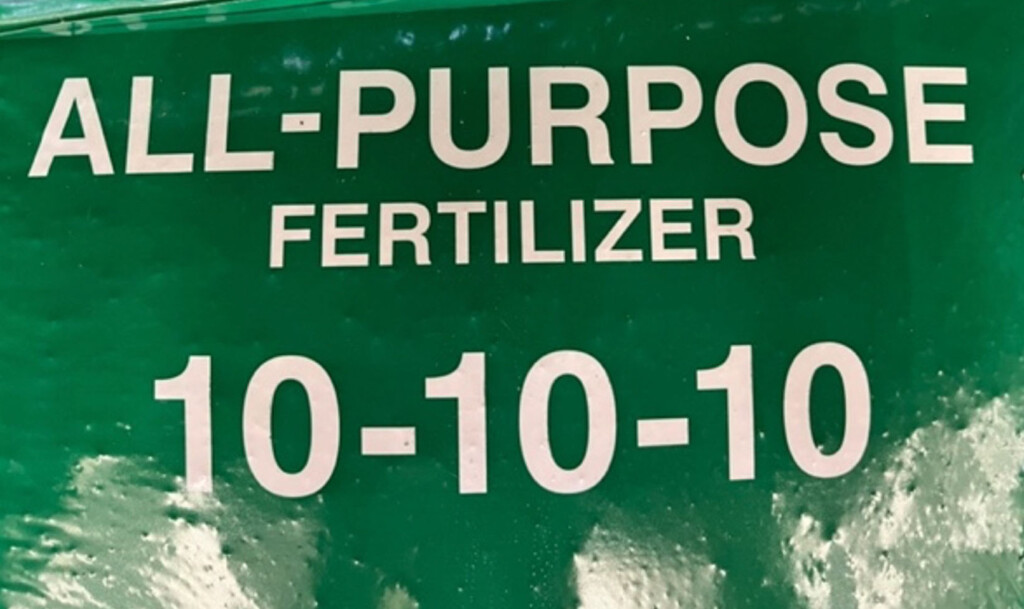
Make sure to choose the correct fertilizer for the plant you are growing and the specific site. Different plants have varying nutritional needs, and not all soils are the same. Level of pH is one of the most influential factors of the soil because it determines nutrient availability.
A soil test should be conducted with your local extension service to determine the pH and recommended fertilization approach for your soil. Soil test results contain liming and fertilizer recommendations. Although not typically included in a basic soil test, nitrogen will always be included in the fertilization recommendations. Nitrogen easily leaches from the soil (does not persist in the soil) and is a limiting factor in plant growth. Phosphorus, on the other hand, binds tightly to soil particles (is less prone to leaching), but overapplication of phosphorus can exceed the soil’s ability to retain it.
Overfertilizing or improper application practices can result in nitrogen and phosphorus contaminating local water sources, causing downstream problems such as algal blooms and problems for aquatic organisms, not to mention a waste of money and resources (McDowell et al., 2001). By having your soil tested and following the fertilizer recommendations based on what your soil needs, rather than applying just any fertilizer and at any rate, it will limit the risk of overfertilizing and/or leaching.
Soil tests may also reveal deficiencies of other nutrients that aren’t typical ingredients of fertilizers (such as magnesium) and may need to be supplemented. A soil test is essentially like getting a checkup for your landscape—it reveals important subterranean insights that help you make smarter choices for caring for your plants.
Trees hardly need to be fertilized unless a specific nutrient deficiency needs to be supplemented in the soil. Limiting excessive fertilizer applications around trees is ideal (Polomski, 2023). Trees would benefit more from organic fertilizers that release nutrients at a slower rate or, better yet, from regular applications of compost (or just leaving organic matter such as leaf litter on the soil to decompose) that will increase nutrient availability in the soil over the long run.
For more information on composting and mulching, refer to the UGA Extension publication Composting and Mulching. Also refer to the UGA Extension publication How to Convert an Inorganic Fertilizer Recommendation to an Organic One if you plan on using organic fertilizers for a soil test’s fertilizer recommendation. Leave lawn clippings in place as another simple nutrient-enhancing practice. As clippings decompose, they slowly release nutrients back into the soil. Lastly, the tradeoff of less emphasis on fast grass growth via excessive fertilizer use means less mechanical maintenance (mowing and weed eating).
The Complexity of Soil and How it Pertains to Plant Roots (Compaction Concerns)
Soils differ in composition, texture, nutrient levels, acidity, and pore sizes. These variations influence how organisms grow in certain soils and how water behaves on, and within, the soil. Soil acidity and nutrient levels can be detected, measured, and oftentimes corrected with fertilizers or supplements to better support plant growth. However, soil composition, texture, and pore sizes are a little trickier to determine, and the concepts can become quite technical. Nevertheless, there are benefits to having a general idea of how soil is constructed.
Pore space is an important part of the soil. Ideally, 50% of the soil should be pore space, 25% of which is for air and 25% for water (Moore & Bradley, 2022; Chapter 1). This balance would ensure that plant roots can obtain water and oxygen, as both are essential for plant survival. Soil composition and texture have an impact on pore size, which will affect how well water infiltrates the soil and the soil’s water holding capacity.
A common malpractice in lawn maintenance is watering the landscape too frequently. You should not keep your lawn too wet, as this leads to too many pores being filled with water, which hinders the amount of available oxygen in the soil for plant roots. Plants essentially breathe through their root systems. Too much water and not enough air in the soil can also lead to the growth of harmful microbes that cause root rot and fungal issues. Allow the soil to dry between waterings.
Soil compaction is a critical factor in tree and grass management. Compaction can occur when the soil is compressed during construction, vehicle traffic, and even foot traffic. Compacting the soil reduces the space of soil pores, leaving limited sized pockets of water and oxygen for plant roots. This is particularly bad news for trees, as their roots have a high oxygen demand (Coder, 2021).
Turf can oftentimes fare better in compacted soils and will help with erosion control after new construction. Compacted soils can be improved over time by adding organic material to help improve the soil’s structure or by aerating the soil. It should be noted that while turf aeration will benefit your grass, it does little to nothing to help trees that have been affected by compacted soils (Coder, 2021).
Soil remediation techniques and treatments that can help established trees recover do exist, but these can be quite costly and labor intensive. The best cure is prevention—avoid compaction as much as possible. If faced with compacted soil, grass may have an easier time growing than trees, especially if you can aerate the top few inches of soil. However, planting young, hardy tree species will also help correct compacted soil over time with their extensive root systems.
Soil is alive! Beneficial microorganisms live in soils and contribute to nutrient availability for plant roots. Destroying or compressing soil pores or keeping soil too wet or too dry negatively impacts these important microbes and, in turn, harms plants.
Finally, the soil is where plant roots live and compete for resources, such as water, oxygen, nutrients, and space. Tree roots may or may not grow deeper than grass roots in some cases, but tree roots do take up substantially more space in the soil and have higher oxygen demands. There will always be competition occurring in the soil, but a balance can be achieved in most places.
Although balance may be achievable, competition should be reduced whenever possible. When grass won’t grow around trees, prioritize the space for one or the other. You can mulch the area around a tree’s base instead of trying to grow grass directly beneath the canopy, or you can grow grass instead of trees in areas limited for space or have conditions that are not ideal for trees to grow. Consider the mature size, nutritional requirements, and watering needs of the plant species you’d like to grow and compare those needs to the preexisting conditions of the site being planted.
How to Properly Use Irrigation for Supplemental Watering
Established trees typically need about 1–2 in. of water each week (Coder, 2022). When done properly, irrigation helps supplement water requirements when rainfall is low or nonexistent. Frequent, shallow watering—such as with a lawn sprinkler (Figure 10)—is not sufficient for trees (and most other plants), as it fails to deliver water deep enough into the soil for optimal uptake by tree roots.
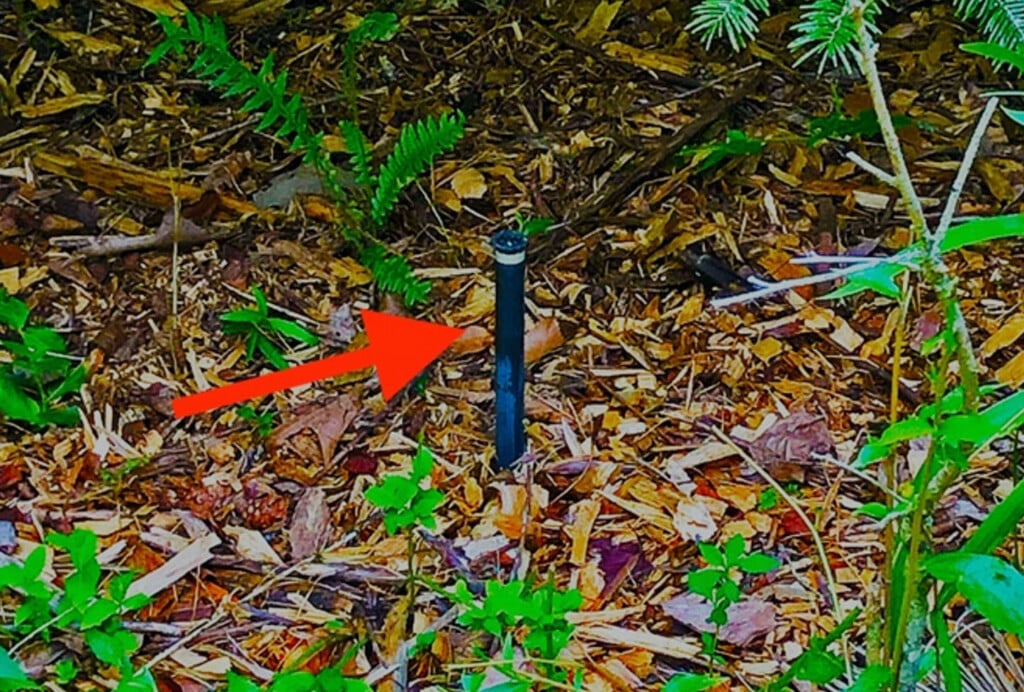
Shallow watering can also increase the volume of shallow roots produced by your trees and grass, which can make plants more susceptible to drought, increase supplemental watering needs, and increase competition for resources within the soil. Deep watering would encourage plants to extend their roots deeper. Watering too often is not beneficial because the soil needs time to dry out. Allowing soil to dry out permits oxygen to reoccupy some of the soil’s pore space, allowing for healthy plant root growth and beneficial microbial growth within the soil.
Although there is no one-size-fits-all or specific formula for watering recommendations, know that deep, infrequent watering that supplements rainfall keeps your trees (and turf) appropriately watered. To apply this rule, it is important to be aware of how water behaves on your property.
We encourage you to find out more about water movement in your yard:
- Place a shallow can (a tuna can works well) or some other container that is approximately 1–2 in. deep in your yard. Stage the container within proximity of a sprinkler head, or just beneath a soaker hose or dripline. Turn on your irrigation and let it run for 10 min.
- After 10 min, go outside and take note of any areas showing standing water or runoff. Allow some additional time for the water to soak into the soil.
- Turn the water on for another 10 min.
- Again, go outside and observe where water is taking longer to infiltrate, or where it may be running off.
- If you do not notice any puddling or runoff, continue this experiment in 10-min increments until you fill the can.
- Record the number of intervals it took to fill the can.
Alternating between watering and resting intervals allows water to soak into the soil and is the best practice for preventing water waste and ensuring that your soil has been adequately watered. For large yards with multiple sections, you can alternate zones to allow each area time to absorb the water. If water infiltrates slowly, emphasize longer breaks between irrigation cycles. Conversely, if the soil takes in water easily, you can increase the watering periods.
The overall goal of a good watering regimen for trees is to create a system that supplements rainfall (or achieves a goal of 1–2 in. of water per week) and allows for water to infiltrate into the soil. This system encourages deeper rooting for all landscape plants, including grass. Over time, it minimizes long-term watering needs and alleviates drought effects.
Choose an irrigation system that best meets your tree’s watering needs. When possible, use soaker hoses or drip irrigation (Figure 11) for supplemental watering of trees. If your landscape design includes mulched areas beneath the trees instead of grass, keep in mind that mature trees do not need regular supplemental watering—except during periods of drought.


Figure 11. Dripline Irrigation Systems Around Trees.
In contrast, young trees will need to be watered regularly until they are established (Figure 12). Timing also matters. To optimize your water infiltration and decrease water loss through evaporation, water between 10 p.m. and 6 a.m., especially in hot climates like Georgia (Coder, 2022).


Figure 12. Sprinkler Systems are Positioned for Watering Trees. It should be noted that while the tree on the right would benefit from targeted irrigation, the tree on the left is a mature, established tree and does not require regular supplemental watering.
For more information on watering trees and lawns, check out Watering Trees, a publication from the UGA Warnell School of Forestry and Natural Resources (Coder, 2022) and the UGA Extension publication Irrigation for Lawns and Gardens (Porter & Harrison, 2017).
The Sunlight (and Shade) Problem
The most obvious dilemma for growing grass around trees pertains to the availability of sunlight. Grass needs sunlight, and trees provide shade. Shade occurs when light is partially blocked or filtered. Shade varies beneath different trees, and shade is not uniform spatially or temporally (Coder, 2021). Inconsistent exposure to sunlight can make it difficult for grass to grow well.
The best solution is to not grow grass in areas directly beneath the canopies of trees or where the tree consistently casts shade. These areas can instead be mulched or planted with shade-loving plants (but not excessively so you do not defeat the purpose of limiting competition). Grass can be planted just beyond the perimeter of these mulched or landscaped areas where the sunlight is more consistent (Figure 13).
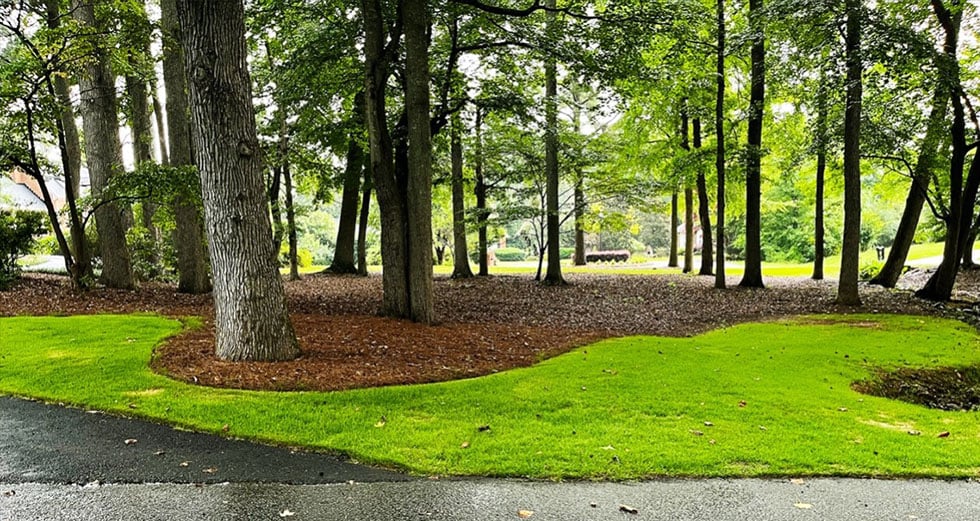
Proper plant species selection lessens problems related to access to sunlight and exposure to shade. When selecting grass to plant near trees, consider the sunlight requirements and shade tolerance of the species. Anticipate both the canopy density and the mature canopy dimensions of each tree species that you would like to plant in a lawn. Keep in mind that their impact on sunlight availability will change as the tree grows and shifts with the seasons. Also consider the sun’s movement throughout the day, as this causes patterns of shade to vary (Figure 14).

Doing research upfront will save you hassle down the road, whether you are planning new planting or reorganizing and prioritizing your existing landscape. A couple of handy tools for this are Lumos: Sun and Moon Tracker app and the Sun Seeker app.
Because we don’t always have a blank canvas to work with, we must understand how to care for mature, established trees in established lawns with the “sunlight problem” as well. One common way that property owners try to incorporate more sunlight beneath their trees is to thin a tree’s crown. This pruning method can sometimes be effective in allowing more sunlight through the canopy to reach the grass. However, it should be done in a way that does not compromise the health and structure of the tree.
Proper pruning requires the correct pruning dose—the amount of leaves (live canopy) removed. Harmful thinning takes out too many branches and their leaves, depleting the tree from its chlorophyll source. Clearing out the small branches and dense foliage from the inner canopy may allow sunlight through the middle of the tree, but it is important to remember that shade is not uniform. Shade patterns change throughout the day based on the sun’s position, which impacts turf.
In addition, even well-intentioned crown thinning can incur some risk to the tree’s structural integrity. When you remove a tree’s interior canopy, the proportion of the foliage and fine branch remaining is located along the outer edges of the canopy, which leaves too much weight at the branch tips. Each remaining branch is left unbalanced and structurally top-heavy, increasing the tension placed on each branch’s attachment to the tree’s trunk. Further, an open canopy allows strong winds to penetrate and strain each primary (scaffold) branch as an individual entity separate from its neighboring branches. Overly thinning a tree makes it more susceptible to experiencing branch breakages and failures.
Crown raising is another common pruning method used in tree pruning to try and provide more sunlight for lawns. Crown raising involves the systematic removal of the canopy’s lowest branches until a desired clearance height has been reached. Pruning the bottom branches can allow some light beneath the crown, but crown-raising practices can also impact a tree’s structural integrity if performed in excess. An excessively raised crown reduces a tree’s low center of gravity and makes the entire tree’s structure more easily influenced by strong winds.
It is also important to note that removing a mature tree’s large-diameter branches in this effort will produce large wounds to which the tree must now allocate resources so that the tissues compartmentalize (seal up) around the wound. The process of compartmentalization requires a great deal of energy. Consequently, a tree’s health and vigor can be compromised by large pruning cuts that the tree must compartmentalize. Additionally, wounds from unnecessarily large pruning cuts can become entry points for harmful pests and pathogens.
When a large percentage of a tree’s canopy is removed, a tree will first respond by compensating for the recent loss of its energy collectors (leaves). The tree does this by producing suckers (also called adventitious shoots or epicormic sprouts). Suckers are not true branches and possess weak attachments to the trunk or large branches. The tree produces suckers to quickly refill the space that was cleared from its canopy and to absorb additional energy to compartmentalize each adjacent pruning wound. Many arborists associate sucker production with stress.
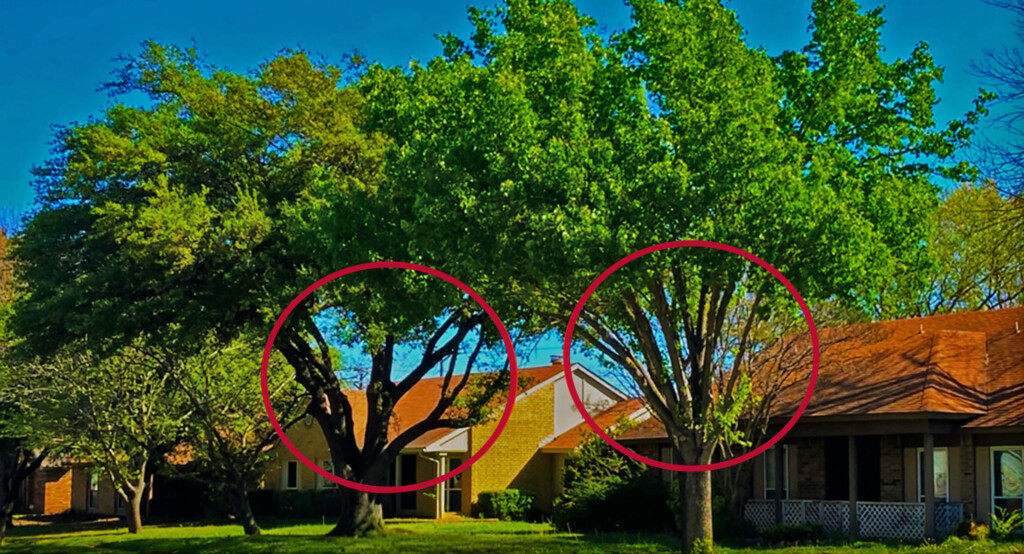
To reiterate, improper pruning practices, such as completely stripping a tree’s interior canopy (also called lion tailing), repeatedly raising a tree’s crown, or removing too-large diameter branches, can seriously compromise a tree’s health and structural integrity (Figures 15 and 16).
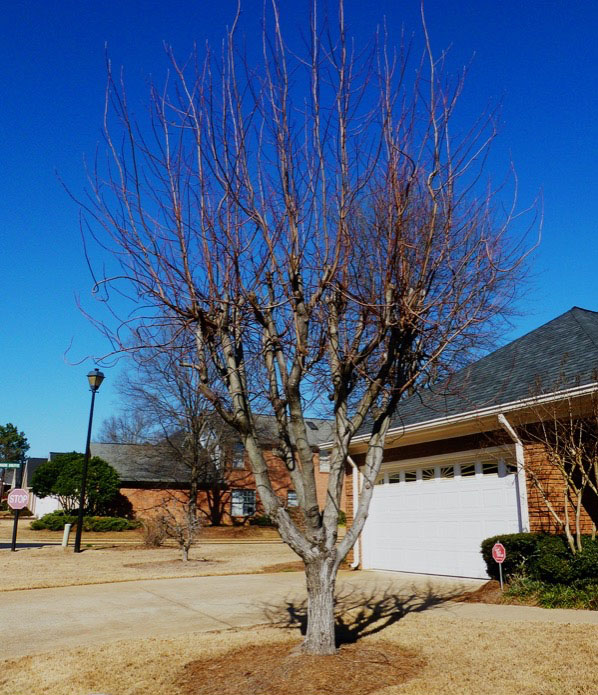
These short-sighted techniques can leave trees stressed, more susceptible to pest and disease issues, and more reliant on ongoing maintenance. If you’re pruning to increase sunlight for your lawn, be sure the work is done properly. Always hire an ISA Certified Arborist to thin a tree crown so that the practice benefits your grass without harming your tree.
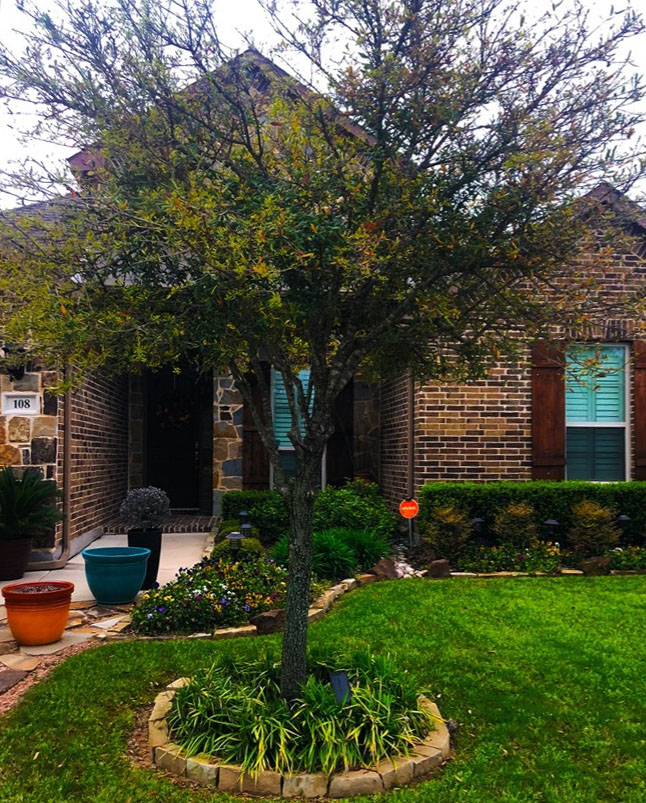
Instead of spending thousands of dollars on pruning your trees to try and grow grass directly beneath them, you could choose either trees or lawn space in certain areas. Mulched rings around your trees or landscaped areas containing shade-loving plants, surrounded by a happy lawn, can make for beautiful curb appeal with less headache, maintenance, and competition for resources (Figure 17).

Mulch rings should be large enough to offer a barrier of protection from mechanical damage for the trunk and root flare. For optimal access to nutrients and less competition, mulched areas should ideally encompass the area underneath the drip zone of the tree’s canopy. Inadequately small or overcrowded mulched areas can counteract the potential benefits of a mulched buffer zone (Figure 18).
Turfgrass Species Recommendations
The most important species’ traits to consider when growing grass around or amongst trees are their shade tolerance and sunlight requirements. Additionally, Georgia’s diverse geographical regions dictate the variety of recommended grass species for lawns. For the cooler northern and mountainous regions of Georgia, tall fescue and Kentucky bluegrass are options. Both grasses have a good tolerance for sun and shade and should do well in shaded areas (under trees).
Grass species recommendations get a little trickier in the warmer areas of central and southern Georgia. Bermudagrass is the most popular turfgrass recommended (and even required by many homeowners associations) that is used in these regions. The biggest drawback to bermudagrass is that it requires full sun and will not tolerate shade. Shade-tolerant bermudagrass hybrids do exist, but for the most part, this grass species does not grow well in the shade. If bermudagrass is your only option, consider creating tree rings to reduce the area of unhealthy turf and improve the well-being of the trees. If you have a newer landscape without mature trees, it would be important to plant tree species that do not have widespread or dense canopies.
Other warmer region (warm season) grass recommendations are zoysiagrass, St. Augustinegrass, and centipedegrass. These three grass species have good to fair shade-tolerance. Zoysiagrass and St. Augustinegrass are more shade-persistent than centipedegrass. Of these two options, zoysiagrass is the most shade tolerant and best warm-season grass to grow beneath mature trees (Waltz, 2020). For more information on what grass might be best for your landscape, check out the UGA Extension publication Lawns in Georgia: Selection and Species.
Tree Species Recommendations
Proper tree species selection is crucial if you have a newer landscape or want to plant a new tree in your established lawn. Mature tree canopy spread, and foliar density are the two most important factors to consider regarding for success of the tree and future maintenance of your turf.
First, be aware that tree crowns have different shapes. Some tree species have narrow, conical (cone-shaped) crowns, as opposed to a broad, widespread canopy. A tall, narrow canopy equates with a smaller footprint of shade within your yard; some species that naturally exhibit this conical growth habit include tulip poplar, bald cypress, pond cypress, dawn redwood, European hornbeam, English oak, and Eastern red cedar. Also consider columnar cultivars of naturally not-fastigiate (upright growth) tree species; you can inquire about these cultivars at your local nursery.
Some tree species do not possess dense canopies that create dense shade beneath their driplines. Instead, these tree species possess open canopies comprised of pinnately-structured (feathery) leaves or a more open (less-dense) canopy that allow dappled sunlight beneath their crowns (Figure 19).
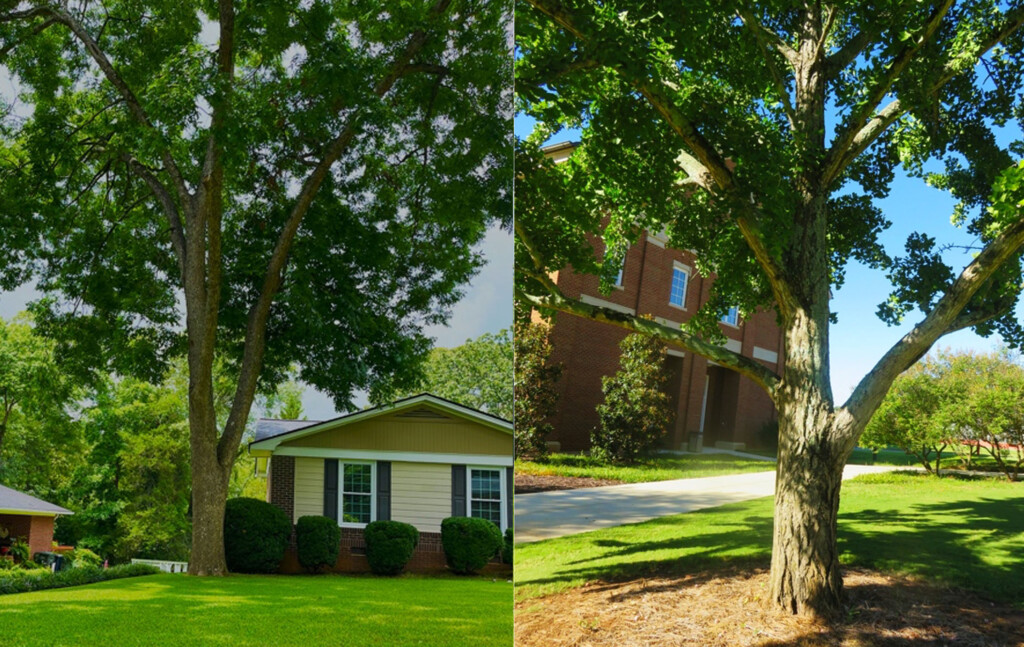
Some tree species that exhibit this include elm species, American hophornbeam, hornbeam, gingko, river birch, American sycamore, Kentucky coffeetree, honey locust, willows, and pecan. Tree species with dense and widespread canopies should be avoided for new tree plantings in a lawn space unless mulched areas are designated. For additional tree species recommendations, contact your local nursery, a trusted arborist, or check out the UGA Extension publication Native Plants of Georgia. Keep in mind the significance of mature, established trees and do your best to preserve them when redesigning a landscape or maintaining an established lawn.
Further Reading
- The relationship between trees and grass:
- Tree care and species selection:
- Lawncare and species selection:
- Effects of herbicides:
- Pesticide Safety:
- Conversion Tables, Formulas, and Suggested Guidelines for Horticultural Use
- Composting and Mulching: A Guide to Managing Organic Landscape Refuse
References
Banks, B. (n.d.). Tree insects. University of Georgia Cooperative Extension. https://extension.uga.edu/content/dam/extension-county-offices/paulding-county/4h/forestry-judging/Tree%20Insects.pdf
Beckerman, J. (2008). Disease management strategies for horticultural crops: using organic fungicides (Publication No. BP‑69‑W). Purdue University Extension. https://www.extension.purdue.edu/extmedia/bp/bp-69-w.pdf
Burpee, L. L., & Martinez, A. (2025). Turfgrass diseases in Georgia: identification and control (Publication No. B1233). University of Georgia Cooperative Extension. https://extension.uga.edu/publications/detail.html?number=B1233&title=turfgrass-diseases-in-georgia-identification-and-control
Coder, K. (2021). Trees & turf: managing mutual performance values (Publication No. WSFNR21-10C). University of Georgia Warnell School of Forestry & Natural Resources. https://bugwoodcloud.org/resource/files/18928.pdf
Coder, K. (2022). Watering trees (Publication No. WSFNR-22-24C). University of Georgia Warnell School of Forestry & Natural Resources. https://bugwoodcloud.org/resource/files/25296.pdf
Ham, D. L., Shaughnessy, D., & Polomski, R. F. (2023). Fertilizing trees & shrubs (Factsheet No. HGIC 1000). Clemson Cooperative Extension Home & Garden Information Center. https://hgic.clemson.edu/factsheet/fertilizing-trees-shrubs/
Joseph, S., & Bauske, E. (2020). Management of turfgrass insect pests and pollinator protection (Publication No. C1127). University of Georgia Cooperative Extension. https://fieldreport.caes.uga.edu/publications/C1127/
Macie, J.-L., Bauske, E. M., Mickler, K., & Daly, T. (2022). Hiring a tree care service (Publication No. C1098). University of Georgia Cooperative Extension. https://fieldreport.caes.uga.edu/publications/C1098/
McDowell, R. W., Sharpley, A. N., Condron, L. M., Haygarth, P. M., & Brookes, P. C. (2001). Processes controlling soil phosphorus release to runoff and implications for agricultural management. Nutrient Cycling in Agroecosystems, 59, 269–284. https://doi.org/10.1023/A:1014419206761
Monteiro, J. A. (2017). Ecosystem services from turfgrass landscapes. Urban Forestry and Urban Greening Special feature: TURFGRASS, 26, 151–157. https://doi.org/10.1016/j.ufug.2017.04.001
Moore, K. A., & Bradley, L. K. (Eds.). (2022). North Carolina extension gardener handbook. (Publication No. AG-831). NC State Extension. https://content.ces.ncsu.edu/extension-gardener-handbook
Harrison, K., & Porter, W. (2017). Irrigation for lawns and gardens (Publication No. B 894). University of Georgia Cooperative Extension. https://fieldreport.caes.uga.edu/publications/B894/
Taylor, M., & Cabrera, E. (Eds.). (2020). Georgia pest management handbook—Home and garden edition (Special Bulletin 48). University of Georgia Cooperative Extension.
United States Environmental Protection Agency. (2025). What are heat islands? https://www.epa.gov/heatislands/what-are-heat-islands
Waltz, C. (2020). Lawns in Georgia: selection and species (Publication No. B 1533-1). University of Georgia Cooperative Extension. https://fieldreport.caes.uga.edu/publications/B1533-1/
Wolf, K. L., Lam, S. T., McKeen, J. K., Richardson, G. R. A., van den Bosch, M., & Bardekjian, A. C. (2020). Urban trees and human health: a scoping review. International Journal of Environmental Research and Public Health, 17(12), 4371. https://doi.org/10.3390/ijerph17124371