Trees Resources
-
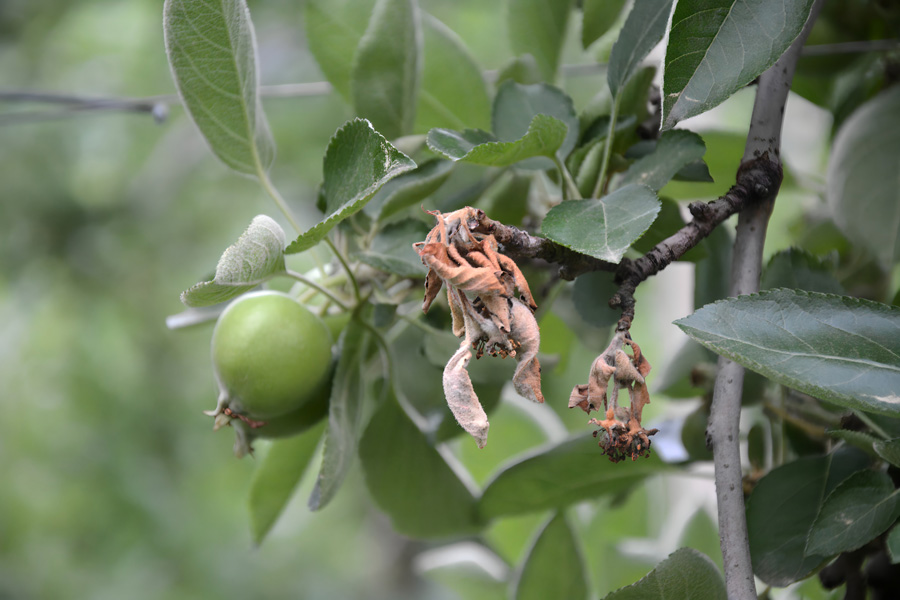
Fireblight is a destructive, highly infectious, and widespread disease. It attacks blossoms, leaves, shoots, branches, fruits, and roots. This publication has some facts and methods to avoid and control the disease.
|
-
C 1013
Shade Trees for Georgia
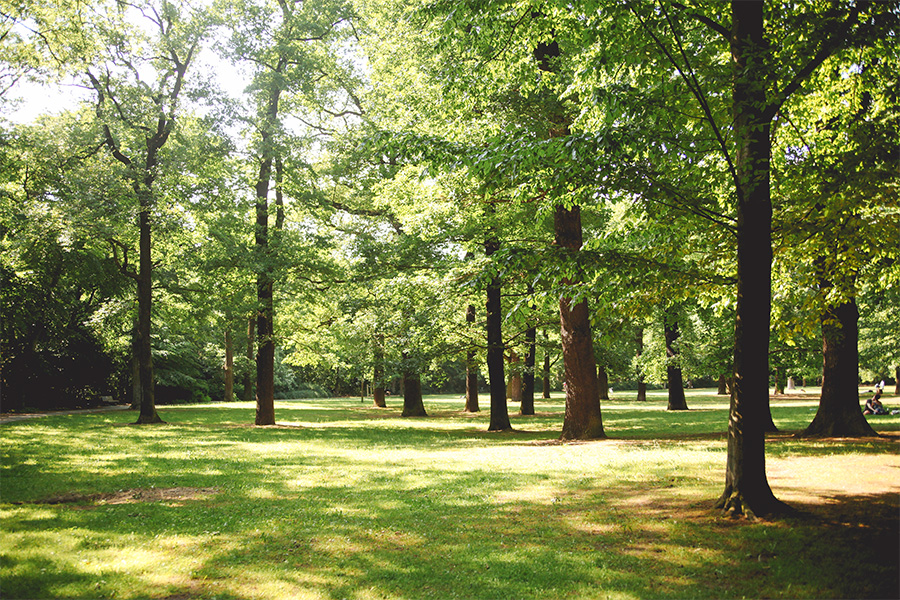
Shade trees are a staple of Southern landscapes and include a variety of species, forms and seasonal appeal. In the Southeastern U.S., shade trees are used most often to provide relief from the summer sun and heat. Additionally, shade trees can be utilized to channel summer breezes to desired locations, add monetary value to a property, define outdoor spaces, and improve landscape sustainability by reducing soil erosion, decreasing storm water flows, increasing rainwater infiltration and increasing wildlife habitat.The information in this publication will assist homeowners in making informed decisions when selecting fast growing shade trees for urban and suburban environments.
|
-
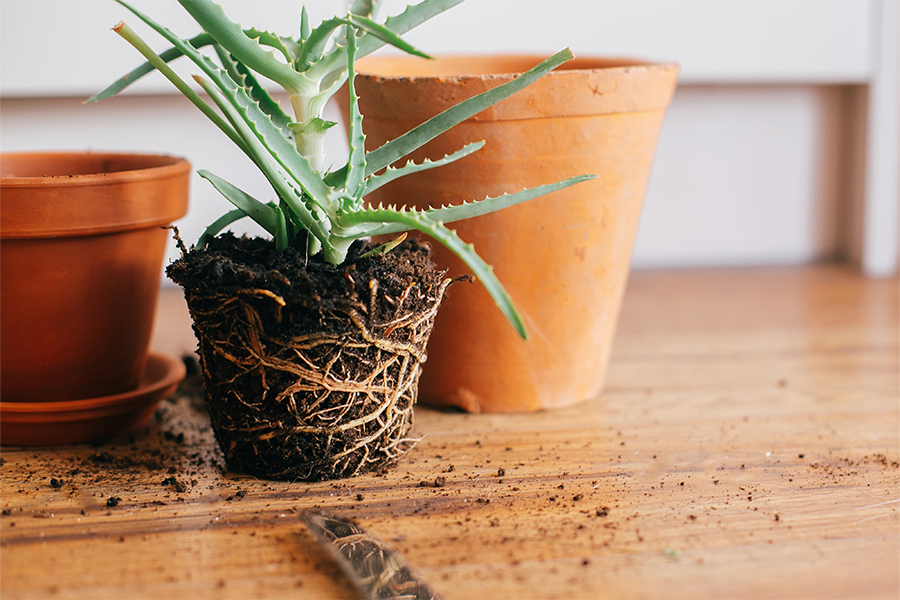
This publication describes the reasoning behind repotting, as well as container selection, drainage, positioning the plant on an appropriate soil base, examining and attending to root issues, potential root removal and/or redistribution, backfilling, protecting, and watering the plant upon completion of repotting.
|
-
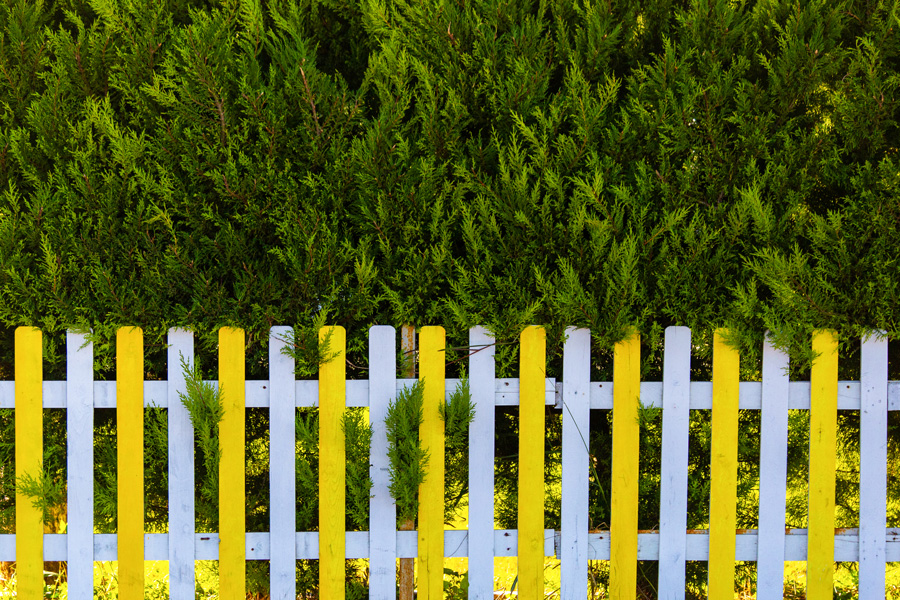
Leyland cypress has become one of the most widely used plants in commercial and residential landscapes across Georgia as a formal hedge, screen, buffer strip or wind barrier. Leyland cypress is a graceful, rapidly growing evergreen tree that is adapted for growth within the 6-10a USDA hardiness zones. Leyland cypress is considered relatively pest-free; however, because of its relatively shallow root system, and because they are often planted too close together and in poorly drained soils, Leyland cypress is prone to root rot and several damaging canker diseases, especially during periods of prolonged drought.
|
-
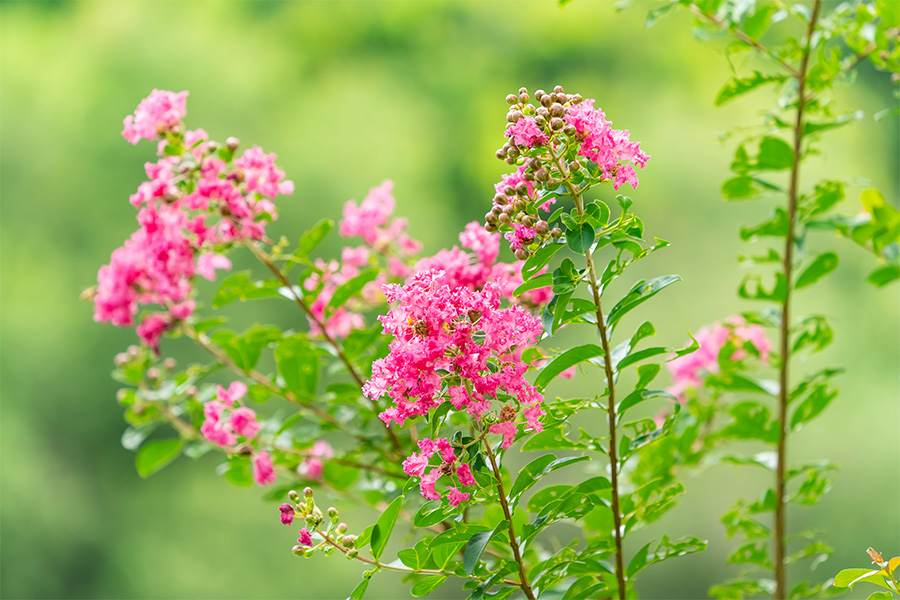
C 944
Crape Myrtle Culture
Crape myrtle is one of the most useful flowering shrubs/trees grown in Georgia. It provides abundant summer color with a minimum of maintenance.
|
-
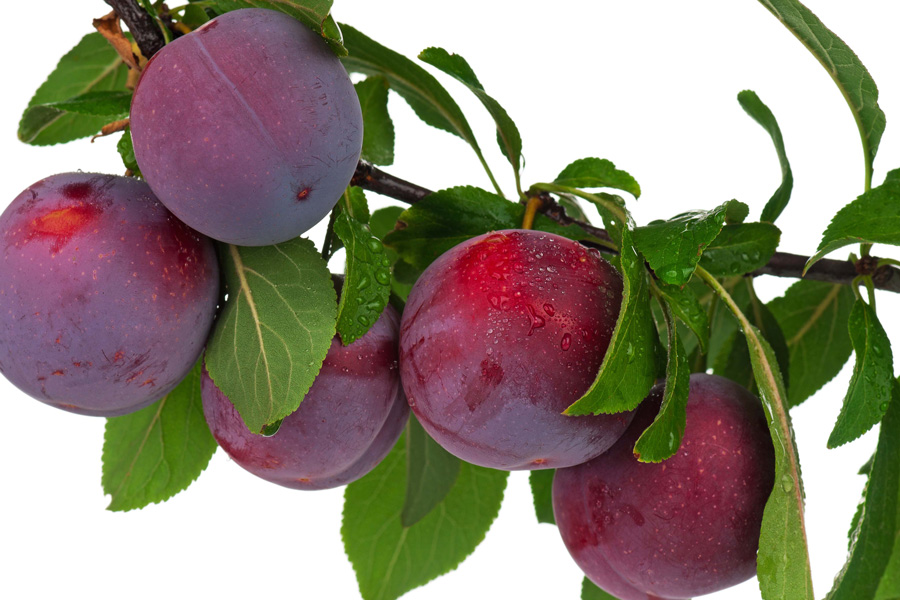
B 1518
Home Garden Plums
This resource covers plum production, pruning, thinning, fertilization, and variety selection in the home garden. Most commercially grown plum varieties are derived from either Japanese or Asian plums or European plums. Japanese plums are primarily for fresh consumption, while European plums are for both processing and fresh consumption. The products obtained from processing plums include prunes (dried fruit, the predominant product), canned fruit, jam, jelly, juice, and beverages.
|
-

Damage to perennial woody trees and shrubs caused by hurricanes or high wind events is often not initially apparent. In some cases, it can take months or even years to manifest, despite plants looking relatively healthy after initial inspection by growers and insurance adjustors. This publication describes common damage seen in perennial woody trees and shrubs after a hurricane or high wind event.
|
-
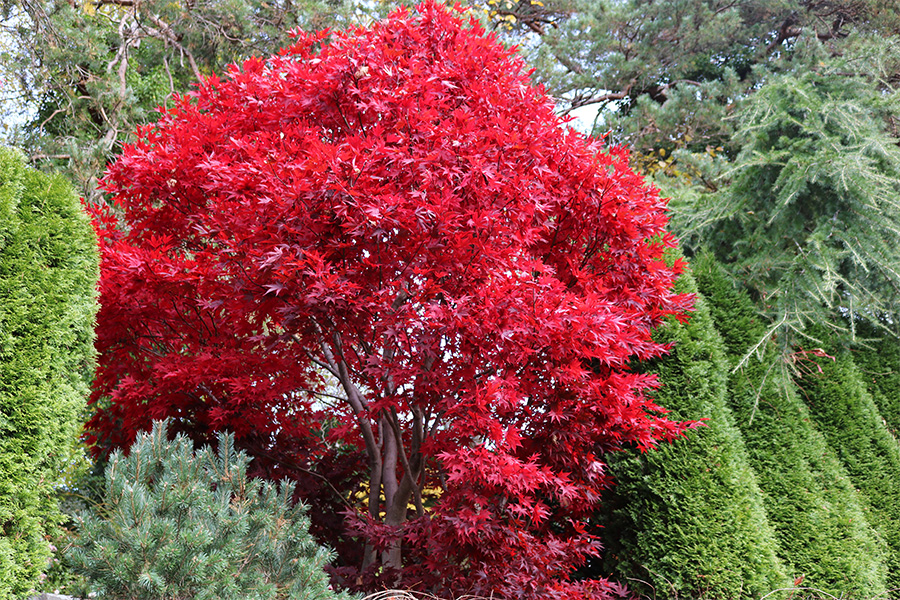
This resource will help you choose small trees and shrubs that can provide privacy from your neighbors, separation from a road with heavy traffic or a screen to hide unattractive areas.
|
-
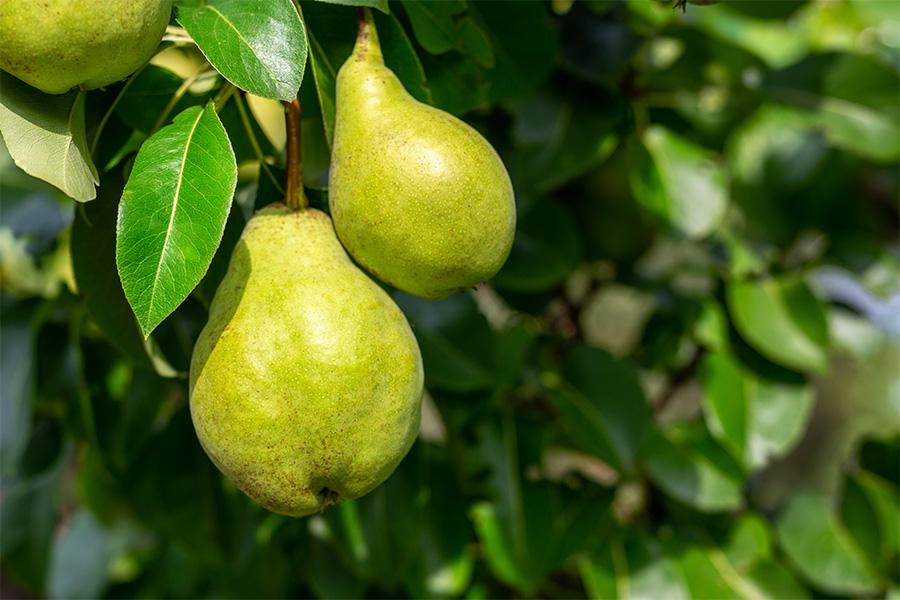
C 742
Home Garden Pears
Find out how to grow pears at home. They are adapted to nearly all of Georgia, and it’s not uncommon to find trees as much as 50 years old that are still producing fruit.
|