General Agriculture Resources
-

C 1081
New Native Little Bluestems
Little Bluestem is a drought-tolerant, low-maintenance native plant. This ornamental warm-season perennial grass tolerates a wide range of soil conditions and is easily grown. Its purplish bronze blooms and vertical clusters of slender leaves make it a lovely addition to any landscape. It is cold hardy in Georgia, although it may suffer moderate damage in cold winters in the North Georgia mountains.
|
-
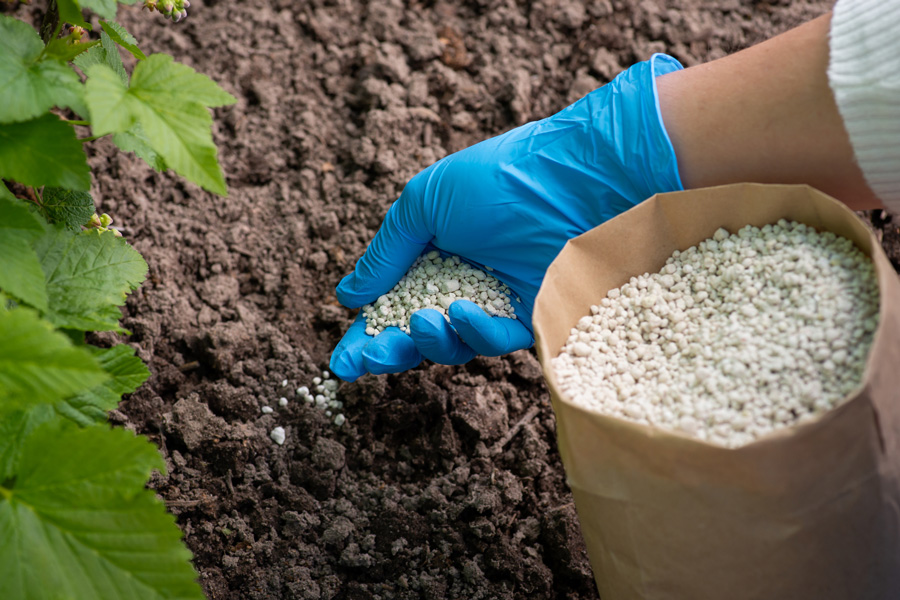
Use this resource to calculate planting densities, fertilizer application rates, sprayer calibration, and soil amendment applications using unit conversions. We demonstrate the “raw math” behind common calculations to provide you with the tools for solving any equation using simple addition, subtraction, multiplication, and division. No longer will you be dependent on having production guides, fertilizer charts, planter manuals, and spray nozzle catalogs to tell you what to do.
|
-
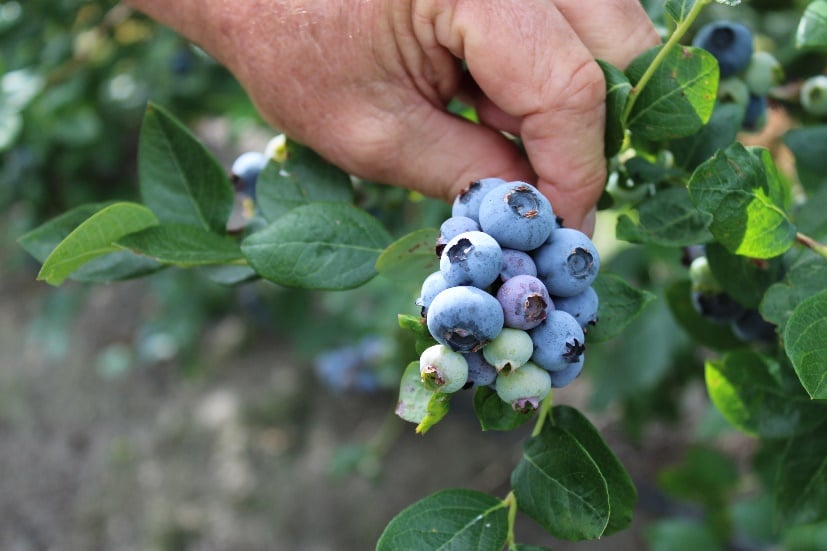
Calcium is an important nutrient if blueberry production. Calcium deficiency can cause fruit quality issues. This resource focuses on quantifying the calcium concentrations at different stages of berry development and within the berry.
|
-
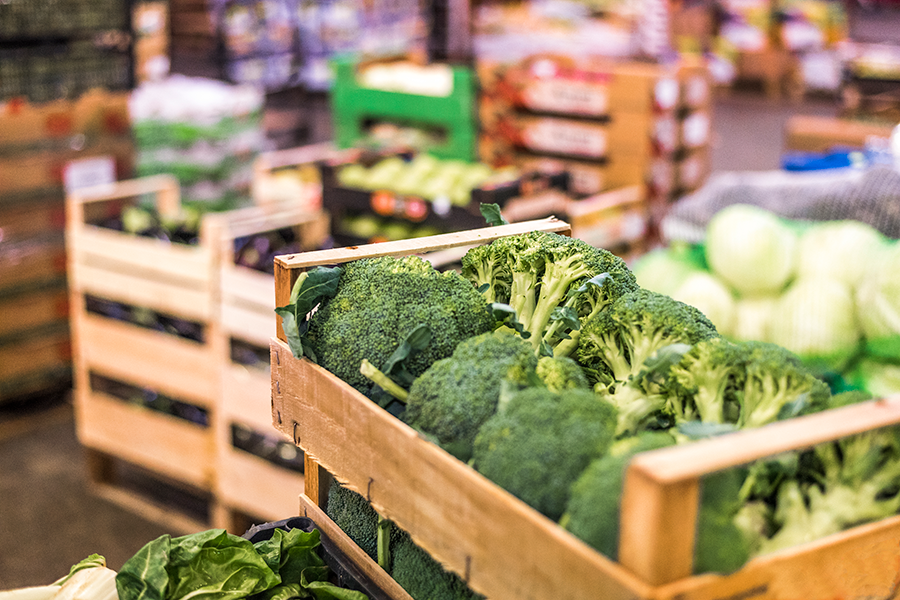
Marketing fresh fruits and vegetables at farmers markets, roadside markets, and pick-your-own farms is an important and growing method of marketing. This resource covers the containers available for retail marketing, which come in a wide range of sizes and materials. In addition, it provides weights and approximate yields for the canning and freezing of fruits and vegetables based on some of the common retail container sizes.
|
-

The purpose of this guide is to help users identify insects, spiders and mites that are beneficial to the garden. Such beneficials help manage pests that can damage plants. Tips to conserve and protect beneficials are also included.
|
-
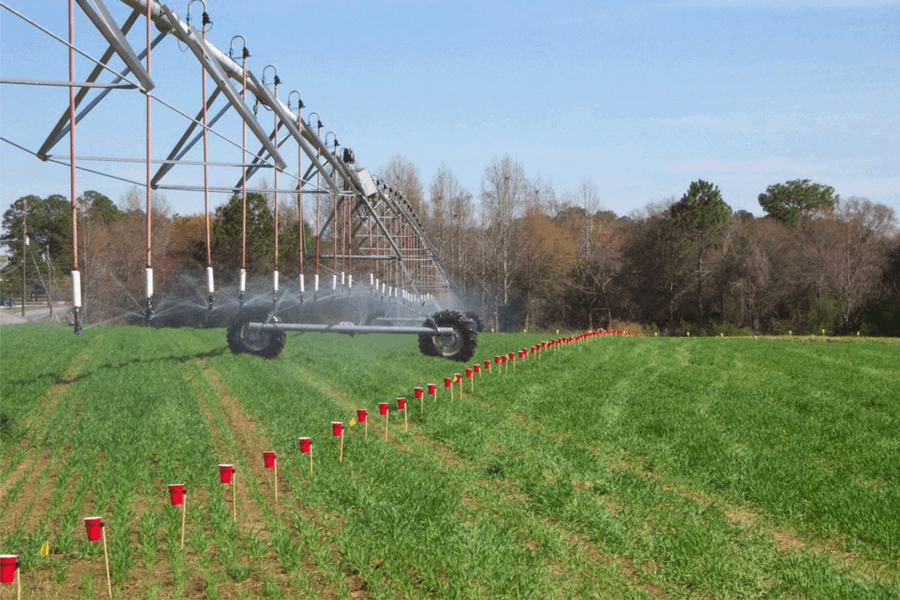
With rising fuel prices it is increasingly important that irrigation systems apply water uniformly in order to achieve maximum benefit from the water applied. The uniformity of water application under a center pivot is determined by setting out cans or rain gauges along the length of the pivot, bringing the irrigation system up to proper operating pressure, and letting the system pass over them.
|
-

With growing demands for water that is suitable for drinking (potable) and expanding irrigated acreage, there is an increased pressure on irrigated farms to consider using nonpotable alternatives. However, low quality irrigation water can adversely affect soil physical conditions and crop production. This resource provides in-depth information on the importance of irrigation water quality, water quality attributes, salts content, toxicity and the sources of toxic components, and bacteria in water sources.
|
-
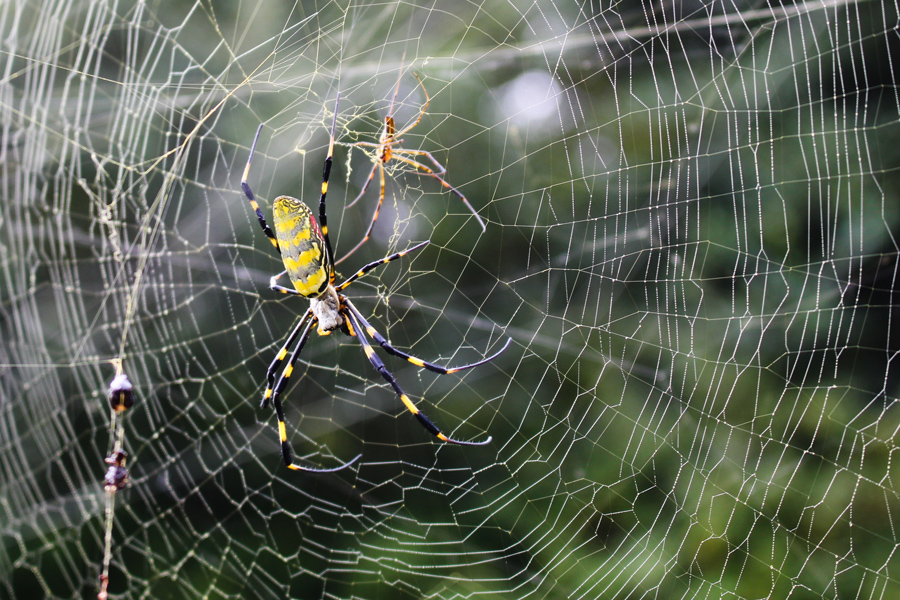
The Joro spider is native to East Asia and was first detected in Georgia in 2014. Adult females become sexually mature in September and early October. The female is bright yellow with broad, horizontal bluish-green bands on the top side of the abdomen, large red markings on the bottom side of the abdomen, with long, black legs with yellow-orange bands. The male’s cephalothorax is light brown with two dark brown long bands on both sides. His abdomen is elongate-oval with a greenish-brown topside that has two yellowish long stripes on both sides of the dark brown middle line.
|
-

Robotics will soon become a common reality on farms. This Extension resource helps people to understand the basics of robotics for agriculture and the applications of these new machines.
|