General Agriculture Resources
-

This resource provides an overview of water spinach cultivation for Georgia. Water spinach is an important part of the cuisine of a number of cultures. However, it can spread easily in waterways and is considered a noxious weed in many places. This resource addresses responsible production of water spinach, if permitted by the state of Georgia.
|
-

Damage to perennial woody trees and shrubs caused by hurricanes or high wind events is often not initially apparent. In some cases, it can take months or even years to manifest, despite plants looking relatively healthy after initial inspection by growers and insurance adjustors. This publication describes common damage seen in perennial woody trees and shrubs after a hurricane or high wind event.
|
-
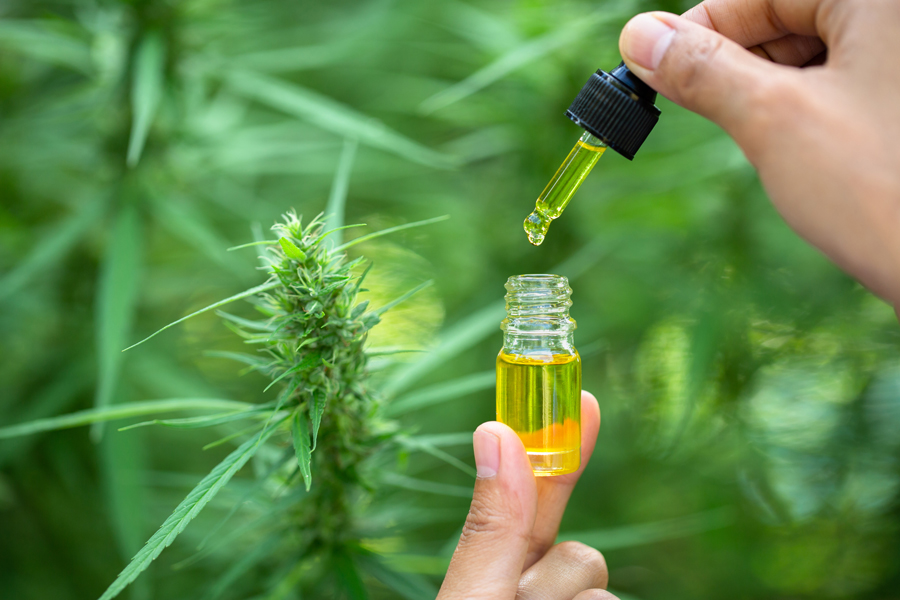
With the passage of the 2018 U.S. Farm Bill, industrial hemp was declassified as a Schedule I drug and is now legal (with restrictions) for production in the United States. Hemp and marijuana are both Cannabis sativa but are distinguished from each other based on the concentration of the psychoactive compound, tetrahydrocannabinol (THC). Industrial hemp is defined by law as a cannabis plant with total THC concentrations on a dry weight basis of less than 0.3% (+/- a measurement of uncertainty). This resource provides a basic overview of hemp testing for THC to stay in compliance with U.S. Department of Agriculture rules for hemp growers.
|
-
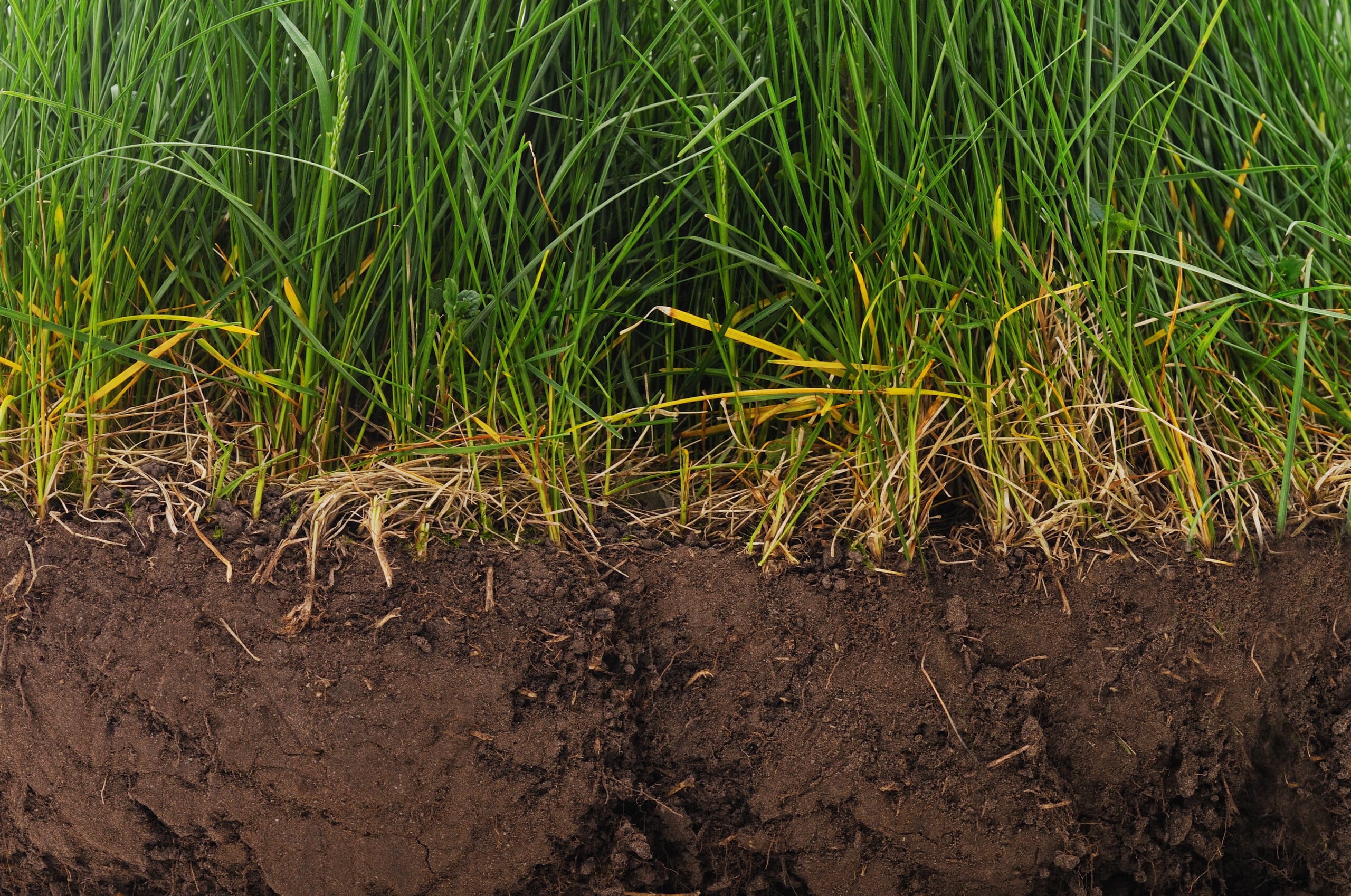
This resource is for university researchers and Extension specialists, county Extension agents, and producers of livestock, forages, and feeds. It highlights the role of selenium in animal nutrition; selenium concentration and distribution in soils and feedstuffs (grains and forages) produced in various parts of the United States and in Georgia; disorders resulting from selenium deficiency or toxicity; various methods of selenium supplementation; and recommendations for selenium management in Georgia.
|
-
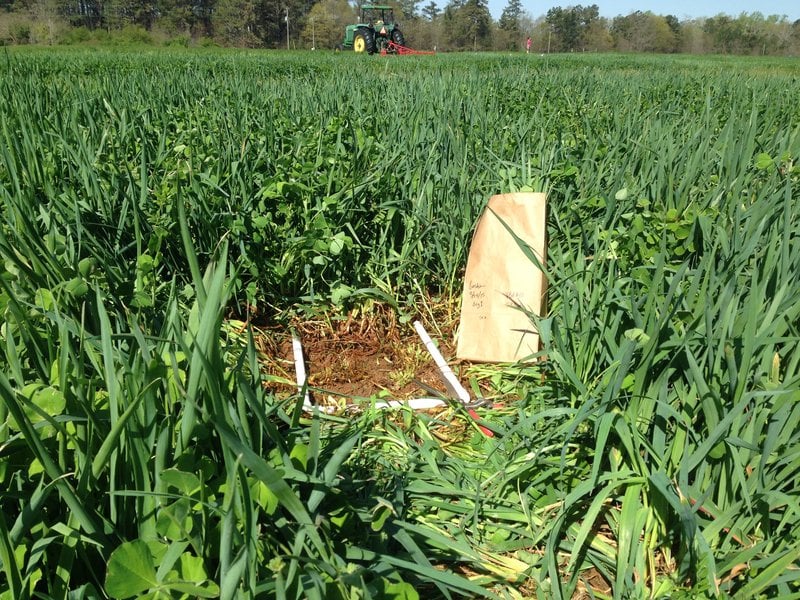
C 1077
Cover Crop Biomass Sampling
Cover crops are one of the most important practices that farmers can use to improve their soils and the sustainability of their production system. Knowing how much biomass there is in a field is a critical piece of information for cover crop management. This resource covers taking a representative sample, preparing a sample for the lab, and provides a guide to help you calculate wet and dry weights.
|
-

There are a number of different poultry production systems available today, and consumers commonly confuse organic poultry production with other systems. Pasture-raised poultry and natural poultry are not organically produced, as they do not meet all or any of the standards set by the National Organic Program, which regulates and certifies production systems as “organic.” Consumers should be aware of the differences between each of the poultry production systems as they purchase poultry products.
|
-

Commercial insect and weed control in forestry and Christmas trees. Updated annually.
|
-
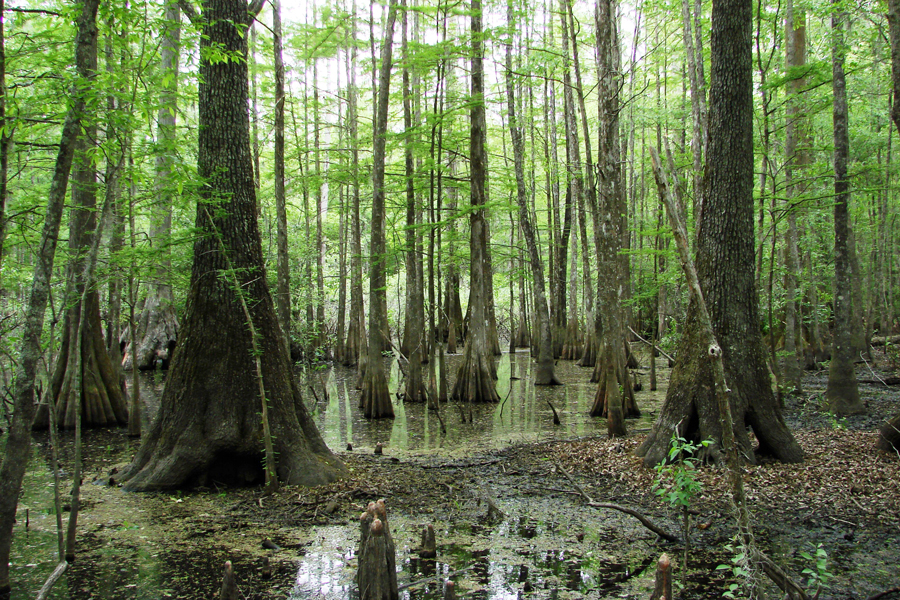
Many people view wetlands as “wastelands,” having few virtues. But it is now known that wetlands provide many useful services, from improving water quality to providing habitat for important fish and wildlife. These kinds of benefits would be costly to create, so maintaining natural wetlands is good for both the economy and the environment. Many smaller wetlands occur in Georgia farmlands, and many of the values provided by wetlands benefit Georgia farmers. This resource highlights the key virtues of wetlands to agriculture, describing how wetlands associated with Georgia farms can contribute to agricultural value.
|
-
This section of the Home & Garden Edition covers organic gardening practices. The USDA National Organic Program has established rules for commercial organic production. These rules do not apply to home gardeners, but they are a useful guide for choosing organic pest management alternatives. Beginning in 2022, the Home & Garden Edition has been updated biennially. When purchasing a product based on a first-year recommendation of the Handbook, check the current product label before purchase to be sure it is still labeled for the use for which you are buying it. For pesticide products you have on hand from earlier purchases, you are allowed to use them until they are depleted without penalty under the law. Always follow label instructions before use. Contact the product’s manufacturer for the most up-to-date label.
|