Horses Resources
-
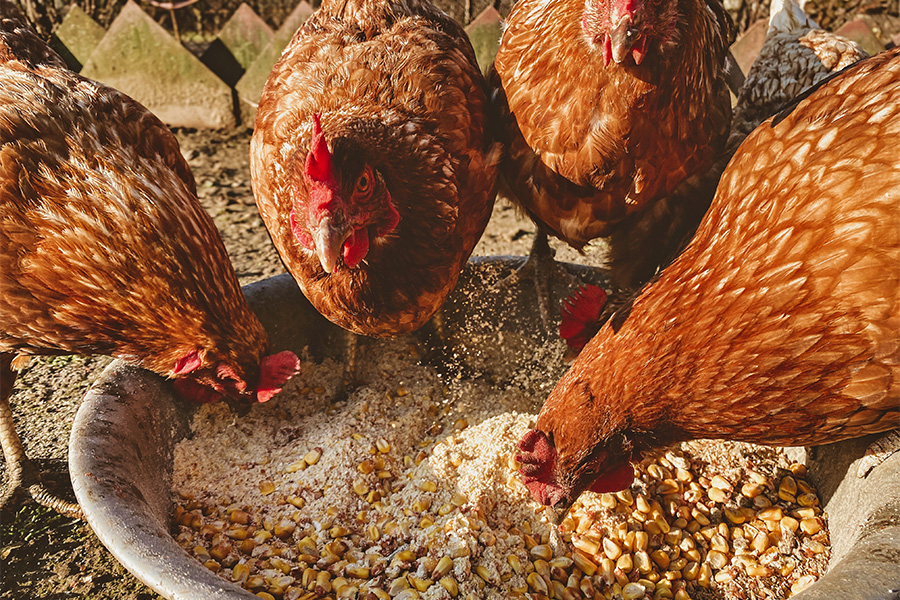
This bulletin is an educational reference for those who are interested in animal feeding and nutrition. It defines common terms used when discussing or reading about animal feeding and nutrition.
|
-
C 1180
Fescue Toxicosis in Horses
Tall fescue is the primary cool season perennial forage grown in the state of Georgia, and toxicity issues related to the grass can have significant impacts on equine reproduction. Tall fescue is the most heat tolerant of the cool season grasses due to a fungus that grows within the plant called an endophyte. This endophyte produces ergot alkaloids that can have negative effects on animals that eat the infected forage. The toxic effects of the endophyte can be successfully managed by eliminating the grazing or feeding of toxic tall fescue, as described in this publication.
|
-

Toxic weeds may be found in pastures and hayfields throughout Georgia. This resource can help you identify the species on your farm and what symptoms to watch for in grazing livestock. If you suspect that your animal has consumed a toxic plant species, please contact your local veterinarian for an official diagnosis and treatment.
|
-
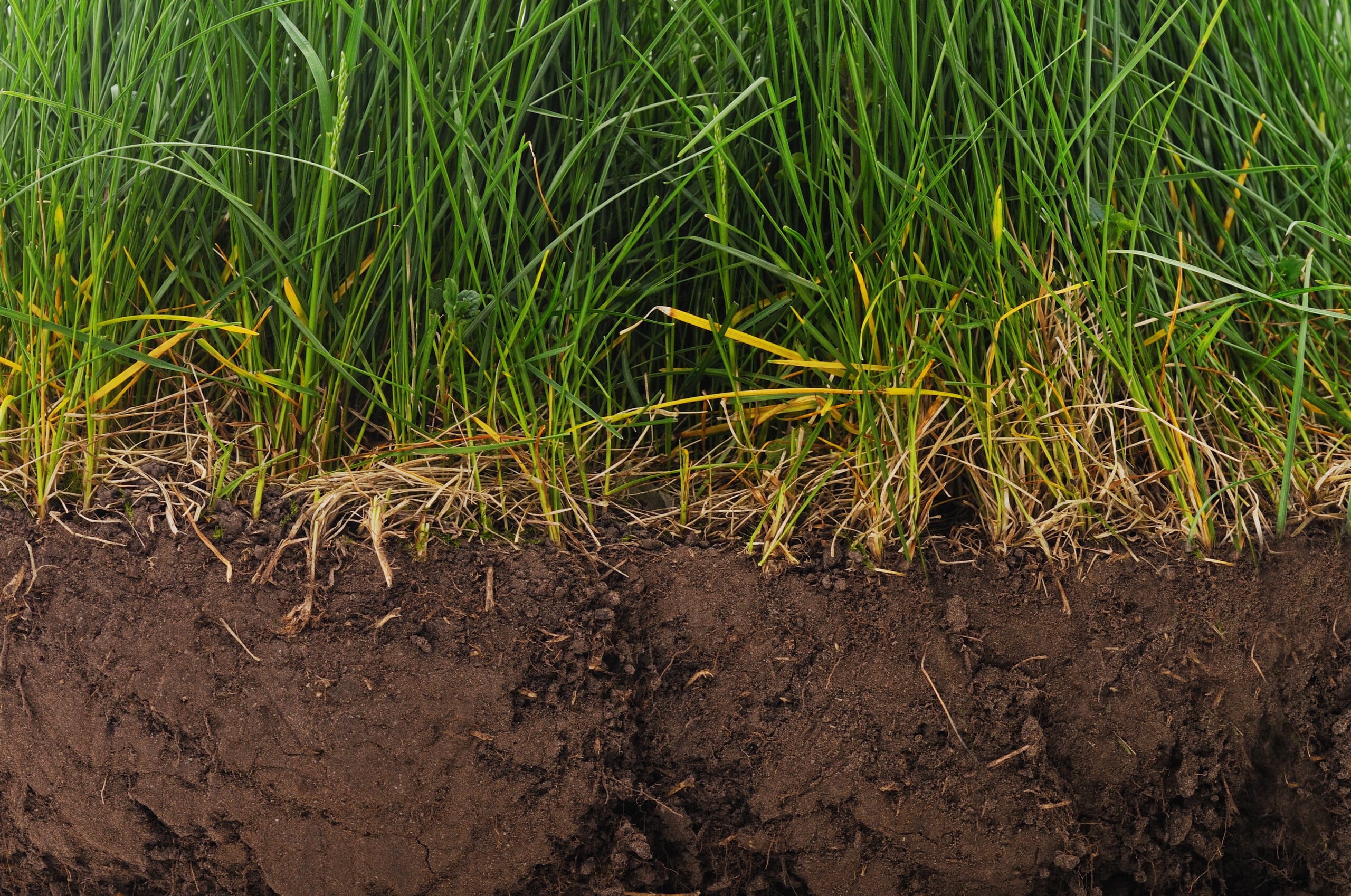
This resource is for university researchers and Extension specialists, county Extension agents, and producers of livestock, forages, and feeds. It highlights the role of selenium in animal nutrition; selenium concentration and distribution in soils and feedstuffs (grains and forages) produced in various parts of the United States and in Georgia; disorders resulting from selenium deficiency or toxicity; various methods of selenium supplementation; and recommendations for selenium management in Georgia.
|
-

When competing in youth horse judging contests or events at horse shows, it is important to have a good understanding of basic performance events that may be encountered. This publication is designed to give a basic overview of common hunt seat and western pleasure performance classes. It is by no means comprehensive of all events that may be seen and does not go in-depth on any one event.
|
-

When examining horses for conformation, either when considering a purchase or competing in horse judging contests, it is important to break things down into key principles to avoid becoming overwhelmed when putting the overall picture together. There are five main criteria to evaluate when examining a horse’s conformation: balance, structural correctness, way of going, muscling, and breed/sex character (also known as type). This publication describes each of these criteria in detail.
|
-
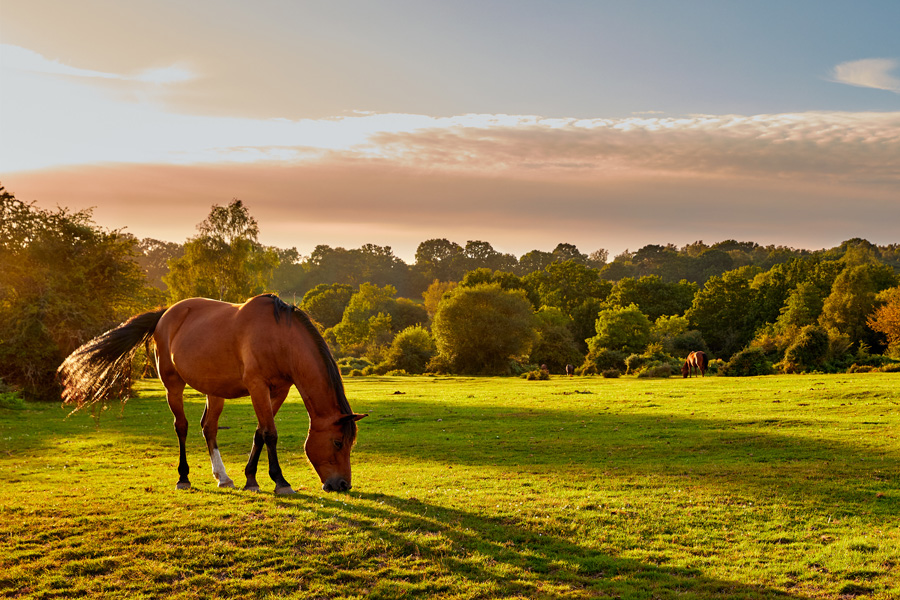
A handy reference for horse owners and land managers to help identify weeds that are toxic to horses, with pictures to aid identification, a brief description of the plants, and the specific toxicity symptoms associated with common weeds and trees that are poisonous to horses. It also gives tips on how to better manage pastures to prevent pasture-related plant toxicities. This publication is suitable for a general audience concerned with equine health and pasture safety.
|
-
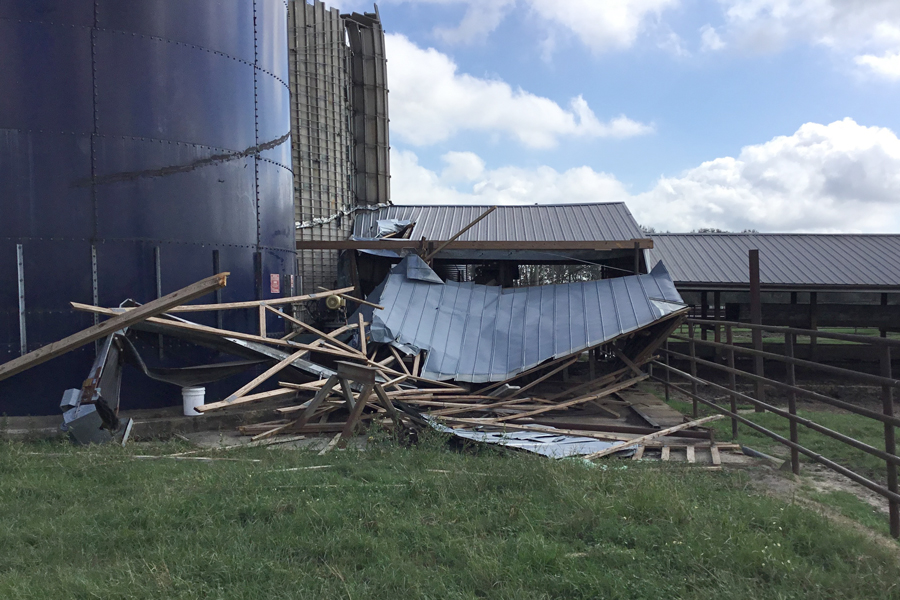
As a result of significant weather events, many producers in Georgia may experience losses of pasture growth, hay stocks, feed supplies, and livestock. After such events occur, farmers will be assessing damage to fields, stock, and property for many days, weeks, months. This publication is intended to provide recommendations to farmers that have experienced adverse affects due to significant weather in their forage and livestock production systems.
|
-
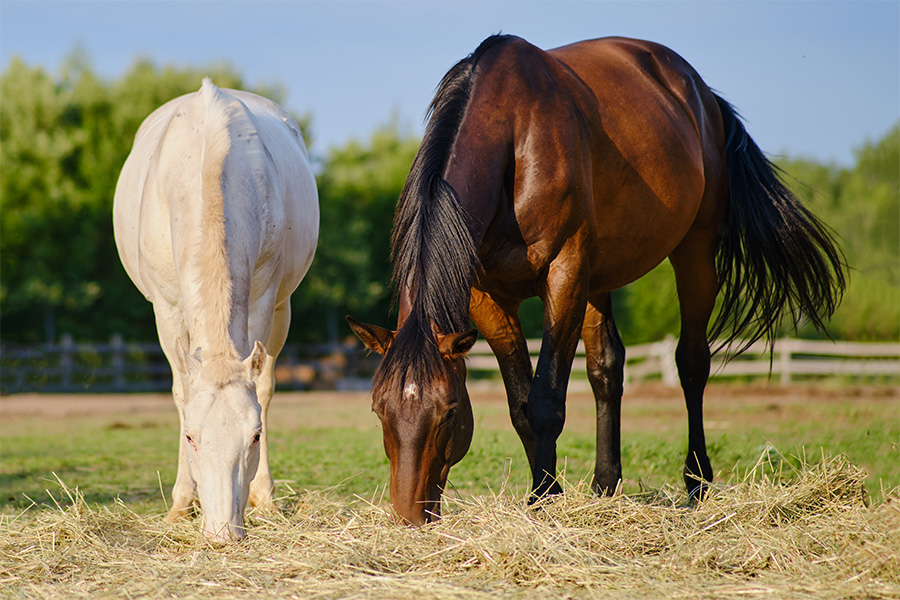
With so many feed, supplement and hay choices available, many people find themselves wondering exactly what their horse needs for good health and nutrition. Many horse-feeding opinions and myths make deciding what to feed even more difficult. This publication explains your horse’s nutritional needs, common guidelines to observe when feeding your horse and how to determine if your horse’s nutritional requirements are being met.
|