Horses Resources
-
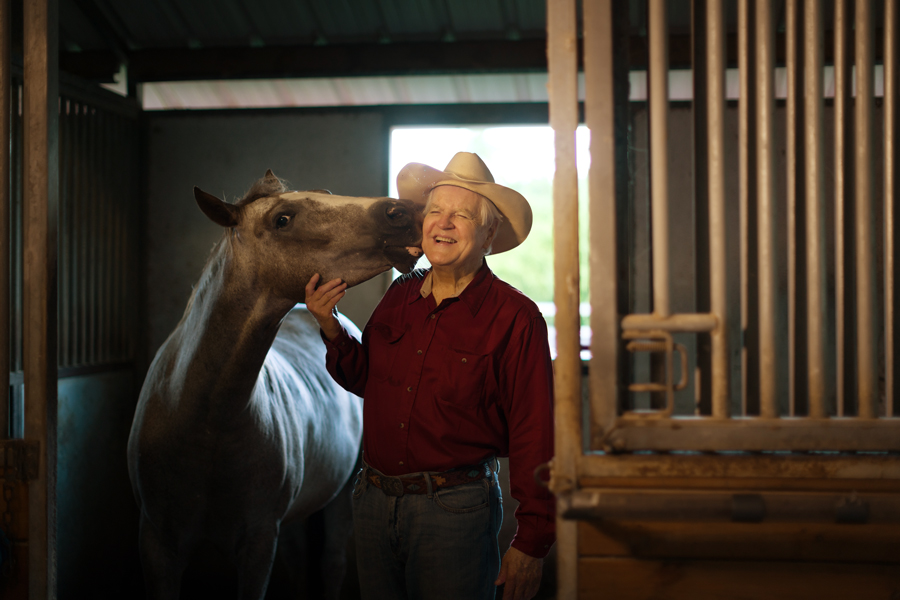
Horses have relatively long life spans compared to other livestock and companion animals, often living into their late 20s and early 30s. Many horses have productive careers into their 20s. In fact, in many disciplines, horses do not peak until their teenage years. Good nutrition, maintenance and veterinary care allow horses to lead longer and more productive lives. However, as horses age, their needs change and additional care may be required to keep them as healthy as possible. This publication addresses changes in the aging horse’s body that impact its requirements, possible ways to meet these requirements, and solutions to problems that may occur.
|
-
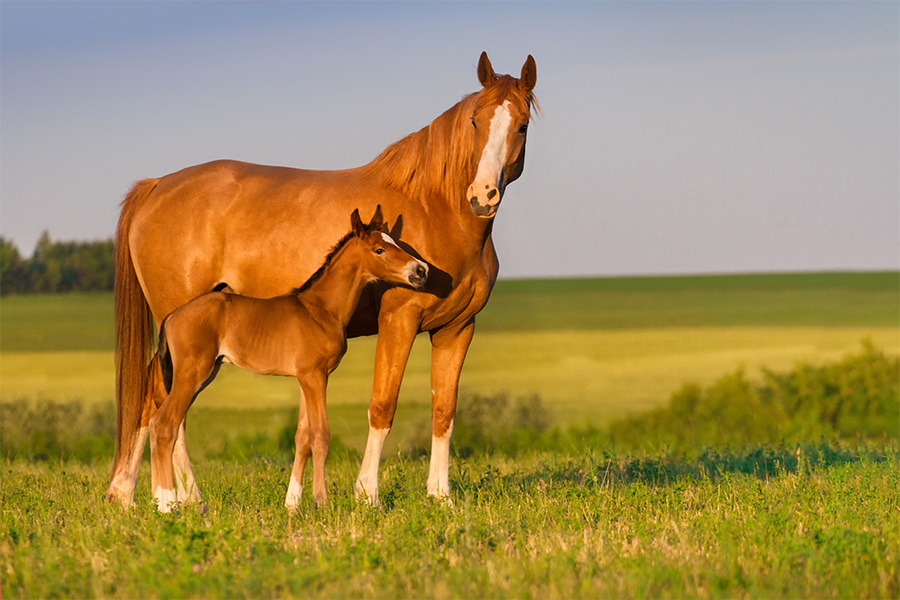
A solid understanding of mare cyclicity is the foundation on which to build or evaluate an equine breeding program. Horses differ from other species both in timing of cyclicity as well as endocrine patterns within a cycle. Basic principles can aid horse breeders in more effectively timing and breeding with or without hormone manipulation.
This publication provides an in-depth explanation of the science behind horse breeding.
|
-
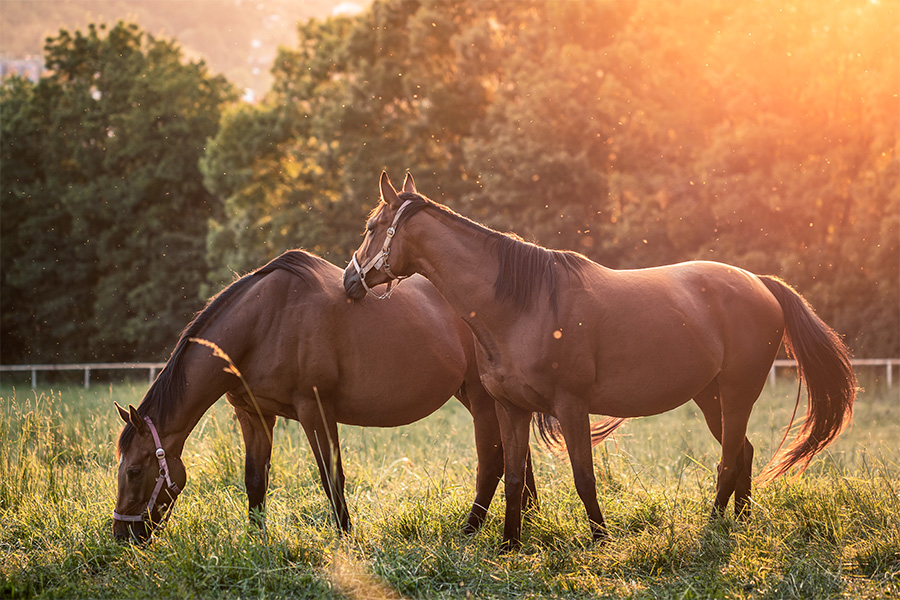
To have a successful equine breeding program, producers must successfully
manage animals both pre- and post-breeding to ensure delivery of a healthy foal
while maximizing the health of the mare. The following information is designed
give a basic understanding of how to identify pregnant mares, to outline major
events in pregnancy development, and to identify some primary issues that can
cause complications in pregnant mares.|
-
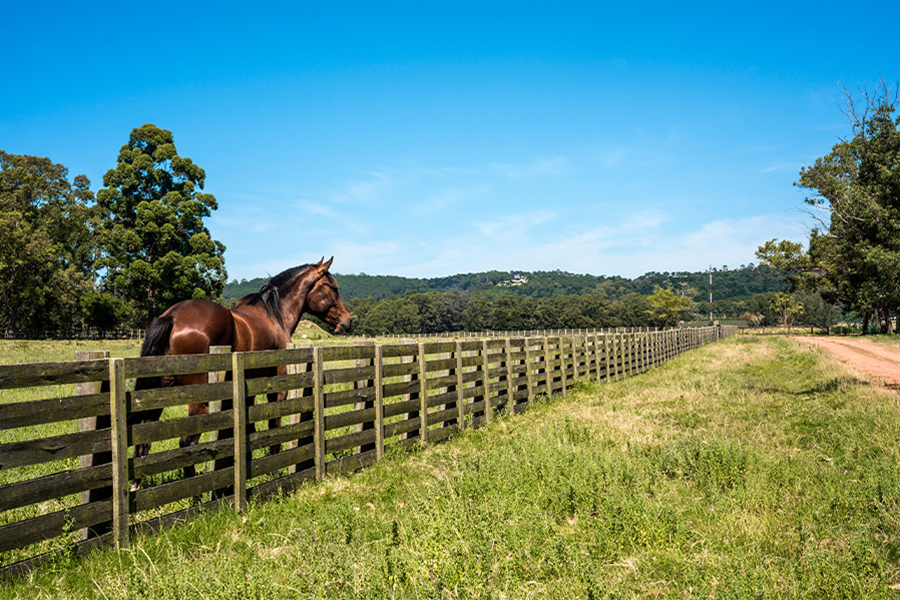
B 1192
Fences for Horses
Fences are necessary to safely confine horses yet provide them with the opportunity to exercise and graze. Because of the natural flight response of horses, they tend to injure themselves in fences more than most other livestock. In addition, many horses are extremely valuable and that justifies the extra cost of building a fence that is safe, strong and attractive. When selecting a fence, consider all three of these important functions: utility (keeping the horses in), safety and aesthetics. How much importance is placed on each function depends on the owner’s budget, the value of the animals and your priorities. A number of alternatives are available for consideration.
|
-
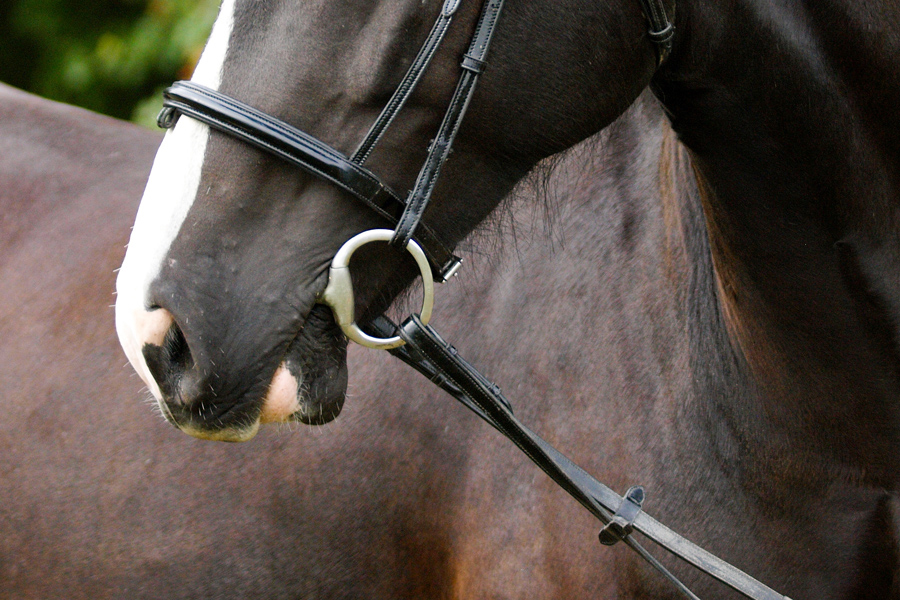
B 1379
Bits 101
Bit selection is a critical area of consideration for riders of all disciplines and levels. For many horse enthusiasts, lack of knowledge about bit types and functions, as well as common misconceptions held in the horse industry, can make choosing an appropriate bit a difficult process.
|
-
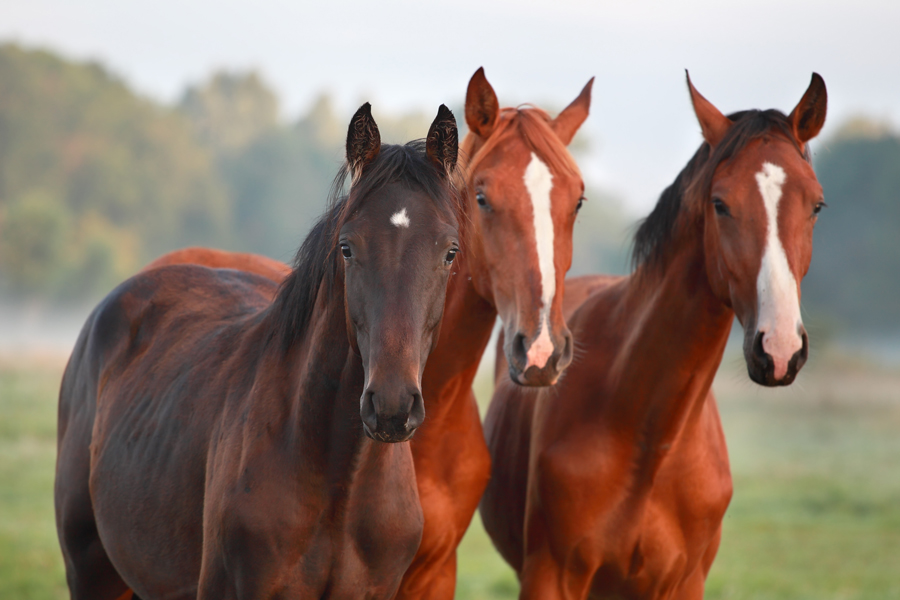
Parasite resistance is an increasing problem in livestock species, including horses. Equine deworming practices have historically involved a six-week rotational deworming schedule. However, these practices have led to parasite resistance to many of our available dewormers. This publication addresses the current recommendations for deworming based on fecal egg counts, including why parasite resistance is increasing and how and when to assess fecal egg counts in horses.
|
-

Nutrition can play a key role in achieving peak athletic performance in horses. This publication discusses ways to enhance feeding strategies to maximize training and conditioning programs and keep horses in peak physical condition. It also includes a Body Condition Scoring table.
|
-
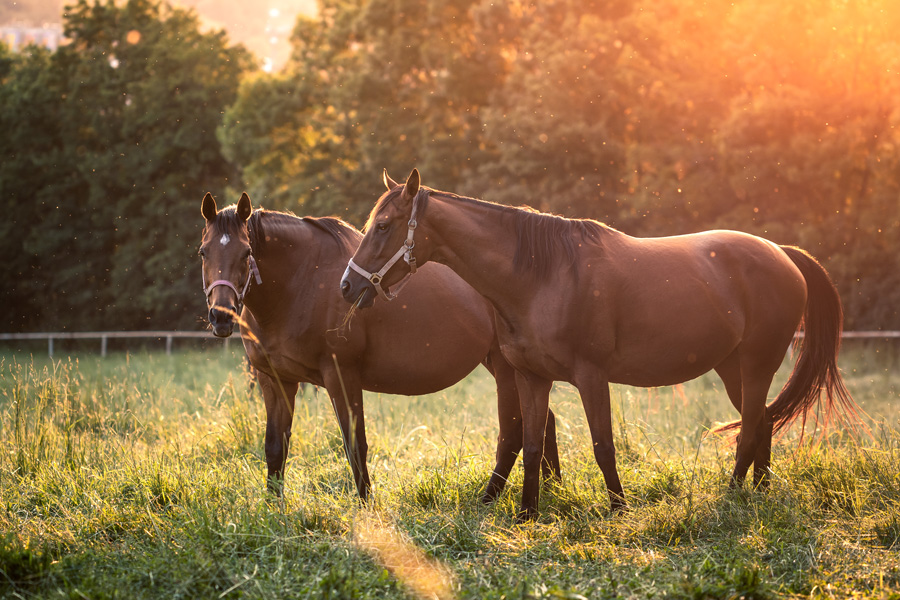
B 1465
Managing the Pregnant Mare
To have a successful equine breeding program, producers must be able to ensure delivery of a healthy foal while maximizing the health of the mare. The information in this bulletin is designed to provide basic concepts in pregnant mare management.
|
-

B 1377
UGA Feed Cost Analyzer
The UGA Feed Cost Analyzer is a spreadsheet-based decision aid to compare potential feedstuffs on a price per pound of crude protein and energy (total digestible nutrients; TDN). This program consists of a feed library prepopulated with some common feedstuffs, a least cost feedstuff analyzer, and a feedstuffs replacement calculator. Each page contains step by step directions on how to use this decision aid.
|