Horticulture Resources
-
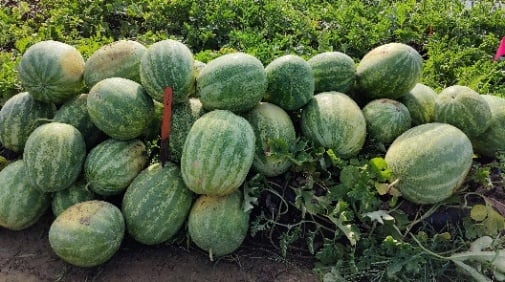
Watermelon is one of Georgia’s top vegetable crops, and profitable production starts with choosing seedless varieties that perform well in the local growing conditions. This resource provides research-based recommendations for large and mini seedless watermelon varieties adapted to commercial production in Georgia. Multiyear university trials are summarized to compare maturity, average weight, size distribution, fruit quality, and disease resistance. This resource helps growers, Extension agents, and industry partners select reliable seedless varieties that perform well under Georgia’s climate, disease pressure, and fresh-market standards.
Many of these same varieties are planted across southeastern states with similar heat, humidity, and disease pressure. As a result, the information presented here also supports growers in neighboring regions who rely on large and mini seedless watermelons for fresh-market production.
|
-

This resource explains the necessary steps for starting a school garden. To create a sustainable garden, the emphasis is placed on school and community support.
|
-
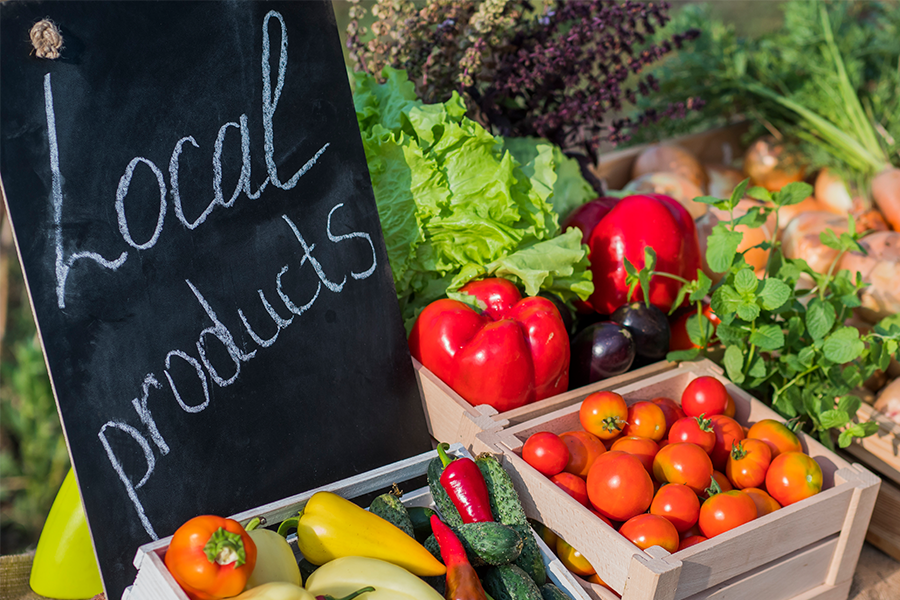
This publication covers some of the basic information about what you may need and key considerations when developing a small fruit and vegetable farm.
|
-
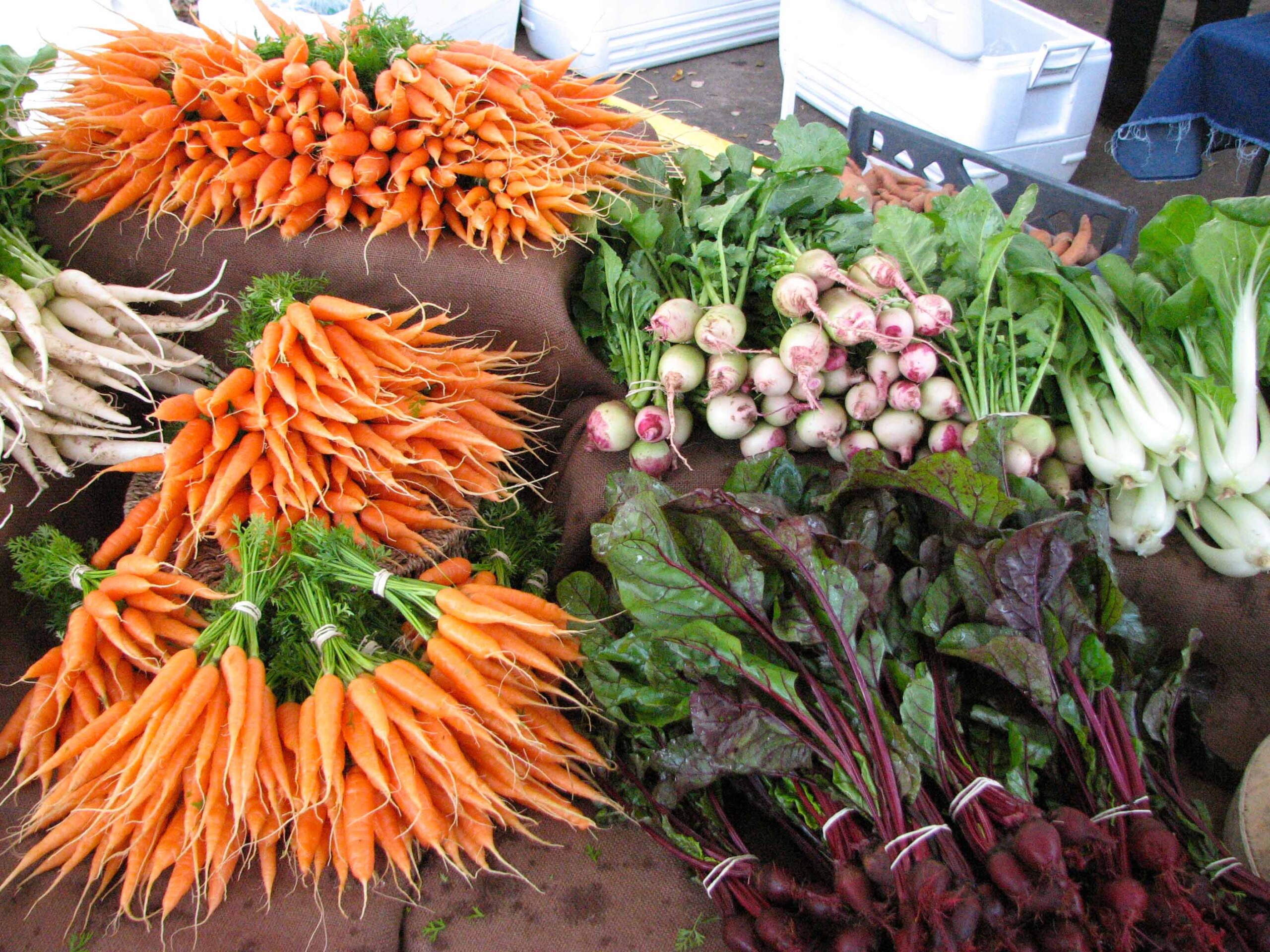
Growing vegetables as either a part-time or full-time enterprise can be an enjoyable and rewarding experience. Not only can you produce fresh food for your own table, you can provide supplemental income to your family’s budget. While that may sound great, there are several considerations to bear in mind before you jump into this endeavor. Items to consider before becoming a small market grower include time commitment, capital, available resources, licensing, insurance, taxes, and marketing. This publication is intended for general use audiences, including farmers and those considering entering small market vegetable production.
|
-
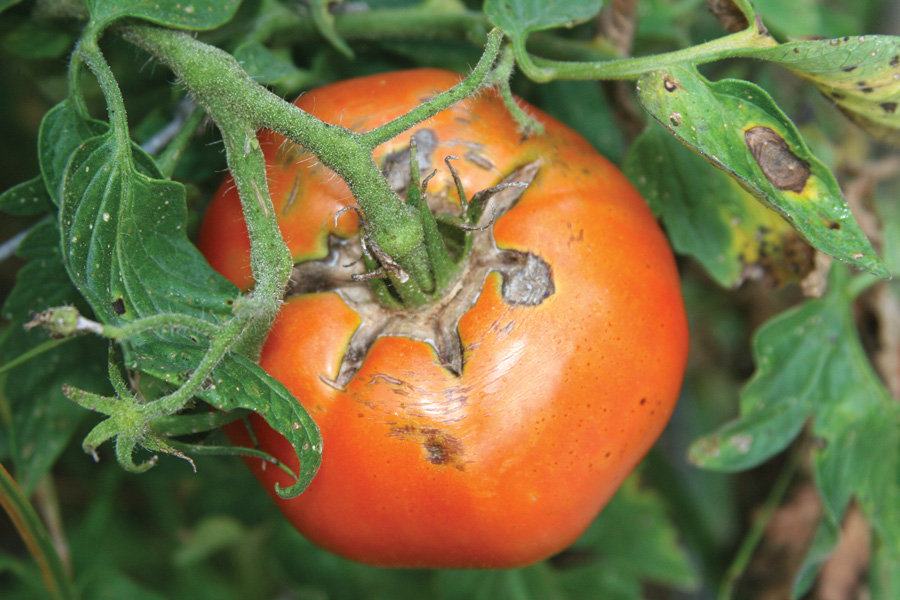
This resource is designed for small market growers, homeowners, and Master Gardeners in order to be a quick reference guide for diagnosing common problems in vegetables.
|
-

This resource provides an overview of production practices in controlled environment agriculture, emphasizing a holistic approach to optimizing crop growth. It outlines the primary crops grown in these systems and describes how growers can successfully manage critical environmental factors. The resource covers the transformative impact of automation and advanced technologies, which enable precise monitoring of crop health and environmental conditions.
|
-

This peach tree training system is being adopted by some southeastern peach growers; it is an easy, low-maintenance system that can be used even in the home orchard.
|
-
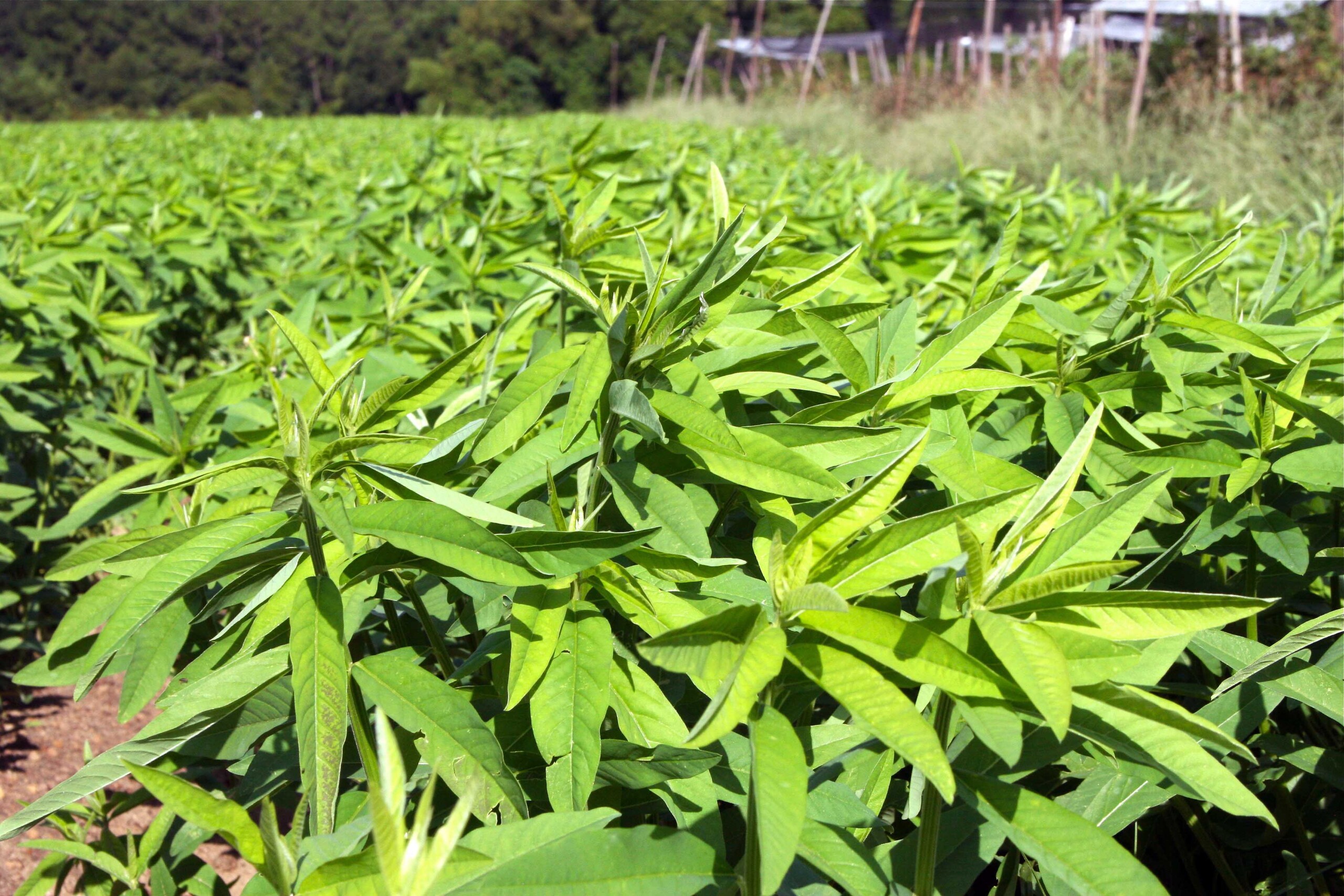
This expert resource is an introduction to growing industrial hemp for fiber production in Georgia. While not exhaustive, it outlines some of the major production challenges in growing this crop in the Southeastern U.S.
|
-

This resource provides a practical overview of vermicomposting as an efficient composting option for home gardens, landscapes, and small farms. It explains how composting with worms can turn food scraps and organic waste into nutrient-rich worm castings, and how this process differs from traditional composting methods. This resource covers the basics of worm biology, bin selection and setup, bedding materials, feeding rates, moisture and pH management, and common troubleshooting tips with an emphasis on simple, low-cost practices.
|