Hydroponics Resources
-

This resource provides an overview of production practices in controlled environment agriculture, emphasizing a holistic approach to optimizing crop growth. It outlines the primary crops grown in these systems and describes how growers can successfully manage critical environmental factors. The resource covers the transformative impact of automation and advanced technologies, which enable precise monitoring of crop health and environmental conditions.
|
-
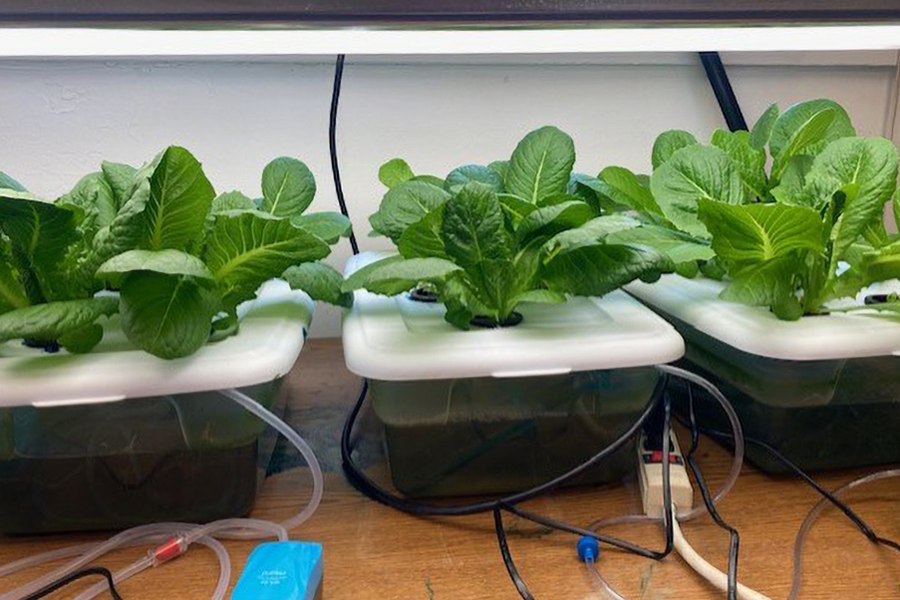
Important considerations for starting a small hydroponic operation at your home or an urban garden site.
|
-
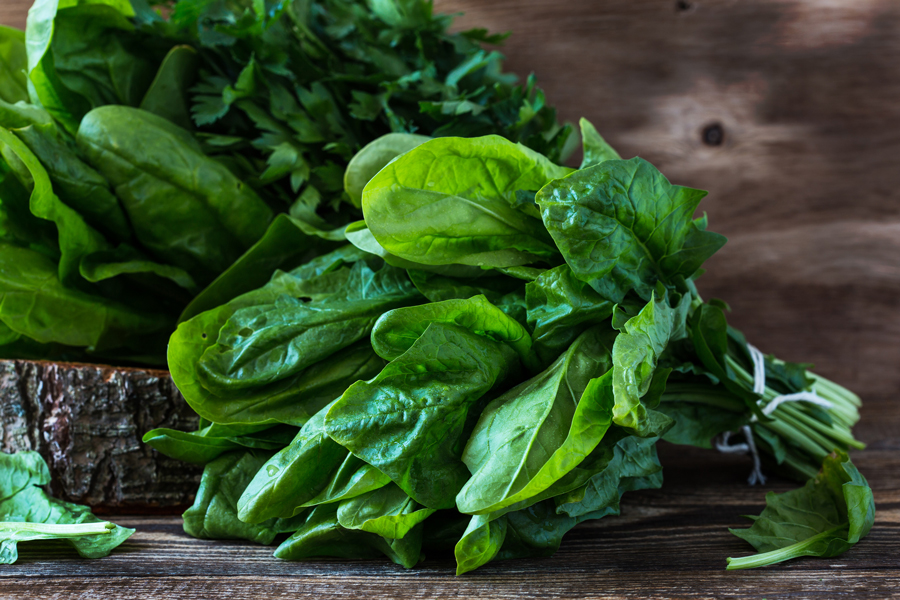
Spinach (Spinacia oleracea) is an important nutrient-dense leafy green, and its annual per capita consumption has significantly increased over the past decades. Spinach production in Georgia has experienced significant growth in the last few years, with over $400M in annual value, ranked first among all the other leafy green crops. Field spinach production is labor intensive, and the cost of weed management, harvest, and post-harvest accounts for 56% of the production cost. With the advantages of controlled environment agriculture in reducing labor costs and increasing production value with an extended growing cycle, hydroponic spinach has been gradually accepted and planted on a large scale.
Spinach is a cool season crop typically seeded during early spring or early fall. Summer season is often skipped because of pressure from insects, diseases, and weeds. Additionally, the optimal temperature for spinach seed germination is 65-70°F (18-21°C), and for spinach growth is 60-77°F (15-25°C). However, there is the possibility to grow spinach during summer in the greenhouse using a deep water culture hydroponics system that can minimize these pressures by focusing on heat-tolerant cultivar selection, germination improvement, and optimal hydroponic system implementation.
|