Landscaping Resources
-
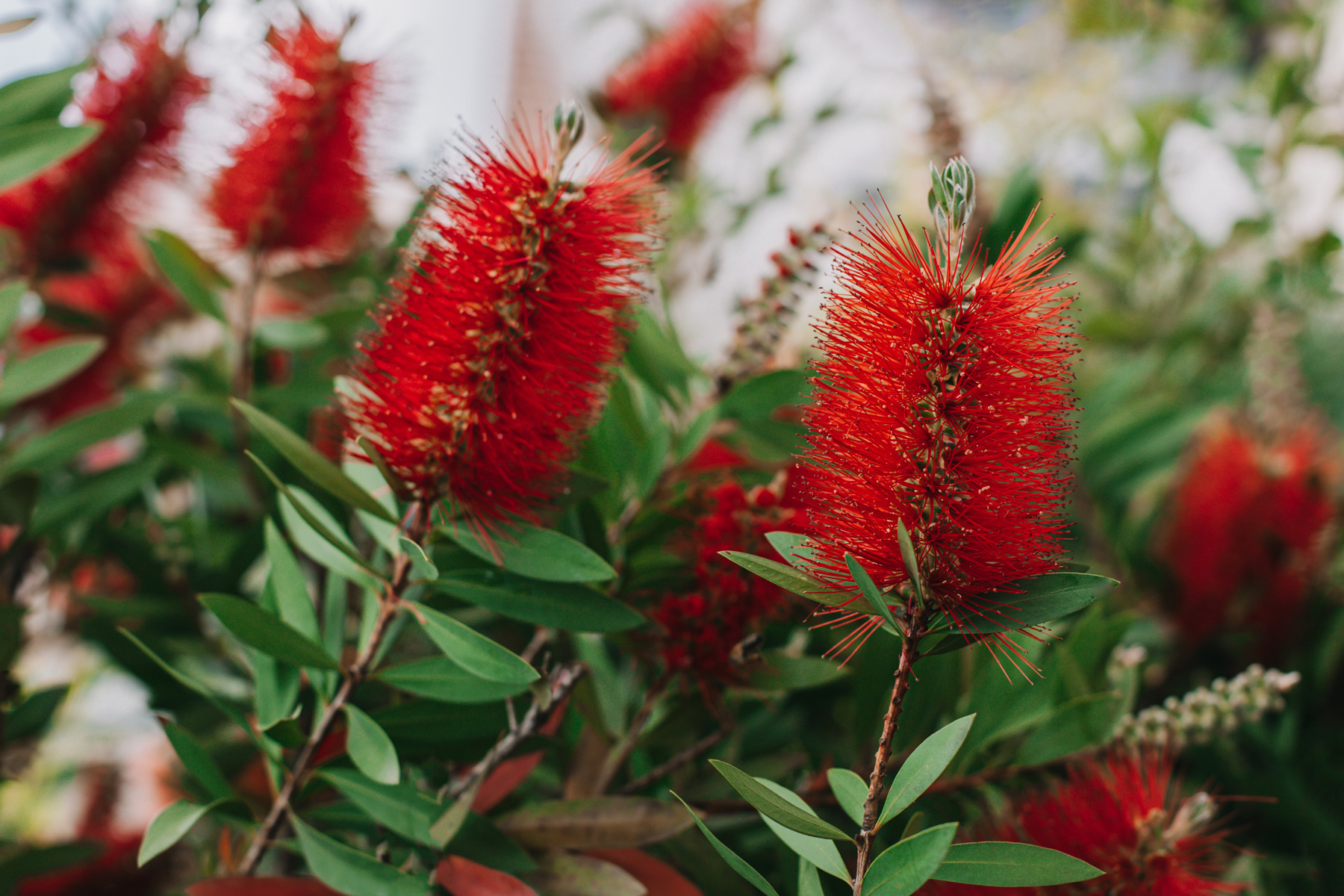
This publication explains the different sources of salt in the soil, the effects of high salt and salinity in plants, measurements of salinity in soils and water, and a list of salt-tolerant native trees alongside their ability to withstand high salinity.
The information in this bulletin was requested by the green industry, county faculty, and the public.
|
-

C 1027-7
Garden Sheds
This publication provides information about storage sheds for community and school gardens, including local building codes, siting a shed, and alternatives to traditional sheds.
|
-

The goals of these investigations were to achieve an aesthetically pleasing landscape while experimenting with mixing various plant habits, leaf textures and colors, and even flowers, and to raise consumer awareness, both at industry and public levels, of the alternative uses of tropical plants in the landscape. This publication presents plant performance data collected over a three-year period in trials from two different Georgia environments, a coastal area and a mid-state area.
|
-

C 955
Growing Hostas
Hostas are quickly becoming one of the most popular perennial plants grown in our landscapes. Sometimes referred to as plantain lilies, hostas are reliable plants for both shade and partial sun situations. This publication includes variety recommendations.
|
-

Butterfly populations can be greatly enhanced by devoting a portion of the landscape to butterfly habitat. In addition to their natural beauty, butterflies serve as valuable plant pollinators.
|
-
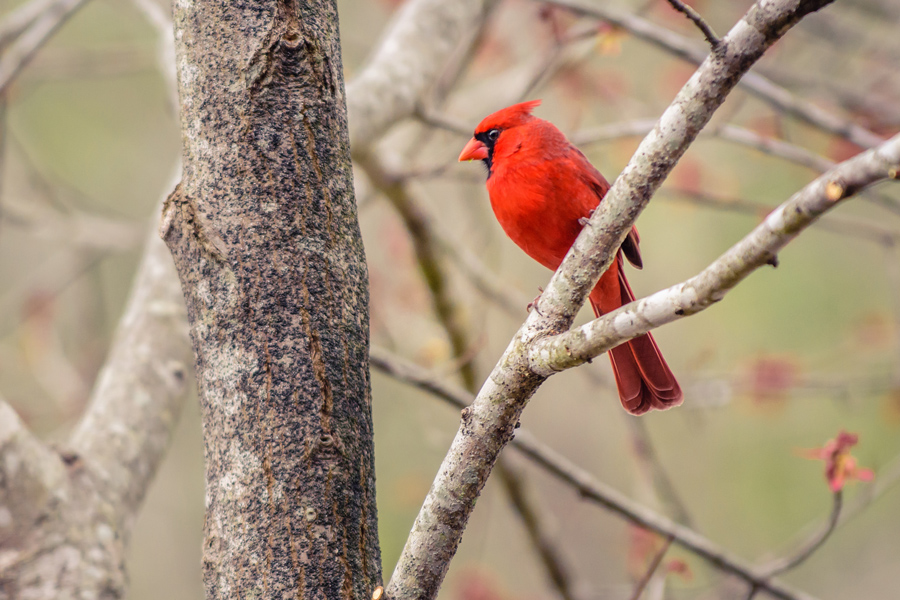
To attract and maintain a bird population, a habitat should provide (1) food, (2) shelter/nesting areas and (3) water. This publication describes several ways to attract birds to your backyard.
|
-
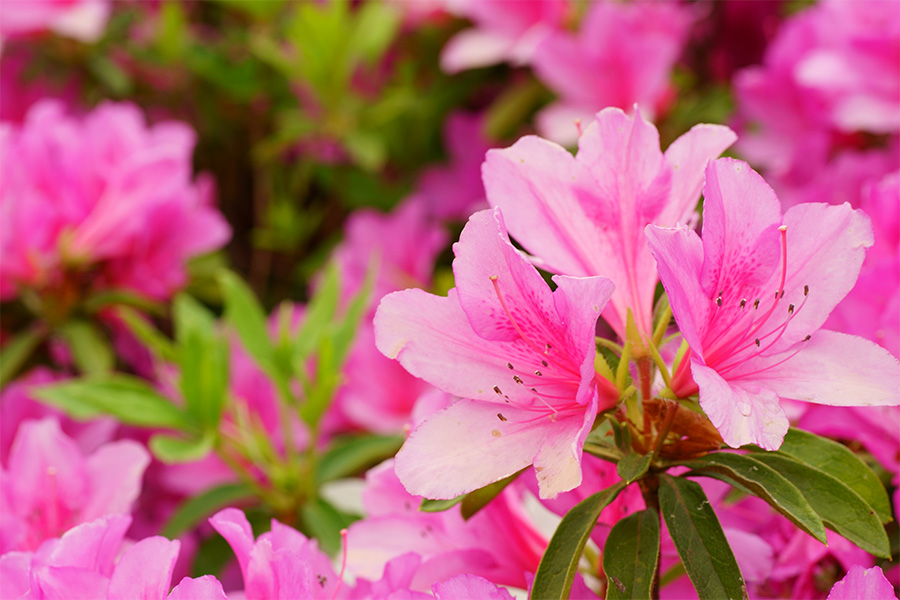
Azaleas’ vivid colors, profusion of flowers and adaptability to a wide range of soils and climates make them one of the most popular flowering shrubs in Georgia. Although most people associate azaleas with spring, there are several that bloom in summer and fall. By carefully selecting plants, you can have azaleas blooming at least eight months of the year.
|
-
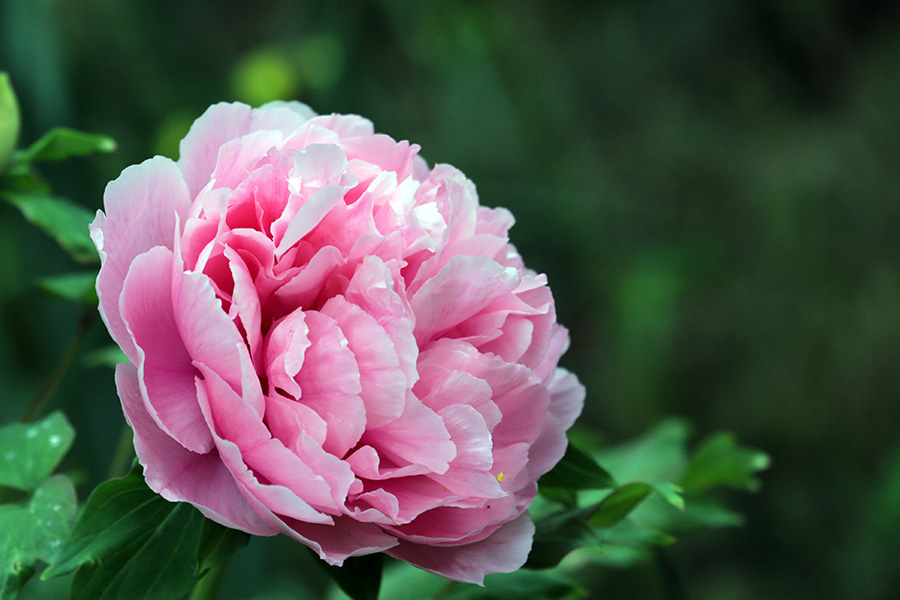
This resource helps landscaping professionals understand the basics of perennial plant biology, ideas on design and installation, and information on cultivation and maintenance of perennial beds. Whether in a commercial installation or residential garden, perennial plants can be successfully used to offer more landscaping choices, distinguish your firm from the competition and create a niche for your landscape business. Perennial plants are complex, and it is best to contract or hire a professional landscape architect for the design phase and train knowledgeable staff in proper maintenance later on. It should also serve as a quick guide for the most common and recommended perennials for Georgia. Common-sense tips from a professional landscaper’s perspective are also included.
|
-

This publication explores color relationships in the landscape, ways of seeing plants in terms of color, and various ways to use color successfully in plant selection and landscape design and composition.
|