UGA College of Agricultural & Environmental Sciences Field Report
  • Stories
    Almanac

    Science in service of humanity and the environment

    Read our annual magazine here

    READ


    Dive into engaging stories that showcase our statewide, national and global impact.

    Check out our written stories here

    LOOK


    Browse curated photo galleries capturing the people, places and programs that bring CAES to life.

    Check out our photo galleries here

    WATCH


    Experience our stories through videos that highlight our people, projects and passions in action.

    Check out our video library here

    LISTEN


    Tune in to “Cultivating Curiosity,” our podcast featuring in-depth conversations with CAES experts.

    Check out our podcast here
  • Expert Resources

    Expert Resources


    From farms and gardens to families and finances, our expert resources empower Georgians with trustworthy, practical science.

    Gardening
    Invasive species
    Food and food safety
    Ants, termites and other pests
    Pollinators
    Livestock
    Emergency preparedness
    Home safety and maintenance
    Health, family and finances
    Nutrition
    Water quality
    Lawn maintenance and landscaping
    Turfgrass
    View all topics

    What is an Expert Resource?


    We publish unbiased, research-backed expert advice to empower Georgians with practical, trustworthy information they can trust.

    These resources are written and reviewed by experts in the UGA College of Agricultural and Environmental Sciences and the UGA College of Family and Consumer Sciences.

    Learn how we produce science you can trust
  • Events
  • Contact
  • Read
  • Look
  • Watch
  • Listen
Subscribe
  • LinkedIn
  • Facebook
  • Instagram
  • Stories
    Almanac

    Science in service of humanity and the environment

    Read our annual magazine here

    READ


    Dive into engaging stories that showcase our statewide, national and global impact.

    Check out our written stories here

    LOOK


    Browse curated photo galleries capturing the people, places and programs that bring CAES to life.

    Check out our photo galleries here

    WATCH


    Experience our stories through videos that highlight our people, projects and passions in action.

    Check out our video library here

    LISTEN


    Tune in to “Cultivating Curiosity,” our podcast featuring in-depth conversations with CAES experts.

    Check out our podcast here
  • Expert Resources

    Expert Resources


    From farms and gardens to families and finances, our expert resources empower Georgians with trustworthy, practical science.

    Gardening
    Invasive species
    Food and food safety
    Ants, termites and other pests
    Pollinators
    Livestock
    Emergency preparedness
    Home safety and maintenance
    Health, family and finances
    Nutrition
    Water quality
    Lawn maintenance and landscaping
    Turfgrass
    View all topics

    What is an Expert Resource?


    We publish unbiased, research-backed expert advice to empower Georgians with practical, trustworthy information they can trust.

    These resources are written and reviewed by experts in the UGA College of Agricultural and Environmental Sciences and the UGA College of Family and Consumer Sciences.

    Learn how we produce science you can trust
  • Events
  • Contact
  • Read
  • Look
  • Watch
  • Listen
Subscribe
  • LinkedIn
  • Facebook
  • Instagram
Subscribe
  • LinkedIn
  • Facebook
  • Instagram
  1. Home
  2. Expert Resources
  3. Topics
  4. Lawn and Garden
  5. Landscaping

Landscaping Resources

Use the Advanced Search
  • Environmental Enhancement with Ornamental Plants: Butterfly Gardening

    C 975

    Environmental Enhancement with Ornamental Plants: Butterfly Gardening

    Butterfly populations can be greatly enhanced by devoting a portion of the landscape to butterfly habitat. In addition to their natural beauty, butterflies serve as valuable plant pollinators.

    Bob Westerfield and Melvin P. Garber

    |

    June 24, 2022
  • C 976

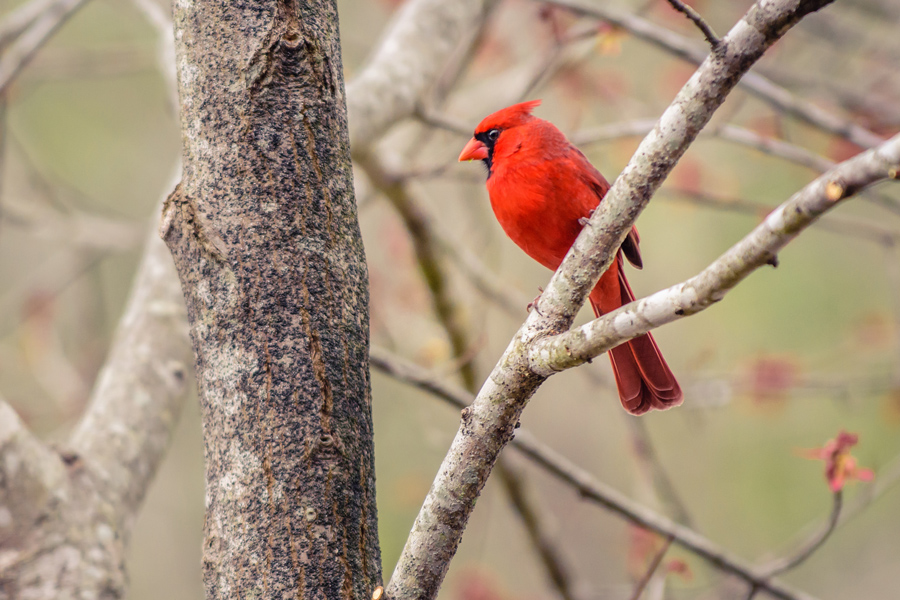
    Attracting Birds to Your Backyard

    To attract and maintain a bird population, a habitat should provide (1) food, (2) shelter/nesting areas and (3) water. This publication describes several ways to attract birds to your backyard.

    Bob Westerfield and Melvin P. Garber

    |

    June 24, 2022
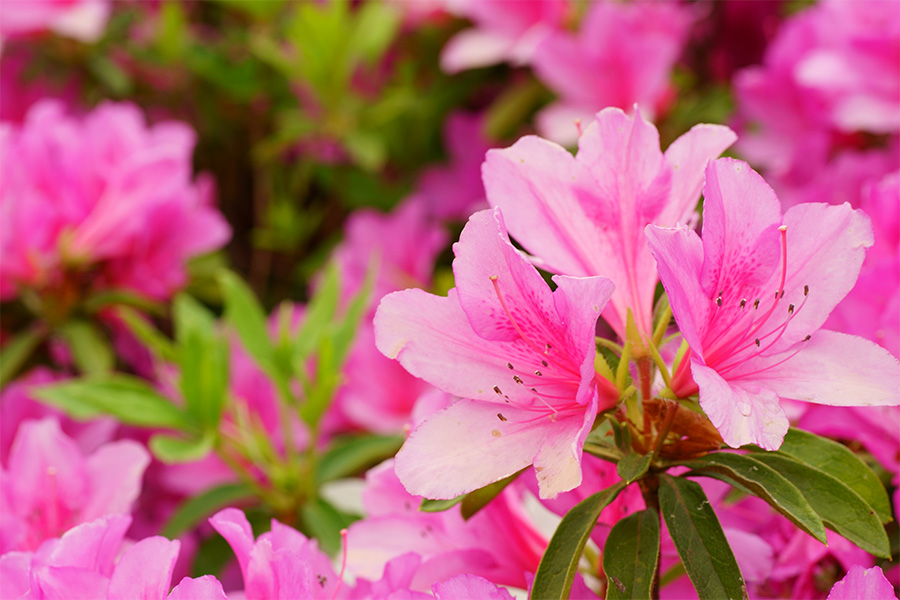
  • pink azalea blooms up close

    B 670

    Selecting and Growing Azaleas

    Azaleas’ vivid colors, profusion of flowers and adaptability to a wide range of soils and climates make them one of the most popular flowering shrubs in Georgia. Although most people associate azaleas with spring, there are several that bloom in summer and fall. By carefully selecting plants, you can have azaleas blooming at least eight months of the year.

    Bodie V. Pennisi and Jean Williams-Woodward

    |

    June 22, 2022
  • a row of small shrubs makes a border along a sidewalk

    C 1107

    Think Outside the Boxwood: Alternative Plants for Gardens and Landscapes

    This publication provides alternative plants to replace boxwood in landscapes across Georgia. It includes information on new cultivars and cautions against the use of plants on the GA-EPPC invasive plant list, as well as species and cultivars affected by common pests and diseases.

    Bodie V. Pennisi, Gary Peiffer, and Greg Huber

    |

    June 10, 2022
  • pink crape myrtle flowers

    C 944

    Crape Myrtle Culture

    Crape myrtle is one of the most useful flowering shrubs/trees grown in Georgia. It provides abundant summer color with a minimum of maintenance.

    Jean Williams-Woodward and Bodie V. Pennisi

    |

    June 7, 2022
  • B 1424

    Landscape Basics: Success with Herbaceous Perennials

    This resource helps landscaping professionals understand the basics of perennial plant biology, ideas on design and installation, and information on cultivation and maintenance of perennial beds. Whether in a commercial installation or residential garden, perennial plants can be successfully used to offer more landscaping choices, distinguish your firm from the competition and create a niche for your landscape business. Perennial plants are complex, and it is best to contract or hire a professional landscape architect for the design phase and train knowledgeable staff in proper maintenance later on. It should also serve as a quick guide for the most common and recommended perennials for Georgia. Common-sense tips from a professional landscaper’s perspective are also included.

    Bodie V. Pennisi and Sheri Dorn

    |

    May 19, 2022
  • B 1396

    Landscape Basics: Color Theory

    This publication explores color relationships in the landscape, ways of seeing plants in terms of color, and various ways to use color successfully in plant selection and landscape design and composition.

    Bodie V. Pennisi

    |

    May 19, 2022
  • Landscape Basics: Designing a Quality Control Program for Your Company

    B 1420

    Landscape Basics: Designing a Quality Control Program for Your Company

    Well-groomed landscapes are often a result of considerable effort by landscape companies. Employees make them happen with routine care and, above all, attention to detail. A quality landscape and the image employees present on the job speak highly of the professionalism of the firm. Quality control (QC) is everyone’s responsibility and an essential part of a landscaper’s job. This publication describes the basics of creating and implementing a successful quality control program for your landscaping company.

    Willie O. Chance III and Bodie V. Pennisi

    |

    April 13, 2022
  • Landscape Basics: Crop Rotation and Cultural Practices Help Reduce Diseases in Seasonal Color Beds

    B 1423

    Landscape Basics: Crop Rotation and Cultural Practices Help Reduce Diseases in Seasonal Color Beds

    Landscape professionals must consider many factors when choosing the right flowering annuals to plant for a particular location. Primary considerations include high visual impact, consistent bloom for color, foliage for texture and color, sun exposure, growth habit and low-water tolerance. Cost plays an important role as well. Many landscapers typically choose common annual ornamentals and tropical perennials marketed as annuals. Particular species and cultivars tend to be favored over others for a variety of reasons; these are the bread-and-butter plants, such as cool-season pansies and warm-season petunias. Because of this, staple plants tend to be planted year after year, often in the same bed – a recipe for disease build-up, pesticide applications, loss of plants, plant replacement, dissatisfied customers, and ultimately, lower profit margins. This publication explains how to effectively use crop rotation and cultural practices to reduce disease incidence in seasonal color beds.

    Jean Williams-Woodward and Bodie V. Pennisi

    |

    April 12, 2022
Previous Page
1 … 8 9 10 11 12 13
Next Page

About CAES

CAES Home

Overview

History

Administration

Jobs

Personnel Directory

Privacy Policy

Accessibility Policy

AI Guidelines

Affiliations

UGA Cooperative Extension

Tifton Campus

Griffin Campus

University of Georgia
  • Schools and Colleges
  • Directory
  • MyUGA
  • Employment Opportunities
  • Copyright and Trademarks
  • UGA Privacy Policy
  • Report an Accessibility Barrier
  • Submit a Student Complaint
#UGA on
© University of Georgia, Athens, GA 30602
706‑542‑3000