Landscaping Resources
-
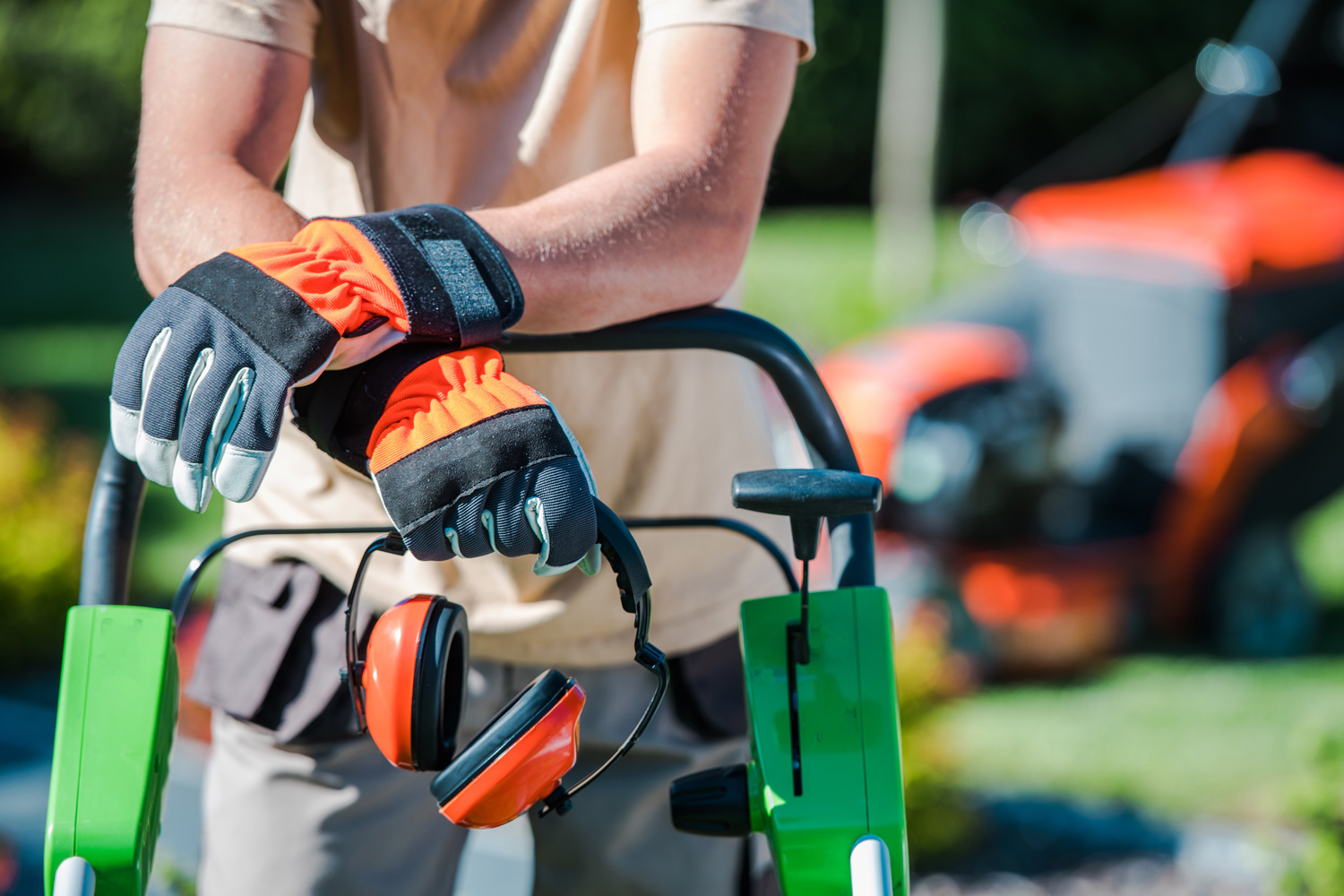
These checklists can be used to introduce new landscape workers to safe work practices. They ensure that job safety training includes safety instruction. Included are sections on general safety precautions, equipment safety, lawn mower safety and pesticide safety.
|
-

This publication is a monthly guide for professional managers of commercial, recreational, municipal, institutional or private grounds in Georgia.
|
-
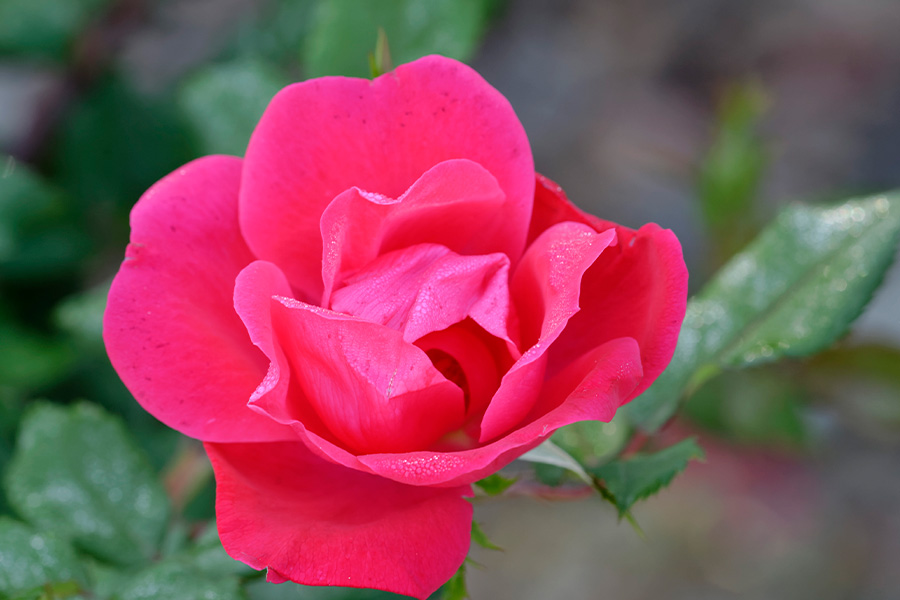
Roses are one of the most popular plants among Georgia gardeners even though growing roses in the southern climate can be challenging. Knowing which rose varieties to choose is the key to success. This publication discusses selection and techniques for growing roses in Georgia.
|
-
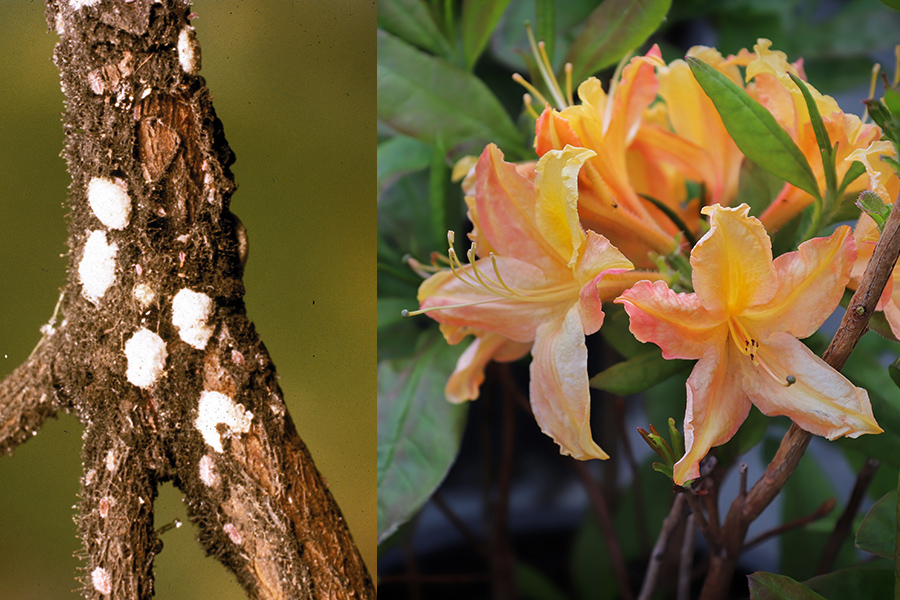
C 1260
Azalea Bark Scale
Azalea bark scale poses a serious threat to azaleas, rhododendron, and Pieris (Andromedas) in Georgia. It is a soft scale insect; the nymph and female soft scales secrete a protective coating of waxy crust on their body that cannot be separated from the scale insect. This scale also is found on blueberry, hawthorn, huckleberry, poplar, and willow. Symptoms of ABS infestation include dropping yellow leaves and dying branches. An azalea bark scale infestation rarely kills the plant unless it is extremely severe and uncontrolled.
|
-

C 1081
New Native Little Bluestems
Little Bluestem is a drought-tolerant, low-maintenance native plant. This ornamental warm-season perennial grass tolerates a wide range of soil conditions and is easily grown. Its purplish bronze blooms and vertical clusters of slender leaves make it a lovely addition to any landscape. It is cold hardy in Georgia, although it may suffer moderate damage in cold winters in the North Georgia mountains.
|
-
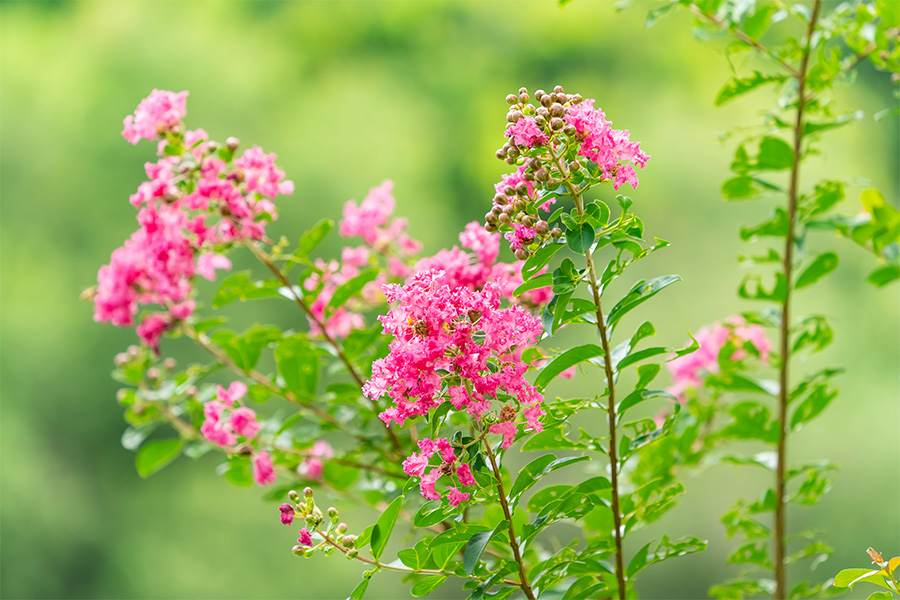
C 944
Crape Myrtle Culture
Crape myrtle is one of the most useful flowering shrubs/trees grown in Georgia. It provides abundant summer color with a minimum of maintenance.
|
-

Research has shown that if you properly select, install, and maintain ornamental plants, you greatly increase their survival and performance in the landscape. Following best management practices will not only conserve moisture in the landscape but also assure overall health and vigor of the ornamental plants.
|
-

Research has shown that a landscape that has been carefully planned and installed and properly managed will be healthier, less prone to insects and diseases, and will require less irrigation. Georgia’s landscape and turf industry and UGA Cooperative Extension are urging citizens to implement inexpensive and easy-to-perform landscape management practices that decrease the need for irrigation and/or lead to greater efficiency of irrigation when it is needed. This publication provides tips about planning, planting and maintaining the landscape to save water.
|
-

Annuals are the mainstay color plant of many home gardens. They are also used in increasingly large numbers in commercial and municipal landscapes because they provide landscape color in a very short time with minimal investment. Properly cared for, many annuals will brighten the landscape continuously from spring until frost kills them in the fall.
|