Landscaping Resources
-

Hort Scape streamlines the bidding process once the user builds a coded database of plants, including common and botanical names, plant sizes, plant costs, and per plant installation costs. Then, using the bid estimator, the user inputs the plant codes and quantities for the plants used on a particularly job, and the associated information on each plant is brought over from the database to the estimator. Other sections of the estimator calculate costs of bed amendments, fertilizers, turfgrass installation, grading, watering, edging, pre-kill with herbicides, plant removal, and clean-up. All these costs are then transferred to a bid summary sheet which shows labor, material and equipment cost for each task performed. The bid summary shows direct job costs, bid price, break-even price, profit on the job and overhead recovery. For more information, see https://www.hort.uga.edu/extension/programs/hortmanage.html
|
-
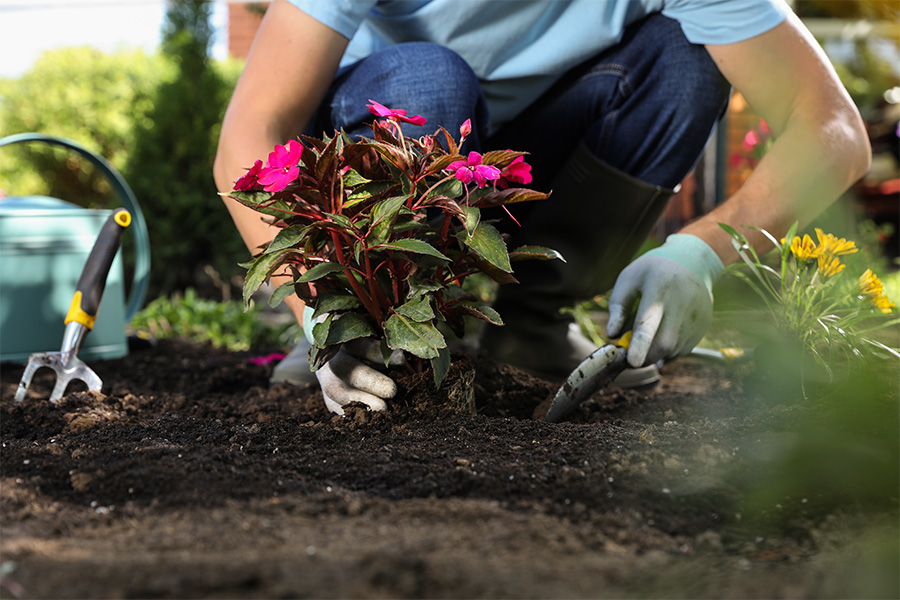
Proper planting is essential for healthy, vigorous growth of ornamental plants in the landscape. It assures rapid plant establishment by providing a favorable environment for the developing root system. This resource offers step-by-step guidelines that will help you achieve planting success.
|
-
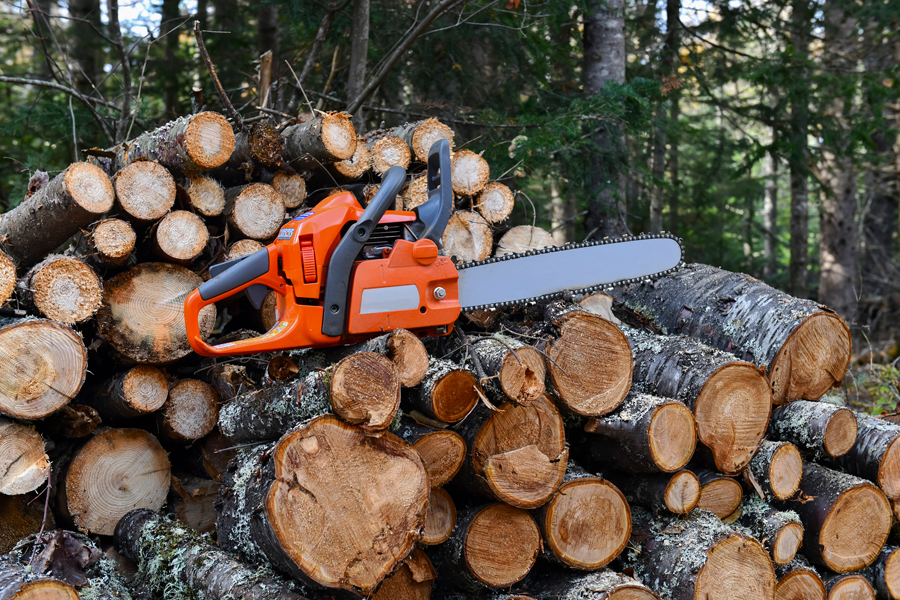
C 1208
Chainsaw Chains and Bars
The action end of a chainsaw, or the part that cuts, is made of the bar and the chain. Chainsaw chains come in many sizes and configurations and not all saws can handle all bars. To make the right choices for the job, a saw operator should be aware of the cutter type, pitch, gauge, and cutter configuration when purchasing a chain or a chainsaw.
|
-
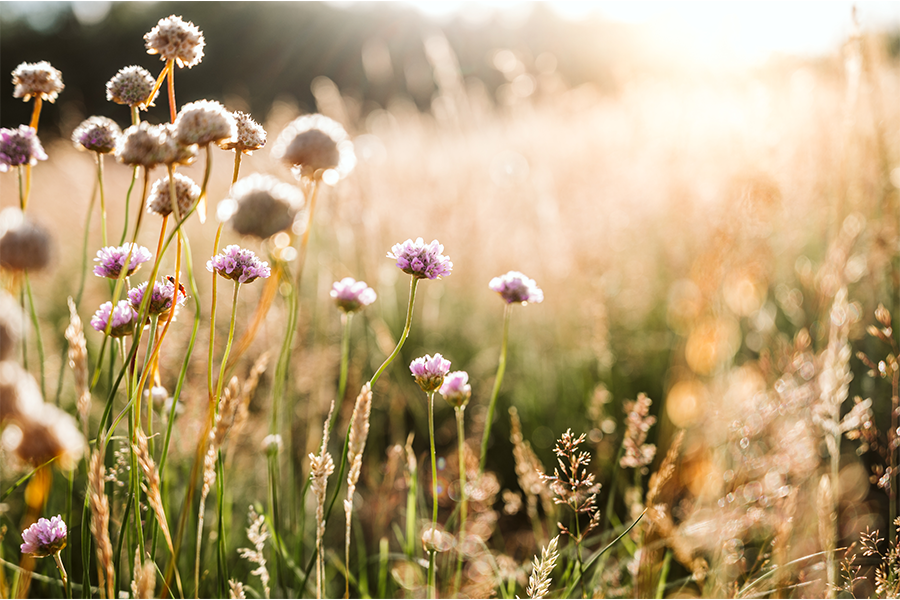
This publication is a comprehensive guide to growing and identifying native wildflowers suitable for planting in Georgia. The term “wildflower” in this publication is a general term used to define both annual and perennial native herbaceous plants with showy flowers that have evolved with an ecosystem and grow naturally without either direct or indirect human intervention.
NOTE: This publication is large and may take several minutes to load.
|
-

This publication focuses on native trees, shrubs and woody vines for Georgia. It is not our intent to describe all native species — just those available in the nursery trade and those that the authors feel have potential for nursery production and landscape use. Rare or endangered species are not described. Information on each plant is provided according to the following categories: Common Name(s)/Botanical Name/Family, Characteristics, Landscape Uses, Size, Zones and Habitat.
|
-
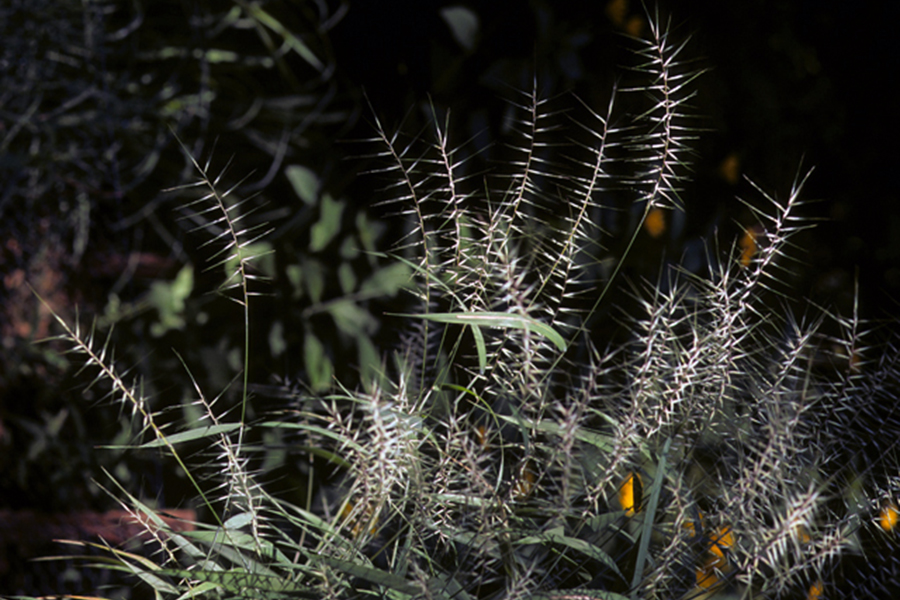
This publication describes and illustrates 48 grasses and 10 sedges native to Georgia. It is not the intent of the authors to describe all native grasses and sedges, but those that are most widespread or those having practical application for wildlife habitats, erosion control, restoration projects or landscape culture. A few of the plants are noted as being weedy or invasive and may not be appropriate for use in cultivated landscapes. Nonetheless, they are included to assist the reader in identifying them because they are abundant in the wild.
|
-
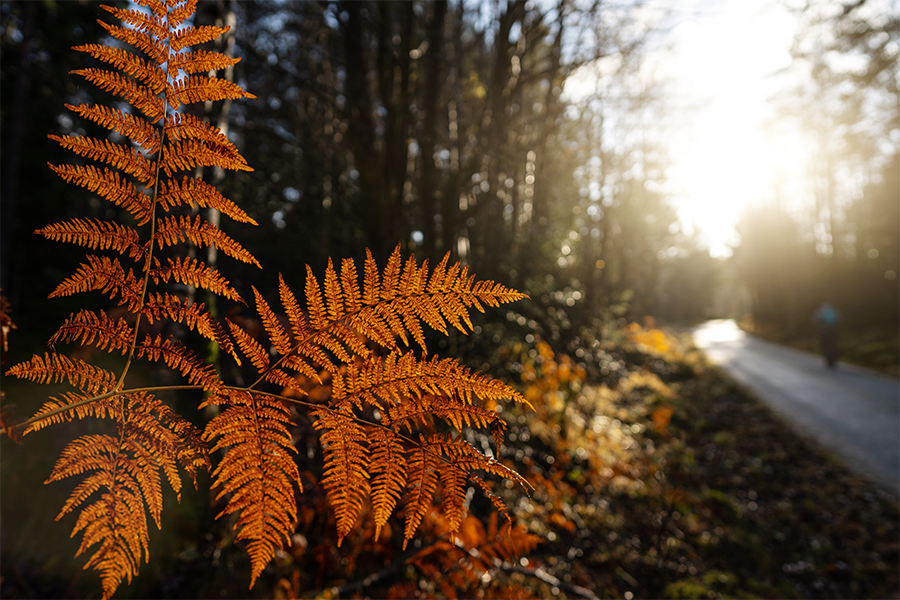
There are about 12,000 species of ferns in the world today. Most are found in the tropics. Currently, Georgia is home to 36 genera, 119 species and 12 hybrid ferns. The list is constantly expanding as new plants are found. To grow ferns successfully, it is important to match the site characteristics and growing environment with the native requirements of the fern species you intend to grow. Even if a fern is native to Georgia, it may not be native to the area of the state where you live.
|
-

Irrigation systems are used by farmers and homeowners to supply supplemental water to their crops. At the end of the growing season, the irrigation system should be checked and winterized to maintain proper operation for the coming season. This resource provides a list of suggested things that should by done on both drip and center pivot systems to help protect them during the winter months.
|
-
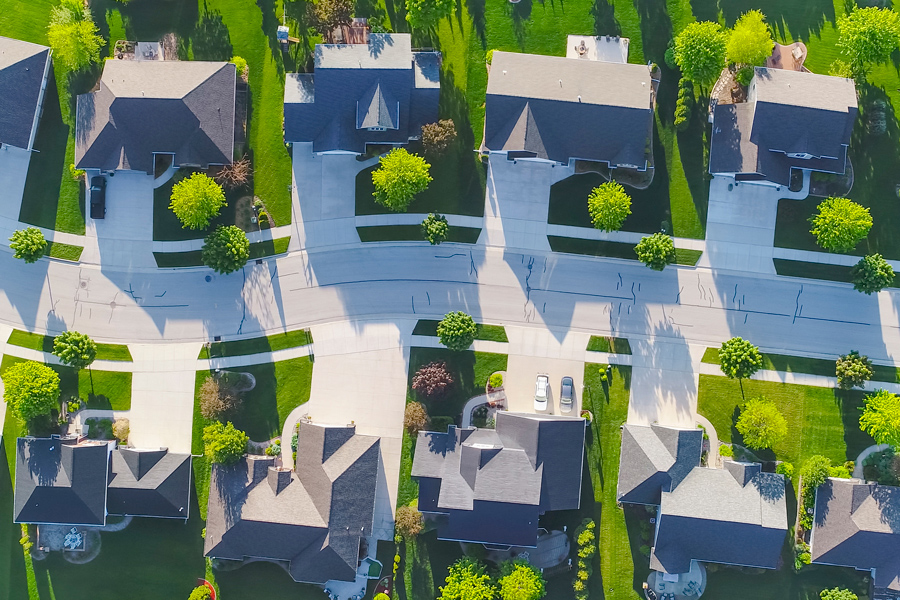
Homeowner associations strive to provide attractive and functional landscapes for HOA members. Your county Cooperative Extension agent is a valuable collaborator in this quest. UGA Extension agents can provide access to university resources and scientific information that may help you manage the community water features, troubleshoot pest problems, update covenants, and more.
|