Landscaping Resources
-

AP 130-1-12
Green Industry 2023
1. 2022 was a good year for many green industry firms, with many firms
seeing increased profits.
2. There are many unknowns going into 2023 that will impact green
industry sales, including higher inflation and interest rates, mixed signals
within the economy, and the impact of varying strength of the housing
market in Georgia.
3. Green industry sales in Georgia are projected to be similar to 2022 levels.|
-

We can positively affect pollinator populations in our region by providing plants that help sustain them. Pollinators face the increasing challenges of habitat loss, parasite and disease pressure, and the unintended consequences of pesticide misuse. Bee forage plants can bloom season-long with careful plant selection appropriate to the region. A combination of herbaceous perennial and annual plants, trees, and shrubs can provide valuable resources to bees and other pollinators. Even grasses can be used by bees as a pollen source, while crape myrtles can provide a later season resource for pollinators. Anyone—from individual home gardeners to commercial and agricultural property managers—can promote pollinator health by selecting and planting appropriate plants. This guide provides options for selecting flowering woody plants that are attractive to bees and butterflies and sometimes have additional wildlife benefits.
|
-
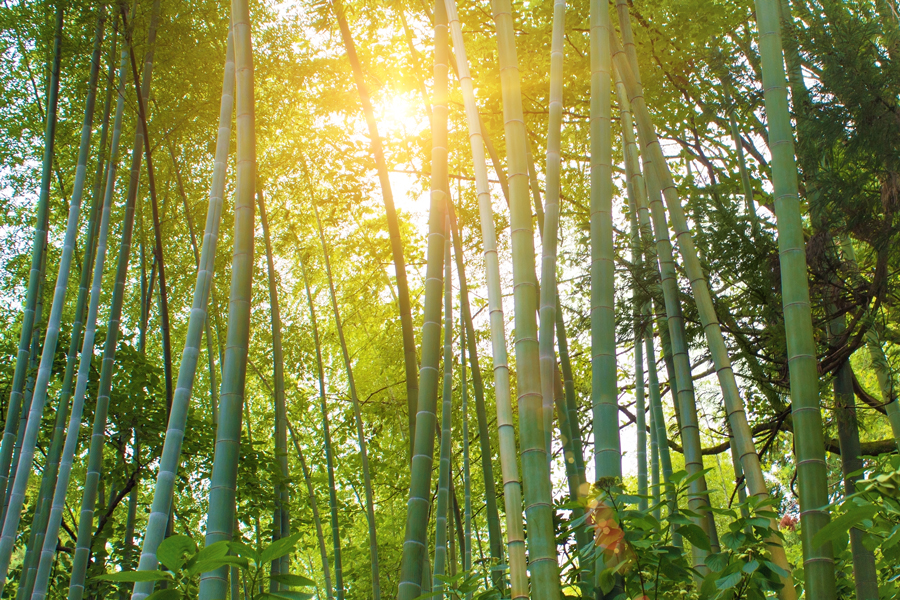
B 1357
Growing Bamboo in Georgia
This resource provides a simple, user-friendly guide on growing bamboo in Georgia, a state that has a wide variety of soils and temperate zones.
|
-

B 737
Growing Ferns
This publication discusses everything you need to know about ferns: life span, growing, watering, potting, needs, and varieties.
|
-
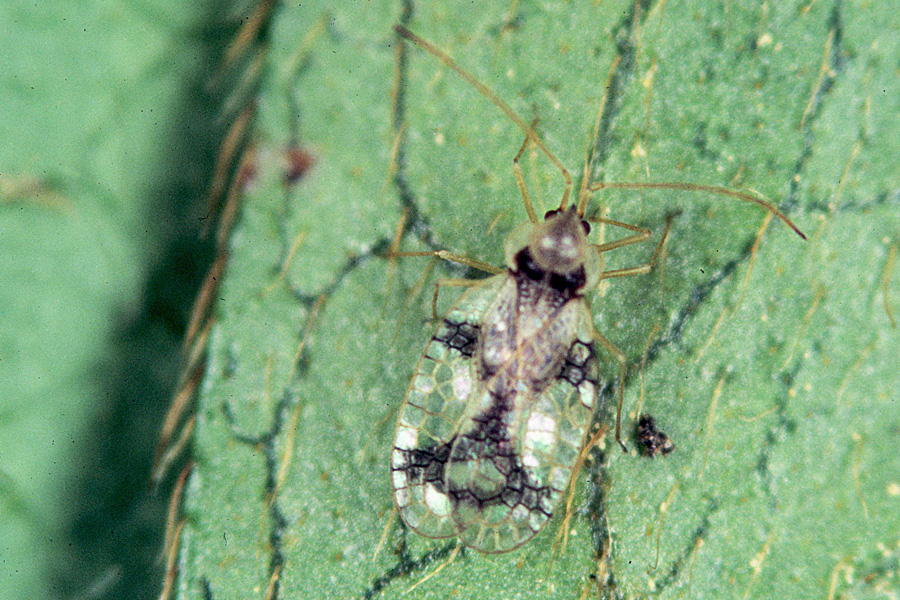
Many species of insects or mites attack Georgia landscape plants. Homeowners have difficulty controlling these pests because they often are not aware of the problem until both the infestation and the damage are extensive, or they may apply insecticides improperly or at the wrong time. Brief descriptions of major groups of pests (or the damage they cause) found on Georgia landscape plants are provided to assist with identification. Control strategies for these pests are presented in Table 1.
|
-
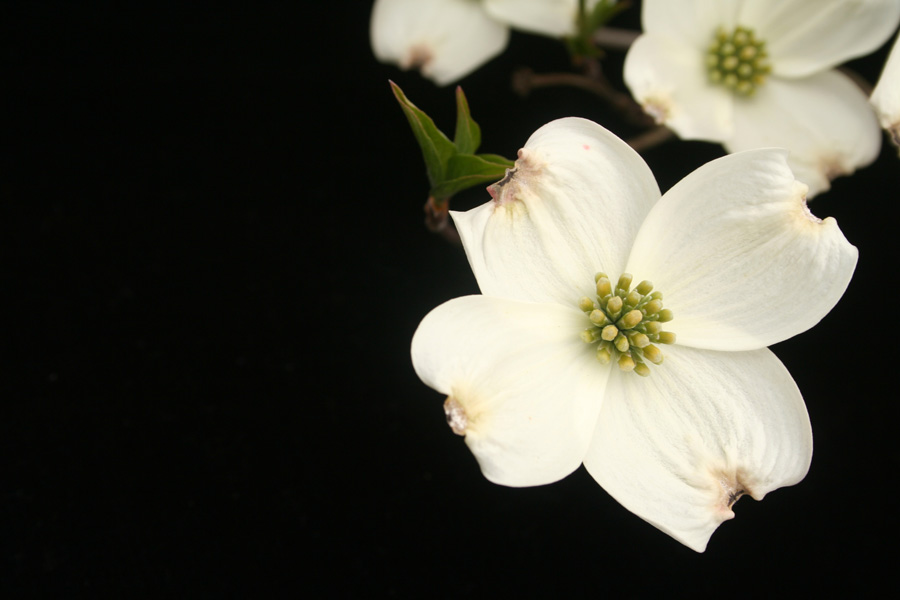
C 900
Growing Dogwoods
One of the most widely planted ornamental trees in Georgia is the flowering dogwood. Dogwoods are not difficult to grow if they are located in the proper site and if healthy trees are purchased and planted properly.
|
-
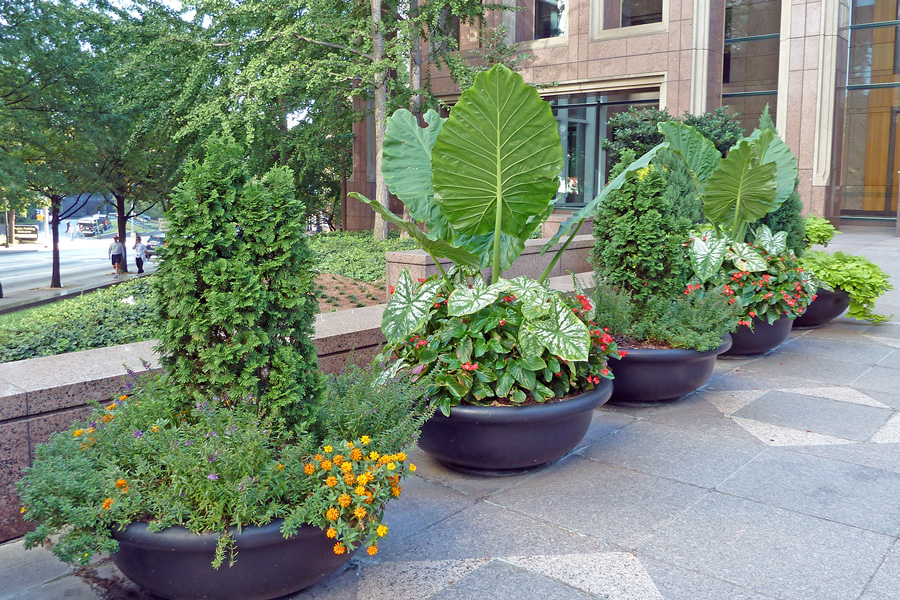
This publication offers information on types of plants suitable for mixed containers, with an emphasis on perennial and woody species and cultivars, as well as aesthetic qualities, cultural conditions and placement within the container.
|
-
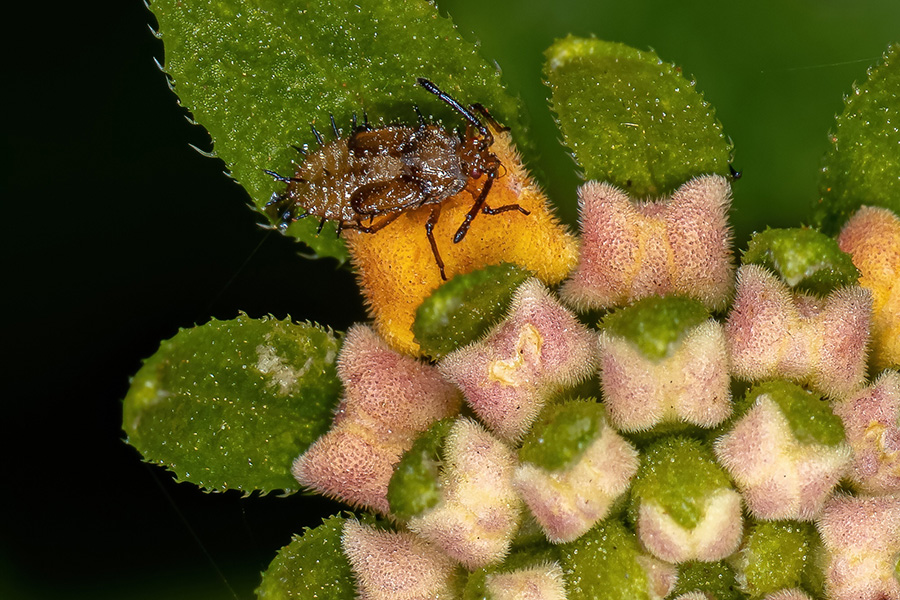
The lantana lace bug is a serious pest of lantana. Although lantana is regarded as an invasive weed both in the United States and worldwide, many popular cultivars continue to be planted in residential and public ornamental landscapes and gardens. Previously, the lantana lace bug was deliberately introduced to several countries as a biological control agent for lantana. This resource covers the identification, biology, symptoms, and management of lantana lace bugs.
|
-
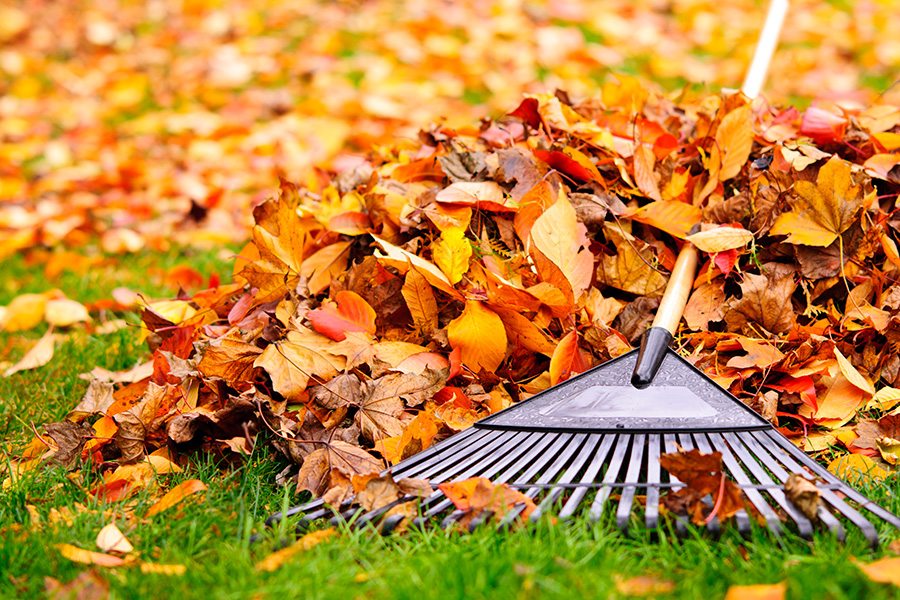
This publication is an annually-updated guide to fall gardening information and resources for Georgia. Topics include planting tall fescue lawns, soil bag flower beds, planting pansies like the pros, planting collards, turnips and cabbage, planting a home fruit orchard, mulching with leaves, gardening chores, cleaning and storing garden tools, treating for fire ants, and additional resources.
|