Lawn and Garden Resources
-
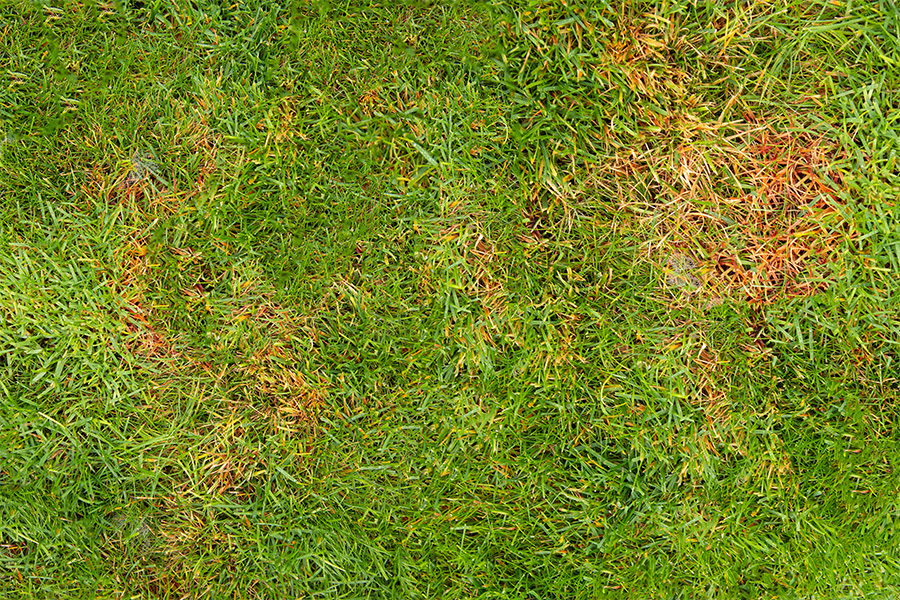
Esta publicación es una guía completa para la identificación y control de enfermedades de los céspedes en Georgia. Enfermedades incluyen: mancha “dólar”; anillos de hada; pudrición radicular “toma-todo”; Mancha parda/Mancha larga por Rhizoctonia Royas; Mancha foliar o decaimiento por Curvularia; quemazón o mancha foliar gris; antracnosis; hongos gelatinosos; y pudrición radicular por Pythium/quemazón por Pythium. La publicación también incluye una guía sistemática para el diagnóstico de enfermedades de céspedes; un clave simplificada para la identificación de enfermedades de céspedes; y el calendario de enfermedades de céspedes en Georgia.
|
-
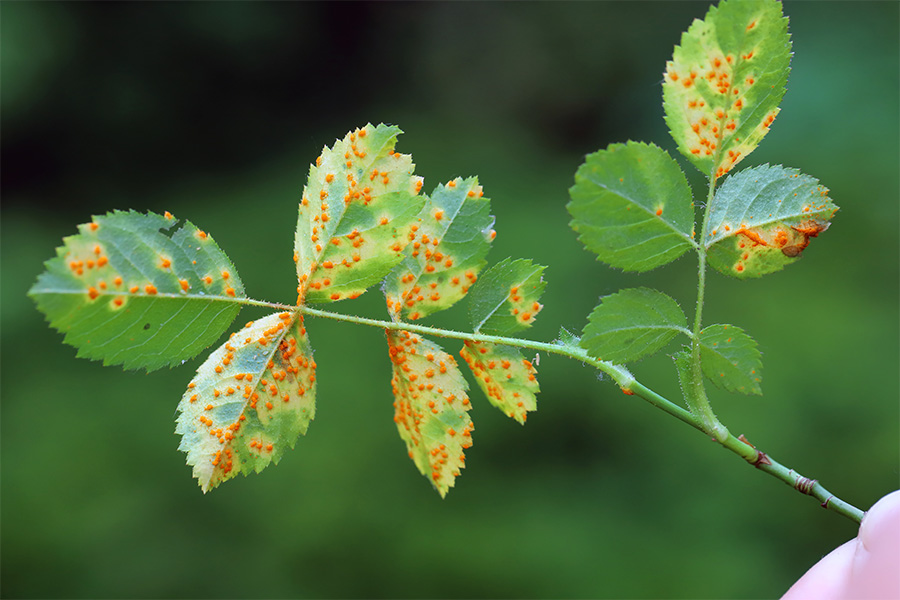
Esta publicación describe algunas de las enfermedades más problemáticas en las plantas de ornato más usadas en el jardín. El material presentado aquí le ayudará a identificar estas enfermedades y encontrará las recomendaciones para su tratamiento. El conocimiento de estas enfermedades permitirá a los jardineros profesionales y amateurs a combatir estas enfermedades y tener plantas saludables y bellas.
|
-
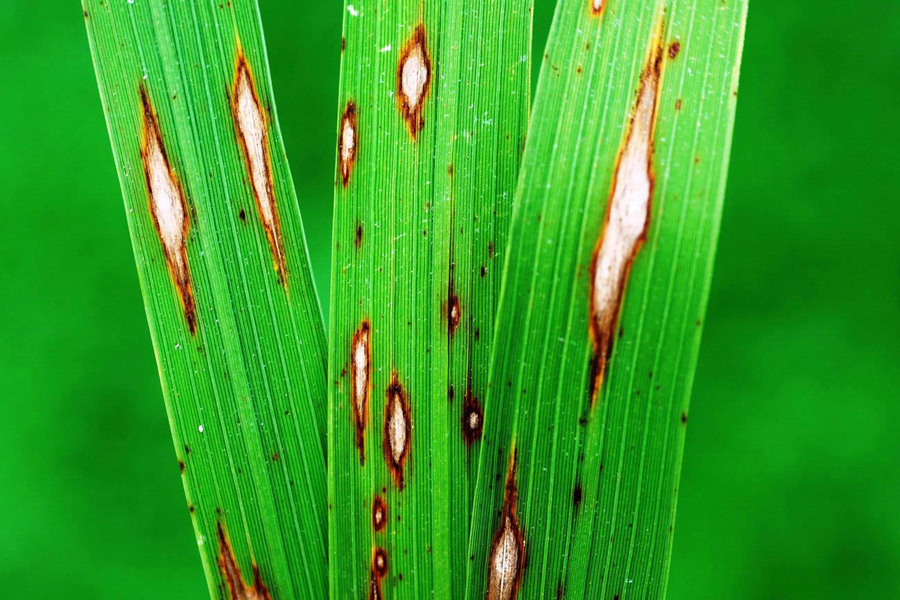
En el estado de Georgia, la mancha gris afecta primordialmente al césped San Agustín y es particularmente dañino y muy prevalente en áreas costeras del estado. En fescue alto aparece en forma esporádica y se observa anualmente en la región norte del estado (zona del Piedmont). Afectando céspedes estresados por el calor. En la región sur y central de Georgia, la mancha gris es más activa en junio a agosto, sin embargo, en las primaveras que son cálidas, la enfermedad puede presentarse temprano en el año.
|
-
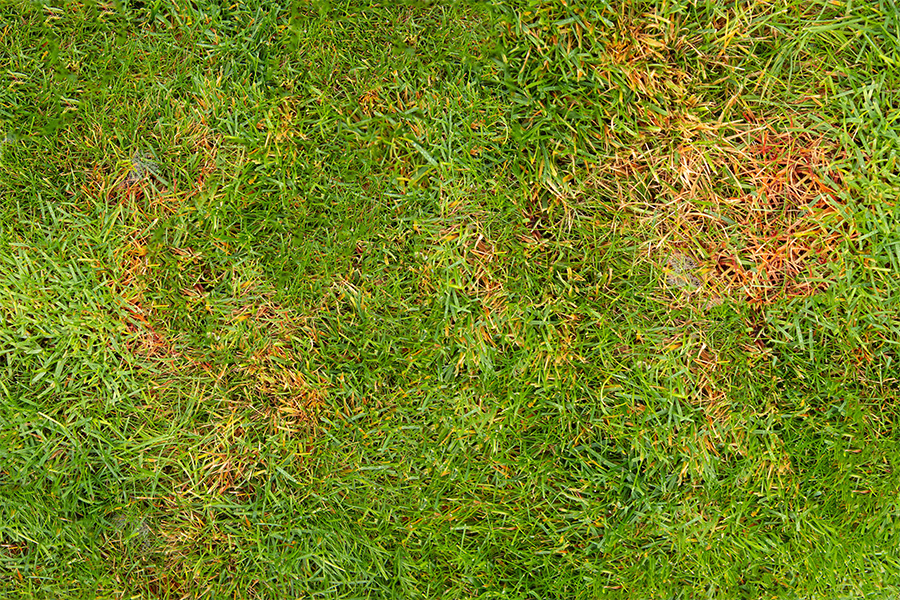
This publication is a comprehensive guide to identifying and controlling turfgrass diseases in Georgia.
|
-
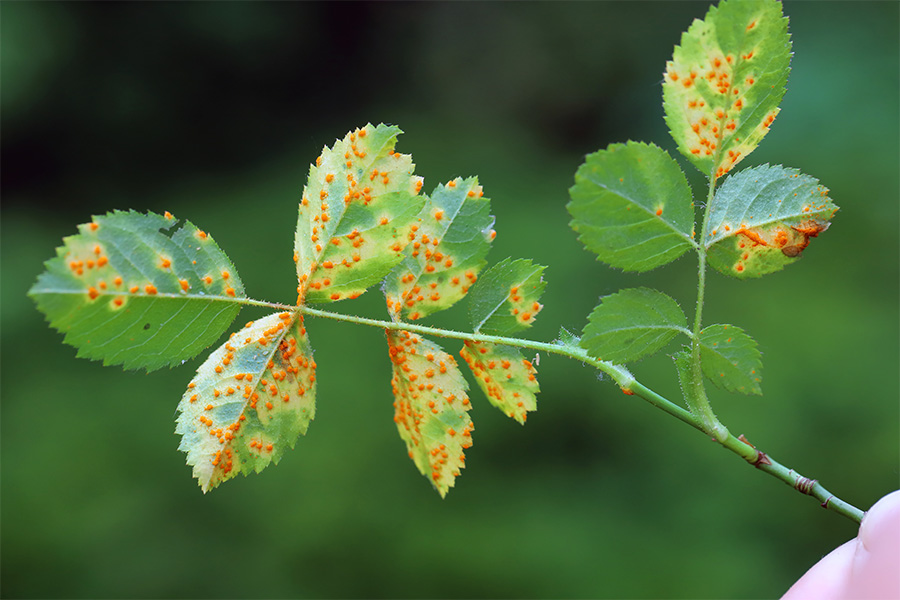
This publication describes some of the most troublesome diseases of Georgia’s landscape plants to help readers identify and treat these diseases. This resource is useful for professional and amateur growers alike to better fight plant diseases and produce healthy plants.
|
-
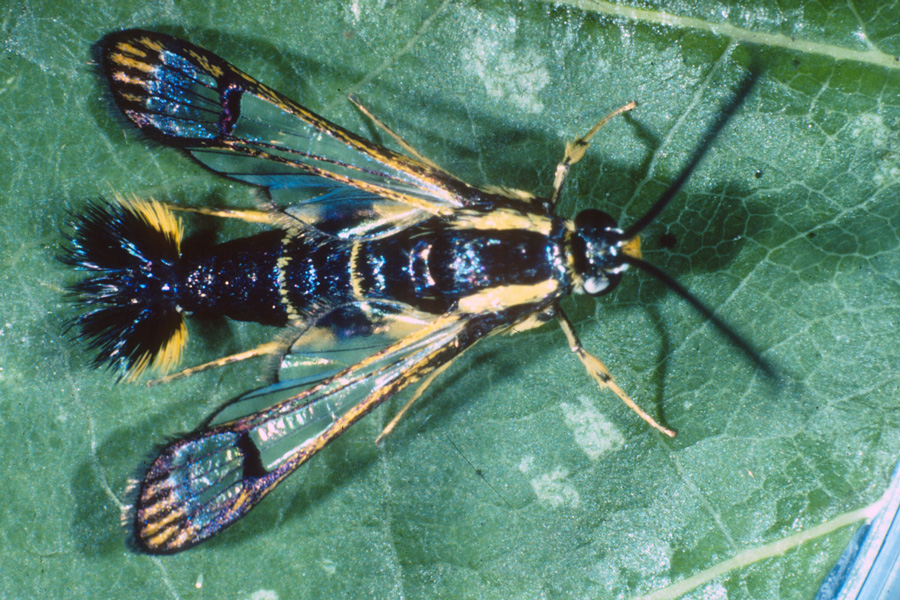
C 1316
Dogwood Borer
The dogwood borer can be a destructive pest of many ornamental trees in nurseries and landscapes. The dogwood borer also attacks fruit and nut trees in landscapes and commercial orchards. It is native to North America and is common in eastern Canada and the United States. It is present throughout Georgia.
|
-
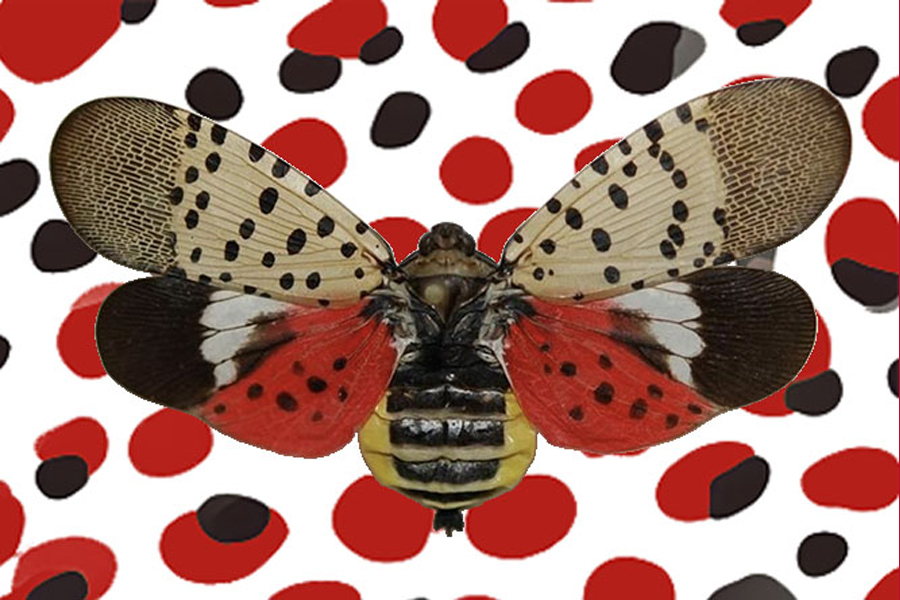
The spotted lanternfly is an invasive planthopper that can feed on a wide range of trees in the United States. The potential economic and environmental impact of spotted lanternflies is alarming, and threatens not only the livelihoods of many but also the biodiversity and beauty of our landscapes.
|
-

This publication lists vegetable variety recommendations for the state of Georgia. Most of these varieties have been trialed and grown successfully in the state. These are not the only varieties that can grow well in Georgia but provide new gardeners with a starting point to increase their chances of success. Gardeners may need to search print catalogs and online to find the vegetables they are looking for, as local garden centers may not always carry the varieties listed here.
|
-
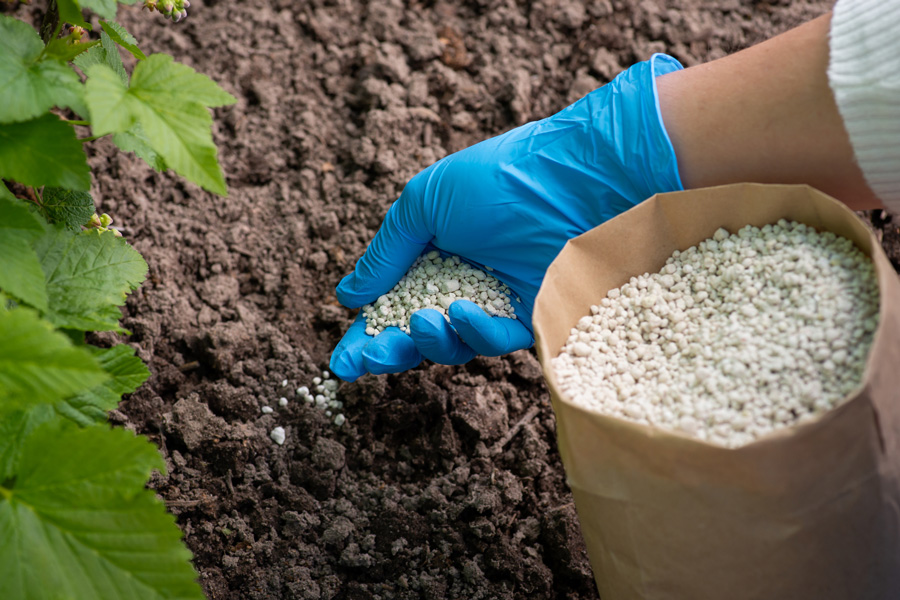
Use this publication to calculate planting densities, fertilizer application rates, sprayer calibration, and soil amendment applications using unit conversions. We demonstrate the “raw math” behind common calculations to provide you with the tools for solving any equation using simple addition, subtraction, multiplication, and division. No longer will you be dependent on having production guides, fertilizer charts, planter manuals, and spray nozzle catalogs to tell you what to do.
|