Lawn and Garden Resources
-
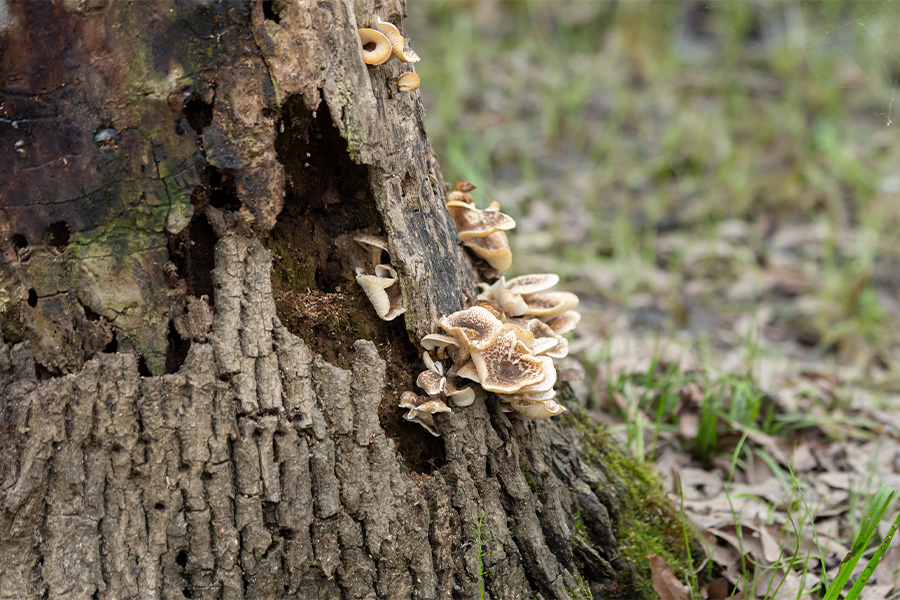
C 1100
Is My Tree Dying?
This publication outlines a tree inspection process that will help the homeowner identity potential problems and more effectively discuss the tree’s condition with an Extension agent or certified arborist. The inspection begins at the base of the tree and moves to the canopy, highlighting potential tree health problems.
|
-
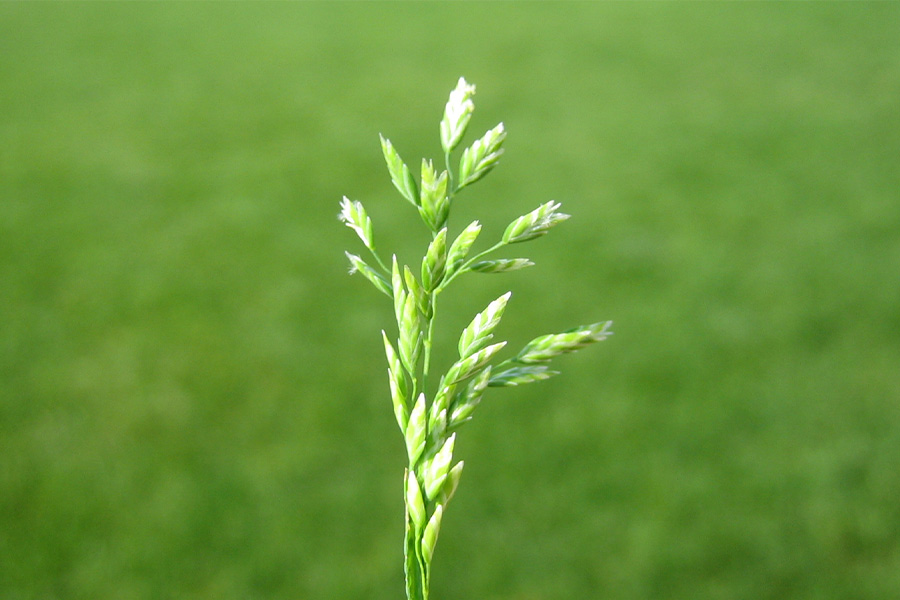
Annual bluegrass is the most problematic winter weed of lawns in Georgia. Plants have a light green color, coarse leaf texture, and produce unsightly seedheads. Annual bluegrass germinates in fall, overwinters in a vegetative state, and resumes active growth in spring. Annual bluegrass typically dies out by May in Georgia, but cool temperatures in spring and regular irrigation may extend survival of populations into early summer. This resource covers annual bluegrass identification, establishment, and cultural control for lawns. The development, detection, and control of herbicide-resistant annual bluegrass is also discussed.
|
-
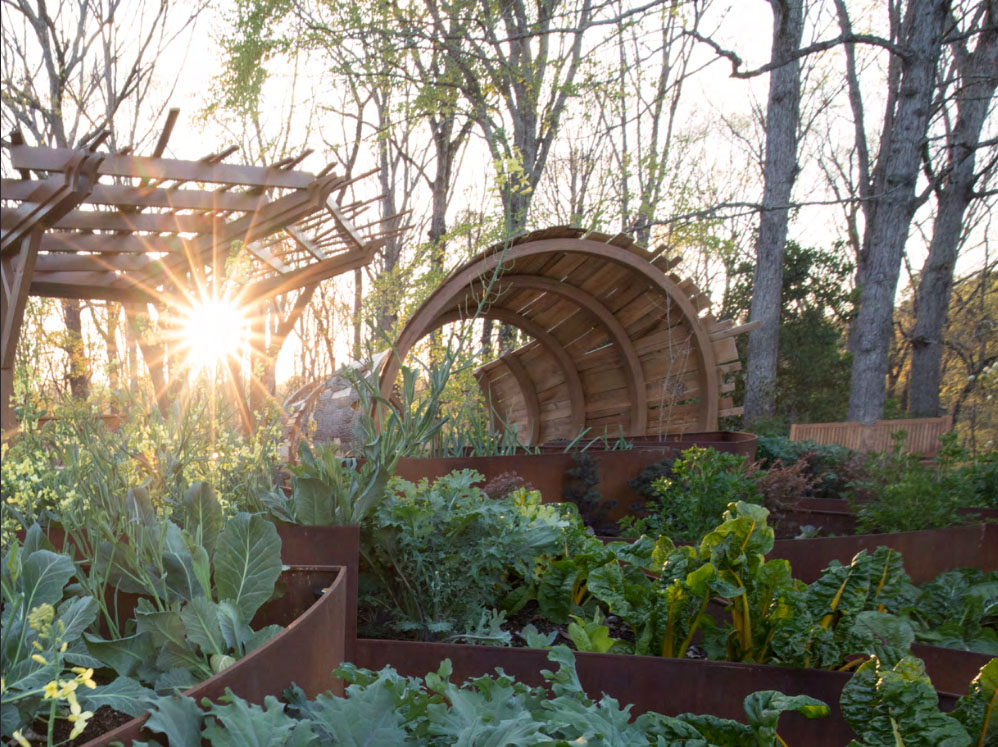
Summer management of the school garden can be a challenge for educators and school gardeners. This resource presents several possible strategies for handling the garden so that teachers and administrations come back to school in the fall with a garden ready for use.
|
-
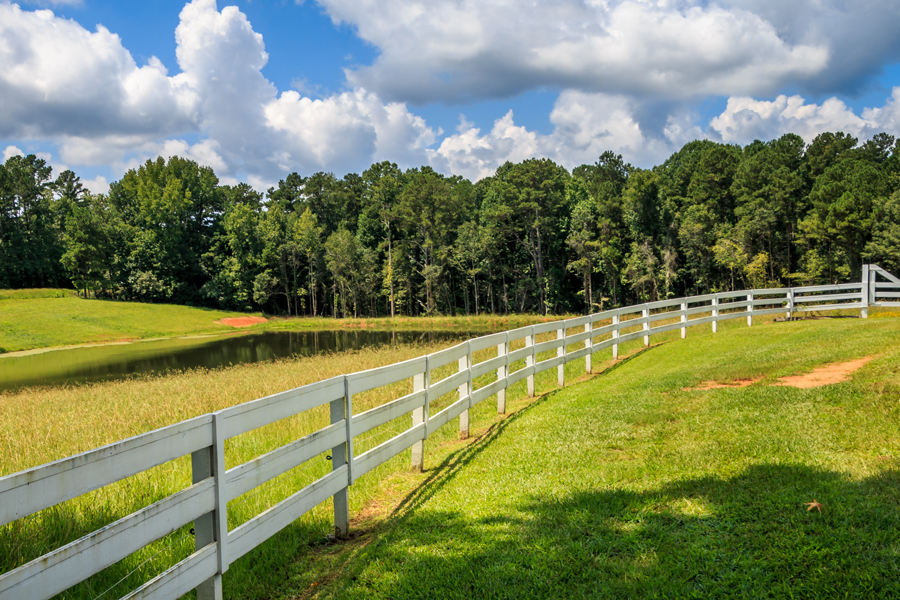
C 774
Fences for the Farm
Fences may be used to protect or divide property, to improve its appearance, to confine animals, or to exclude animals. This publication covers the planning for, type of, materials for, and maintenance of permanent and temporary fences.
|
-
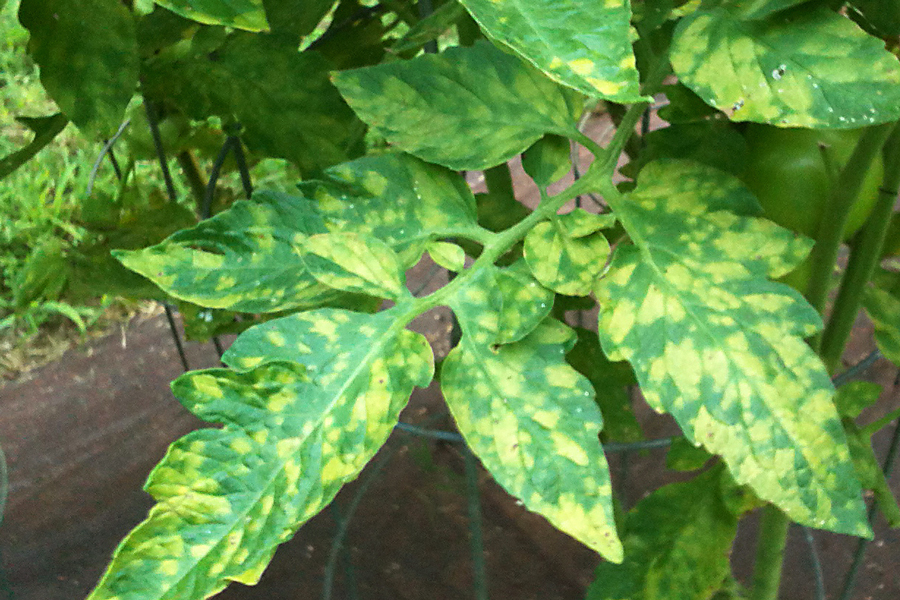
This publication contains information about common tomato diseases in Georgia. It includes photographs and descriptions of diseases such as buckeye rot and fusarium wilt.
|
-
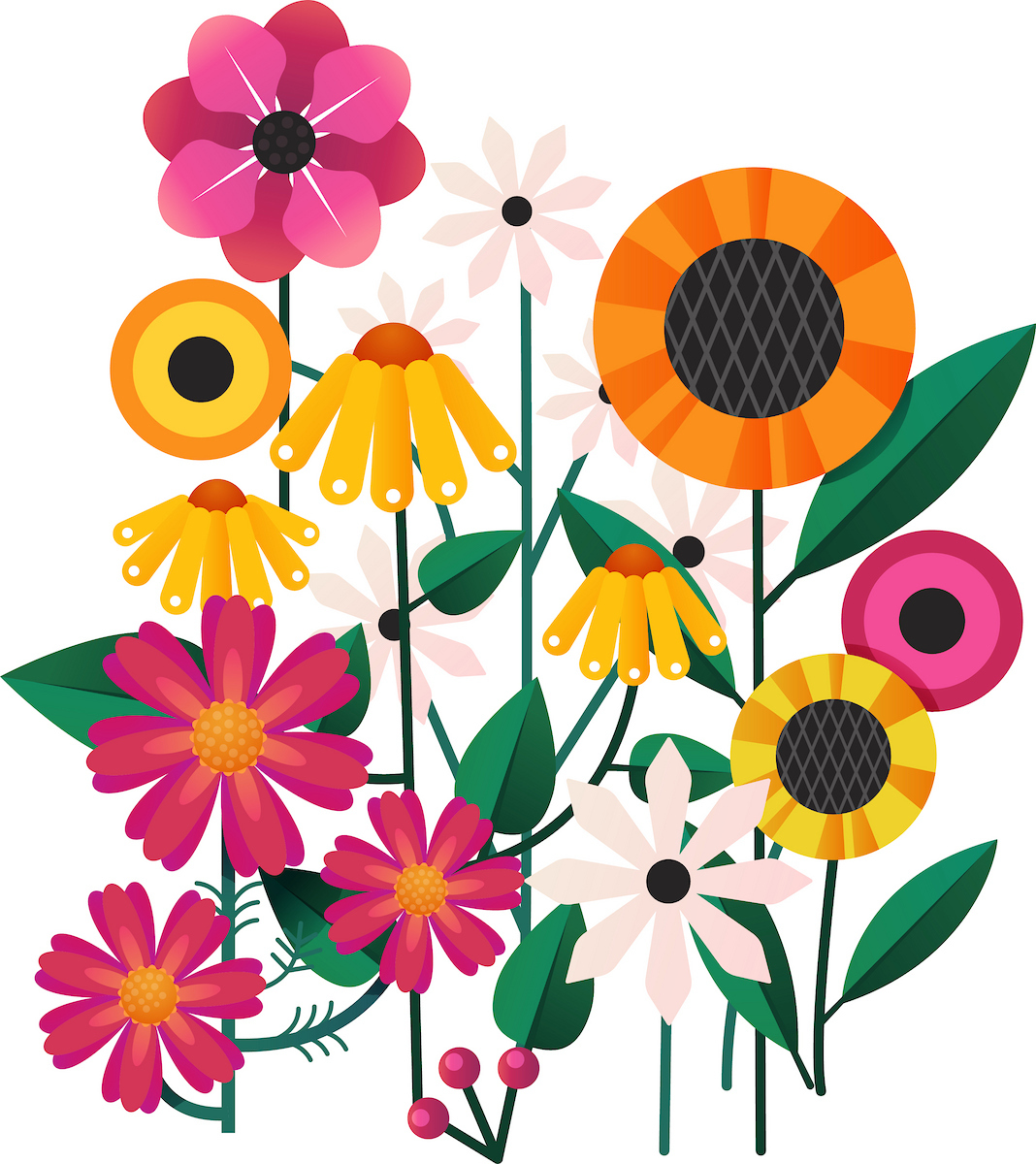
Wildflowers not only beautify the landscape but also provide food and shelter for myriad insects, birds, and mammals. Georgia is rich in endemic (belonging in a particular area or environment) species which grow in a wide variety of habitats, from coastal dunes and pine sandhills to savannas, meadows, and forests. Although many species are primarily seen in undisturbed natural habitats, others have adapted to human-created landscapes, such as roadsides and farms, and are frequently seen on road banks and edge habitats. This publication is intended as a visual guide to common herbaceous plants encountered mainly in sunny areas in South Georgia. Although by no means inclusive or extensive, the list contains plants that are easy to recognize and valuable for wildlife.
|
-

With the passing of the Clean Water Act and subsequent creation of the U.S. Environmental Protection Agency (EPA) in the early 1970s, industrial, institutional, and commercial entities have been required to continually improve the quality of their process wastewater effluent discharges. The determination of wastewater quality set forth in environmental permits has been established in a series of laboratory tests focused on four major categories: 1. Organics, 2. Solids, 3. Nutrients, 4. Physical Properties. For most people, it’s not necessary to possess a complete understanding of the standard methods required to accurately complete critical wastewater analytical tests. However, a fundamental understanding of the theory behind and working knowledge of the basic procedures used for each test, and the answers to commonly asked questions about each test, can be a valuable tool for anyone involved in generating, monitoring, treating, or discharging process wastewater. This publication is designed to provide a solid working knowledge of one of the major wastewater analytical test categories: 2. Solids.
|
-
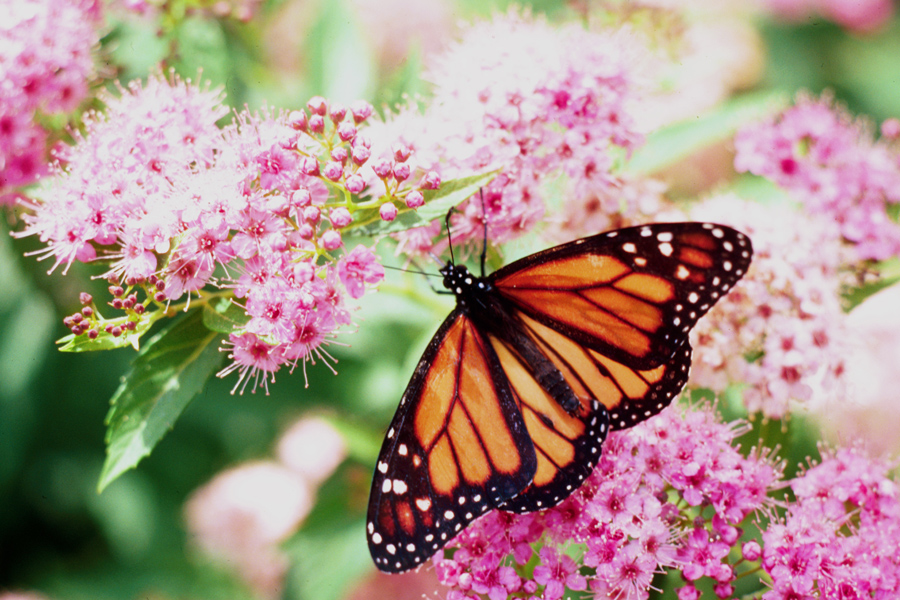
Monarch butterflies travel on air currents and cross more than 3000 miles in the winter to reach their overwintering sites in Mexico. The loss of this habitat, combined with diseases, pesticide use, and loss of larval hosts (i.e., milkweed), are causing a decline in Monarch populations. The larvae need milkweed to develop, and the adults need nectar for migration and survival day-to-day, so more nectar sources and milkweed plants are needed to sustain their migration patterns. This resource can help you select flowering plants and milkweeds that can help conserve the migrating monarchs, especially when planted along farm-reserved lands and urban gardens.
|
-
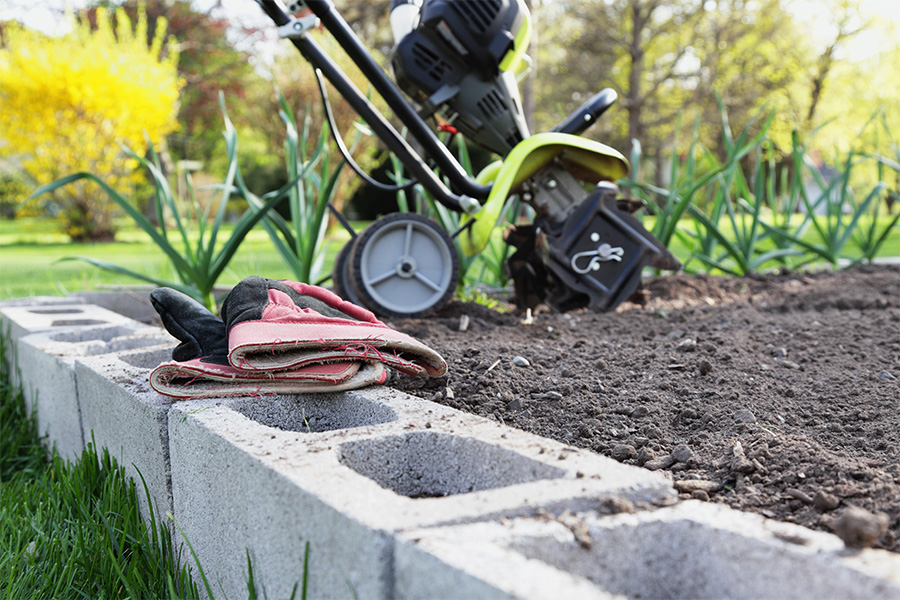
Most gardeners realize that they must manipulate the soil in their garden to successfully grow vegetables. Whether by hand, with a shovel, or a mechanical piece of equipment, tilling is an important practice for reducing compaction and mixing organic amendments into the soil. While smaller gardens and most raised beds can be turned with hand tools, larger gardens may require more sizable equipment. One of the home gardener’s most useful tools is a mechanical tiller.
|