Lawn and Garden Resources
-
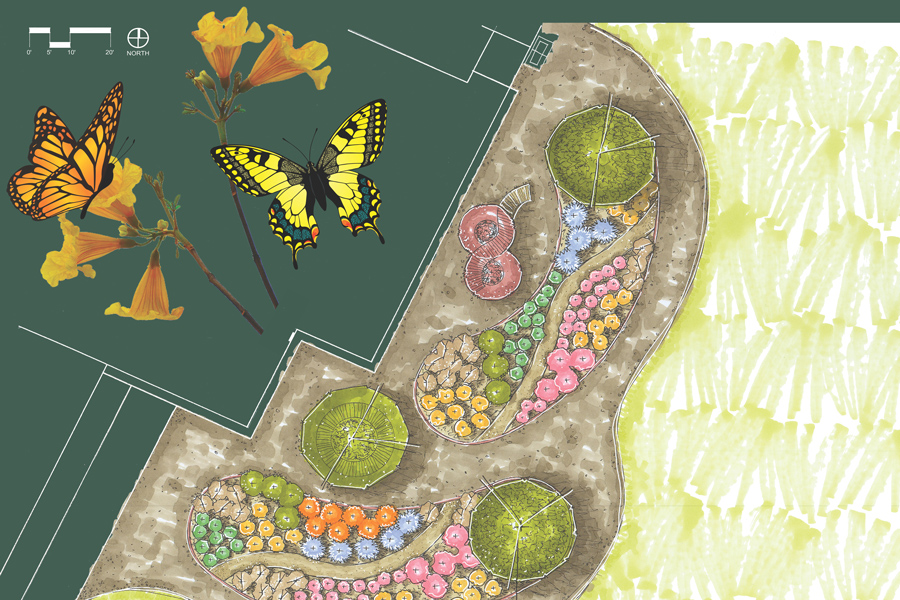
The lead author of this publication is Katherine Melcher, College of Environment and Design. The UGA Extension contact for the publication’s content is Becky Griffin. These appendices provide information about plants that grow well in Georgia’s Piedmont Ecoregion, as well as to-scale plant symbol and plant ID card templates for use in creating design plans.
|
-
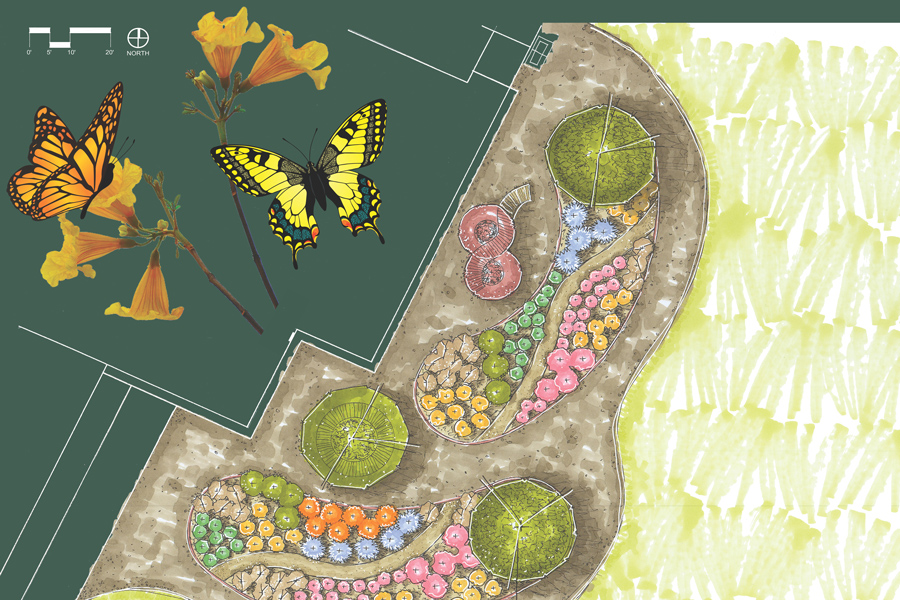
The lead author of this publication is Katherine Melcher, College of Environment and Design. The UGA Extension contact for the publication’s content is Becky Griffin. Providing opportunities for youth to design their environment can increase their connection to everyday nature and increase their sense of empowerment. By combining ecology and design, garden design can also be a central piece in STEAM (science, technology, engineering, art, and math) education. This activity guide contains five chapters that explain the purpose of pollinator gardens, the design process, and the basic steps used to create a planting plan. The chapters are supplemented with activities to guide youth and other beginning designers through the process of creating a pollinator garden.
|
-
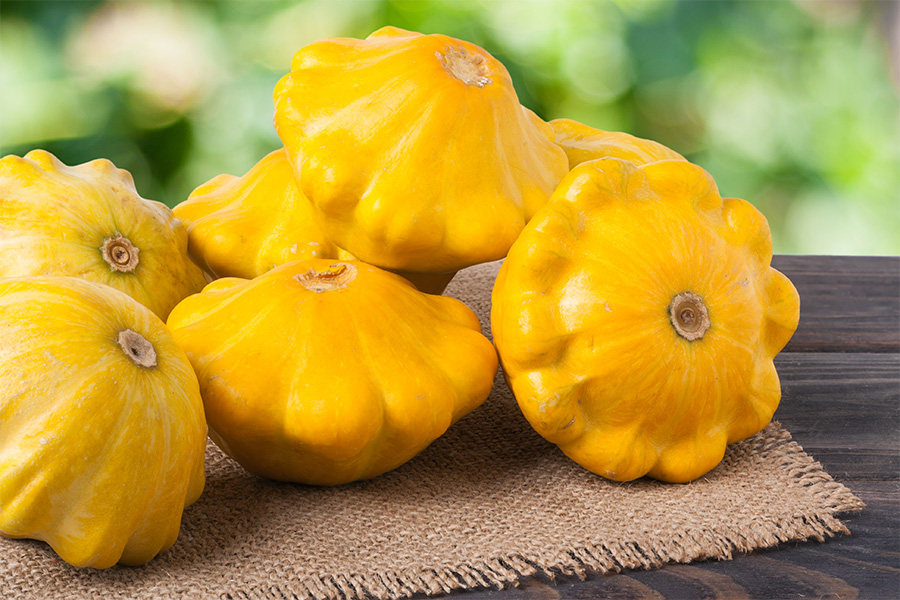
Summer squash is one of the most popular warm season vegetables grown in home gardens. Unfortunately, the levels of insect attacks on summer squash have risen dramatically over the last 10 years. Safe and effective controls are needed to help produce this important crop with all of the pressures of insect pests. This publication will discuss both organic and non-organic solutions for homeowners to try in their home garden, including the use of barriers, trap crops and chemical controls.
|
-
C 1179
Fertilizing the Home Garden
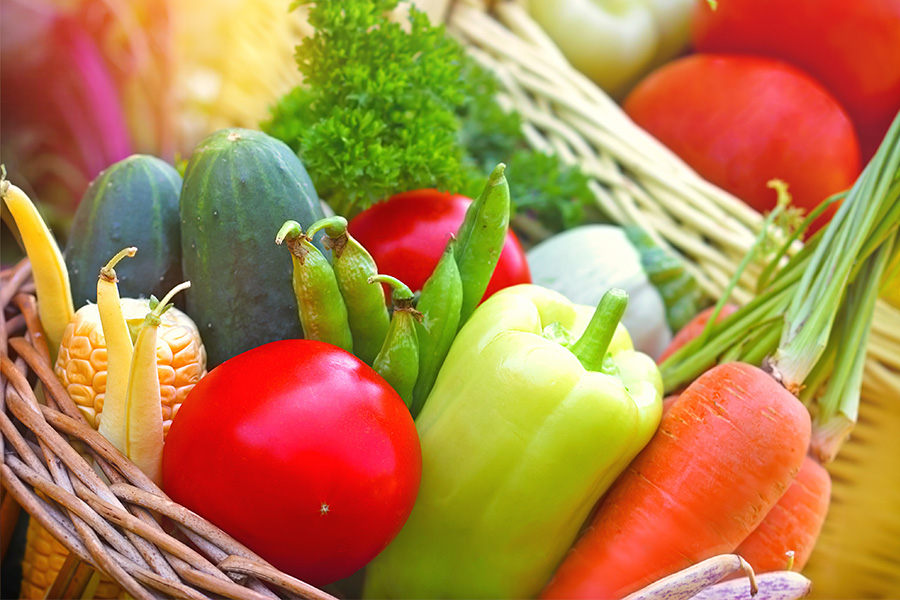
This publication covers the basics of how to correctly fertilize the home vegetable garden. It discusses the differences between organic and synthetic fertilizers and the advantages and disadvantages of both. The circular also includes information about the importance of soil testing along with detailed instructions for fertilizing a new garden as well as more established vegetables.
|
-
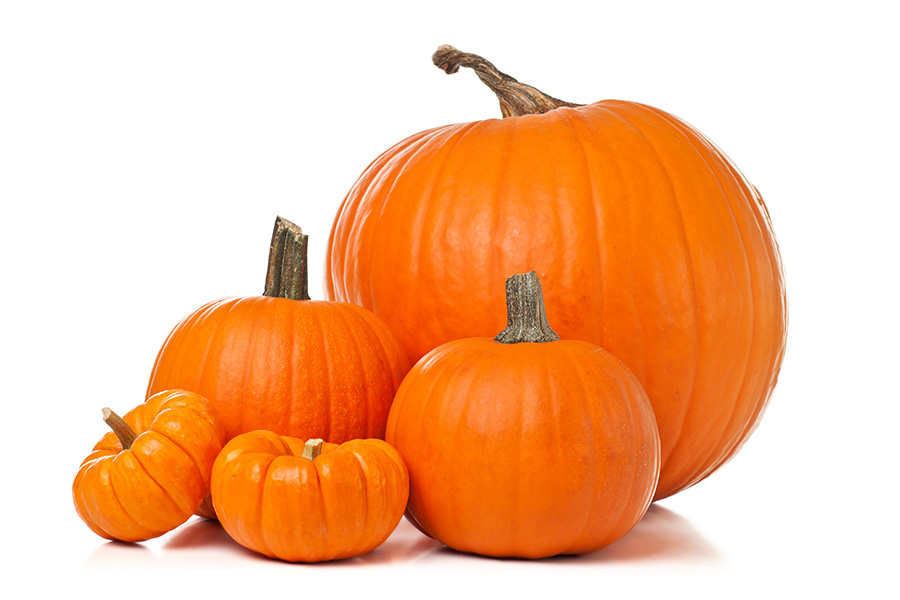
C 1206
Homegrown Pumpkins
While pumpkins are edible and grown for both their flesh and seeds, they are more commonly used as fall decorations. This member of the cucurbit family can be found in a variety of shapes, sizes, and colors. While pumpkins are not very difficult to grow, they do require a substantial amount of space for their sprawling vines. Selecting the right cultivar and following good cultural practices are key to successfully growing pumpkins.
|
-
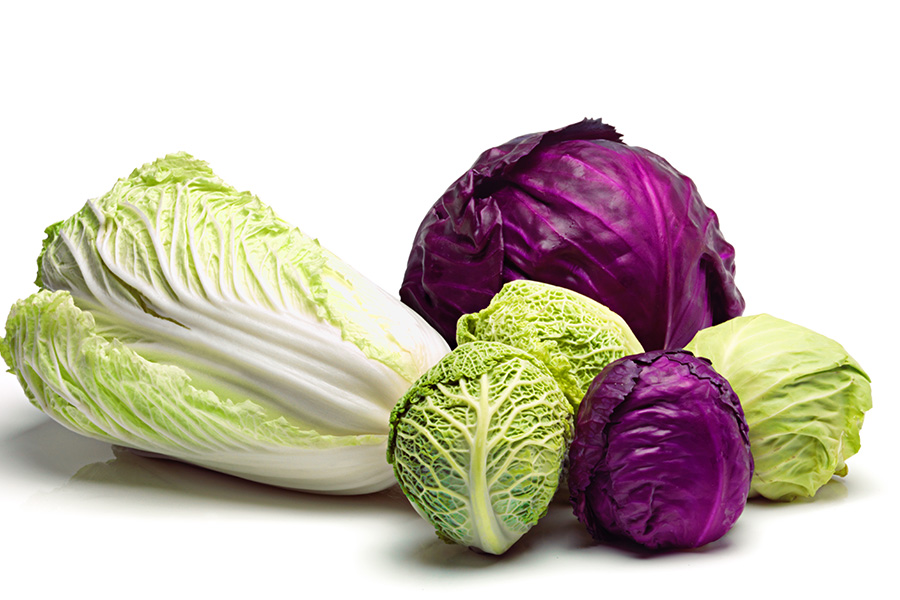
C 1218
Homegrown Cabbage
Cabbage (Brassica oleracea var. capitate) is a cool-season vegetable that is a member of the cole crop family. There are several types of cabbages available to grow, and they can all be eaten raw or cooked in a variety of ways. This publication covers the basics of how to grow cabbage in the home garden, including selection, planting, and maintenance information for growing this popular vegetable.
|
-

AP 130-2-12
Green Industry 2024
1. 2023 was a good year for many green industry firms, but not as good as 2020–2022.
2. The unknowns going into 2024 include higher inflation and interest rates, mixed signals within the economy, increased input costs, and variability in the housing market.
3. Green industry sales in Georgia are projected to be lower than 2023 levels.|
-

B 910
Hobby Greenhouses
The gardener who has a greenhouse can extend or intermingle the seasons at will. Whether you wish to build your own greenhouse from scratch or purchase a prefabricated structure ready for assembly, this resource explains everything you need to know about building and maintaining a hobby greenhouse. This publication also includes several building design plans.
|
-
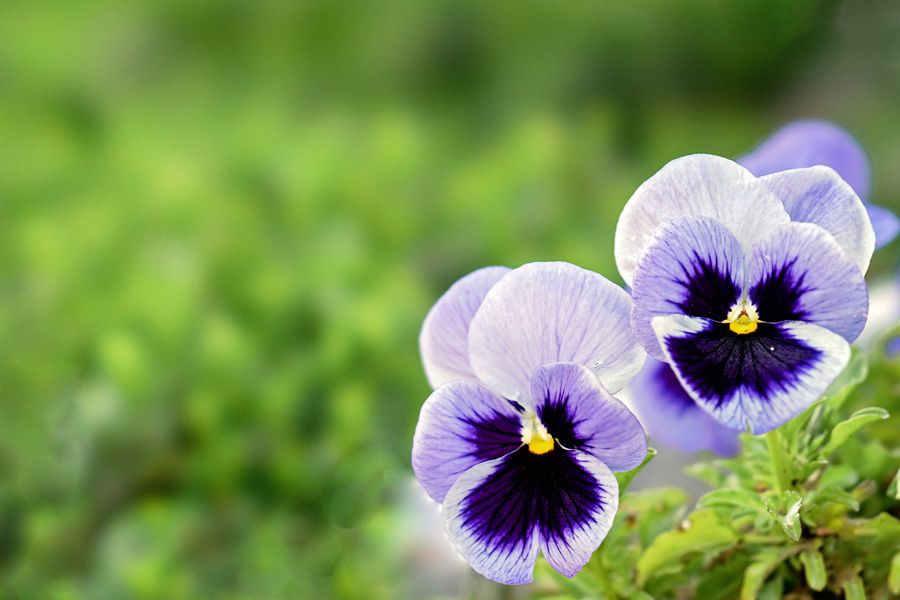
This publication provides guidelines for the planting and care of pansies to ensure success, including planting time, bed preparation, plant spacing, planting procedures, fertilization, freeze protection, and common insect and disease problems. Since seasonal color is a high-cost investment in the landscape, it is important to get the maximum return on your investment by following these planting and cultural guidelines.
|