Skip to content
UGA College of Agricultural & Environmental Sciences Field Report
  • Stories
    Almanac

    Science in service of humanity and the environment

    Read our annual magazine here

    READ


    Dive into engaging stories that showcase our statewide, national and global impact.

    Check out our written stories here

    LOOK


    Browse curated photo galleries capturing the people, places and programs that bring CAES to life.

    Check out our photo galleries here

    WATCH


    Experience our stories through videos that highlight our people, projects and passions in action.

    Check out our video library here

    LISTEN


    Tune in to “Cultivating Curiosity,” our podcast featuring in-depth conversations with CAES experts.

    Check out our podcast here
  • Expert Resources

    Expert Resources


    From farms and gardens to families and finances, our expert resources empower Georgians with trustworthy, practical science.

    Gardening
    Invasive species
    Food and food safety
    Ants, termites and other pests
    Pollinators
    Livestock
    Emergency preparedness
    Home safety and maintenance
    Health, family and finances
    Nutrition
    Water quality
    Lawn maintenance and landscaping
    Turfgrass
    View all topics

    What is an Expert Resource?


    We publish unbiased, research-backed expert advice to empower Georgians with practical, trustworthy information they can trust.

    These resources are written and reviewed by experts in the UGA College of Agricultural and Environmental Sciences and the UGA College of Family and Consumer Sciences.

    Learn how we produce science you can trust
  • People
  • Events
  • Contact
  • Read
  • Look
  • Watch
  • Listen
Subscribe
  • LinkedIn
  • Facebook
  • Instagram
  • Stories
    Almanac

    Science in service of humanity and the environment

    Read our annual magazine here

    READ


    Dive into engaging stories that showcase our statewide, national and global impact.

    Check out our written stories here

    LOOK


    Browse curated photo galleries capturing the people, places and programs that bring CAES to life.

    Check out our photo galleries here

    WATCH


    Experience our stories through videos that highlight our people, projects and passions in action.

    Check out our video library here

    LISTEN


    Tune in to “Cultivating Curiosity,” our podcast featuring in-depth conversations with CAES experts.

    Check out our podcast here
  • Expert Resources

    Expert Resources


    From farms and gardens to families and finances, our expert resources empower Georgians with trustworthy, practical science.

    Gardening
    Invasive species
    Food and food safety
    Ants, termites and other pests
    Pollinators
    Livestock
    Emergency preparedness
    Home safety and maintenance
    Health, family and finances
    Nutrition
    Water quality
    Lawn maintenance and landscaping
    Turfgrass
    View all topics

    What is an Expert Resource?


    We publish unbiased, research-backed expert advice to empower Georgians with practical, trustworthy information they can trust.

    These resources are written and reviewed by experts in the UGA College of Agricultural and Environmental Sciences and the UGA College of Family and Consumer Sciences.

    Learn how we produce science you can trust
  • People
  • Events
  • Contact
  • Read
  • Look
  • Watch
  • Listen
Subscribe
  • LinkedIn
  • Facebook
  • Instagram
Subscribe
  • LinkedIn
  • Facebook
  • Instagram
  1. Home
  2. Expert Resources
  3. Topics
  4. Lawn and Garden

Lawn and Garden Resources

Use the Advanced Search
  • Green Industry 2023

    AP 130-1-12

    Green Industry 2023

    1. 2022 was a good year for many green industry firms, with many firms
    seeing increased profits.
    2. There are many unknowns going into 2023 that will impact green
    industry sales, including higher inflation and interest rates, mixed signals
    within the economy, and the impact of varying strength of the housing
    market in Georgia.
    3. Green industry sales in Georgia are projected to be similar to 2022 levels.

    Amanda R Smith and Ben Campbell

    |

    Sept. 8, 2023
  • B 1483

    Selecting Trees and Shrubs as Resources for Pollinators

    We can positively affect pollinator populations in our region by providing plants that help sustain them. Pollinators face the increasing challenges of habitat loss, parasite and disease pressure, and the unintended consequences of pesticide misuse. Bee forage plants can bloom season-long with careful plant selection appropriate to the region. A combination of herbaceous perennial and annual plants, trees, and shrubs can provide valuable resources to bees and other pollinators. Even grasses can be used by bees as a pollen source, while crape myrtles can provide a later season resource for pollinators. Anyone—from individual home gardeners to commercial and agricultural property managers—can promote pollinator health by selecting and planting appropriate plants. This guide provides options for selecting flowering woody plants that are attractive to bees and butterflies and sometimes have additional wildlife benefits.

    S. Kris Braman, Bodie V. Pennisi, Kim Toal, and Elizabeth McCarty

    |

    Aug. 15, 2023
  • B 1357

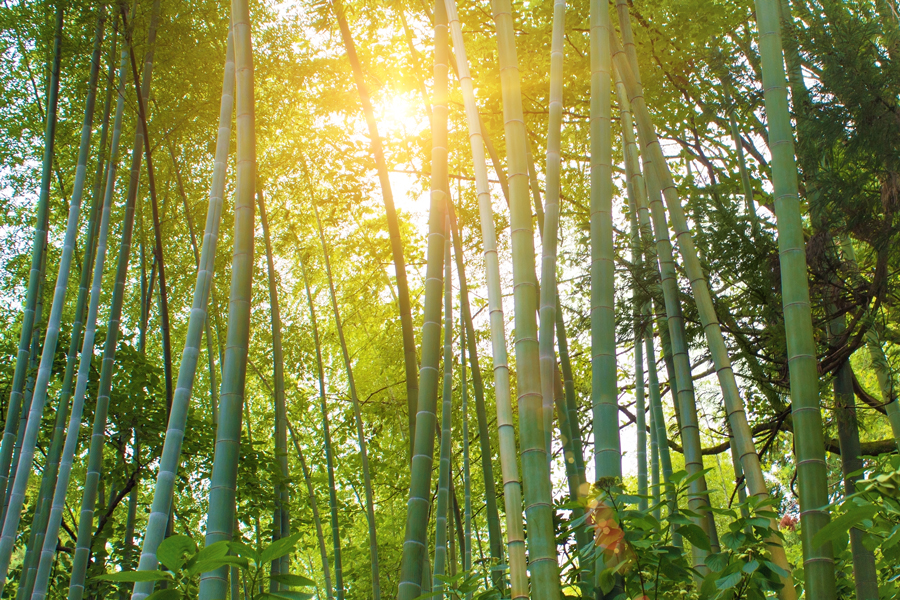
    Growing Bamboo in Georgia

    This resource provides a simple, user-friendly guide on growing bamboo in Georgia, a state that has a wide variety of soils and temperate zones.

    Bodie V. Pennisi

    |

    June 27, 2023
  • a fern frond in a forest setting

    B 737

    Growing Ferns

    This publication discusses everything you need to know about ferns: life span, growing, watering, potting, needs, and varieties.

    Bodie V. Pennisi

    |

    June 23, 2023
  • Geraniums

    B 790

    Geraniums

    Geraniums are among the most popular flowering plants grown in the United States. They are easy to grow and can be used in many types of gardens, such as ground beds, planter boxes, hanging baskets and pots. They are ideal for flanking entrance-ways and adding color to border plantings. This publication explains everything you need to know about growing geraniums.

    Bodie V. Pennisi

    |

    June 23, 2023
  • B 1219

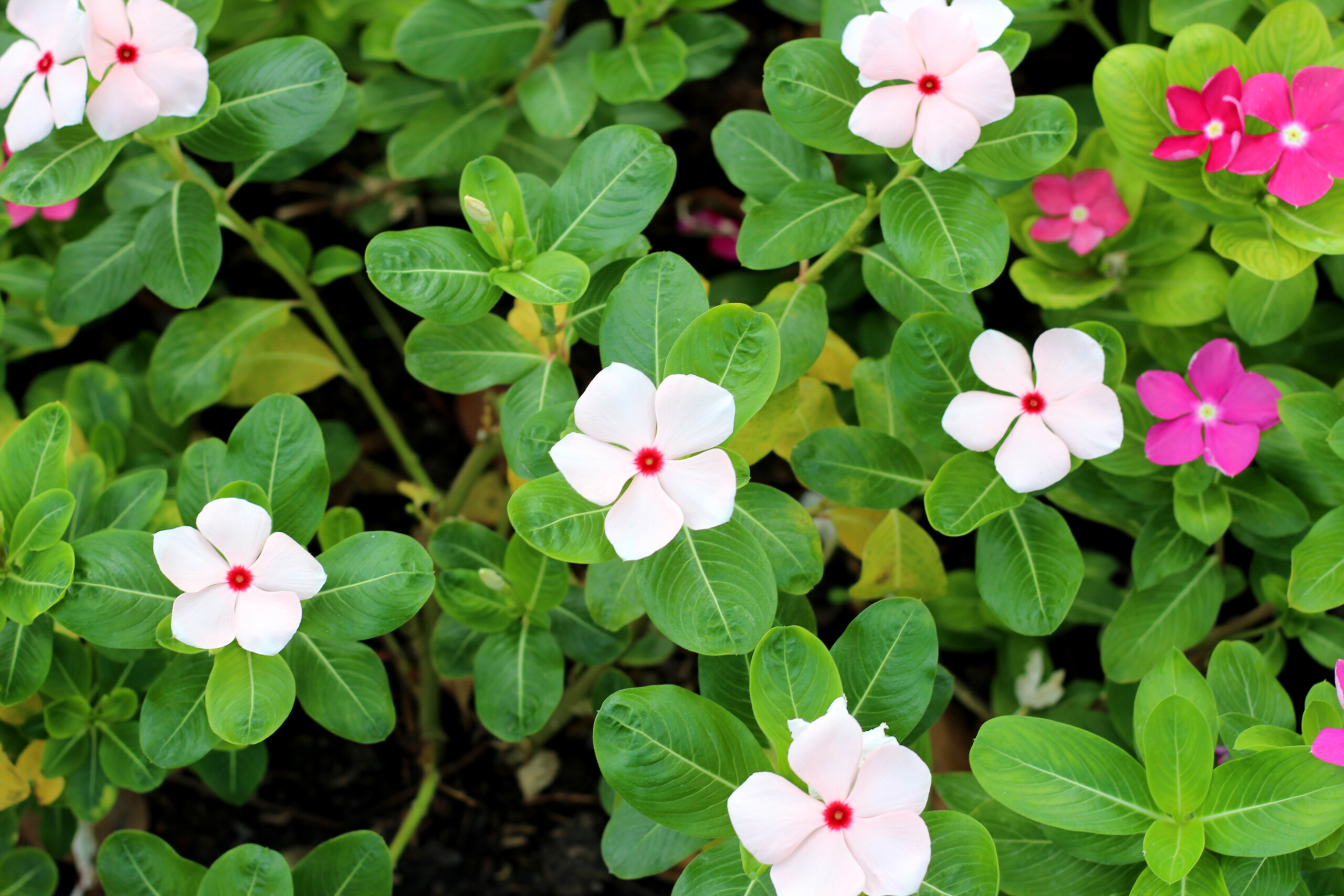
    A Guide for Commercial Production of Vinca

    Vinca is a specialty ornamental crop with very distinct requirements. This bulletin will address those requirements and cover a typical production schedule and crop budget.

    Jean Williams-Woodward and Bodie V. Pennisi

    |

    June 23, 2023
  • B 1498

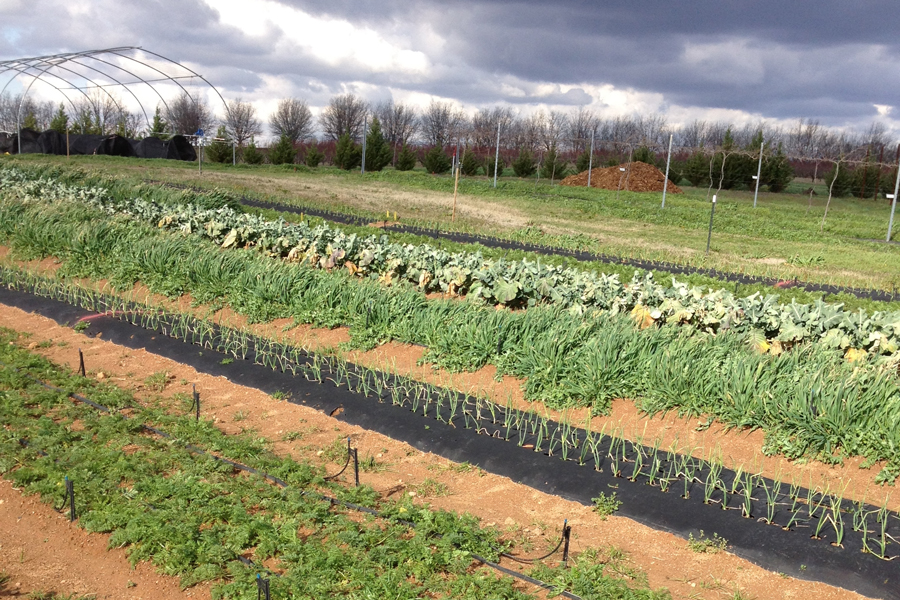
    Organic Cool-Season Vegetable Crop Rotations for the Southeast

    Interest in organic food has been growing over the past twenty years. In Georgia, growing conditions during the summer are particularly difficult for organic producers due to high insect, disease, and weed pressure. However, pest pressures are much reduced when the weather cools. The moderate conditions of late fall to spring are ideal for production of many cool-season crops in the Southeast, including many crops that are traditionally grown as summer crops in other parts of the country. Shifting cash crop production to the fall through spring season may allow farmers to produce high-value crops more efficiently. This strategy may be particularly effective for those interested in wholesale production. This also leaves a window in the summer for cover crops that have many benefits. This bulletin discusses organic cool-season vegetable production and gives guidance for maintaining both soil health and successful production.

    Elizabeth L. Little

    |

    June 22, 2023
  • B 1339

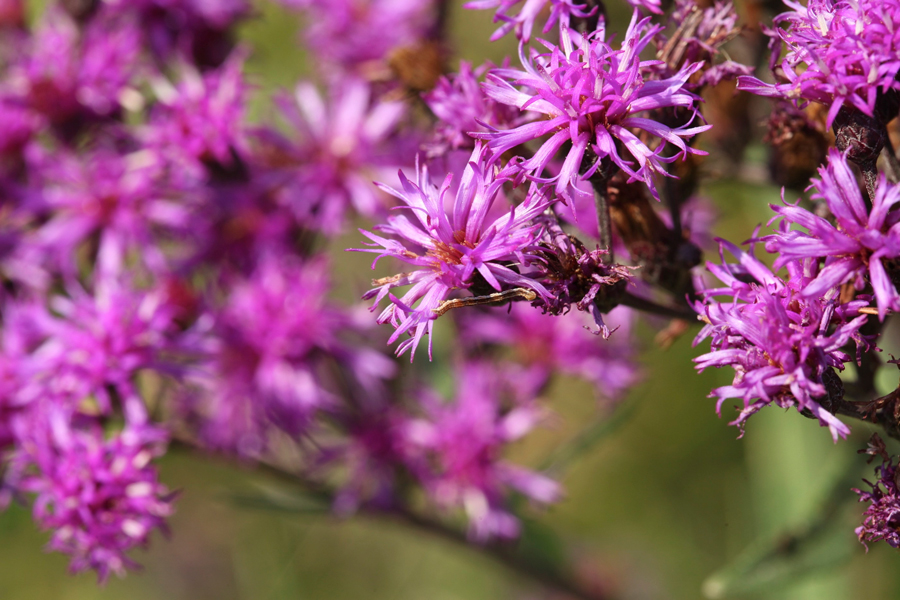
    Native Plants of North Georgia: A Photo Guide for Plant Enthusiasts

    This publication is intended to be a quick guide for plant enthusiasts of North Georgia. Each plant listing is accompanied by a photograph and a brief plant description. The description contains the common name, scientific name, leaf description, flower description, habitat and plant uses.

    Mickey P. Cummings and Bodie V. Pennisi

    |

    June 9, 2023
  • Compost Utilization for Erosion Control

    B 1200

    Compost Utilization for Erosion Control

    Composting is the controlled biological process of decomposition and recycling of organic material into a humus-rich soil amendment known as compost. Mixed organic materials such as manure, yard trimmings, food waste and biosolids must go through a controlled heat process before they can be used as high quality, biologically stable and mature compost (otherwise it is just mulch, manure or byproduct). Compost has a variety of uses and is known to improve soil quality and productivity as well as prevent and control erosion.

    L. Mark Risse, John W. Worley, and L. Britt Faucette

    |

    June 8, 2023
Previous Page
1 … 21 22 23 24 25 … 42
Next Page

About CAES

CAES Home

Overview

History

Administration

Jobs

Personnel Directory

Privacy Policy

Accessibility Policy

AI Guidelines

Affiliations

UGA Cooperative Extension

Tifton Campus

Griffin Campus

University of Georgia
  • Schools and Colleges
  • Directory
  • MyUGA
  • Employment Opportunities
  • Copyright and Trademarks
  • UGA Privacy Policy
  • Report an Accessibility Barrier
  • Submit a Student Complaint
#UGA on
© University of Georgia, Athens, GA 30602
706‑542‑3000