Lawn and Garden Resources
-
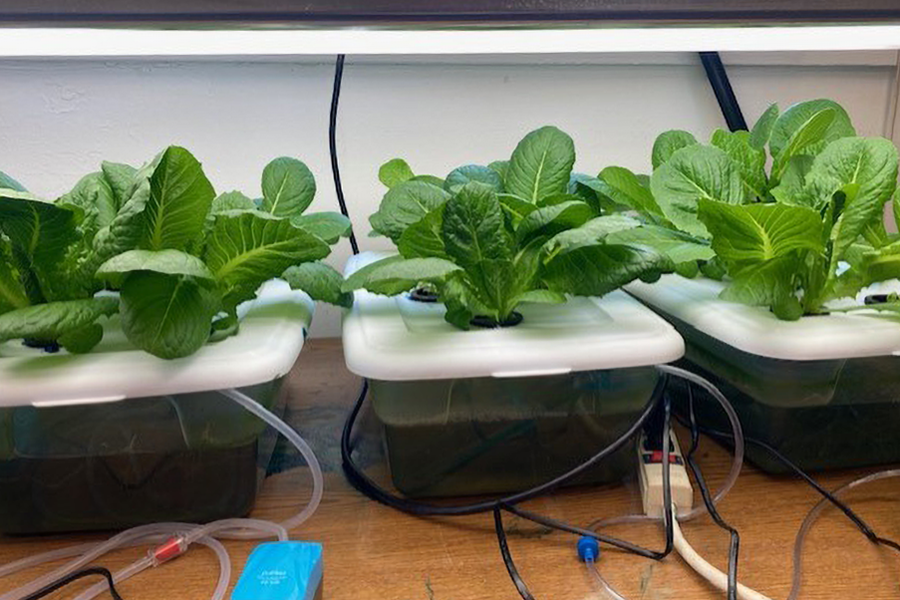
Important considerations for starting a small hydroponic operation at your home or an urban garden site.
|
-

AP 130-3-12
Green Industry 2025
1. 2024 was a good year for many green industry firms, though Hurricane Helene mitigated these positives for many growers.
2. There are many unknowns going into 2025 that will impact green industry sales, including higher inflation and interest rates, mixed signals within the economy, increased input costs, and the varying strength of the housing market in Georgia.
3. Green industry demand is expected to have stable to moderate growth with increased prices, which will result in comparable average sales for 2025 compared to 2024.|
-

A number of plants, particularly vegetables, annuals, and herbs, can be grown
from seed. There are many advantages to propagating plants from seed. This publication provides information on seed selection, materials, seeding techniques, thinning, and transplanting. A step-by-step, quick reference guide is also included.|
-
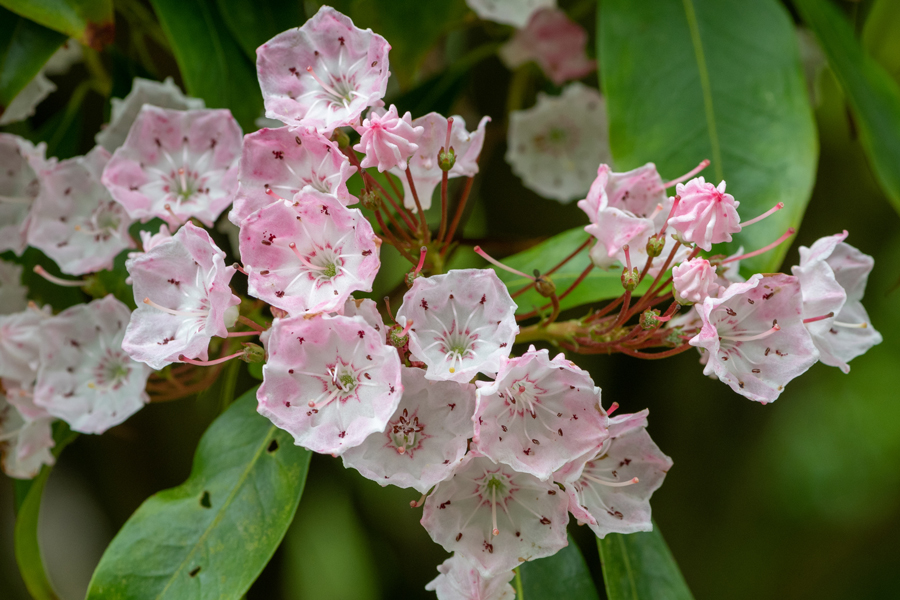
This publication includes a list of good plants for Georgia organized into various sizes and groups. The design qualities of plants—their form, size, color and texture—are emphasized according to the principles and requirements of good landscape design and plant maintenance. Hardiness and disease and insect resistant qualities are also considered.
|
-

Hort Scape streamlines the bidding process once the user builds a coded database of plants, including common and botanical names, plant sizes, plant costs, and per plant installation costs. Then, using the bid estimator, the user inputs the plant codes and quantities for the plants used on a particularly job, and the associated information on each plant is brought over from the database to the estimator. Other sections of the estimator calculate costs of bed amendments, fertilizers, turfgrass installation, grading, watering, edging, pre-kill with herbicides, plant removal, and clean-up. All these costs are then transferred to a bid summary sheet which shows labor, material and equipment cost for each task performed. The bid summary shows direct job costs, bid price, break-even price, profit on the job and overhead recovery. For more information, see http://www.hort.uga.edu/extension/programs/hortmanage.html
|
-
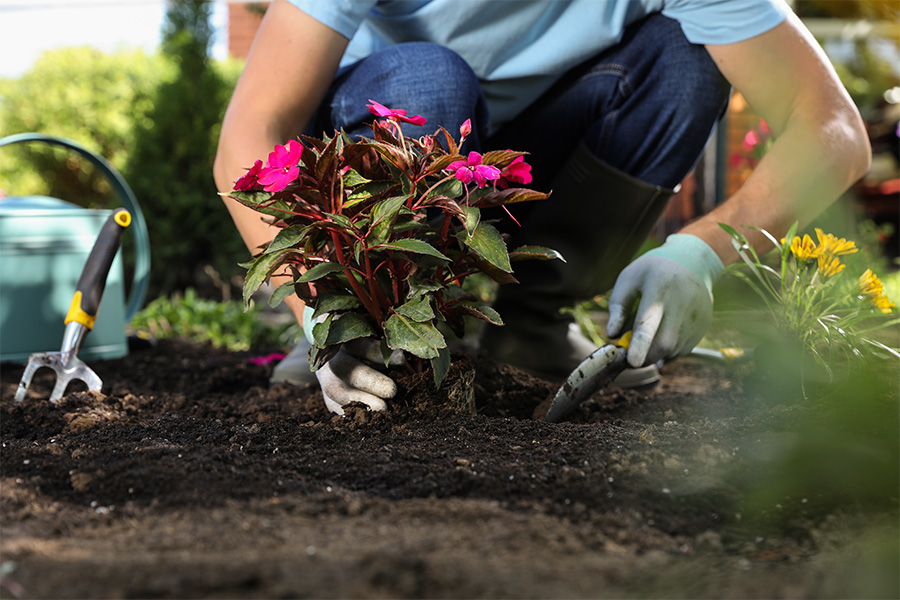
Proper planting is essential for healthy, vigorous growth of ornamental plants in the landscape. It assures rapid plant establishment by providing a favorable environment for the developing root system. This publication offers step-by-step guidelines that will help you achieve planting success.
|
-
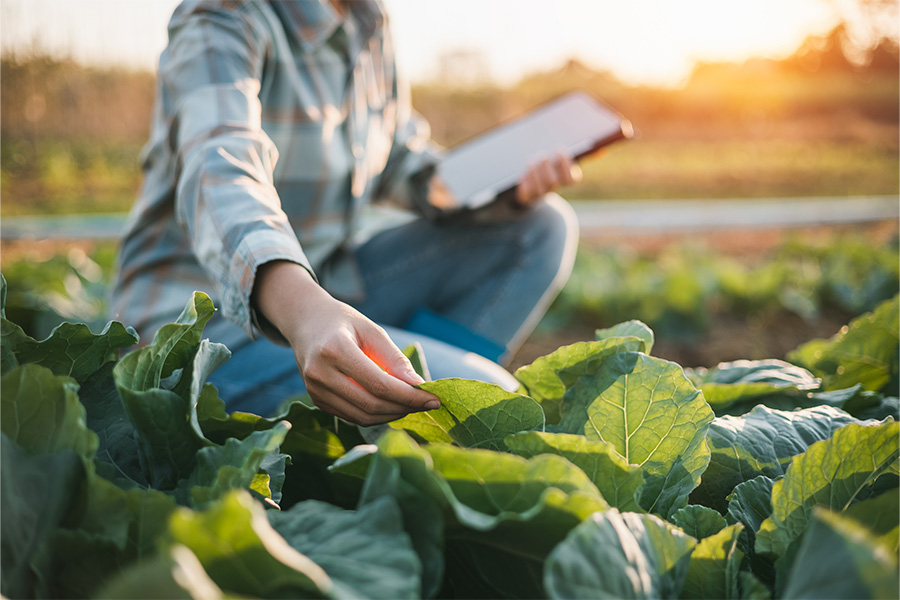
Pesticide and fertilizer recommendations are often made on a pounds per acre and tons per acre basis. While these may be applicable to field production of many crops, orchardists, nurserymen and greenhouse operators often must convert these recommendations to smaller areas, such as row feet, square feet, or even per tree or per pot. Thus pints, cups, ounces, tablespoons and teaspoons are the common units of measure. The conversion is frequently complicated by metric units of measure. This publication is designed to aid growers in making these calculations and conversions, and also provides other data useful in the management, planning and operation of horticultural enterprises.
|
-
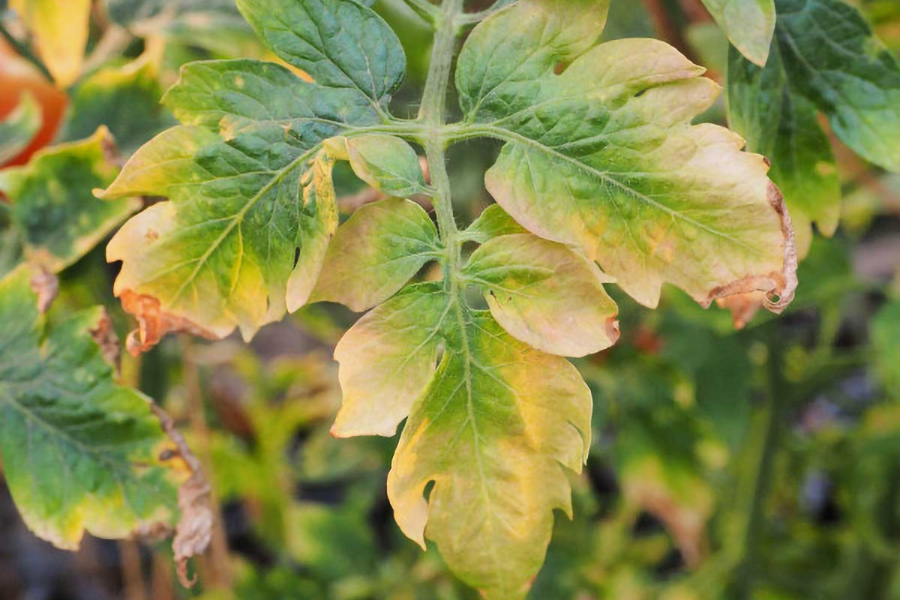
This brief guide covers nutrient deficiencies and their symptoms in common vegetables. Makenzie English, Horticulture Program Assistant, is co-author on this publication.
|
-
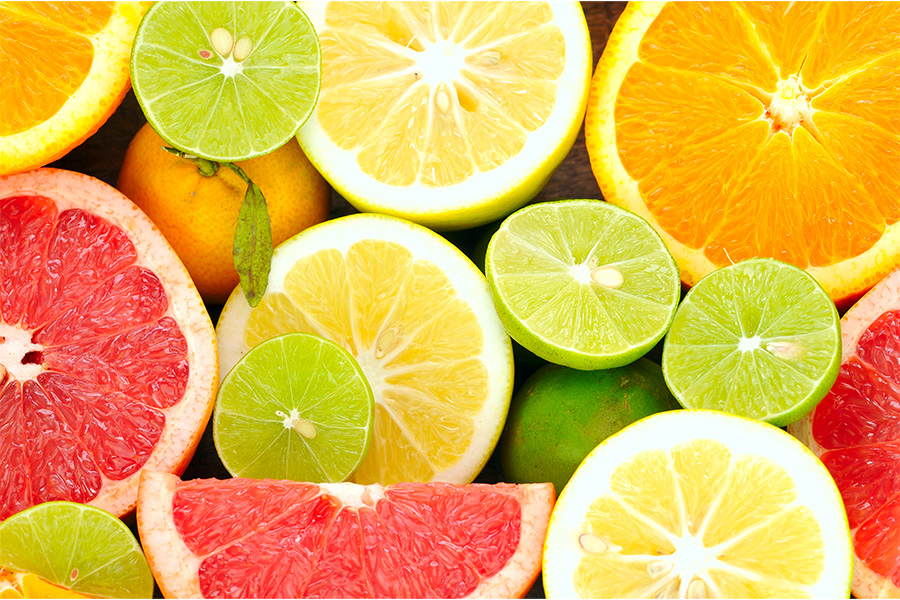
Citrus plants are very versatile around the home and may be used as individual specimens, hedges or container plants. Their natural beauty and ripe fruits make them attractive additions to the South Georgia home scene. Cold-hardy varieties that receive recommended care may grow successfully in the coastal and extreme southern areas of the state (and to a lesser degree in more northern locations).
|