Lawn and Garden Resources
-
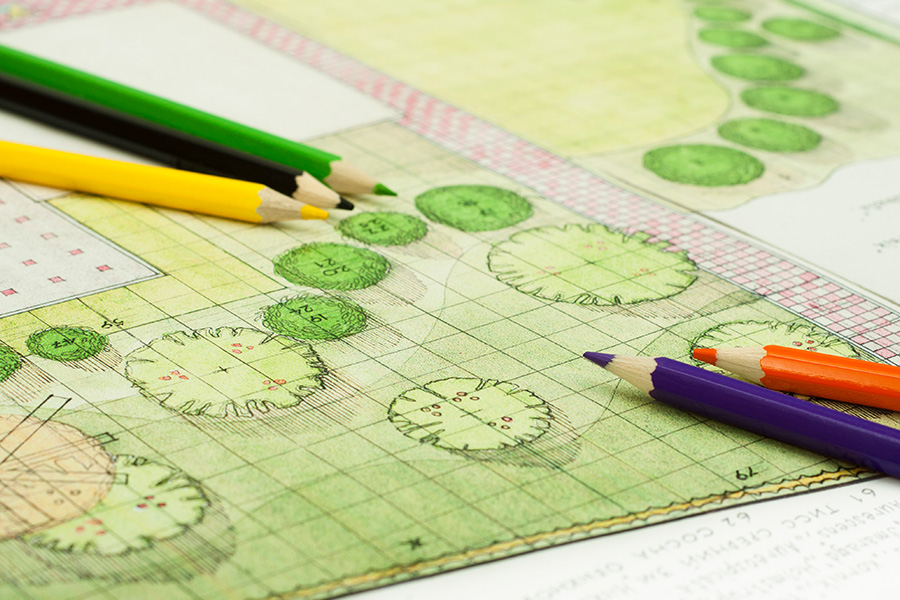
Preparing a landscape plan can be an enjoyable and satisfying experience if you do a little homework and follow a few guidelines. A simple landscape base map can be drawn without a computer, special software or even expensive drafting supplies, and is the first step in developing a landscape plan. The base map is an accurate representation of the existing landscape, scaled to fit the paper, showing information such as house dimensions, distance to street, and the location of trees,
woods, driveways and sidewalks, if these are already present in the landscape. This publication explains how to draw a base map for landscape planning.|
-

Designing a beautiful landscape for the home can be a very enjoyable and satisfying experience. With a little homework, a landscape plan is within reach of most homeowners. Before great ideas can become a plan, you must determine the limitations and assets of the site. This publication briefly describes how to create a site analysis for landscape design.
|
-

Accidents are common when felling a tree with a chainsaw. Fortunately, most of them can be prevented. Tips for preventing kickback, barber chair, entanglement, setback, and stump jump are presented in this publication, along with techniques for safely releasing spring poles.
|
-

With increased urbanization, container gardens continue to enjoy popularity and brighten up patios and balconies. For many reasons, tropical plants have become a staple in container gardens traditionally filled with herbaceous annuals, bulbs, succulents, perennials and woody plants.
|
-
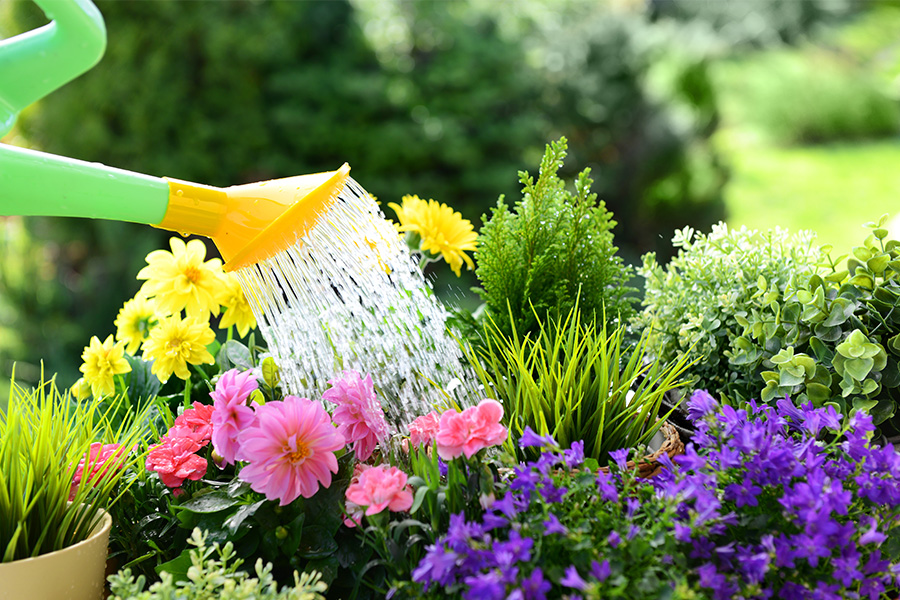
This resource provides guidelines for the care of established ornamental plants in the landscape. Low-maintenance alternatives to traditional cultural practices are discussed throughout.
|
-
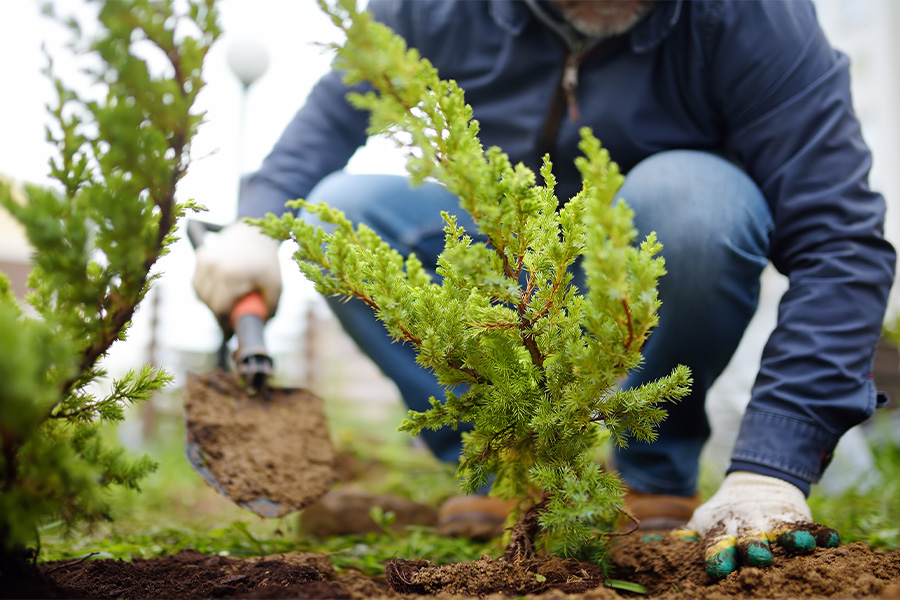
C 956
Junipers
This resource provides information about variety selection, characteristics, required care, and disease and pest control for juniper plants.
|
-
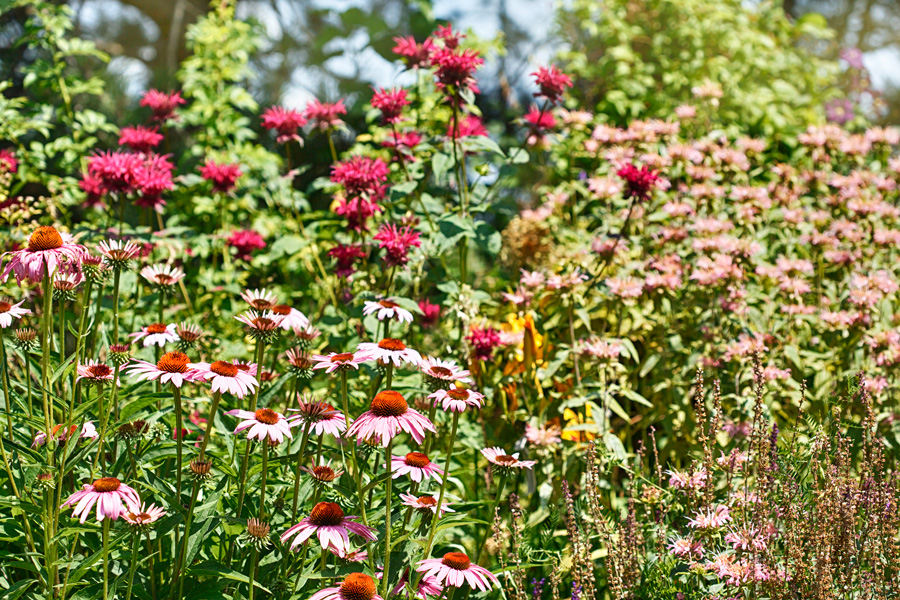
Ornamental plantings can be attractive and beneficial options for the expanse of open ground designated for a septic drainfield. Properly chosen plants help manage moisture and nutrient levels in the soils around the drainfield, and can discourage activities that may cause site compaction and reduce the effectiveness of the system. The drawback is that poor plant choices can create costly maintenance issues, and any septic drainfield repair work could disturb planting areas that you value. By following a few simple guidelines, planting in these areas can be both pretty and practical.
|
-
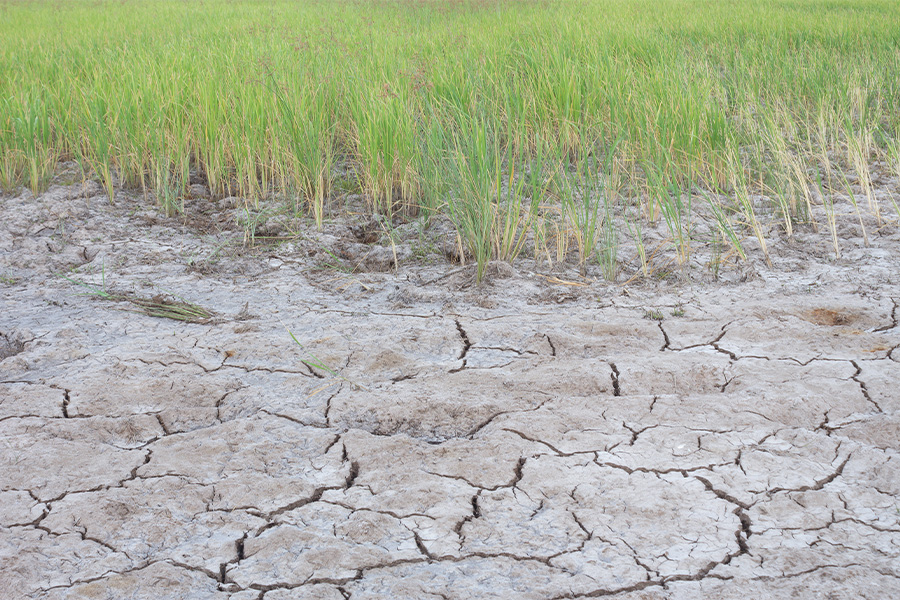
The University of Georgia Agricultural and Environmental Services Laboratories offer soil salinity testing to help farmers and the general public diagnose and manage problems associated with soil salinity. By definition, a saline soil contains excess soluble salts that reduce the growth of most crops or ornamental plants. This publication discusses soil salinity testing, data interpretation and recommendations, specifically those pertaining to the University of Georgia.
|
-
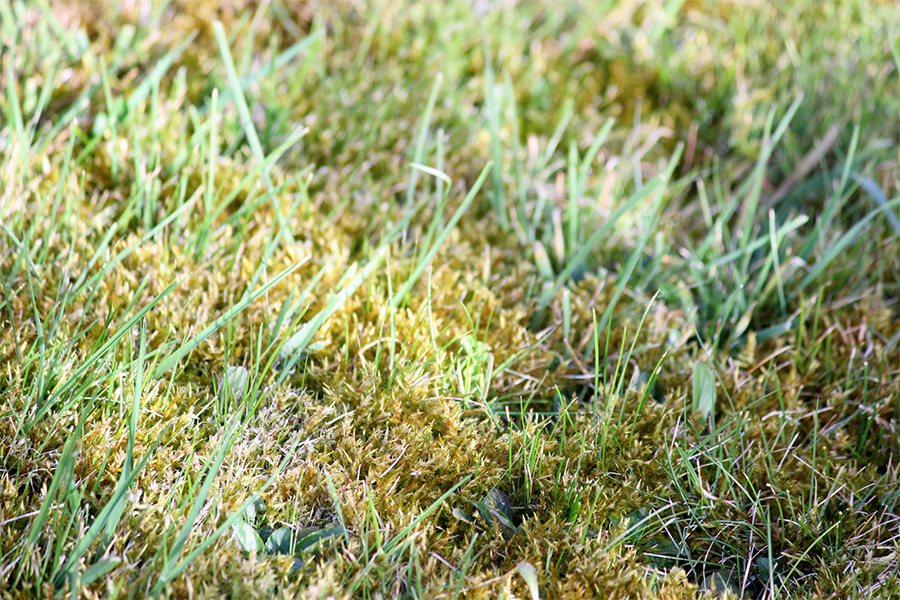
Occasionally, turfgrass areas begin to thin out and moss and algae start to form. These primitive plants develop because conditions for growing dense, healthy turf have declined. This publication gives you preventive practices and chemical suppression tips for controlling moss and algae in turf.
|