Native Plants Resources
-

C 1380-01
Georgia Native Plant Profiles I
NewNative plants have become a popular part of public and private gardens and landscapes. These info sheets introduce 20+ flowers and grasses with high value to pollinators and beneficial insects. The info sheets contain culture and propagation tips, and photos of the plant and select insect visitors. The plants can grow throughout Georgia 5 ecoregions and are well-adapted to urban spaces.
|
-

With proper planning, planting and maintenance, a healthier landscape can be created with less expense, less work and less damage to the world around us.
|
-

C 1081
New Native Little Bluestems
Little Bluestem is a drought-tolerant, low-maintenance native plant. This ornamental warm-season perennial grass tolerates a wide range of soil conditions and is easily grown. Its purplish bronze blooms and vertical clusters of slender leaves make it a lovely addition to any landscape. It is cold hardy in Georgia, although it may suffer moderate damage in cold winters in the North Georgia mountains.
|
-

Native plants are a great choice for Georgia landscapes. They provide food and habitat for native insects, birds, and other creatures and allow the gardeners to support local ecosystems. They are well suited to their native environments and many are quite beautiful. However, they are not super plants! They need to be sited in locations that closely match their native habitat, and the general public often assumes they need little or no care. This publication outlines conditions under which native plants need supplemental water and pest protection. Using the guidelines presented here, gardeners will be able to grow healthy native plants in their landscape.
|
-
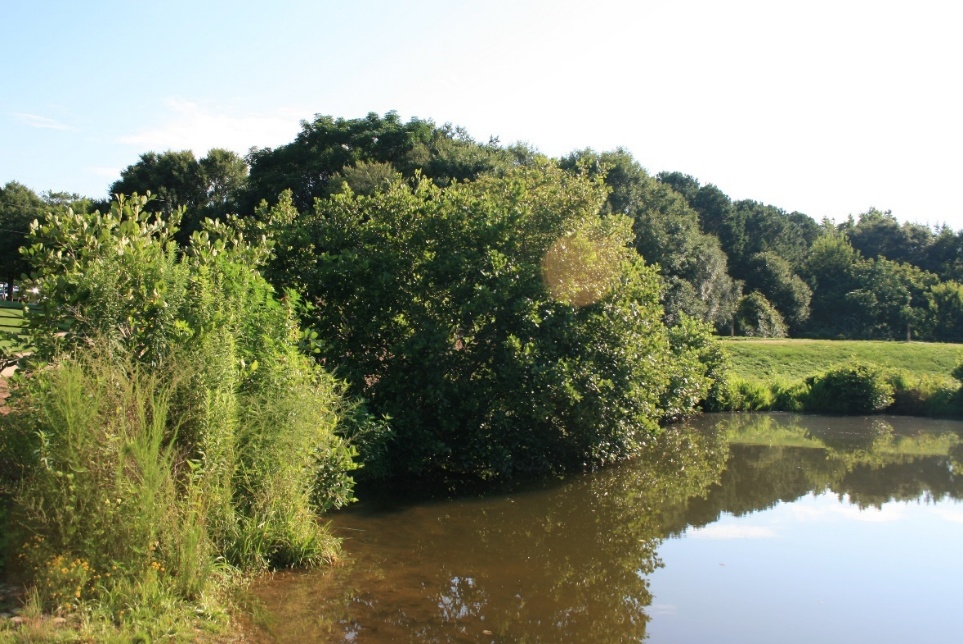
This resource explains how flooding and stormwater pollution affect waterways and how vegetation along the water reduces the negative impacts while improving aesthetics and water quality for fish habitats, recreational boating, appealing views, and property value. It provides guidance on planning, implementation and maintenance of riparian buffer vegetation, and a list of recommended plants.
|
-
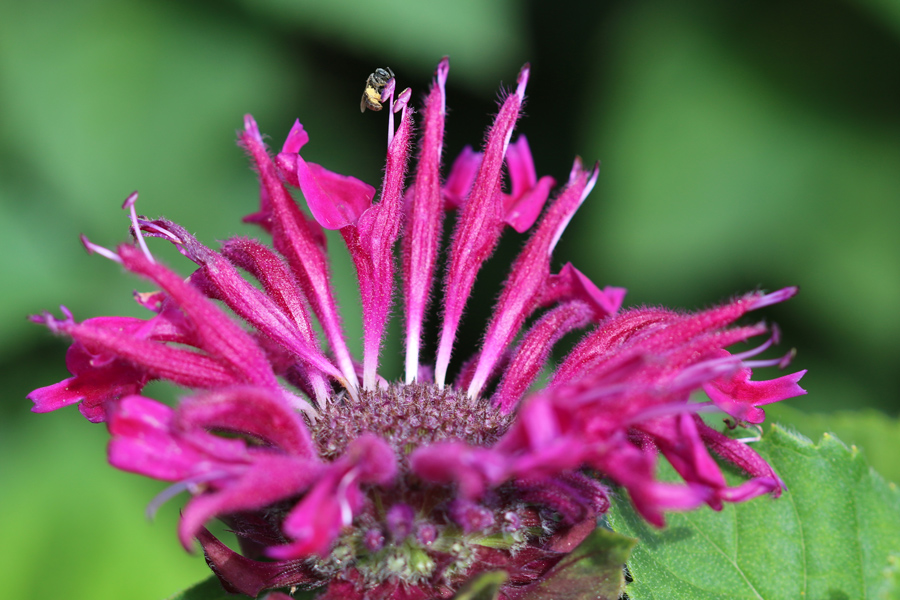
Monarda, commonly known as beebalm, is a North American perennial naturally found in woodlands, meadows, and floodplains. Aside from its aesthetics, beebalm offers environmental benefits, as its flowers, seeds, and shoots provide forage and habitat for many species of wildlife, including insects and birds. This publication covers the results of performance trials for 10 popular Monarda plants in the montane and piedmont (i.e., northern) Georgia regions.
|
-
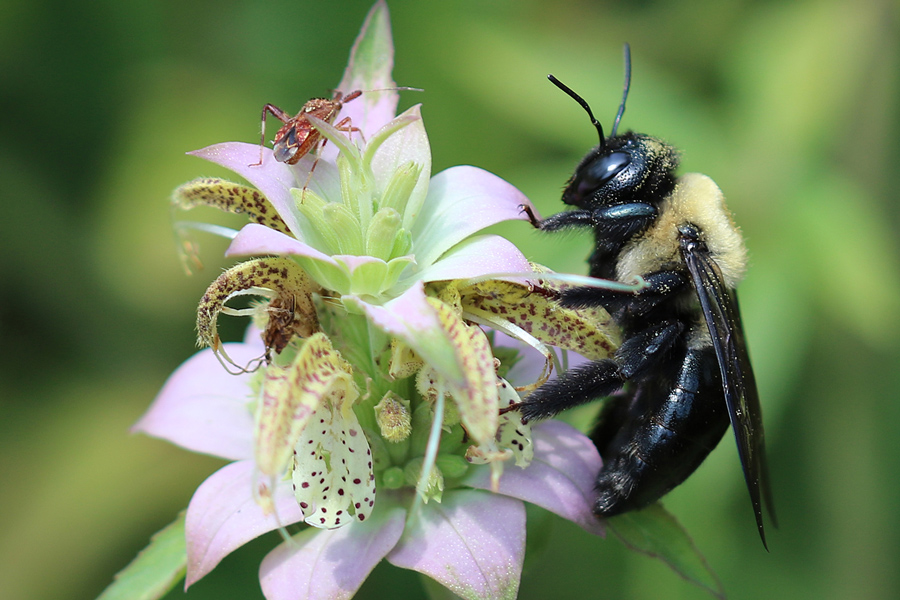
Monarda (beebalm) is a North American perennial naturally found in woodlands, meadows, and floodplains. It offers environmental benefits, as its flowers, seeds, and shoots provide forage and habitat for many species of wildlife, including insects and birds. This publication covers more details from our trials on 10 popular Monarda plants, this time focusing specifically on their floral properties.
|
-
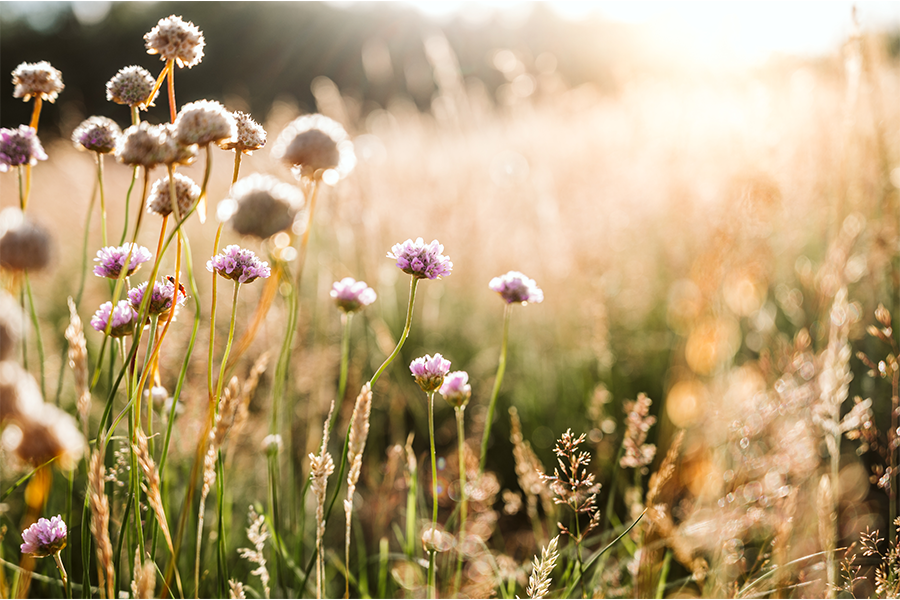
This publication is a comprehensive guide to growing and identifying native wildflowers suitable for planting in Georgia. The term “wildflower” in this publication is a general term used to define both annual and perennial native herbaceous plants with showy flowers that have evolved with an ecosystem and grow naturally without either direct or indirect human intervention.
NOTE: This publication is large and may take several minutes to load.
|
-
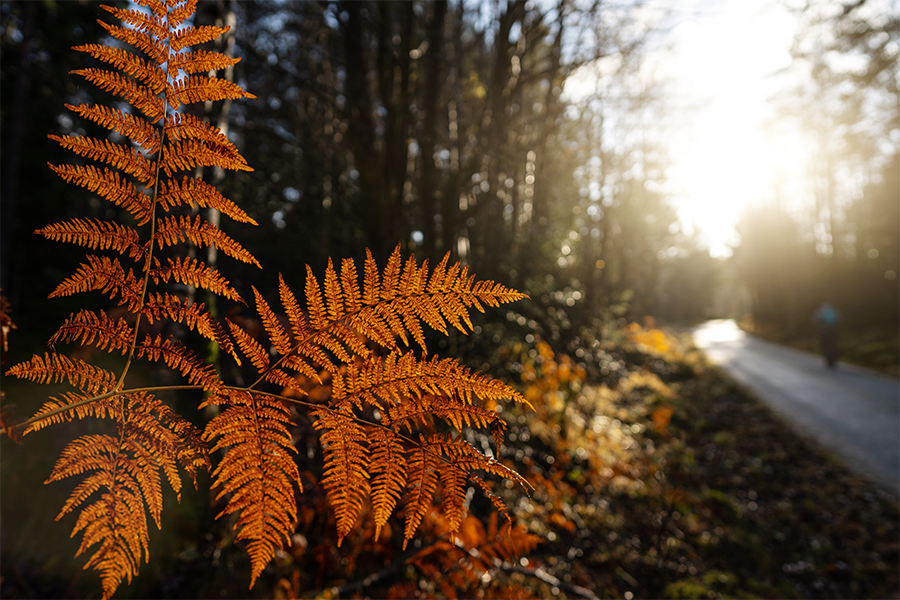
There are about 12,000 species of ferns in the world today. Most are found in the tropics. Currently, Georgia is home to 36 genera, 119 species and 12 hybrid ferns. The list is constantly expanding as new plants are found. To grow ferns successfully, it is important to match the site characteristics and growing environment with the native requirements of the fern species you intend to grow. Even if a fern is native to Georgia, it may not be native to the area of the state where you live.
|