Pesticide
-

By their nature, pesticides are hazardous and demand cautious handling. When they are used properly, however, pesticides improve the quality of our food supply, protect our health and increase our comfort with little risk to the environment and non-target living things. The most important consideration for the safe, effective use of pesticides is to follow all label directions and safety precautions.
|
-

This publication provides information on pulse width modulation (PWM) technology including its working principle, components, benefits, and best management practices for its optimal utilization on agricultural sprayers. Agricultural sprayers are commonly used for pesticide applications and come in various design types and sizes, including three-point hitch, pull-behind, and self-propelled. During pesticide applications, maintaining a target application rate across the whole field is important for effective pest management. On sprayers with traditional flow-based control systems, the liquid flow rate is regulated to account for ground speed variations by adjusting the spray pressure. However, this becomes an issue when spray pressure reaches outside the narrow operating range of the selected nozzle and results in non-uniform droplet size and pattern. Higher spray pressures at faster travel speeds produce finer droplets which are more prone to spray drift; applications at lower pressures produce coarser spray droplets and reduce spray fan angle. Pulse width modulation technology was developed to overcome this pressure variation issue; pulse width modulation does not rely on spray pressure to regulate system flow rate with changes in ground speed. In pulse width modulation systems, the flow rate is varied by changing the intermittent cycling of the electronically actuated solenoid valves while the system pressure remains constant throughout the boom.
|
-
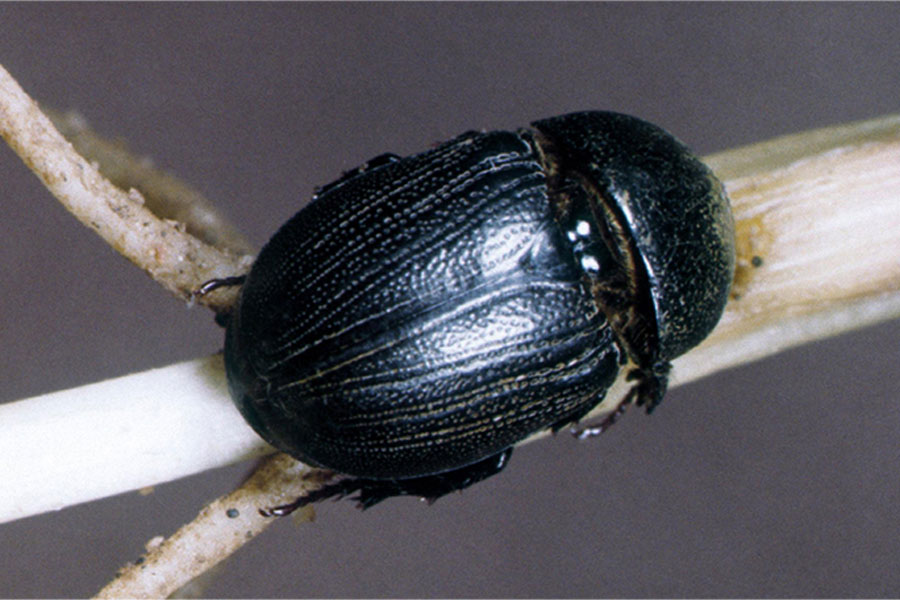
The sugarcane beetle has been a significant pest of many crops, including sugarcane, corn, sweet potato, and rice, for more than 100 years. It is a native species commonly found in turfgrass. While low numbers of beetles in an area generally are not regarded as pests, increasing numbers of adult beetles have been causing damage to turfgrass stands throughout the Southeastern U.S.
The adult sugarcane beetle is about ½ in. long, and is black with small punctures along the elytra, or wing covers, that create long, lengthwise stripes. Its first pair of legs have four serrations that make the beetle a strong digger. As a result, adults are known to damage asphalt roofs, door gaskets, and other soft structural elements
when lights attract them to buildings. The larvae of sugarcane beetles are C-shaped grubs, which are similar in appearance to other white grub species. Third-instar larvae can reach up to 1¼ in. long and are identified by their creamy white bodies with reddish-brown head capsules.|
-
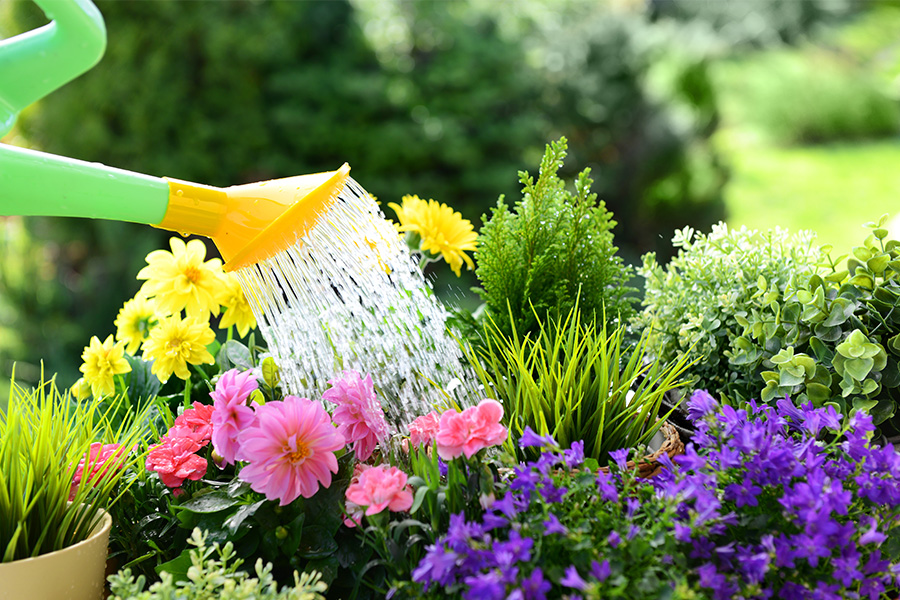
This resource provides guidelines for the care of established ornamental plants in the landscape. Low-maintenance alternatives to traditional cultural practices are discussed throughout.
|
-
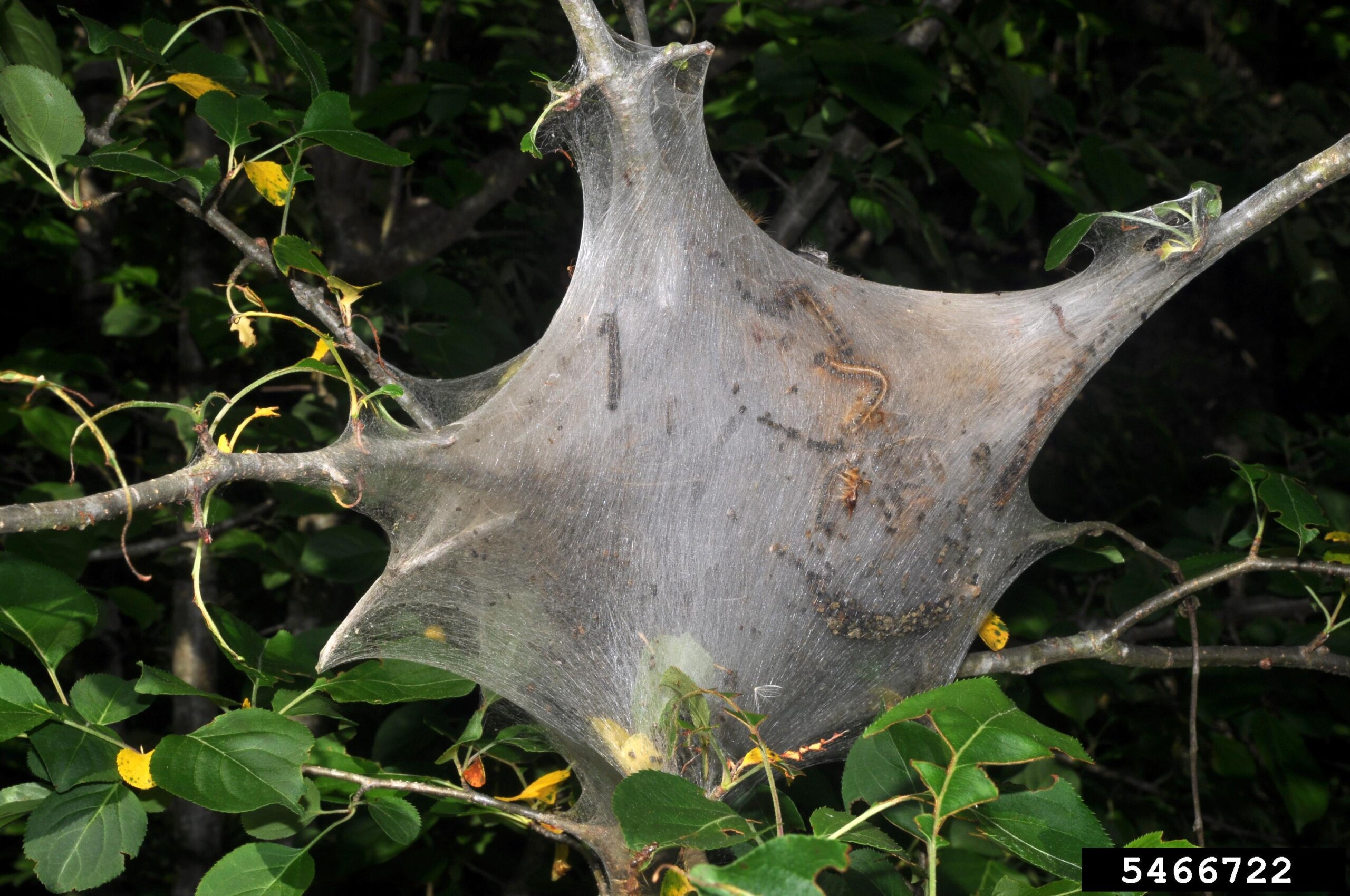
In North America, six species of tent caterpillars are found. The forest and Eastern tent caterpillars occur in Georgia, and can damage the aesthetic value of landscapes. There are several management strategies that work against tent caterpillars and this resource will help you identify and control them.
|
-

European hornets are widespread across much of the eastern United States. Native to Europe and Asia, they were accidentally introduced to North America in the mid-1800s. The European hornet is the largest species found in the United States and is particularly common in Georgia.
|
-
SB 48-11
Turf
This section of the Home & Garden Edition covers insect, disease, and weed control in home turfgrass. Care should be taken when using insecticides around any flowering plants when bees are actively foraging. Timing sprays for late afternoon and evening will minimize risks from broad-spectrum contact insecticides. Beginning in 2022, the Home & Garden Edition has been updated biennially. When purchasing a product based on a first-year recommendation of the Handbook, check the current product label before purchase to be sure it is still labeled for the use for which you are buying it. For pesticide products you have on hand from earlier purchases, you are allowed to use them until they are depleted without penalty under the law. Always follow label instructions before use. Contact the product’s manufacturer for the most up-to-date label.
|
-
SB 48-12
Vegetables
This section of the Home & Garden Edition covers insect, weed, and disease control in home garden vegetables. Beginning in 2022, the Home & Garden Edition has been updated biennially. When purchasing a product based on a first-year recommendation of the Handbook, check the current product label before purchase to be sure it is still labeled for the use for which you are buying it. For pesticide products you have on hand from earlier purchases, you are allowed to use them until they are depleted without penalty under the law. Always follow label instructions before use. Contact the product’s manufacturer for the most up-to-date label.
|
-
SB 48-06
Home Fungicide Guide
This section of the Home & Garden Edition covers fungicides for use in and around your home. Beginning in 2022, the Home & Garden Edition has been updated biennially. When purchasing a product based on a first-year recommendation of the Handbook, check the current product label before purchase to be sure it is still labeled for the use for which you are buying it. For pesticide products you have on hand from earlier purchases, you are allowed to use them until they are depleted without penalty under the law. Always follow label instructions before use. Contact the product’s manufacturer for the most up-to-date label.
|