Pollution and Contaminants Resources
-

The cumulative greenhouse gas (GHG) emissions from any human activity are commonly referred to as the carbon footprint. The Poultry Carbon Footprint Calculation Tool was developed and designed specifically for poultry production farms. The tool can be used to estimate the greenhouse gas (GHG) emissions from pullet, breeder, and broiler grow-out farms. This resource provides an overview for poultry producers on how to use the tool and gives recommended applications.
|
-
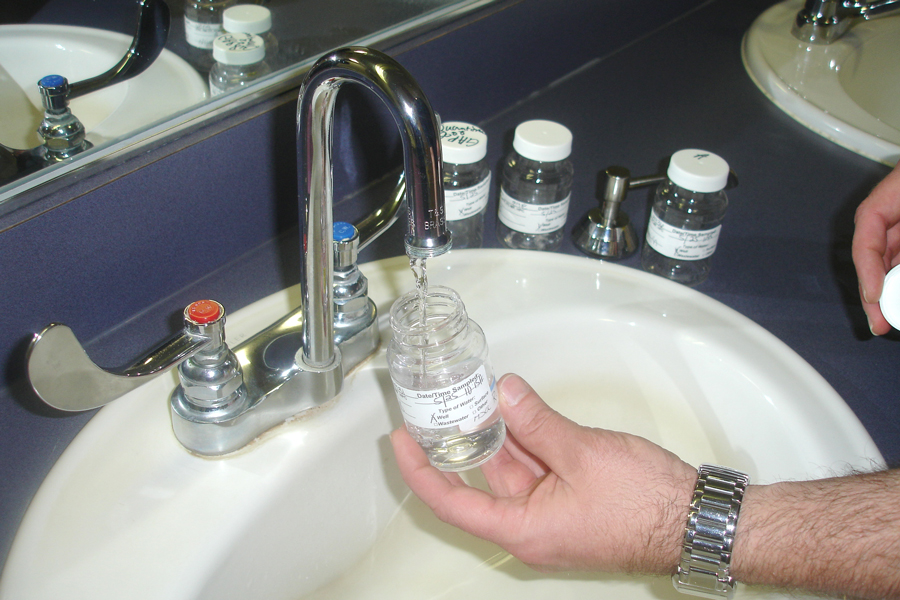
An abundant supply of clean, safe drinking water is essential for human and animal health. Water from municipal or public water systems is treated and monitored to ensure that it is safe for human consumption. Many Georgia residents, especially in rural areas, rely on private water systems for human and livestock consumption. Most private water systems are supplied by wells. Water from wells in Georgia is generally safe for consumption without treatment. Some waters, however, may contain disease-causing organisms that make them unsafe to drink. Well waters may also contain large amounts of minerals, making them too “hard” for uses such as laundering, bathing or cooking. Some contaminants may cause human health hazards and others can stain clothing and fixtures, cause objectionable tastes and odors, or corrode pipes and other system components.
|
-

Georgia is experiencing rapid growth in utility-scale solar energy development. This resource addresses some general concerns and questions residents have asked UGA Extension about how the construction and operation of these solar facilities could affect our soil and the quality of our shared surface and underground waters, including well water.
|
-

This resource addresses some general concerns and questions about how data center operations could alter water availability and affect the quality of our shared surface water, underground water, and public water systems. The extensive demands for cloud storage, streaming services, and artificial intelligence (AI) in today’s digital economy has sparked a massive boom in the establishment of data centers. Although the concerns and public discussion around this are primarily focused on the huge electricity demands of the data centers, they also have a significant localized impact on our water resources.
|
-
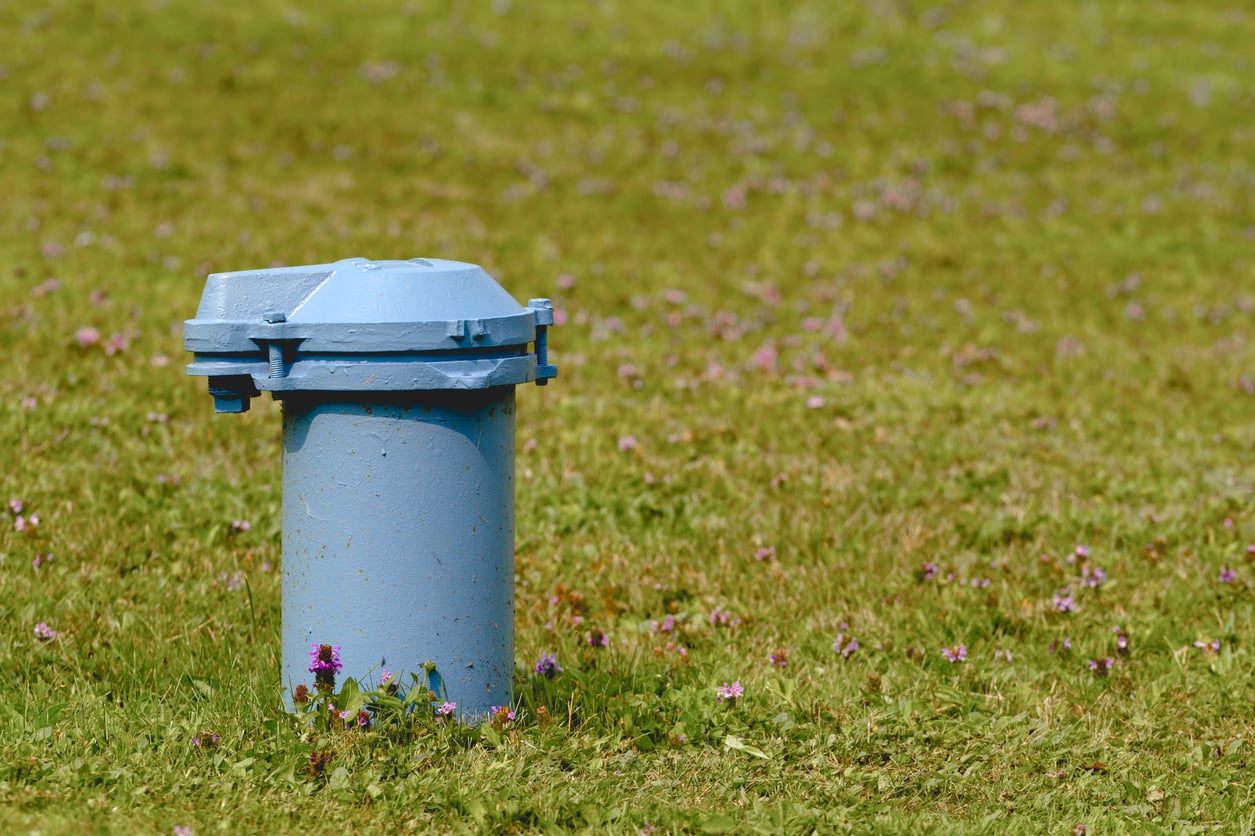
If you are one of the many Americans who use groundwater for drinking,
the proper protection of your well and wellhead is essential for the health of your family, yourself and your neighbors. This publication contains information about protecting your well and wellhead from contaminants.|
-
C 858-14
Uranium in Your Water
Uranium in your drinking water may be harmful to your health. If your water comes from a public system, it is routinely tested to ensure safe levels of uranium. If your source of household water is a private well, cistern or spring, you are solely responsible for the quality of your own drinking water. Private well owners are encouraged to monitor uranium through water testing.
|
-

There may be insect fragments, lead dust, pesticides, pollen, dust mites, animal dander, hair, human skin flakes, fungal spores, or cigarette ash in household dust. Around 30% to 40% of the contaminants inside your home are brought in from outdoors. By taking a few simple steps described in this resource, you can improve the health of your home and reduce the time spent cleaning.
|
-

Our homes are filled with potentially hazardous household products we use for cleaning, gardening, auto maintenance and other activities around the house. These products may contain ingredients that can be hazardous when not used, stored, and disposed of properly. You can make your home safer and healthier by reducing exposure to hazards in your home by following these tips.
|
-
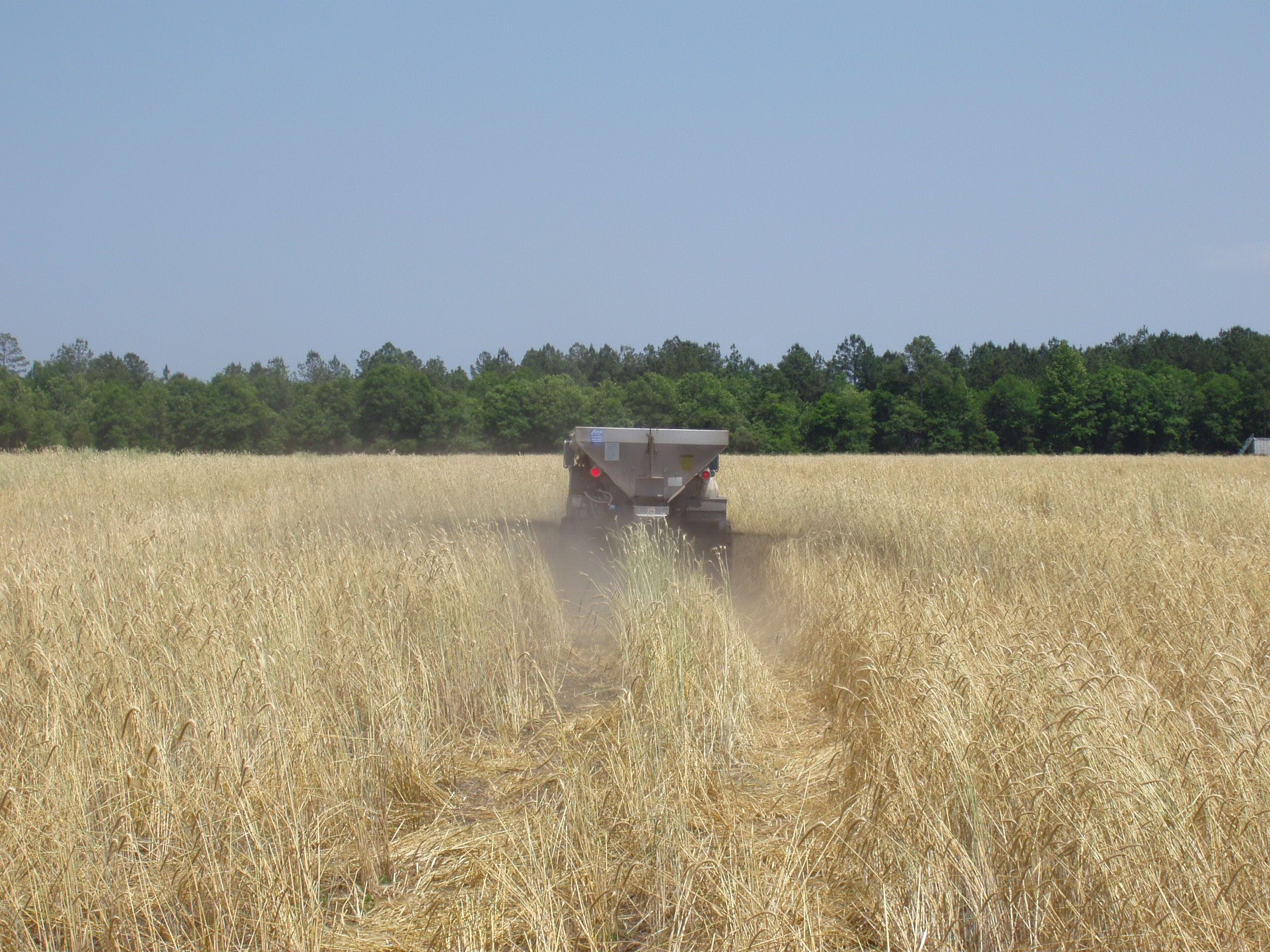
This bulletin provides the general public a quick reference for some commonly used standards for metal concentrations in biosolids and various by-products intended for land application. Most of the standards presented here are regulatory; however, we have also included information on average metal concentrations in agricultural soils.
|