Poultry Resources
-

Commercial poultry producers are looking for ways to improve their environmental impact and also to increase their profitability. Using container composters as a method of daily mortality disposal can be a viable option. Container composters are environmentally friendly compared to the incineration of carcasses, which can result in the emission of atmospheric particulates and greenhouse gases.
|
-

This Excel workbook will allow you to fit data from nutritional experiments to several models. It includes a PowerPoint presentation that shows you how to use the Excel workbook to fit several regression models to experimental data. The models may be used to estimate nutritional requirements or the most economical feeding levels of critical nutrients. All you need is Microsoft Excel (with macros enabled), the downloadable Excel file, and some input/output data.
|
-

This publication gives a procedure to calculate the value of broiler litter based on prevailing retail selling prices of commercial fertilizers containing nitrogen, phosphorus and potassium.
|
-

Poultry farming is the number one agricultural enterprise in Georgia. It is important to protect this vital industry by developing prudently-devised and factually-based zoning ordinances. This publication discusses components and terminology when drafting ordinances related to poultry production.
|
-
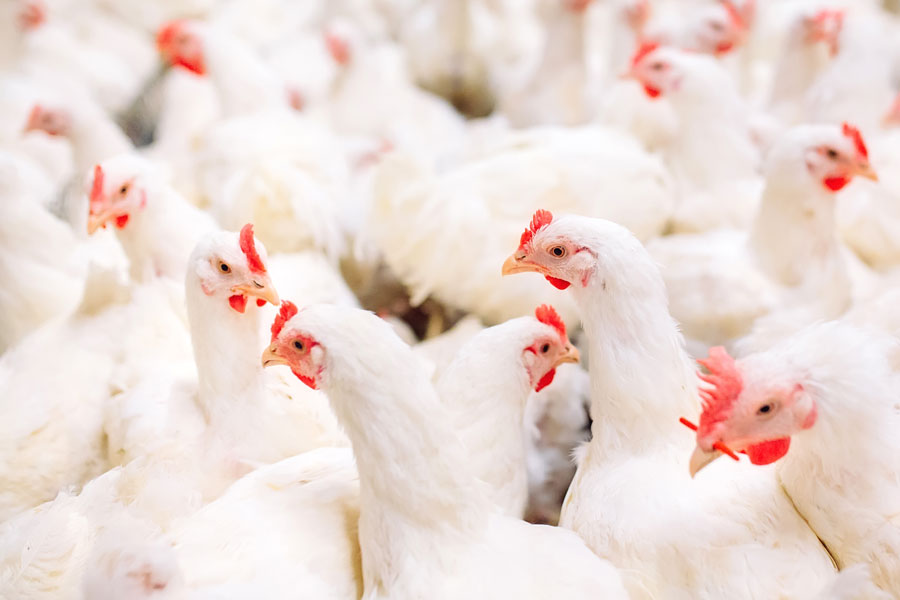
In commercial poultry houses, bird density and distribution in drinking, feeding, and
resting zones are critical factors for evaluating flock productivity, bird health, and well-being. Proper distribution of chickens in the house greatly influences animal well-being and house environmental management. Currently, routine daily inspection of broiler flock distribution in commercial grow-out houses is done manually, which is labor-intensive and time-consuming. UGA poultry science researchers currently are developing an automated imaging system for monitoring floor distribution of chickens.Ongoing studies are focusing on detection of individual chickens with different gait scores in the research facility. It’s challenging to track individual birds with early health or welfare concerns using a computer vison-based method, but it is necessary and critical for producers to identify birds with well-being concerns and address those issues quickly.
|
-
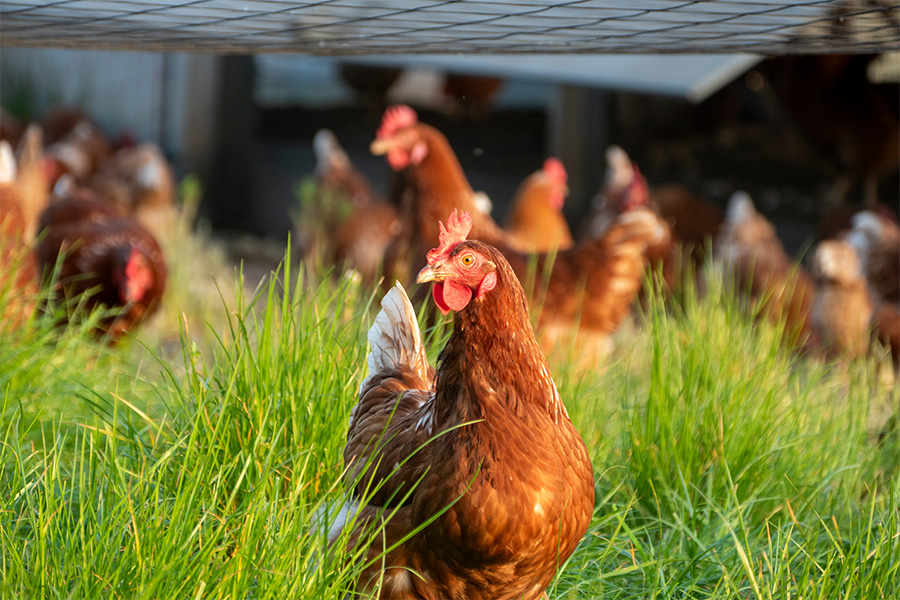
Biosecurity refers to procedures used to prevent the introduction and spread of disease-causing organisms in poultry flocks. Because of the concentration in size and location of poultry flocks in current commercial production operations and the inherent disease risks associated with this type of production, it is imperative that poultry producers practice daily biosecurity measures.
|
-

Research on improving broiler housing is ongoing. Energy costs are becoming more significant to the grower’s bottom line and housing construction, equipment and operation will be paramount in helping to make sure the houses are operated as efficiently as possible. As technology and equipment is redesigned and developed, researchers will continue to examine how broiler housing can be heated, cooled, and built in such a way that modern broilers continue to reach their genetic potential using the most economical and efficient methods.
|
-

Bin composting daily mortality can be a useful, cost-effective management tool when practiced correctly. However, it can be environmentally harmful if it is not managed and monitored properly. This publication shows the necessary steps to obtain a compost product from daily poultry mortality using a bin composting method.
|
-

This module describes the role of energy in the body, how much energy is contained in our foods, and how to correctly identify the key nutrient classes that our bodies require from the foods we eat. All of these components are related to the general makeup of a commercial poultry diet. The module is designed to be one in a series of publications to supply relevant educational content related to the poultry industry to agricultural teachers, STEM teachers, and the general public.
|