Selecting and Buying Resources
-
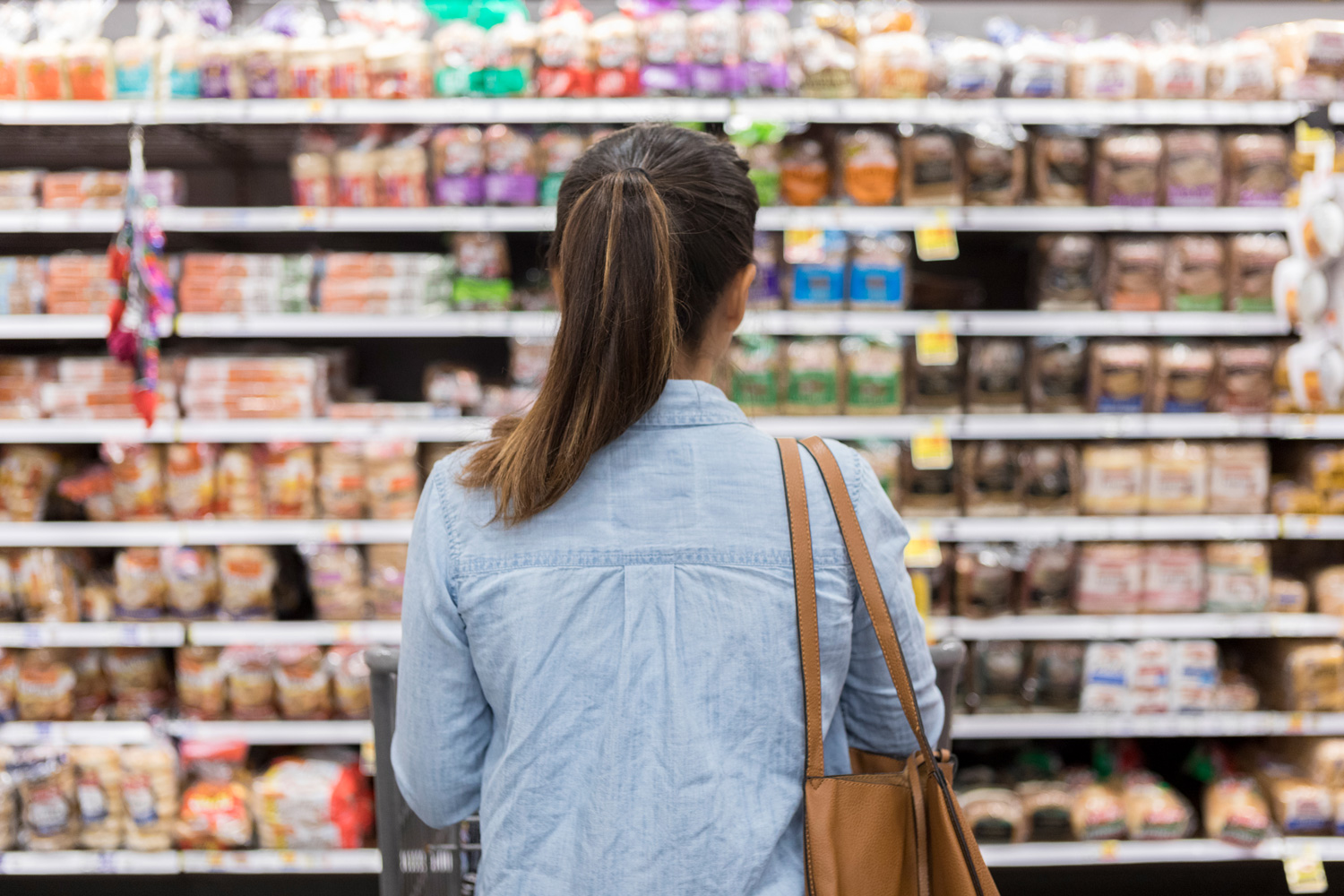
La diabetes es una condición crónica que requiere un manejo continuo para mantener niveles saludables de glucosa en sangre y prevenir complicaciones. Las decisiones que se toman al hacer las compras influyen directamente en la alimentación diaria, pero este proceso puede resultar confuso.
Para facilitarlo, se recomienda planificar con anticipación, revisar los alimentos disponibles en casa, elaborar una lista y evitar compras impulsivas. También es útil considerar cómo se integrarán los alimentos en las comidas, aprovechar ofertas y organizar las compras de forma eficiente. Elegir alimentos saludables y comprender la etiqueta nutricional—incluyendo el tamaño de la porción, calorías, grasas totales, carbohidratos totales, fibra, azúcares añadidos, proteínas y sodio—permite tomar mejores decisiones. Estas estrategias ayudan a simplificar las compras y a apoyar un mejor manejo de la diabetes.
|
-

C 1364-12-SP
Los carbohidratos
NewLos carbohidratos son los nutrientes que más influyen en los niveles de glucosa en sangre, por lo que es importante comprender su impacto al vivir con diabetes tipo 2. Sin embargo, puede resultar difícil identificar la cantidad y calidad de carbohidratos en alimentos procesados o empacados. Además, términos como “carbohidratos netos” o “efectivos” pueden generar confusión y llevar a percepciones equivocadas sobre ciertos productos.
Por ello, es fundamental entender qué son los carbohidratos, cómo se clasifican, qué son los azúcares añadidos y cómo interpretar la información en las etiquetas. Aprender a identificar fuentes de carbohidratos más saludables permite tomar decisiones más saludables y apoyar un mejor manejo de la glucosa en sangre.
|
-

C 1364-10-SP
Comer fuera de casa cuando tiene diabetes
NewComer fuera de casa es una actividad común por motivos sociales o de conveniencia, y las personas con diabetes pueden disfrutarla sin descuidar su salud. Sin embargo, los alimentos de restaurante suelen contener más calorías, sodio y grasa, lo que puede dificultar el control de la glucosa en sangre. Además, al comer fuera, no siempre se sabe cómo se preparan los alimentos, lo que añade un reto adicional. Para apoyar una mejor toma de decisiones, se recomienda aplicar estrategias prácticas como planificar con anticipación, controlar las porciones, hacer pequeños ajustes en los platillos, elegir opciones más saludables según el tipo de cocina, y tomarse el tiempo para hacer preguntas sobre la preparación de los alimentos. Estas acciones permiten equilibrar la conveniencia con el bienestar y favorecen un mejor manejo de la diabetes en la vida diaria.
|
-

Esta publicación ofrece una guía completa y accesible sobre cómo llevar una alimentación saludable para manejar la diabetes, comenzando con los principios básicos de una dieta equilibrada y presentando el Método del Plato para la Diabetes como una herramienta sencilla para organizar comidas balanceadas. Explica los distintos grupos de alimentos que componen un plato saludable—incluyendo verduras sin almidón, proteínas magras, alimentos con carbohidratos como frutas, verduras con almidón, pan, pasta y arroz—y añade información sobre la leche y el yogur, las grasas saludables, los suplementos cuando son necesarios y el uso de edulcorantes o endulzantes artificiales como sustitutos del azúcar. En conjunto, esta publicación brinda orientación clara y culturalmente relevante que ayuda a las personas con diabetes a planificar mejor sus comidas y favorecer un adecuado control de la glucosa en su vida diaria.
|
-
C 1364-11
Shopping for Your Diabetes Meal Plan
When you have diabetes, being aware of your food choices and eating habits is important, but it can be stressful when it comes to grocery shopping. Reading the Nutrition Facts labels is one way to find healthier options. This resource has tips on what to look for to make your shopping easier and less overwhelming.
|
-
C 1364-12
All About Carbohydrates
People living with diabetes have to pay special attention to carbohydrates, but because of some manufacturers’ labels, it can be difficult to determine the quantity of carbohydrates in different foods. This resource will help readers cut through the marketing language and find the information they need about the carbohydrate content of foods.
|
-
C 1364-10
Eating Out With Diabetes
People with diabetes have to make careful dietary choices to maintain healthy blood glucose levels. This is difficult when eating out because you do not control or know exactly how your food is prepared, but this resource covers practical tips from the American Diabetes Association for making smarter choices while eating out, even at fast food restaurants.
|
-
When you have diabetes, managing your diet is a key part of managing your diabetes, but it doesn’t have to be complicated. Choosing balanced, nutrient-rich meals is key to managing diabetes and promoting long-term wellness. Plan meals around the core principles explained in this resource, which emphasize balance, variety, and nutrient quality.
|
-

C 1323-04
Understanding the Nutrition Facts Label
The U.S. FDA regulates the Nutrition Facts label on most packaged foods and beverages. This label is a tool that can help you make informed decisions and healthier food choices. Nutrient content claims may describe the amount of a nutrient in a food product or compare it to that of another food product.
|