Selecting and Buying Resources
-
C 1323-06
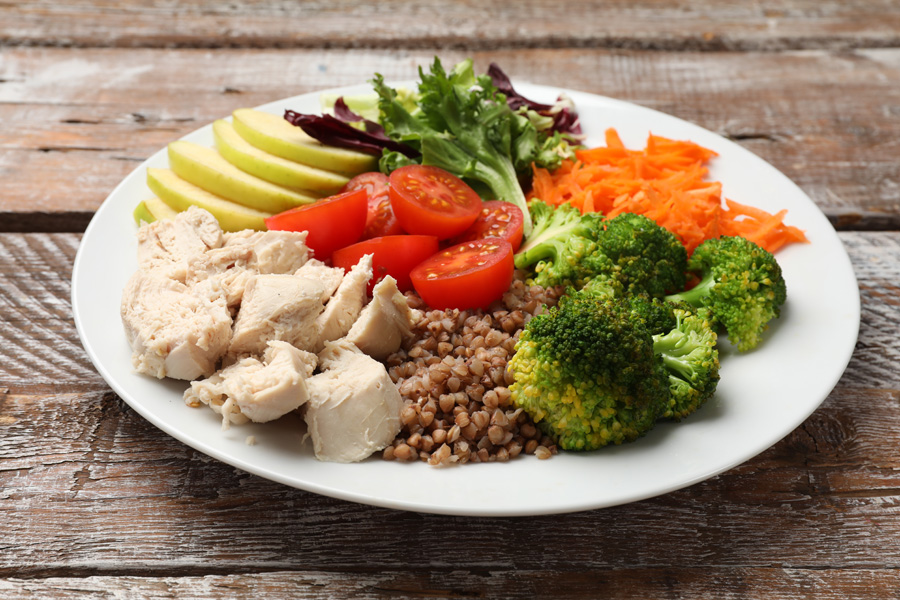
Diabetes Plate Method
The Diabetes Plate Method is an approach to creating a healthy eating pattern, and it may be used alone or in combination with other tools to help you meet your nutrition and health goals. Research has shown that the Diabetes Plate Method can help people with diabetes lower their A1c, which improves blood glucose management.
|
-
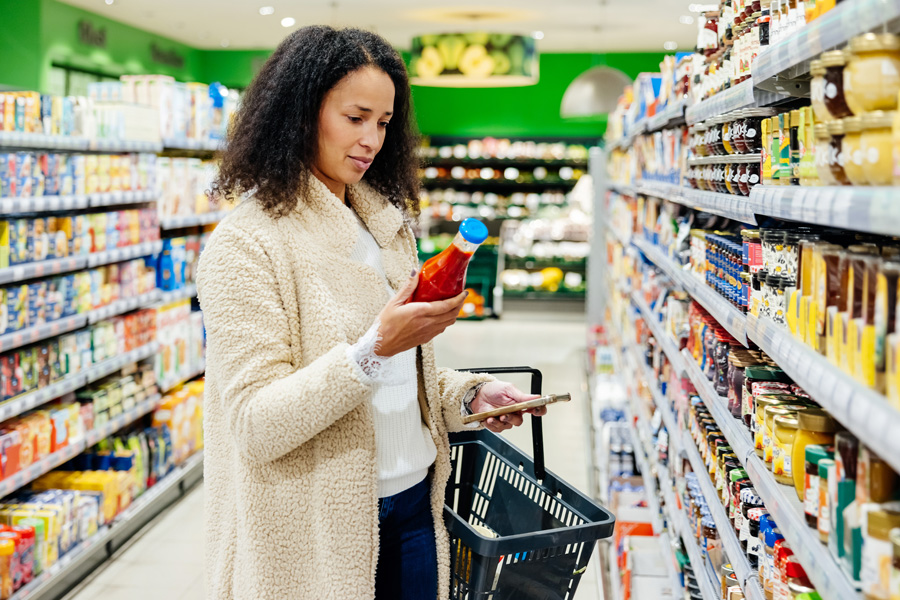
The body needs sodium, but consuming too much over time can increase blood pressure. Having higher blood pressure increases your risk for heart attack, stroke, and kidney disease. For people with diabetes, high blood pressure can increase the risk of complications from diabetes.
|
-
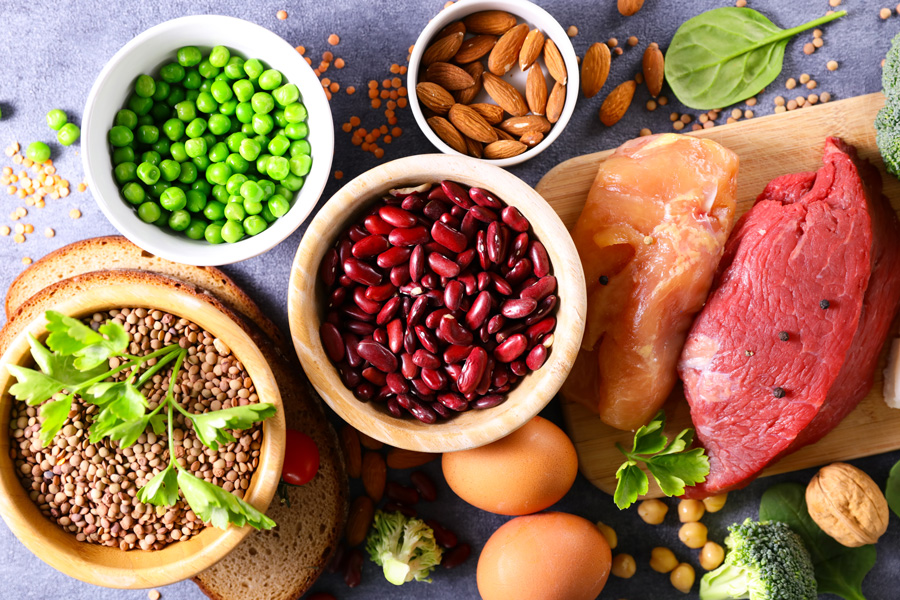
This publication provides a clear and balanced comparison of plant-based and animal-based proteins in our food. It looks at the nutritional value, environmental impact, and health effects of each type of protein. The goal is to help readers understand more about these protein sources without saying whether one is better than another—in other words, to inform and educate, giving everyone the knowledge to learn about different dietary options.
|
-
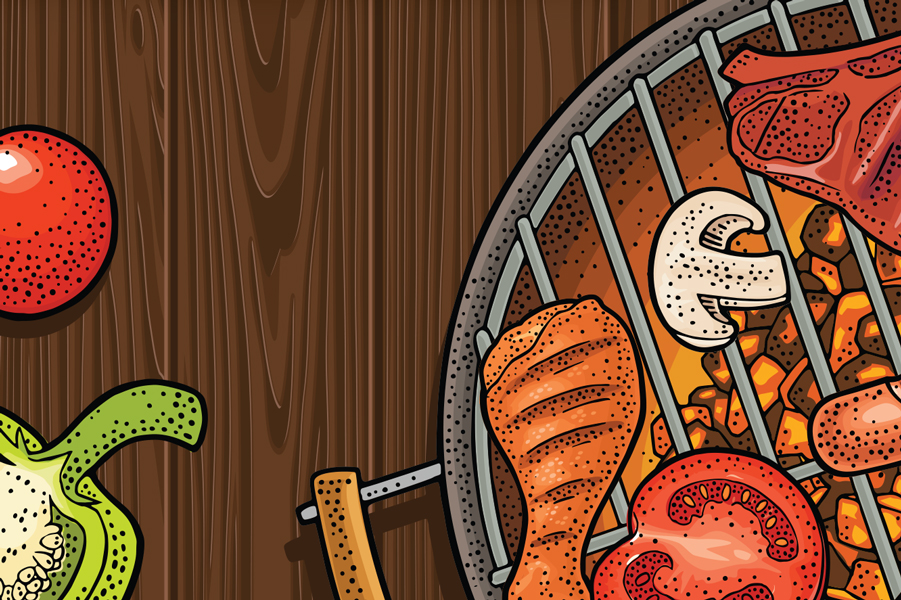
Whether you are a seasoned griller or a beginner, this guide has you covered with the top 10 tips for a safe and delicious experience. Learn how to prevent foodborne illnesses, reduce food waste, and enhance your outdoor cooking experiences. This publication will show you how to keep your friends and family safe, promote sustainability, and ensure a worry-free and enjoyable time while grilling and chilling outdoors. Happy grilling!
|
-
Garantice la seguridad alimentaria durante sus aventuras culinarias al aire libre este verano. Ya sea que sea un asador experimentado o un principiante, esta guía lo cubre con los 10 mejores consejos para una experiencia segura y deliciosa. Desde planificar su menú y comprar ingredientes frescos hasta manipular, cocinar, servir y manejar las sobras, la publicación brinda orientación paso a paso. Aprenda cómo prevenir enfermedades transmitidas por los alimentos, reducir el desperdicio de alimentos y mejorar sus experiencias de cocina al aire libre. Esta publicación le mostrará cómo mantener seguros a sus amigos y familiares, promover la sostenibilidad y garantizar un momento agradable y sin preocupaciones mientras hace parrilladas y se relaja al aire libre. ¡Feliz parrillada! [Spanish-language version of C 1309 Grill & Chill]
|
-
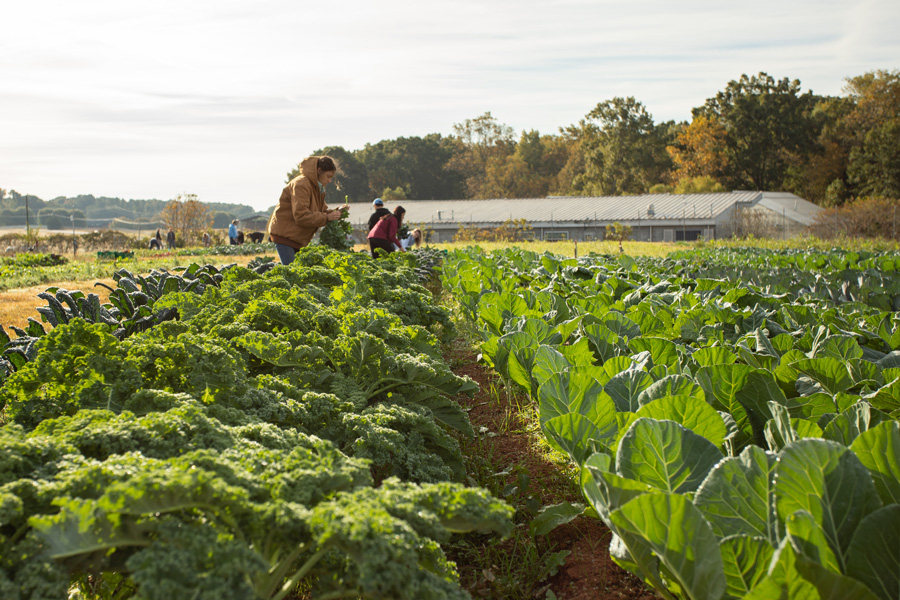
Label terms and certifications can be divided into those that are regulated and those that are unregulated. Regulated label terms and certifications are usually defined by the United States Department of Agriculture (USDA) or the Food and Drug Administration (FDA). Within the USDA, the Food Safety and Inspection Service (FSIS) is the agency responsible for the truthful labeling of meat and poultry products. The use of labels and certifications is governed by law and violations of use can have legal consequences. Unregulated terms have generally accepted definitions but do not have legal ramifications or verification of adherence. Many common label claims, such as “humanely raised” or “sustainably farmed,” refer to the process used to farm livestock but are unregulated, and there are no legal definitions for these claims. This publication summarizes some common regulated and unregulated terms in agriculture and livestock production.
|
-
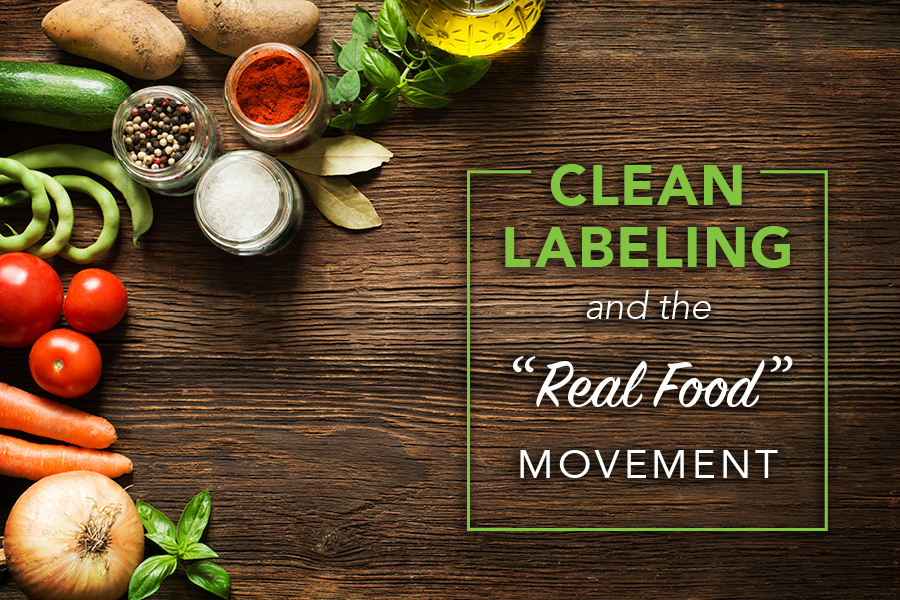
“‘Clean label’ foods” generally refers to food products that are simple, natural, and minimally processed. Clean labeling is a food industry movement that caters to the consumer who wants food products to be as “real” and preservative-free as possible. Although “clean labeling” is becoming more ubiquitous among food companies, there is no formal definition for the term. It originates from consumer perception of “natural” foods and is then self-defined by food companies, restaurants, and retailers.
In order to build a trustworthy relationship with consumers, more companies have removed or are planning to remove artificial ingredients from their products. However, this process is not easy, and manufacturers must ensure the efficacy, safety, quality, and cost-effectiveness of natural substitutes before using these alternatives widely.
|
-

C 1037-17
Healthy Eating on a Budget
Learn how to help your family eat healthy on a budget, and help your child keep track of what he/she eats in each food group using a simple chart.
|
-

C 1037-16
A Variety of Foods for Picky Eaters
Read tips for helping picky eaters try new foods, and play a food finder game with your child on your next grocery shopping trip.
|