Tifton Resources
-

This publication provides information on pulse width modulation (PWM) technology including its working principle, components, benefits, and best management practices for its optimal utilization on agricultural sprayers. Pulse width modulation technology was developed to overcome pressure variation issues, as the flow rate is varied by changing the cycle of the electronically actuated solenoid valves while the system pressure remains constant throughout the boom.
|
-

This report provides research and extension results for trials conducted by the University of Georgia Vegetable Team and its collaborators in the 2024-2025 growing season. The goal of this project was to find potential ways to manage wild radish in seeded greens such as mustard, turnips, collards, and others. Wild radish, a member of the mustard family, has historically been recognized as a winter annual weed mainly infesting winter crops grown across the Southeast. Contributing authors include county and regional faculty as well as specialists from UGA’s horticulture, plant pathology, crop and soil sciences, and entomology departments. All research has been supported by the Georgia Commodity Commission for Vegetables.
|
-
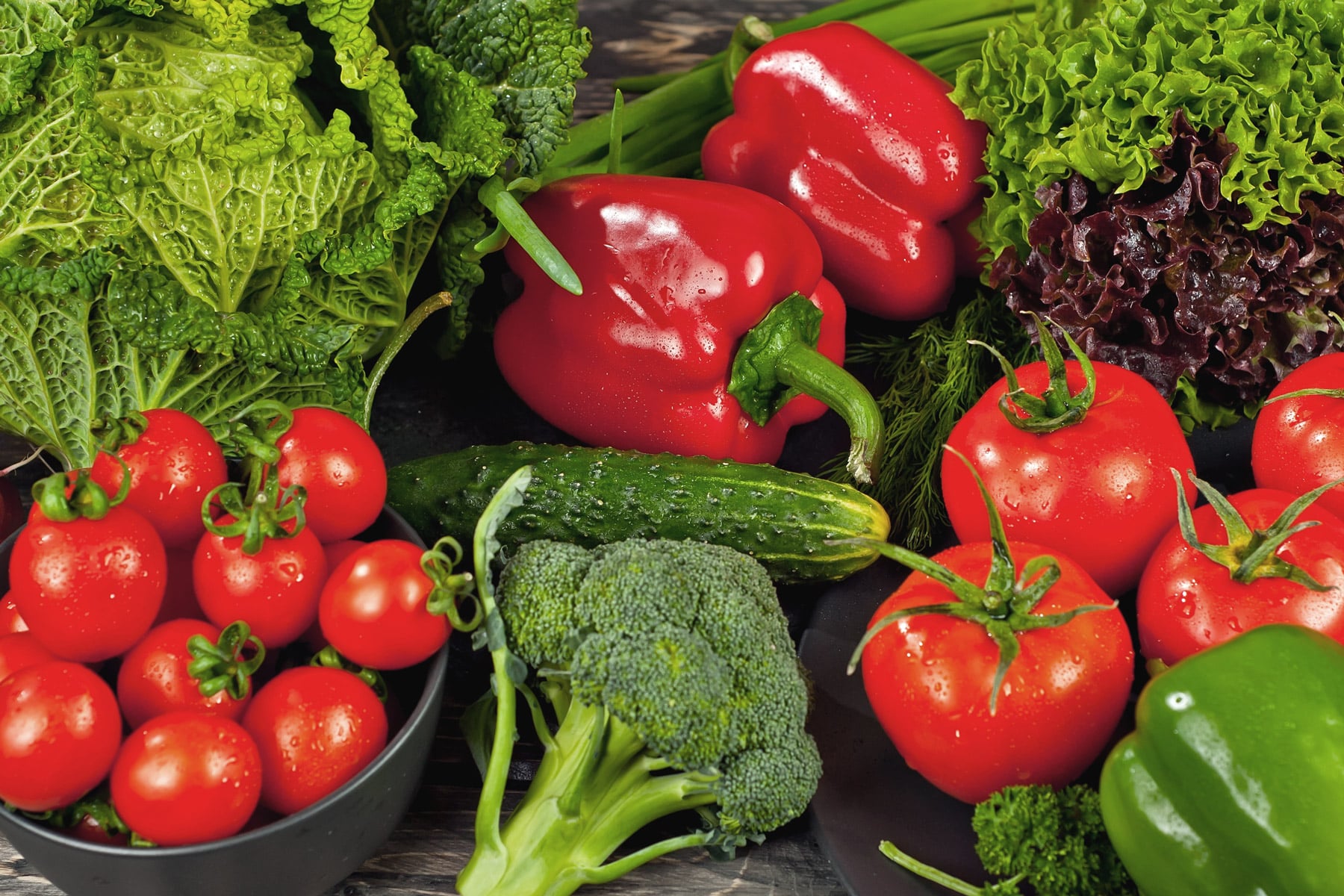
This report provides research and extension results for trials conducted by the University of Georgia Vegetable Team and its collaborators in the 2024-2025 growing season. Contributing authors include county and regional faculty as well as specialists from UGA’s horticulture, plant pathology, crop and soil sciences, and entomology departments. All research has been supported by the Georgia Commodity Commission for Vegetables.
|
-
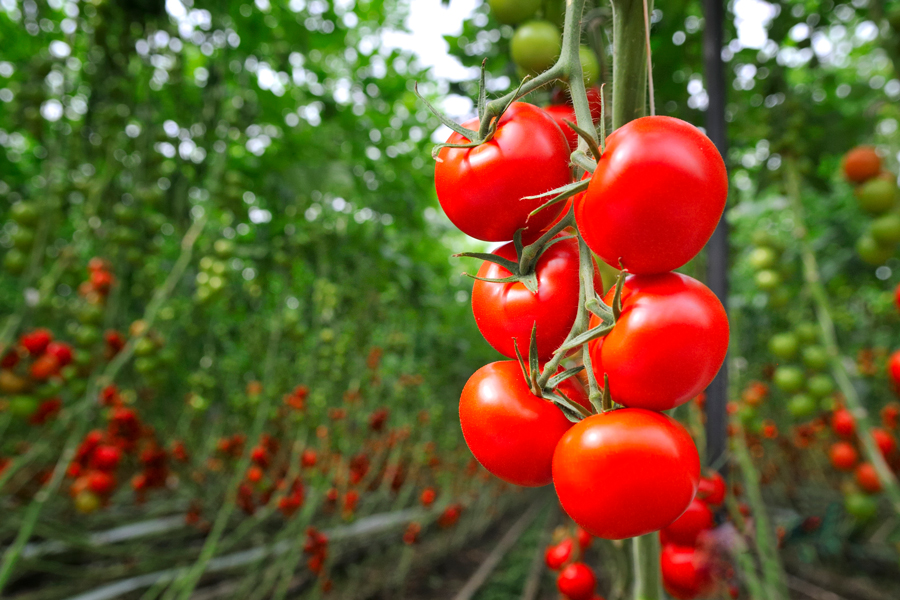
This report provides research and extension results for trials conducted by the University of Georgia Vegetable Team and its collaborators in 2024. Contributing authors include county and regional faculty as well as specialists from UGA’s horticulture, plant pathology, crop and soil sciences, and entomology departments. All research has been supported by the Georgia Commodity Commission for Vegetables.
|
-
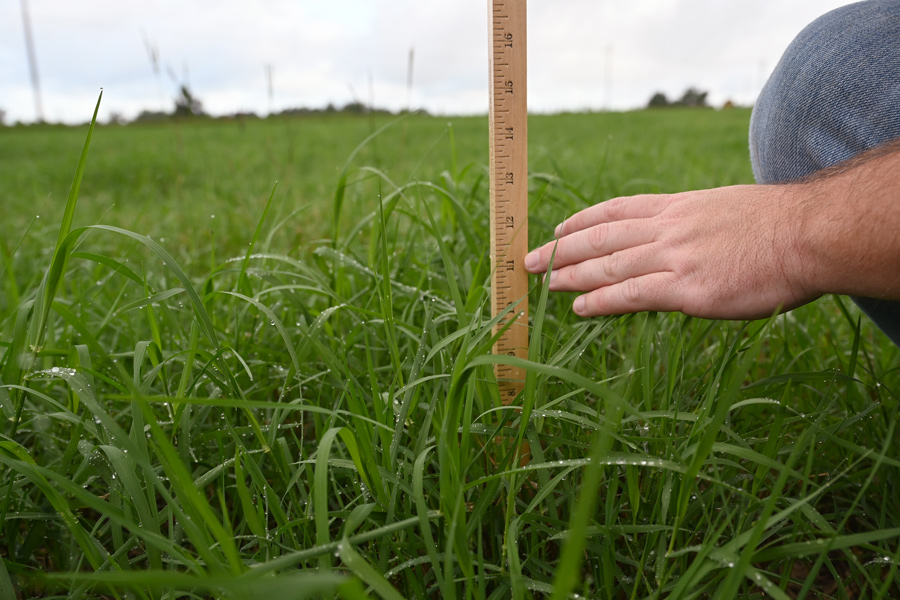
B 1567
How to Use a Grazing Stick
Grazing management requires accurate estimates of forage availability to adjust forage supply to meet animal needs. However, incorrect forage availability estimates can negatively impact important grazing-management decisions such as stocking rate and grazing time. Visually estimating pasture yield is inexpensive and fast, but untrained persons can give biased and unreliable estimates. One of the easiest, most affordable, and most reliable estimation options is using a grazing stick or pasture ruler. This publication outlines the procedures used for collecting data in field and calculating available forage for your farm. An additional author is Justin Burt, a postdoctoral research associate in the Department of Crop and Soil Sciences, University of Georgia Tifton Campus.
|
-

This report provides research and extension results for trials conducted by the University of Georgia Vegetable Team and its collaborators in 2023. Contributing authors include county and regional faculty as well as specialists from UGA’s horticulture, plant pathology, crop and soil sciences, and entomology departments. All research has been supported by the Georgia Commodity Commission for Vegetables.
|
-
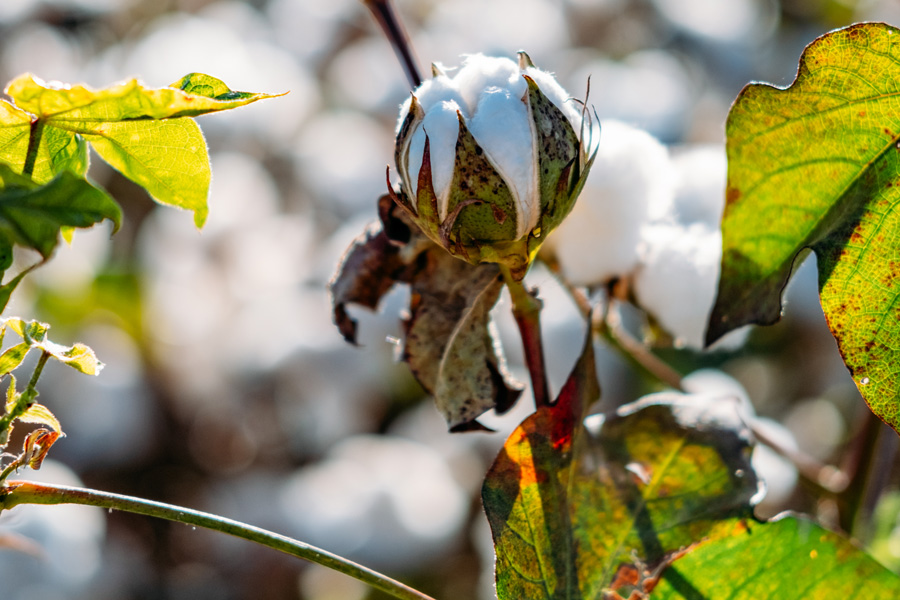
AP 124-3
2023 Georgia Cotton Production Guide
The 2023 edition of the cotton production guide provides an in-depth look at cotton production in Georgia and the Southeastern U.S. Issues discussed include economic outlook, fertility, weed management, insect management, disease and nematode management, irrigation decisions, precision ag technology, and general agronomics of the cotton crop (varieties, PGR applications, defoliation, etc.).
|
-

This report provides research and extension results for trials conducted by the University of Georgia Vegetable Team and its collaborators in 2022. Contributing authors include county and regional faculty as well as specialists from UGA’s horticulture, plant pathology, crop and soil sciences, and entomology departments. All research has been supported by the Georgia Commodity Commission for Vegetables.
|
-

Most farm injuries and fatalities are preventable when you adhere to safe operating practices. The following are general guidelines for improved safety on the farm.
|