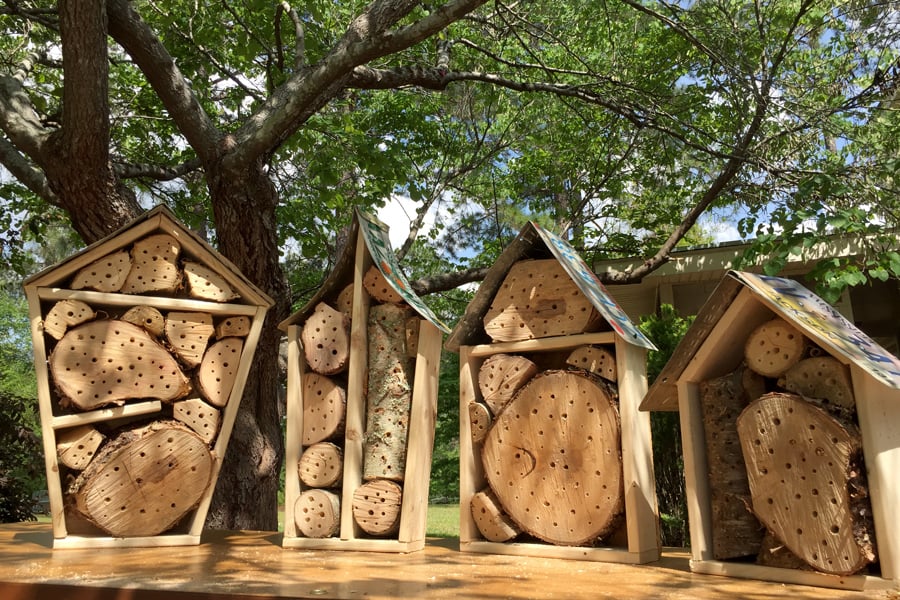
UGA College of Agricultural & Environmental Sciences Field Report
  • Stories
    Almanac

    Science in service of humanity and the environment

    Read our annual magazine here

    READ


    Dive into engaging stories that showcase our statewide, national and global impact.

    Check out our written stories here

    LOOK


    Browse curated photo galleries capturing the people, places and programs that bring CAES to life.

    Check out our photo galleries here

    WATCH


    Experience our stories through videos that highlight our people, projects and passions in action.

    Check out our video library here

    LISTEN


    Tune in to “Cultivating Curiosity,” our podcast featuring in-depth conversations with CAES experts.

    Check out our podcast here
  • Expert Resources

    Expert Resources


    From farms and gardens to families and finances, our expert resources empower Georgians with trustworthy, practical science.

    Gardening
    Invasive species
    Food and food safety
    Ants, termites and other pests
    Pollinators
    Livestock
    Emergency preparedness
    Home safety and maintenance
    Health, family and finances
    Nutrition
    Water quality
    Lawn maintenance and landscaping
    Turfgrass
    View all topics

    What is an Expert Resource?


    We publish unbiased, research-backed expert advice to empower Georgians with practical, trustworthy information they can trust.

    These resources are written and reviewed by experts in the UGA College of Agricultural and Environmental Sciences and the UGA College of Family and Consumer Sciences.

    Learn how we produce science you can trust
  • Events
  • Contact
  • Read
  • Look
  • Watch
  • Listen
Subscribe
  • LinkedIn
  • Facebook
  • Instagram
  • Stories
    Almanac

    Science in service of humanity and the environment

    Read our annual magazine here

    READ


    Dive into engaging stories that showcase our statewide, national and global impact.

    Check out our written stories here

    LOOK


    Browse curated photo galleries capturing the people, places and programs that bring CAES to life.

    Check out our photo galleries here

    WATCH


    Experience our stories through videos that highlight our people, projects and passions in action.

    Check out our video library here

    LISTEN


    Tune in to “Cultivating Curiosity,” our podcast featuring in-depth conversations with CAES experts.

    Check out our podcast here
  • Expert Resources

    Expert Resources


    From farms and gardens to families and finances, our expert resources empower Georgians with trustworthy, practical science.

    Gardening
    Invasive species
    Food and food safety
    Ants, termites and other pests
    Pollinators
    Livestock
    Emergency preparedness
    Home safety and maintenance
    Health, family and finances
    Nutrition
    Water quality
    Lawn maintenance and landscaping
    Turfgrass
    View all topics

    What is an Expert Resource?


    We publish unbiased, research-backed expert advice to empower Georgians with practical, trustworthy information they can trust.

    These resources are written and reviewed by experts in the UGA College of Agricultural and Environmental Sciences and the UGA College of Family and Consumer Sciences.

    Learn how we produce science you can trust
  • Events
  • Contact
  • Read
  • Look
  • Watch
  • Listen
Subscribe
  • LinkedIn
  • Facebook
  • Instagram
Subscribe
  • LinkedIn
  • Facebook
  • Instagram
  1. Home
  2. Expert Resources
  3. Topics
  4. Lawn and Garden
  5. Urban Agriculture

Urban Agriculture Resources

Use the Advanced Search
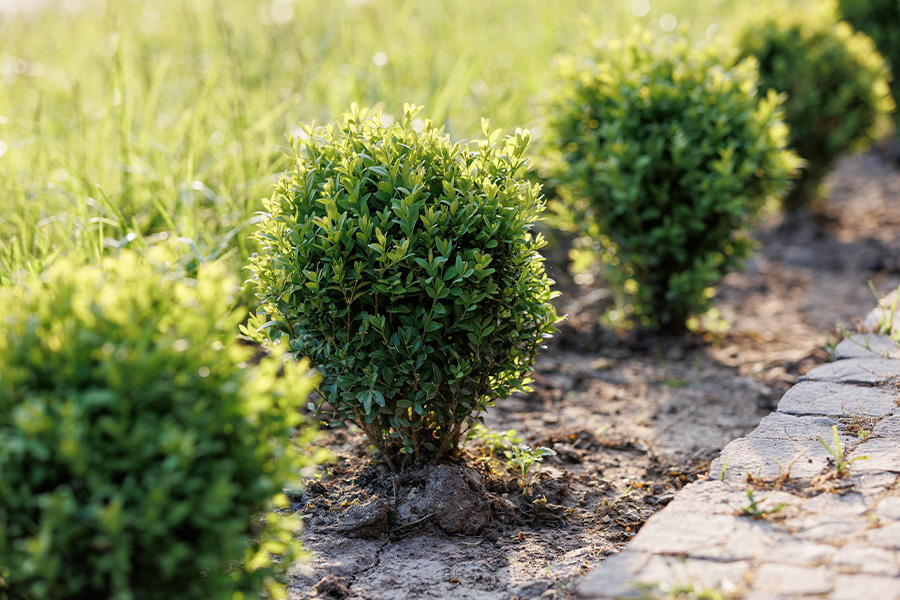
  • a row of small shrubs makes a border along a sidewalk

    C 1107

    Think Outside the Boxwood: Alternative Plants for Gardens and Landscapes

    This publication provides alternative plants to replace boxwood in landscapes across Georgia. It includes information on new cultivars and cautions against the use of plants on the GA-EPPC invasive plant list, as well as species and cultivars affected by common pests and diseases.

    Bodie V. Pennisi, Gary Peiffer, and Greg Huber

    |

    Jan. 5, 2026
  • A small limb with leaves grows from the bottom of the cut area where a large limb was removed

    C 1098

    Hiring a Tree Care Service

    Healthy trees add to property value and have many ecological benefits.

    Hiring a tree care service is an important decision. The work is often dangerous for the workers and if not properly done, can damage property and damage or kill the tree. These guidelines will help tree owners select a tree care service.

    Keith Mickler, Jule-Lynne Macie, Timothy Daly, and Ellen M. Bauske

    |

    Jan. 5, 2026
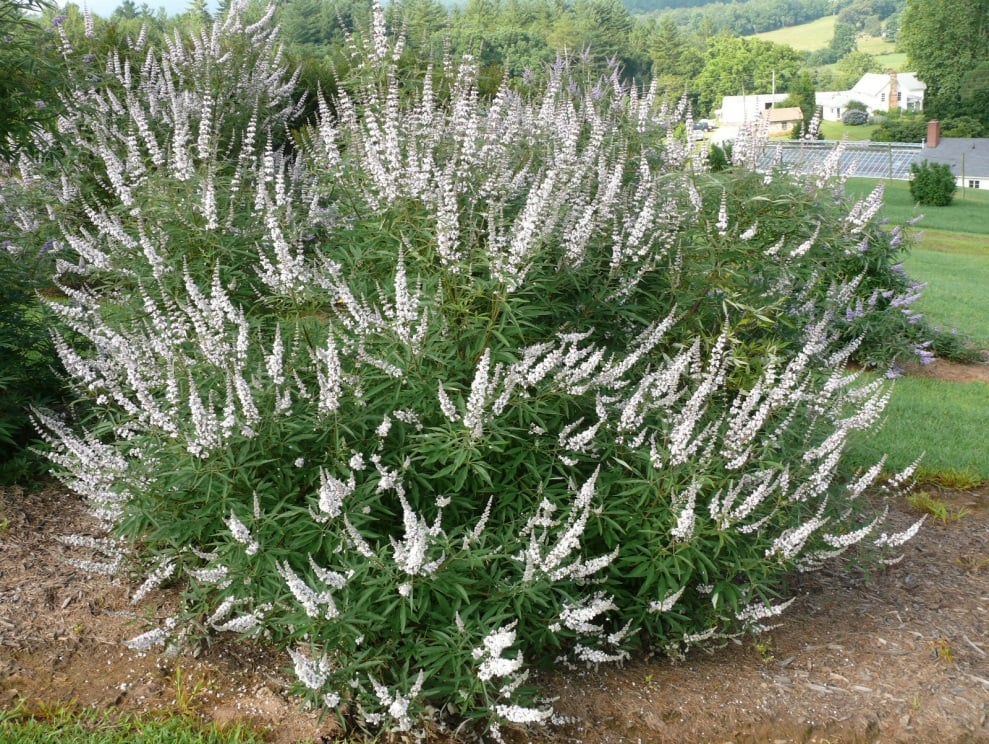
  • The New and Improved Chaste Tree

    C 1076

    The New and Improved Chaste Tree

    Chaste tree (genus Vitex) is an ornamental with many desirable qualities for the urban landscape. It is a deciduous shrub to small tree proffering violet flowers, which are a magnet for pollinators, fragrant foliage, and excellent drought and deer tolerance. It’s not surprising that it has been touted as one of the best plants for Georgia gardens.

    There is always room for improvement on what nature provided, so the breeding team at the University of Georgia Department of Horticulture has spent years working to improve on this valuable ornamental, and they are ready to offer several great new plants: ‘Daytona Heat Danica Pink,’ ‘Daytona Heat Dale White,’ ‘Daytona HeatTM Petty Blue,’ ‘Pink Pinnacles,’ and ‘Little Madame.’ This publication highlights the features of these chaste trees.

    Carol Robacker, David A. Knauft, and Bodie V. Pennisi

    |

    Jan. 5, 2026
  • Three older women work in a greenhouse in a community garden

    C 1027-6

    Less Expensive Sources of Plant Material, Amendments and Tools

    This publication offers advice on finding less expensive sources of plant material, amendments and tools for community and school gardens.

    Bob Westerfield

    |

    Jan. 5, 2026
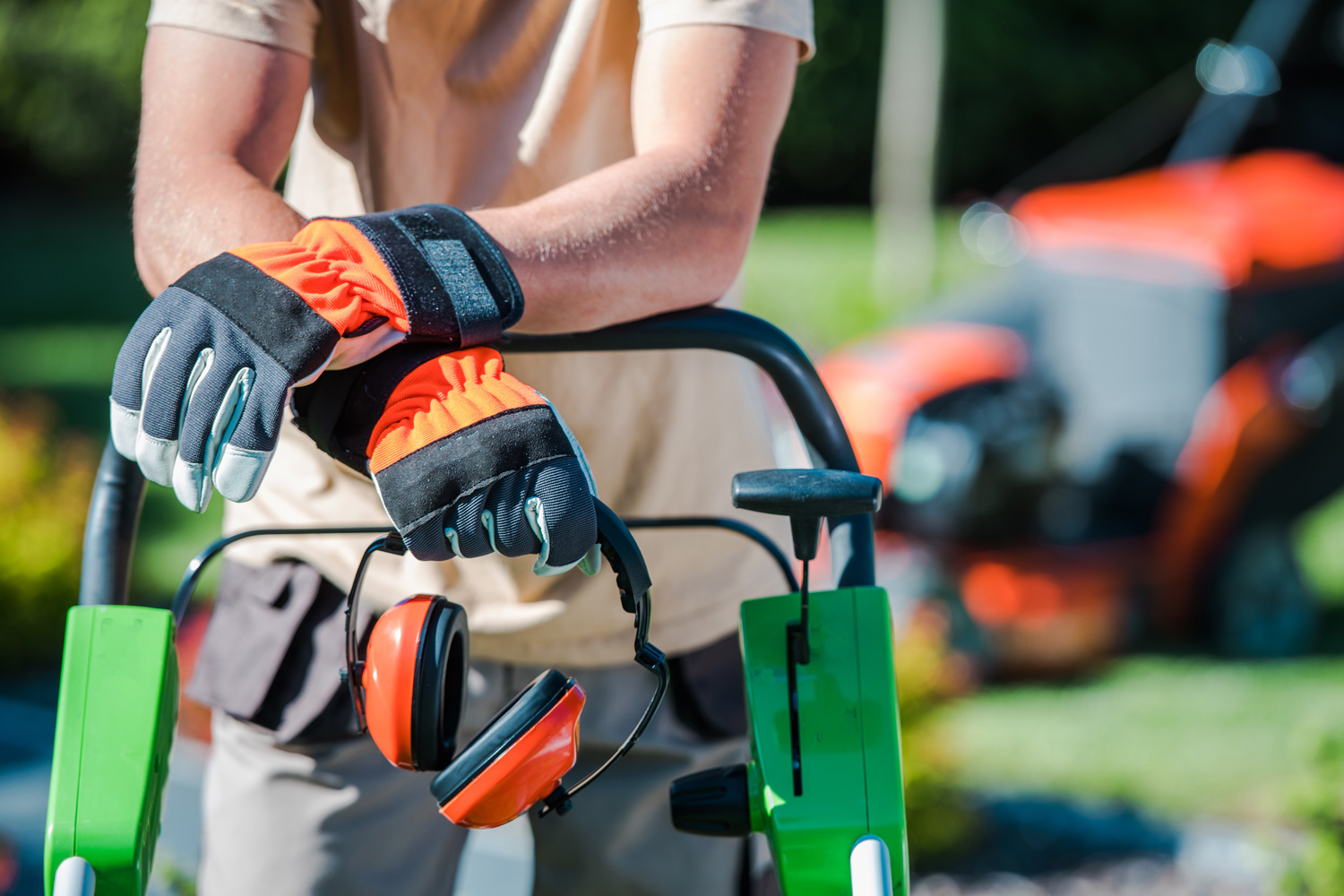
  • Stocking the Toolshed: Hand Tools

    C 1027-8

    Stocking the Toolshed: Hand Tools

    This publication describes the types and quantities of hand tools that work best for community and school gardens, including shovels, rakes, trowels, hand pruners, gloves, children’s tools, and carts and wheelbarrows.

    Bob Westerfield and David Berle

    |

    Jan. 5, 2026
  • C 1358

    Protecting Ground-Nesting Bees in Urban Landscapes

    Bees are among the most populous, diverse, and effective pollinators. Approximately 70% of bee species nest in the ground, spending their larval and pupal stages underground. This resource helps residents understand how to help these bees as continued urbanization threatens natural spaces and land degradation, pollution, and habitat destruction present serious challenges to sustaining bee populations.

    Zia Valerie Williamson and Shimat V. Joseph

    |

    Nov. 11, 2025
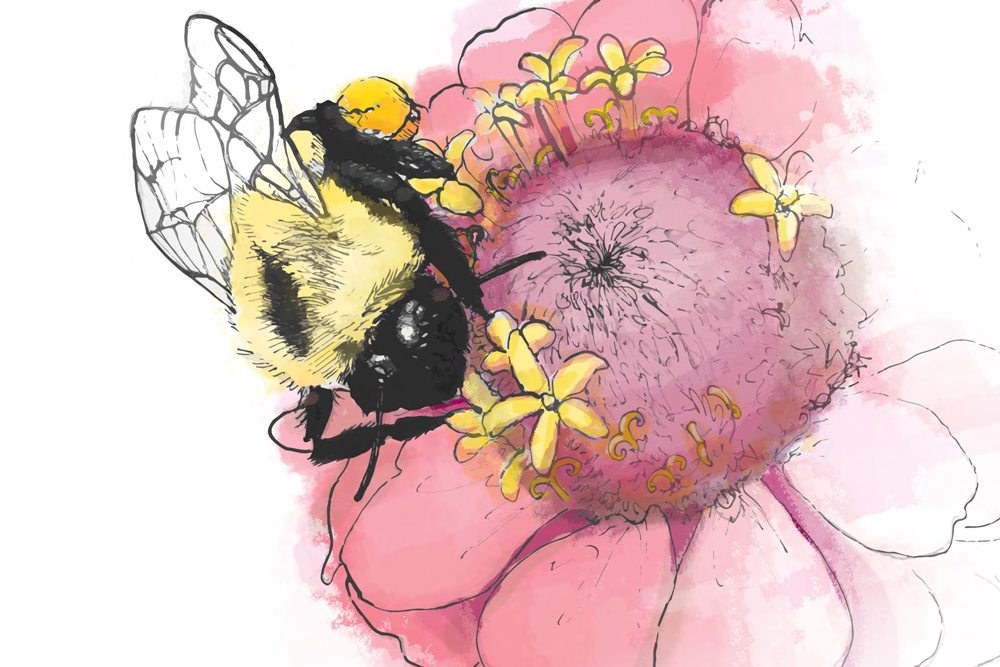
  • watercolor style illustration of a bee on a pink flower

    B 1456

    The Eco-Friendly Garden: Attracting Pollinators, Beneficial Insects, and Other Natural Predators

    A pollinator-friendly and ecologically sustainable garden is both beautiful and able to attract and sustain beneficial insects, reducing the need for pesticides. This publication is based on new research in habitat management for purposes of planting insect-attracting plant species in order to intentionally draw insects to garden areas and urban landscapes. This is done by providing a refuge for the insects during winter and nectar and pollen resources. Plant selection directly affects beneficial insect populations, those insects that can provide ecological benefits such as biodiversity and natural pest control. This concept of “habitat management” can lead to potential increases in pollinating and other beneficial insect populations. An increase in these populations in landscapes will contribute to improved pollination of plants and biological pest control and reduce the need for pesticides.

    Bethany A Harris, S. Kris Braman, Bodie V. Pennisi, and Maria Putzke

    |

    Oct. 6, 2025
  • C 1075

    Urban Gardening: Assessing Soils for Contamination

    Urban gardeners and farmers may have concerns about potentially harmful contaminants in their soils. By determining the historical use of the land, one can test for soil contamination associated with prior use. This publication outlines appropriate testing procedures for soil contamination and recommends best gardening practices for working in urban soils.

    Jason Lessl

    |

    July 11, 2025
  • C 1127

    Management of Turfgrass Insect Pests and Pollinator Protection

    Turfgrass is an important component of many landscapes. Research has shown that landscapes support diverse, abundant, and intact bee communities in New York, California, and Ohio. In fact, the abundance and diversity of bees visiting home landscapes have been observed to approach, and even exceed, numbers in nearby natural and/or agricultural systems. If the turfgrass has been treated or is being treated with insecticides, the pollinators can be exposed directly or indirectly to the insecticides on the weeds. This can cause lethal or sublethal effects on these pollinators. The guidelines in this publication will reduce insecticide exposure to pollinators as they seek nectar and pollen from plants around lawns.

    Shimat V. Joseph and Ellen M. Bauske

    |

    June 25, 2025
1 2 3 … 6
Next Page

About CAES

CAES Home

Overview

History

Administration

Jobs

Personnel Directory

Privacy Policy

Accessibility Policy

AI Guidelines

Affiliations

UGA Cooperative Extension

Tifton Campus

Griffin Campus

University of Georgia
  • Schools and Colleges
  • Directory
  • MyUGA
  • Employment Opportunities
  • Copyright and Trademarks
  • UGA Privacy Policy
  • Submit a Student Complaint
#UGA on
© University of Georgia, Athens, GA 30602
706‑542‑3000