Urban Agriculture Resources
-
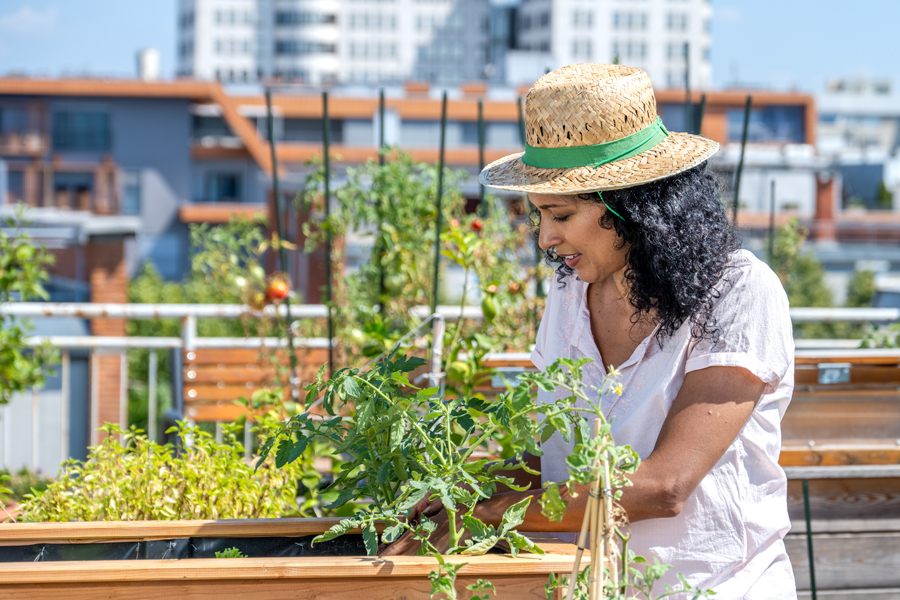
Urban gardeners and farmers may have concerns about potentially harmful contaminants in their soils. By determining the historical use of the land, one can test for soil contamination associated with prior use. This publication outlines appropriate testing procedures for soil contamination and recommends best gardening practices for working in urban soils.
|
-
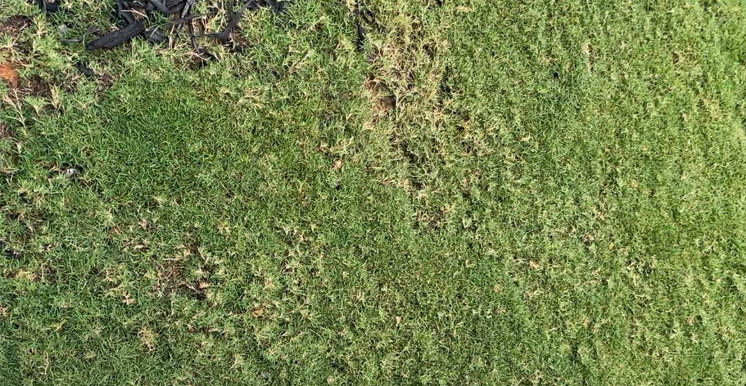
Turfgrass is an important component of many landscapes. Research has shown that landscapes support diverse, abundant, and intact bee communities in New York, California, and Ohio. In fact, the abundance and diversity of bees visiting home landscapes have been observed to approach, and even exceed, numbers in nearby natural and/or agricultural systems. If the turfgrass has been treated or is being treated with insecticides, the pollinators can be exposed directly or indirectly to the insecticides on the weeds. This can cause lethal or sublethal effects on these pollinators. The guidelines in this publication will reduce insecticide exposure to pollinators as they seek nectar and pollen from plants around lawns.
|
-
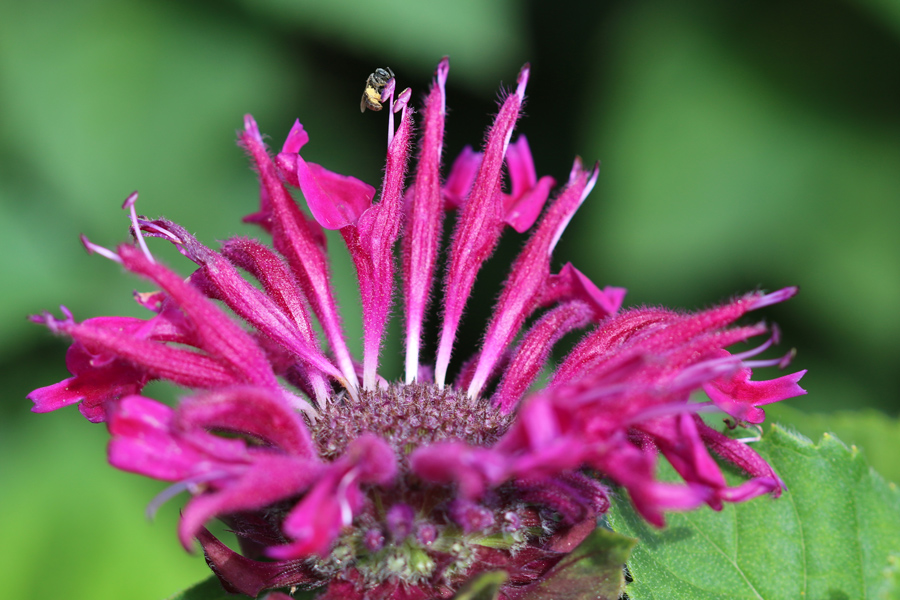
Monarda, commonly known as beebalm, is a North American perennial naturally found in woodlands, meadows, and floodplains. Aside from its aesthetics, beebalm offers environmental benefits, as its flowers, seeds, and shoots provide forage and habitat for many species of wildlife, including insects and birds. This publication covers the results of performance trials for 10 popular Monarda plants in the montane and piedmont (i.e., northern) Georgia regions.
|
-
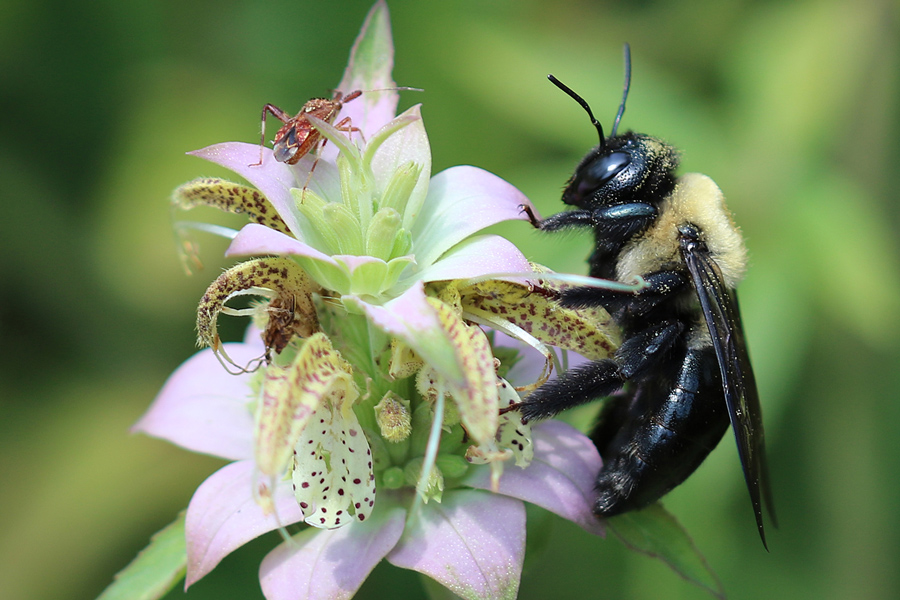
Monarda (beebalm) is a North American perennial naturally found in woodlands, meadows, and floodplains. It offers environmental benefits, as its flowers, seeds, and shoots provide forage and habitat for many species of wildlife, including insects and birds. This publication covers more details from our trials on 10 popular Monarda plants, this time focusing specifically on their floral properties.
|
-
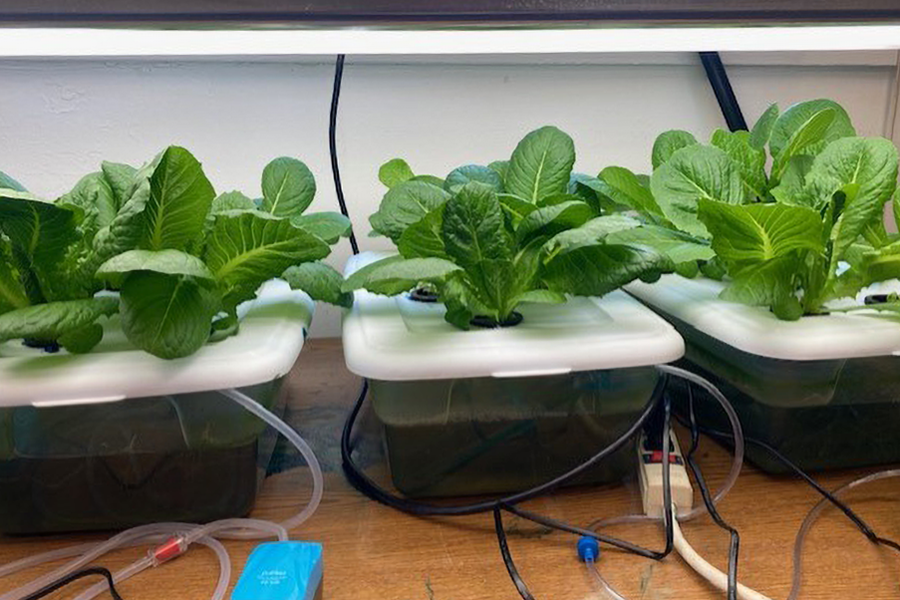
Important considerations for starting a small hydroponic operation at your home or an urban garden site.
|
-
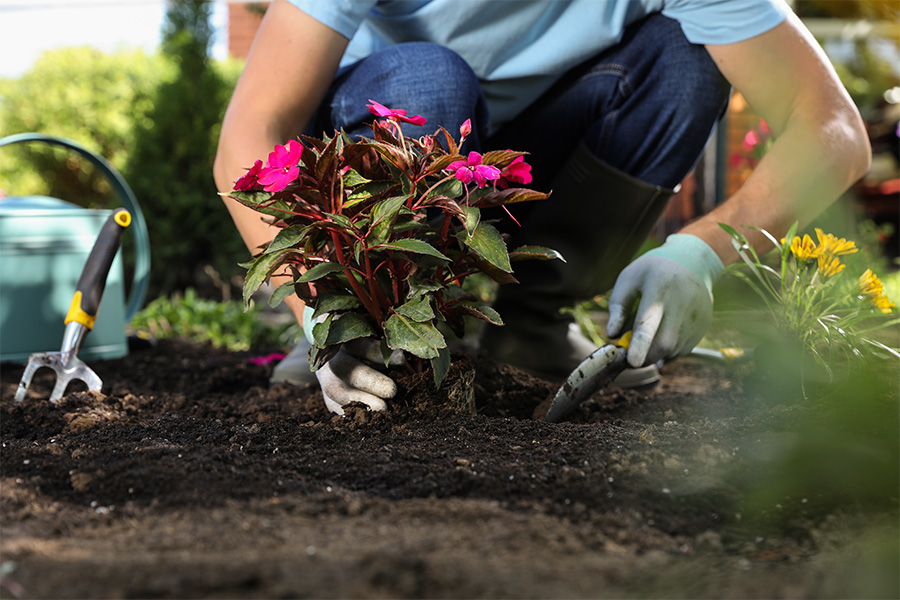
Proper planting is essential for healthy, vigorous growth of ornamental plants in the landscape. It assures rapid plant establishment by providing a favorable environment for the developing root system. This resource offers step-by-step guidelines that will help you achieve planting success.
|
-
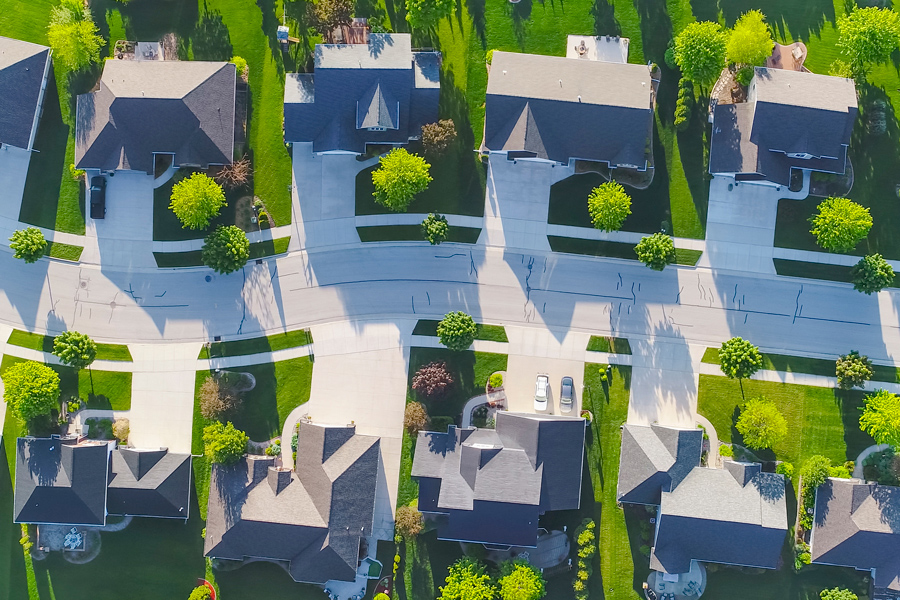
Homeowner associations strive to provide attractive and functional landscapes for HOA members. Your county Cooperative Extension agent is a valuable collaborator in this quest. UGA Extension agents can provide access to university resources and scientific information that may help you manage the community water features, troubleshoot pest problems, update covenants, and more.
|
-

Storm water is the runoff from land and impervious areas such as paved streets, parking lots and building rooftops during rain events. It often contains pollutants such as nutrients, bacteria, sediment and metals that could adversely affect water quality.
|
-
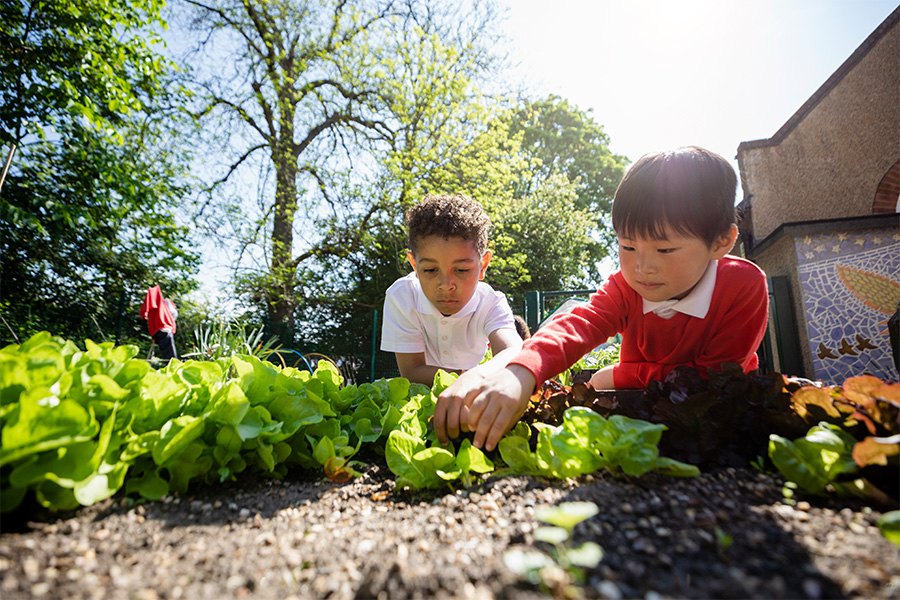
C 963-SP
Calendario para Siembra de Vegetales
Esta es la versión en español del Cuadro de plantación de hortalizas de la Circular 963, Horticultura en Georgia. Traducido por Rolando Orellana. [This is the Spanish-language version of the Vegetable Planting Chart from Circular 963, Vegetable Gardening in Georgia.]
|