UGA College of Agricultural & Environmental Sciences Field Report
  • Stories
    Almanac

    Science in service of humanity and the environment

    Read our annual magazine here

    READ


    Dive into engaging stories that showcase our statewide, national and global impact.

    Check out our written stories here

    LOOK


    Browse curated photo galleries capturing the people, places and programs that bring CAES to life.

    Check out our photo galleries here

    WATCH


    Experience our stories through videos that highlight our people, projects and passions in action.

    Check out our video library here

    LISTEN


    Tune in to “Cultivating Curiosity,” our podcast featuring in-depth conversations with CAES experts.

    Check out our podcast here
  • Expert Resources

    Expert Resources


    From farms and gardens to families and finances, our expert resources empower Georgians with trustworthy, practical science.

    Gardening
    Invasive species
    Food and food safety
    Ants, termites and other pests
    Pollinators
    Livestock
    Emergency preparedness
    Home safety and maintenance
    Health, family and finances
    Nutrition
    Water quality
    Lawn maintenance and landscaping
    Turfgrass
    View all topics

    What is an Expert Resource?


    We publish unbiased, research-backed expert advice to empower Georgians with practical, trustworthy information they can trust.

    These resources are written and reviewed by experts in the UGA College of Agricultural and Environmental Sciences and the UGA College of Family and Consumer Sciences.

    Learn how we produce science you can trust
  • Events
  • Contact
  • Read
  • Look
  • Watch
  • Listen
Subscribe
  • LinkedIn
  • Facebook
  • Instagram
  • Stories
    Almanac

    Science in service of humanity and the environment

    Read our annual magazine here

    READ


    Dive into engaging stories that showcase our statewide, national and global impact.

    Check out our written stories here

    LOOK


    Browse curated photo galleries capturing the people, places and programs that bring CAES to life.

    Check out our photo galleries here

    WATCH


    Experience our stories through videos that highlight our people, projects and passions in action.

    Check out our video library here

    LISTEN


    Tune in to “Cultivating Curiosity,” our podcast featuring in-depth conversations with CAES experts.

    Check out our podcast here
  • Expert Resources

    Expert Resources


    From farms and gardens to families and finances, our expert resources empower Georgians with trustworthy, practical science.

    Gardening
    Invasive species
    Food and food safety
    Ants, termites and other pests
    Pollinators
    Livestock
    Emergency preparedness
    Home safety and maintenance
    Health, family and finances
    Nutrition
    Water quality
    Lawn maintenance and landscaping
    Turfgrass
    View all topics

    What is an Expert Resource?


    We publish unbiased, research-backed expert advice to empower Georgians with practical, trustworthy information they can trust.

    These resources are written and reviewed by experts in the UGA College of Agricultural and Environmental Sciences and the UGA College of Family and Consumer Sciences.

    Learn how we produce science you can trust
  • Events
  • Contact
  • Read
  • Look
  • Watch
  • Listen
Subscribe
  • LinkedIn
  • Facebook
  • Instagram
Subscribe
  • LinkedIn
  • Facebook
  • Instagram
  1. Home
  2. Expert Resources
  3. Topics
  4. Lawn and Garden
  5. Urban Agriculture

Urban Agriculture Resources

Use the Advanced Search
  • C 1247

    Equipment Maintenance and Troubleshooting for the Landscape and Garden

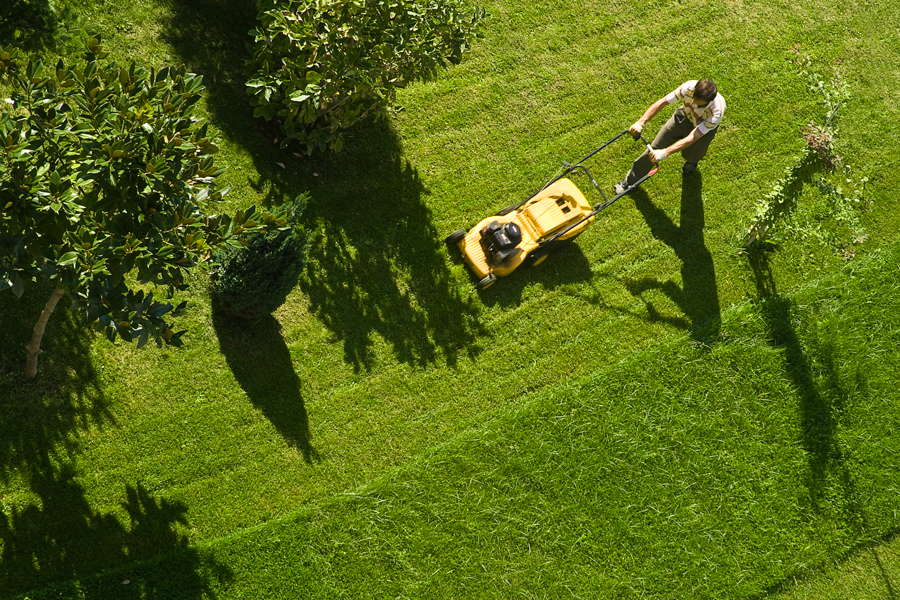
    This publication covers routine maintenance and troubleshooting for common motorized equipment (small engine) that is used by small farmers and gardeners. Gardening and landscape equipment can be an expensive investment for both consumers and professionals. However, quality equipment can last a lifetime when cared for properly. Typically, you get what you pay for when it comes to equipment. Higher quality equipment certainly costs more upfront, but usually has fewer problems and will tend to outlast bargain-type tools. With name-brand equipment, parts also tend to be
    more readily available. We recommend that you purchase the best equipment you can afford and learn how to take proper care of your equipment to protect your investment. For the garden and landscape, motorized equipment can include everything from a string trimmer to a full-size garden tractor. Most garden equipment is powered by either a two-cycle or four-cycle engine. Two-cycle motors mostly are found on smaller handheld equipment, such as chainsaws, tillers, and trimmers. Four-cycle motors typically are found on larger equipment such as lawnmowers, tillers, and garden tractors, which have separate reservoirs for their gas and engine oil. When properly maintained, both types of motors are quite reliable. Sometimes, very basic issues may keep motors from functioning well. All motors require three basic things to run properly: fuel, fire, and air. If any one or more of these three elements is lacking, the engine will either run poorly or not run at all.

    Bob Westerfield

    |

    Feb. 7, 2023
  • C 1027-3

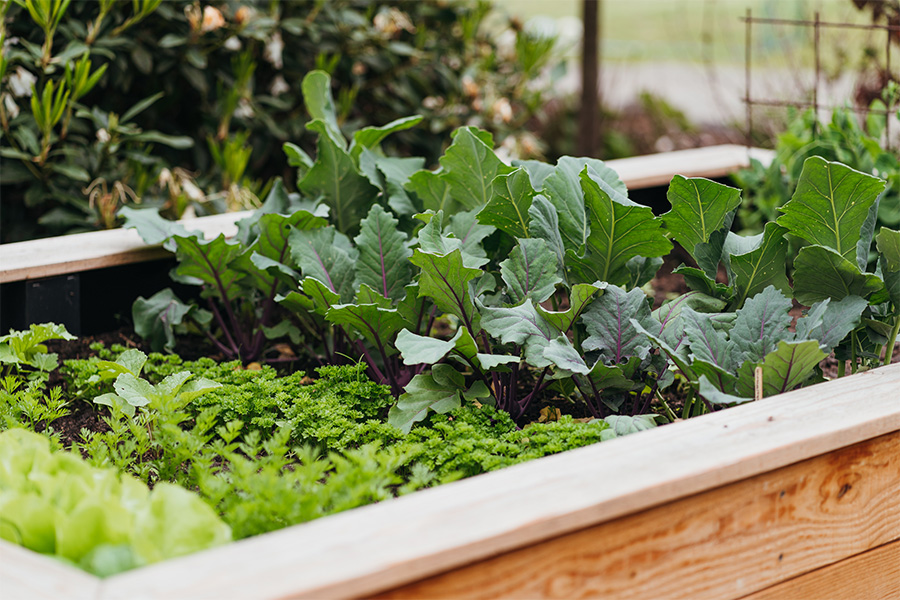
    Raised Beds vs. In-Ground Gardens

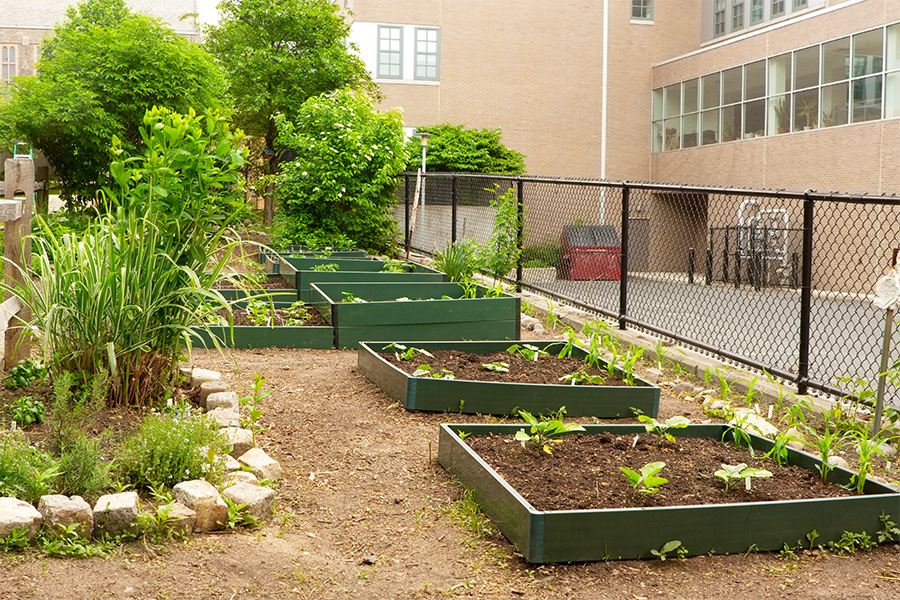
    This publication describes the advantages and disadvantages of raised bed and in-ground gardens and may be used as a guide when planning a community or school garden project.

    Bob Westerfield and David Berle

    |

    Dec. 14, 2022
  • a fenced garden with raised beds within a backyard

    C 1027-9

    Garden Fencing

    This publication describes options for fencing a community or school garden, including fence types and materials.

    David Berle and Bob Westerfield

    |

    Dec. 14, 2022
  • C 1027-4

    Raised Garden Bed Dimensions

    This publication helps determine the ideal dimensions of raised beds for community and school gardens by focusing on three things: materials, slope and accessibility.

    David Berle and Bob Westerfield

    |

    Dec. 14, 2022
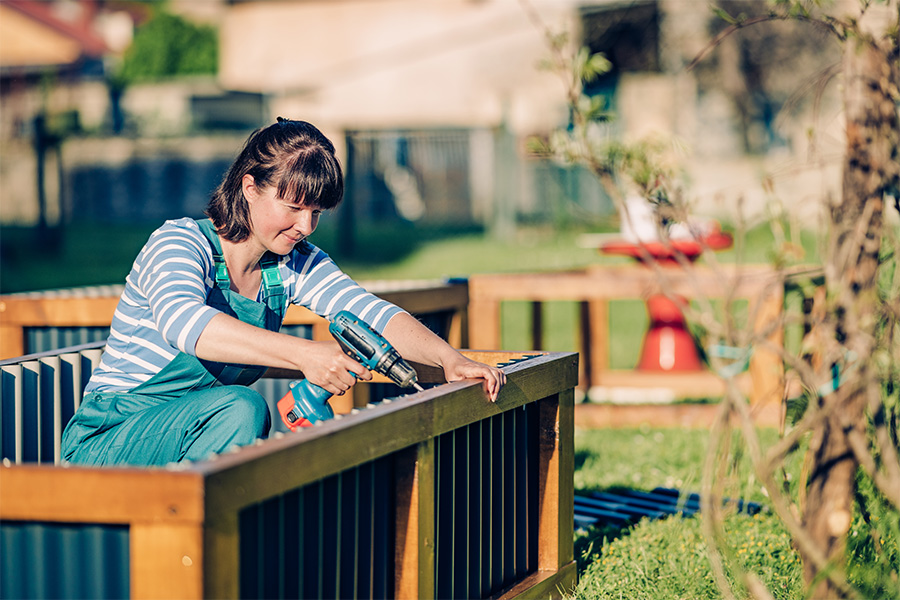
  • C 1027-5

    Raised Bed Materials

    This publication describes the advantages and disadvantages of various materials used for building raised beds, including types of wood, composite materials, recycled materials, and kits.

    Bob Westerfield and David Berle

    |

    Dec. 14, 2022
  • Siting a Garden

    C 1027-2

    Siting a Garden

    This publication provides recommendations for properly siting a school or community garden, taking into account sunlight exposure, water availability, slope, garden access, tool storage, compost bins and other amenities.

    Bob Westerfield and David Berle

    |

    Dec. 14, 2022
  • C 1027-10

    Growing Fruits

    Community gardens designed to provide locally grown food for families can be used to grow fruits in addition to the more commonly grown vegetables. There are many common and lesser-known fruits that are suited for planting in community garden situations.

    David Berle and Bob Westerfield

    |

    Dec. 14, 2022
  • a picturesque creek flows through a green field

    C 1027-11

    Sources of Water for the Garden

    This publication discusses the advantages and disadvantages of various sources of water for a community or school garden, including municipal water, rivers or creeks, ponds, wells and rainwater.

    David Berle and Bob Westerfield

    |

    Dec. 14, 2022
  • C 1027-12

    Irrigation

    This publication describes irrigation methods suitable for community or school gardens, including overhead sprinklers, hand watering and drip irrigation.

    David Berle and Bob Westerfield

    |

    Dec. 14, 2022
Previous Page
1 2 3 4 5 6
Next Page

About CAES

CAES Home

Overview

History

Administration

Jobs

Personnel Directory

Privacy Policy

Accessibility Policy

AI Guidelines

Affiliations

UGA Cooperative Extension

Tifton Campus

Griffin Campus

University of Georgia
  • Schools and Colleges
  • Directory
  • MyUGA
  • Employment Opportunities
  • Copyright and Trademarks
  • UGA Privacy Policy
  • Submit a Student Complaint
#UGA on
© University of Georgia, Athens, GA 30602
706‑542‑3000