Vegetables Resources
-
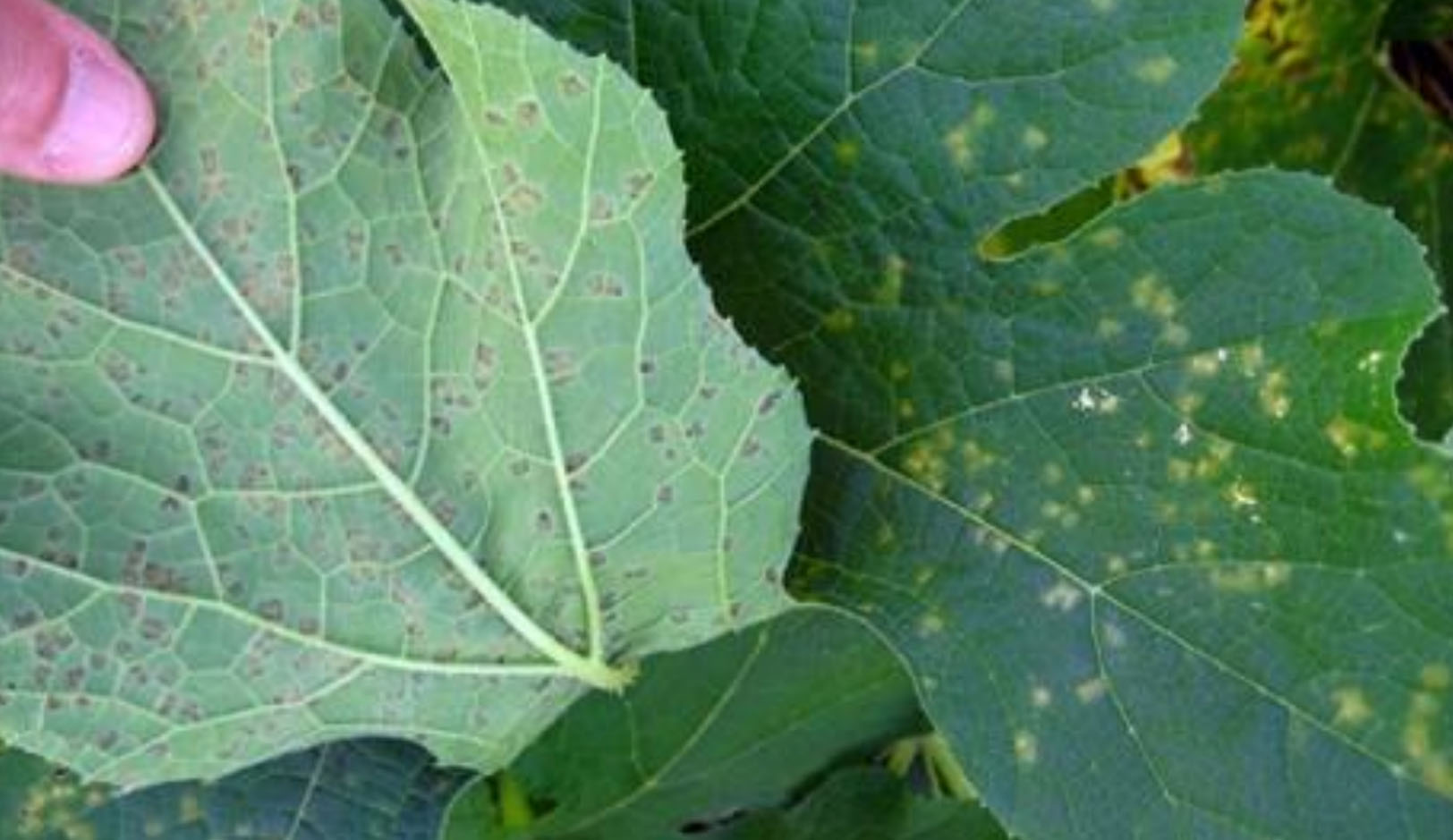
While there are literally hundreds of issues that can occur in the home garden, this resource focuses on the most common ones. When troubleshooting issues in the garden, this provides a good starting point and will help gardeners diagnose their issues and strategize solutions.
|
-
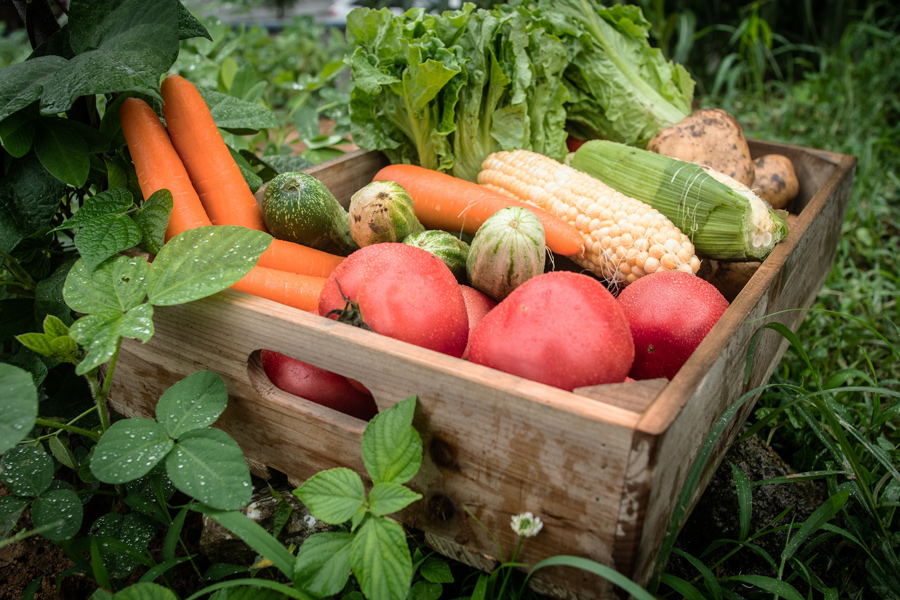
This publication lists vegetable variety recommendations for the state of Georgia. Most of these varieties have been trialed and grown successfully in the state. These are not the only varieties that can grow well in Georgia but provide new gardeners with a starting point to increase their chances of success. Gardeners may need to search print catalogs and online to find the vegetables they are looking for, as local garden centers may not always carry the varieties listed here.
|
-
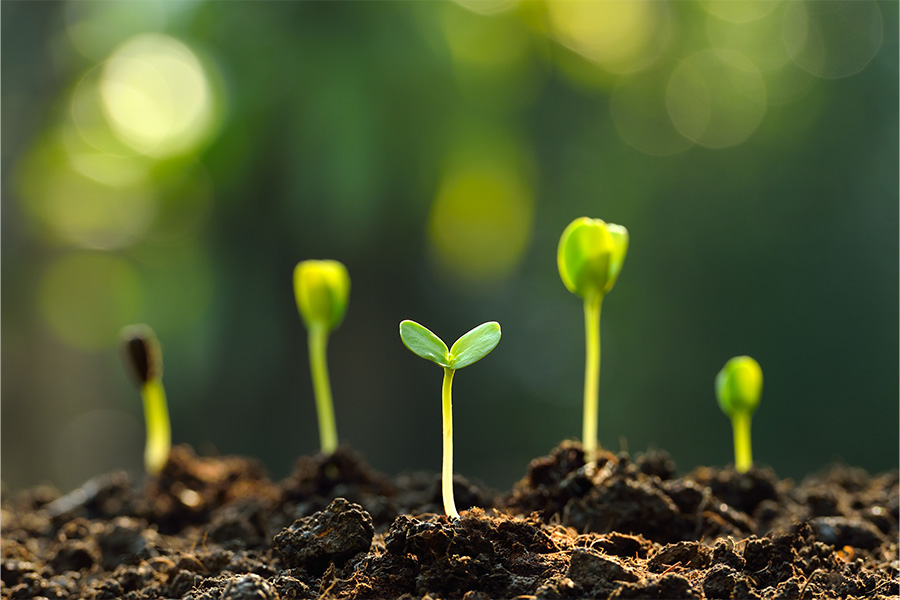
A number of plants, particularly vegetables, annuals, and herbs, can be grown from seed. There are many advantages to propagating plants from seed. This publication provides information on seed selection, materials, seeding techniques, thinning, and transplanting. A step-by-step, quick reference guide is also included.
|
-
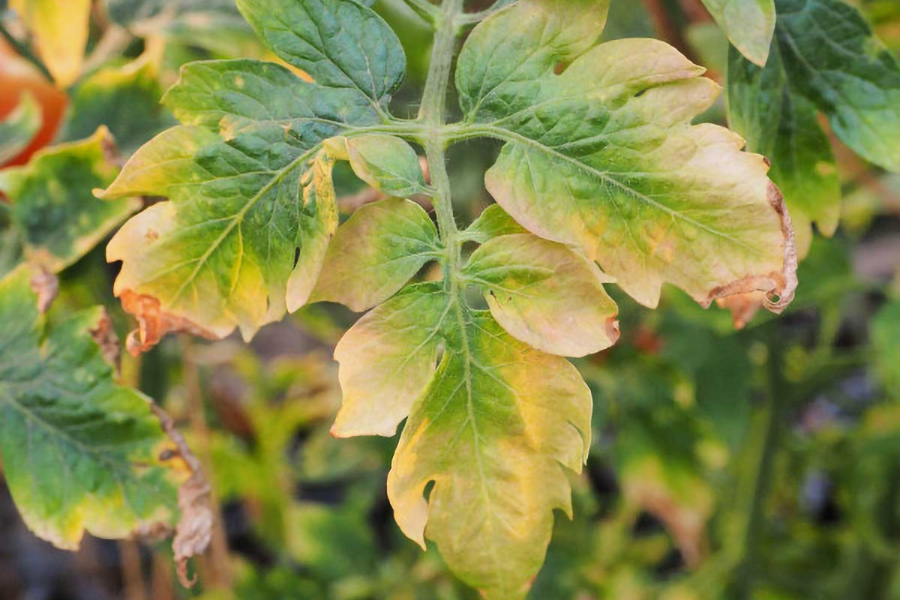
This brief guide covers nutrient deficiencies and their symptoms in common vegetables. Makenzie English, Horticulture Program Assistant, is co-author on this publication.
|
-
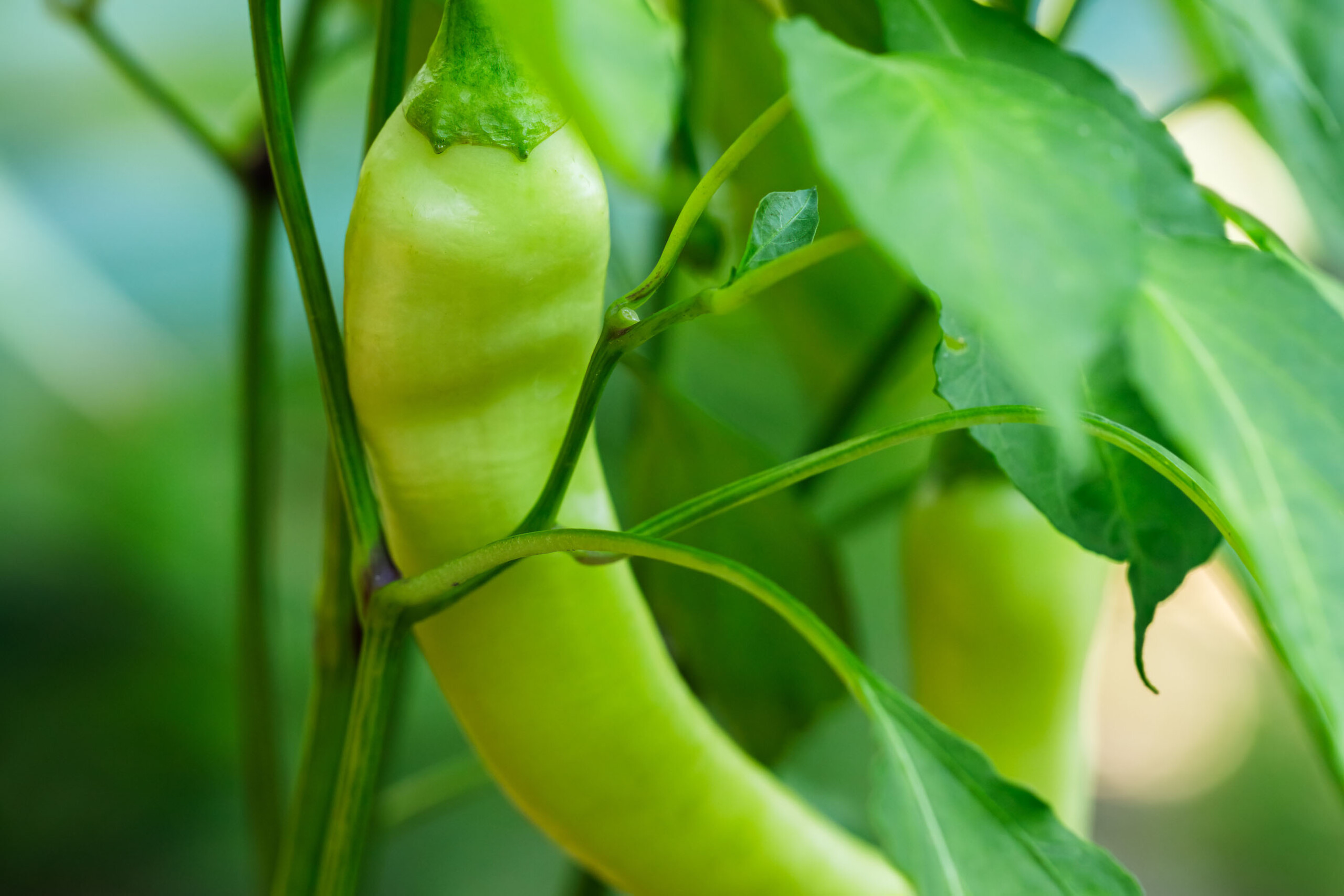
This publication discusses heirloom vegetable choices and some of the common issues that growers may encounter when growing heirloom vegetables in a home garden setting. Additional author: Whitney Richardson, University of Georgia Center for Urban Agriculture, with technical assistance from Makenzie English, University of Georgia Department of Horticulture Program Assistant.
|
-
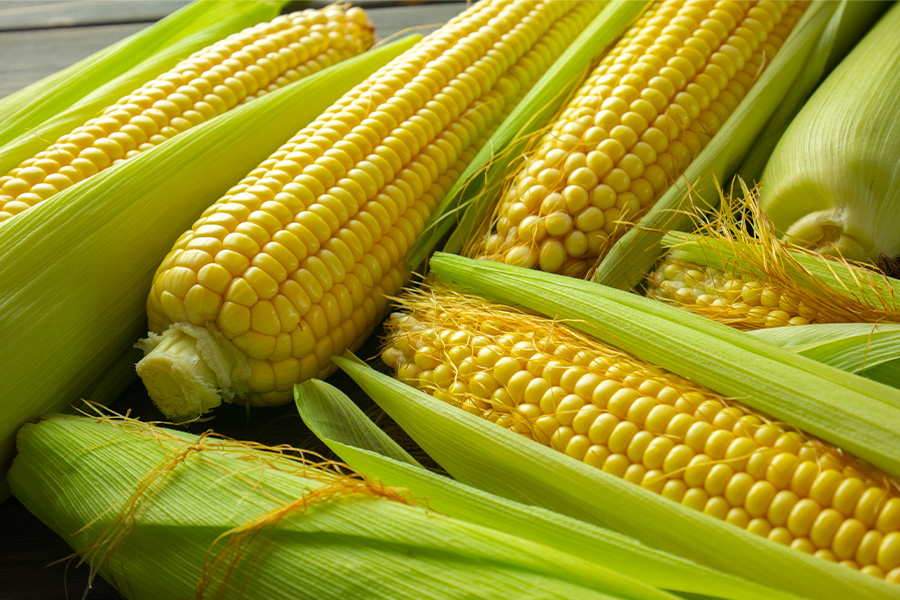
Sweet corn is not difficult to grow and, by following the cultural guidelines provided in this publication, you too can enjoy this sweet delicacy.
|
-
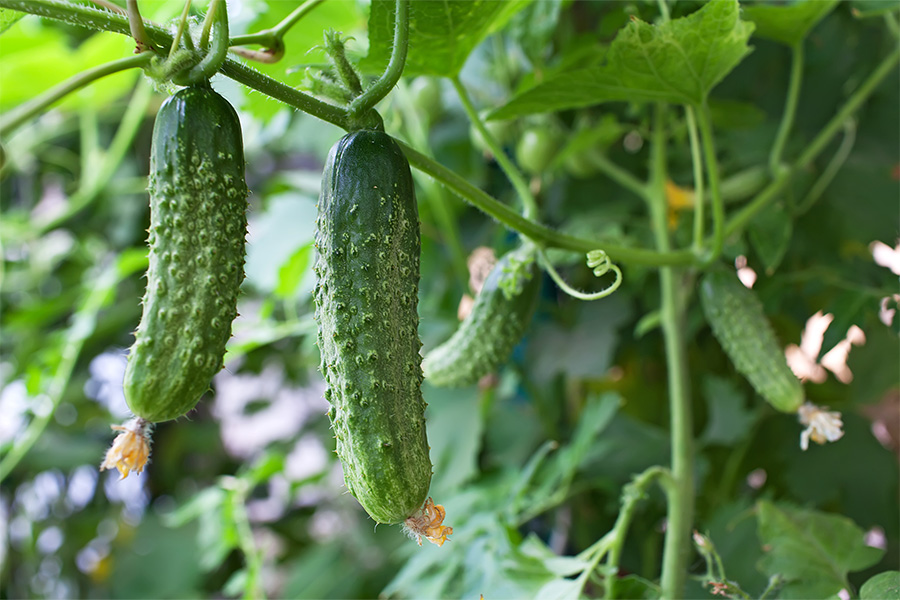
Cucumbers are one of the most popular crops in today’s home garden. This publication helps you to select the varieties to suit your needs.
|
-
C 963-SP
Calendario para Siembra de Vegetales
Esta es la versión en español del Cuadro de plantación de hortalizas de la Circular 963, Horticultura en Georgia. Traducido por Rolando Orellana. [This is the Spanish-language version of the Vegetable Planting Chart from Circular 963, Vegetable Gardening in Georgia.]
|
-
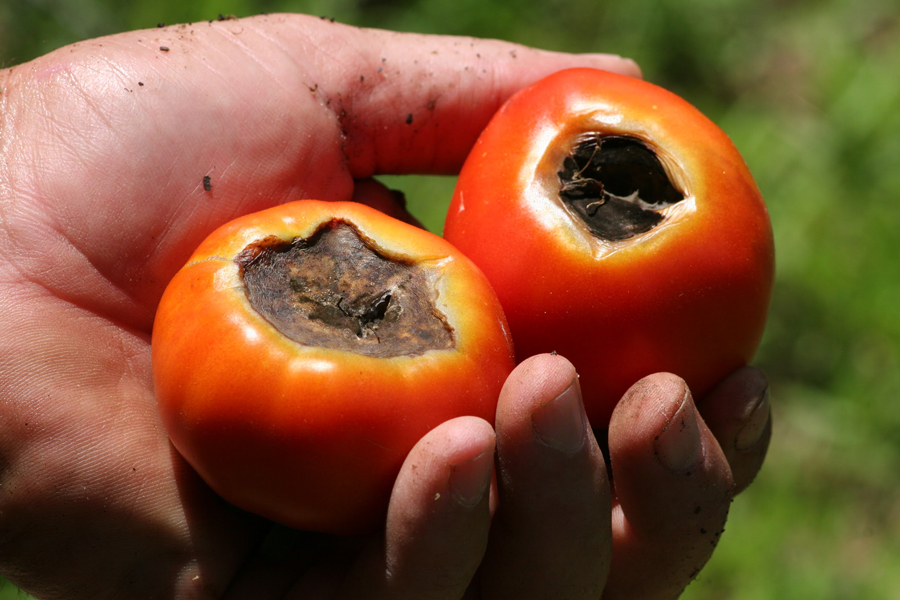
El tomate es una de las hortalizas más populares que se cultivan en el huerto familiar. Si bien las plantas de tomate pueden producir una gran cantidad de frutas saludables y deliciosas, su cultivo puede resultar frustrante. Además de las enfermedades e insectos más comunes que atacan a los tomates en el huerto, también pueden ocurrir varios padecimientos asociados con las labores culturales. Es importante el reconocer esas afecciones fisiológicas rápidamente para poder prevenirlas y así obtener frutos sanos.
|