Water Use Resources
-

The Water Stewardship Act is intended to demonstrate Georgia’s deep commitment to the conservation of critical freshwater supplies. This publication provides an overview of the provisions and obligations for local governments, public systems and state agencies.
|
-

C 1027-11
Sources of Water for the Garden
This publication discusses the advantages and disadvantages of various sources of water for a community or school garden, including municipal water, rivers or creeks, ponds, wells and rainwater.
|
-

C 1027-12
Irrigation
This publication describes irrigation methods suitable for community or school gardens, including overhead sprinklers, hand watering and drip irrigation.
|
-
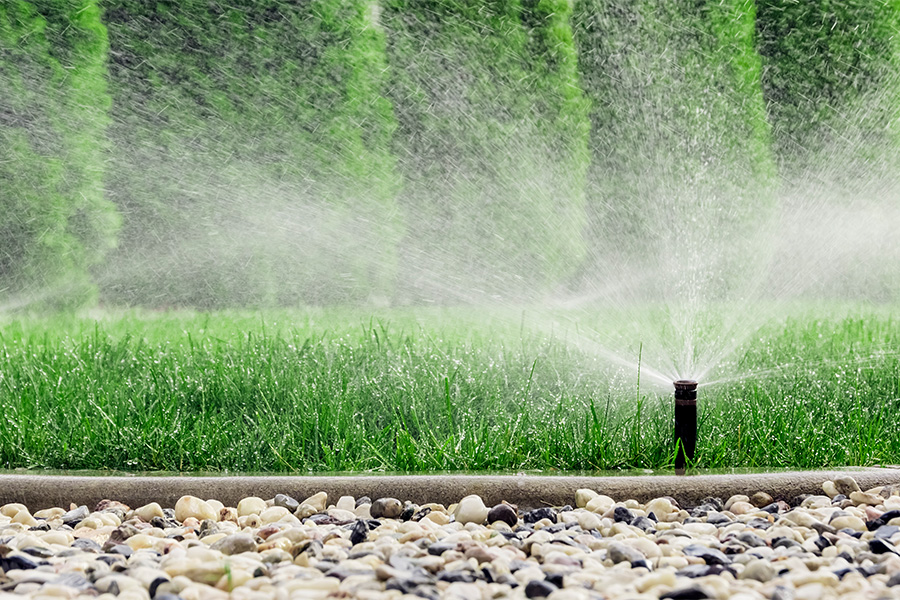
Selecting a qualified irrigation contractor is very important. There are many irrigation products available and the installation process requires skill, knowledge and equipment. This publication outlines general considerations for purchasers of a landscape irrigation system. It also underscores the importance of considering the cost of water when selecting a contractor and protecting desirable trees during the installation process.
|
-

For most people a complete understanding of the standard methods required to accurately complete critical wastewater analytical tests is not necessary. However, a fundamental understanding of the theory behind and working knowledge of the basic procedures used for each test, and the answers to commonly asked questions about each test can be a valuable tool for anyone involved in generating, monitoring, treating or discharging process wastewater.
|
-
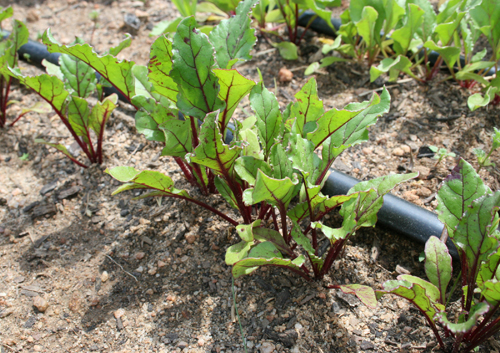
This publication is designed to give small market growers, homeowners, and Master Gardener audiences a quick guide to selecting and installing drip irrigation in the vegetable garden.
|
-

All vegetables, especially tomatoes, like an even supply of water throughout the growing season, and will often develop problems if their water supply fluctuates. If watering restrictions or bans are imposed, water conservation becomes a critical issue.
|
-

Many Georgia communities are wrestling with wastewater disposal issues. The choices a community makes may affect its growth and environmental quality. This PowerPoint presentation presents the basics of wastewater treatment systems so that community leaders can make better-informed choices. This presentation can be downloaded and revised to reflect local conditions. If you are not an employee of University of Georgia Cooperative Extension, proper credit must be given to the original authors and UGA Extension.
|
-

A landscape designed, installed and managed according to Xeriscaping’s seven steps uses up to 50% less water than a traditional landscape. And, a well-designed water-wise is just as attractive as a traditional landscape.
|