Water Use Resources
-

Planting ornamental plants correctly increases their survivability and performance in the landscape, and it helps them develop a vigorous, healthy root system that increases their drought tolerance during periods of limited rainfall. This pubication provides research-based guidelines for proper planting.
|
-

Water-wise landscapes not only save water, they save time by requiring less routine care than most traditional landscapes. This publication offers guidelines to help you achieve these goals and conserve water when managing your landscape.
|
-

This publication includes three parts. Part 1 discusses stormwater as a pollution source for streams and water bodies, and provides a background on why rain gardens in our landscapes have great environmental value. Part 2 includes a thorough definition of rain gardens and their purpose, and gives step-by-step instructions on how to design a rain garden for a specific site. Part 3 discusses appropriate plants to use in rain gardens.
|
-

With recent droughts and increased emphasis on water conservation, rainwater harvesting (RWH) has become an important alternative source for outdoor irrigation. RWH is the collection of runoff from roofs during a rainfall event. The water is conveyed through a gutter system, filtered and stored in a tank for later use. In Georgia, non-potable harvested rainwater can be an alternative water supply for uses such as washing vehicles, landscape irrigation, livestock and wildlife watering, cooling towers and toilet flushing.
|
-

In Georgia, irrigation supplements rainfall and most years, even in summer, irrigation isn’t needed every day. With a little careful observation, you can learn to determine your landscape plants’ water needs.
|
-

Educating yourself on the basics of your utility’s rates and rate structure, you can determine how your water bill is calculated, double check to make sure you are being charged the correct amount, and make the most cost-effective decisions for reducing your bill through water conservation.
|
-
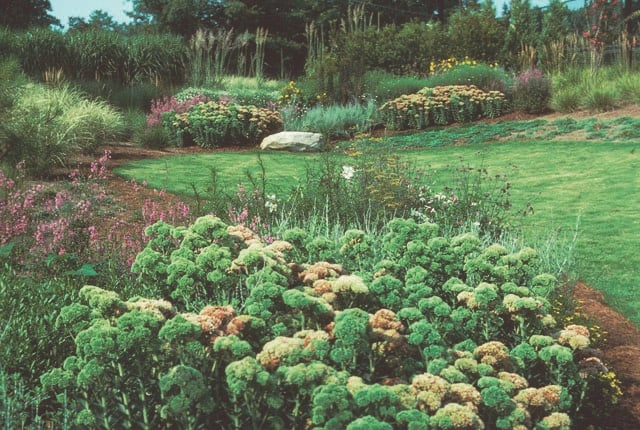
A water smart landscape is more than just water-efficient. It’s a landscape that has been carefully designed, properly installed and managed to reduce pollution, improve conservation and ensure year-round beauty.
|