Weather Resources
-

Los árboles son los que mas se dañan en las tormentas y son estos los mas peligrosos de limpiar. Los arboles dañados por tormentas están sujetos a una gran cantidad de peligros asociados con la tala de arboles y mucho, mucho mas. Las condiciones de trabajo pueden ser muy difíciles. Los arboles caídos se pueden enredar con otros arboles, o caerse en edificios, vehículos o alambres. La energía apresada en las ramas o en los troncos comprimidos puede ser liberada repentina, explosiva y fatalmente. Cada situación es diferente y requiere una consideración única. La aplicación de este Plan de corte de cinco pasos ayudará a mantener al operador de la sierra seguro y trabajando de manera efectiva.
|
-

This publication describes common myths about cold protection and provides options for protecting plants from the cold in community and school gardens, including cold frames, row covers and hoop houses.
|
-

Temperatures affects plant growth and distribution. This publication explains how low temperatures (chilling and freezing) affect plant growth in production greenhouses, nurseries, and landscapes. These three environments have different causes and effects, each requiring unique responses to avoid injury. This publication outlines different techniques that can be used to avoid cold injury to plants.
|
-
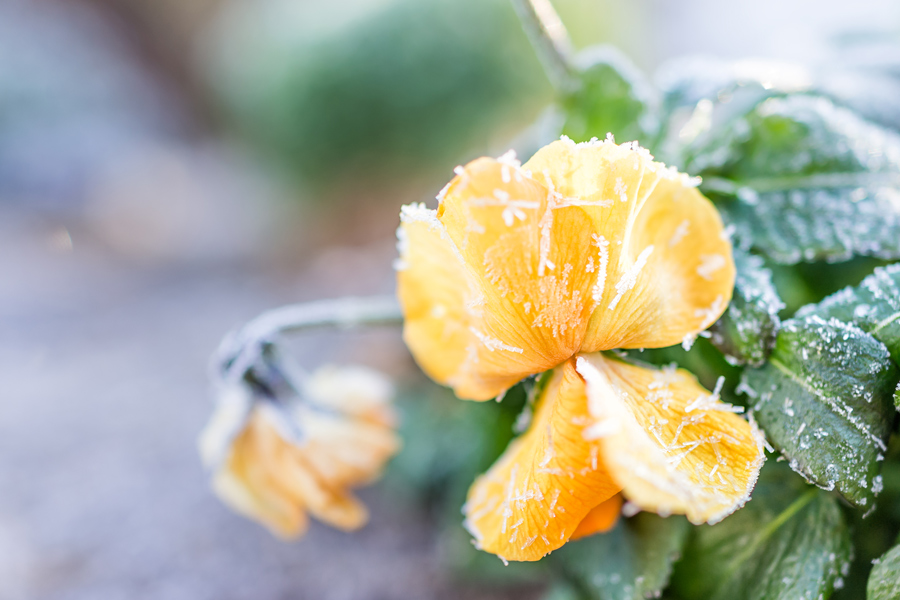
Cold damage to ornamental plants can be a problem during the winter in the Georgia landscape. Regardless of where you live, recommended practices can maximize the chances that your prized landscape plants will survive the winter.
|
-

Hot and humid environmental conditions stress the lactating dairy cow and reduce intake of the nutrients necessary to support milk yield and body maintenance. In Georgia, weather conditions are sufficiently hot and humid to reduce performance of dairy cows for five months or more each year. This publication presents methods that can be used to minimize the stress on dairy cows during hot weather and enhance production during the hot summer months.
|