Weeds, Diseases and Pests Resources
-

It is estimated that 1998 plant disease losses, including control costs, amounted to approximately $605 million. The value of the crops used in this estimate was $3.63 billion, this giving a 16.6 percent total disease loss across all crops included in this summary.
|
-

It is estimated that 2010 plant disease losses, including control costs, amounted to approximately $701.2 million. The value of the crops used in this estimate was approximately $4236.51 million, resulting in a 16.5 total percent disease loss across all crops included in this summary.
|
-

It is estimated that 2002 plant disease losses, including control costs, amounted to approximately $576.65 million. The value of the crops used in this estimate was approximately $4.376 billion, resulting in a 13.18 percent total disease loss across all crops included in this summary.
|
-

It is estimated that 2003 plant disease losses, including control costs, amounted to approximately $682.67 million. The value of the crops used in this estimate was approximately $5.399 billion, resulting in a 12.64 percent total disease loss across all crops included in this summary.
|
-

White grubs are the larvae of scarab beetles. All are C-shaped, white to dirty white in color, with a brownish head and legs.
|
-
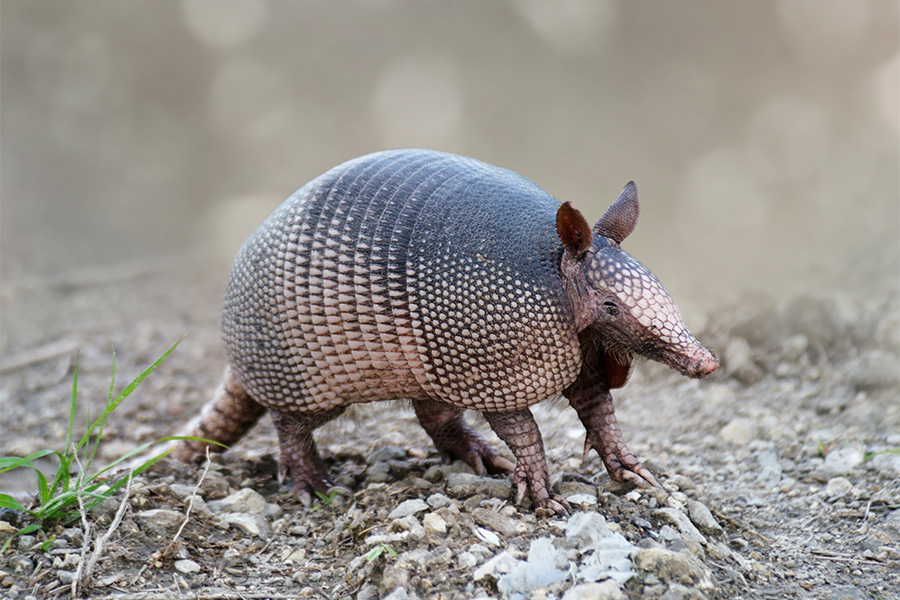
Scientists classify armadillos with anteaters and sloths. They have poorly developed teeth and limited mobility. Armadillos are considered both an exotic species and a pest.
|
-

Although rare, Formosan subterranean termite infestations have been found in Georgia. Formosan termites are not native to the U.S. They are commonly spread by movement of infested railroad crossties used in the construction of retaining walls and other landscape features.
|
-

This publication discusses tropic croton identification and control in cotton and peanut.
|
-

Eclipta is considered to be one of the world’s worst weeds. This publication discusses the identification and control of eclipta in peanut.
|