Weeds Resources
-

C 1027-13
Weed Control
This publication describes weed control methods that are appropriate for community and school gardens.
|
-
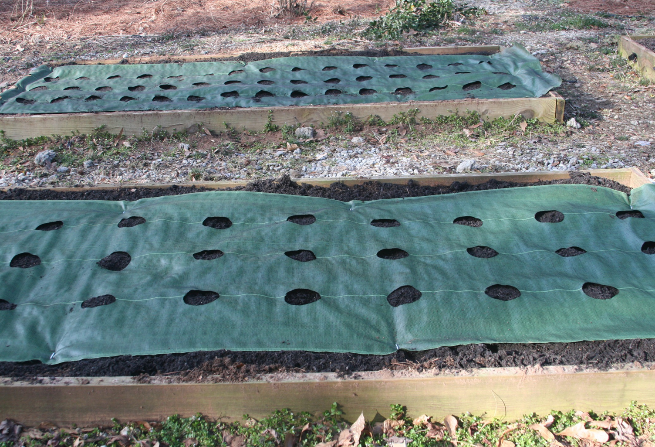
This publication covers the basics of different weed control options including mechanical, chemical, and environmentally friendly practices. The material provides both consumers and small vegetable farm growers options for weed control in their gardens. Weeds compete for space, steal nutrients and water from crops, and can look unsightly in the home garden. In general, weeds are easier to prevent in the garden than to remove once they start growing. Luckily, gardeners have several possible methods to help in their war on weeds.
|
-
C 867-2
Controlling Greenbrier
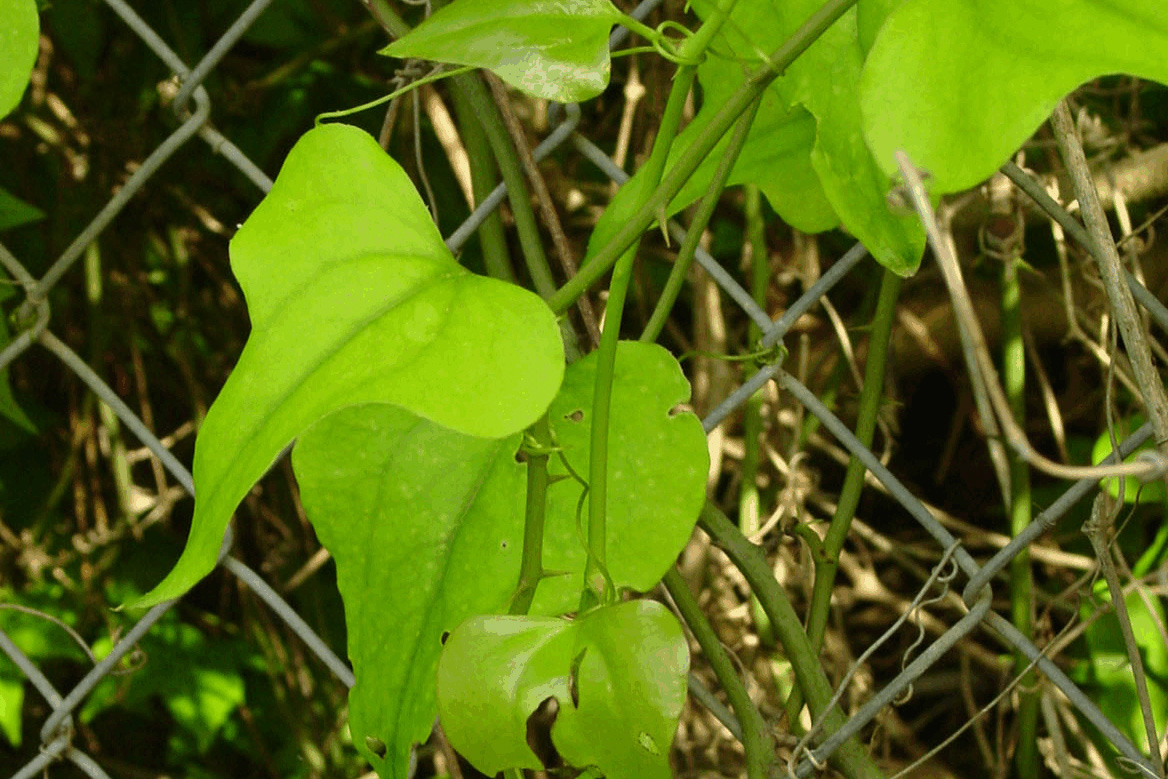
Greenbrier is a difficult vine to control in the landscape. Also known as catbrier, cat sawbrier, and sarsaparilla vine, once this climbing vine develops an extensive underground rhizome tuber system, it is difficult to control. This resource describes successful control methods.
|
-
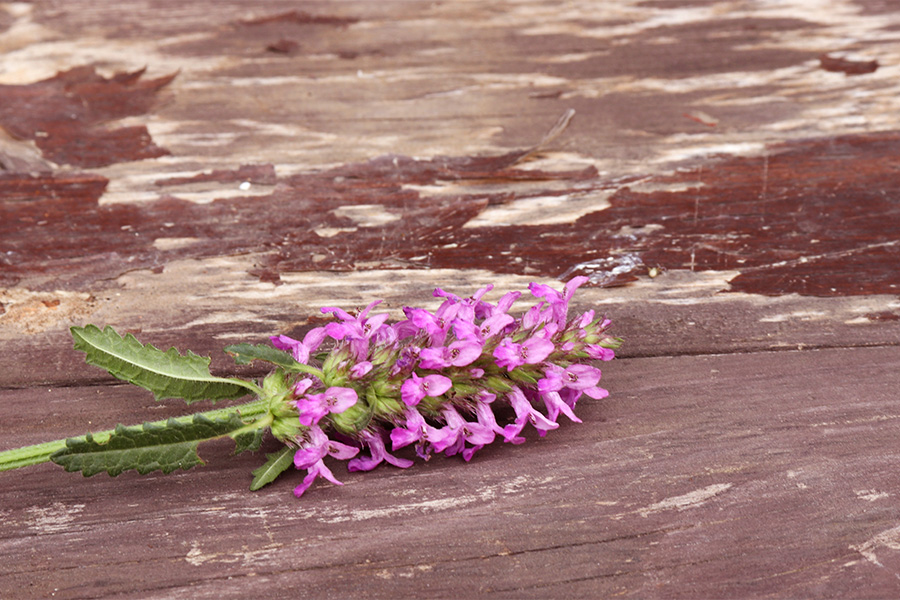
Florida betony is a “winter” perennial and has a square stem with opposite leaves. Florida betony (also called rattlesnake weed and hedge nettle) is a problem weed in both turfgrasses and ornamentals.
|
-

C 867-8
Weed Control in Iris
With their beautiful flowers, irises are coveted as one of the finest herbaceous perennials. Unfortunately, like most garden plants, weed control in irises can be difficult. Established perennial broadleaf weeds can be extremely difficult to control, requiring special removal techniques. Fortunately, many annual broadleaf and grassy weeds can be easily controlled with mulches and the judicious
use of herbicides.|