Weeds Resources
-
 New
NewThis resource provides information on what a seed bank is and how to evaluate what weeds/weed seeds you have on your property. It provides a step-by-step guide on how to take a representative soil sample for evaluation and provides resources for weed identification. This resource will help you if you want to know what weeds are hiding in the soil beneath your feet.
|
-

AP 117-5-09
Late Summer and Fall Weed Control
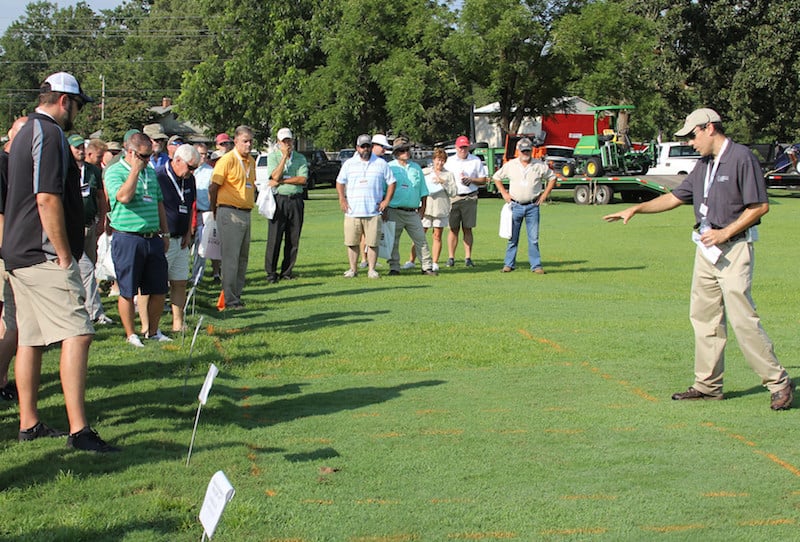
This presentation for lawn care operators at the Turfgrass Research Field Day covers controlling key problematic weeds during late summer and early fall.
|
-
AP 117-5-11
Summer Weed Control and Identification
At this stop on the Turfgrass Research Field Day tour, participants will learn how to identify the most common summer weeds found in home lawns and landscapes and discover practical strategies for controlling them.
|
-
SB 48-12
Vegetables Pest Management
This section of the Home & Garden Edition covers insect, weed, and disease control in home garden vegetables. Beginning in 2022, the Home & Garden Edition has been updated biennially. When purchasing a product based on a first-year recommendation of the Handbook, check the current product label before purchase to be sure it is still labeled for the use for which you are buying it. For pesticide products you have on hand from earlier purchases, you are allowed to use them until they are depleted without penalty under the law. Always follow label instructions before use. Contact the product’s manufacturer for the most up-to-date label.
|
-
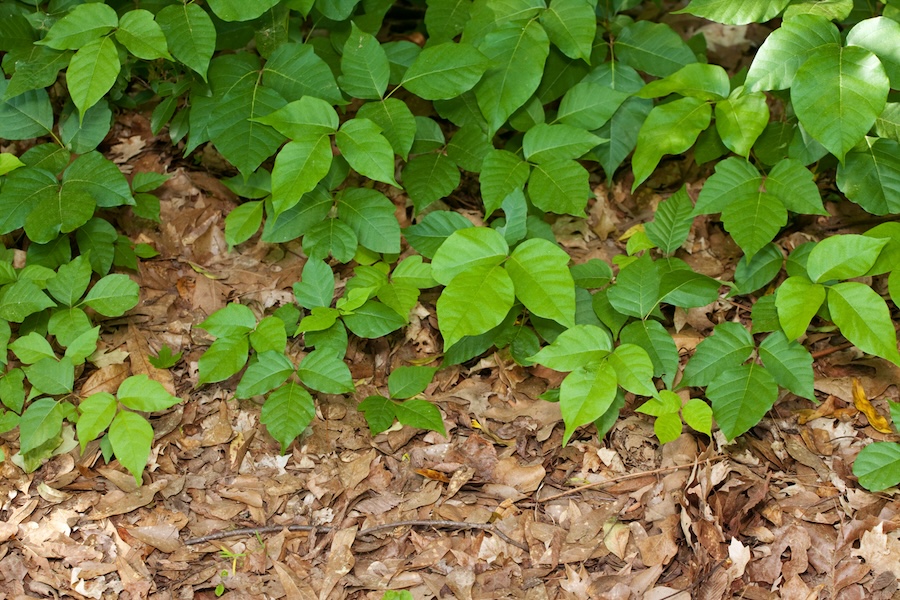
Poison ivy is a common poisonous plant in Georgia. This publication is to help hikers, campers, gardeners, and outdoor lovers identify poison ivy to stay safe and avoid potential allergic reactions.
|
-
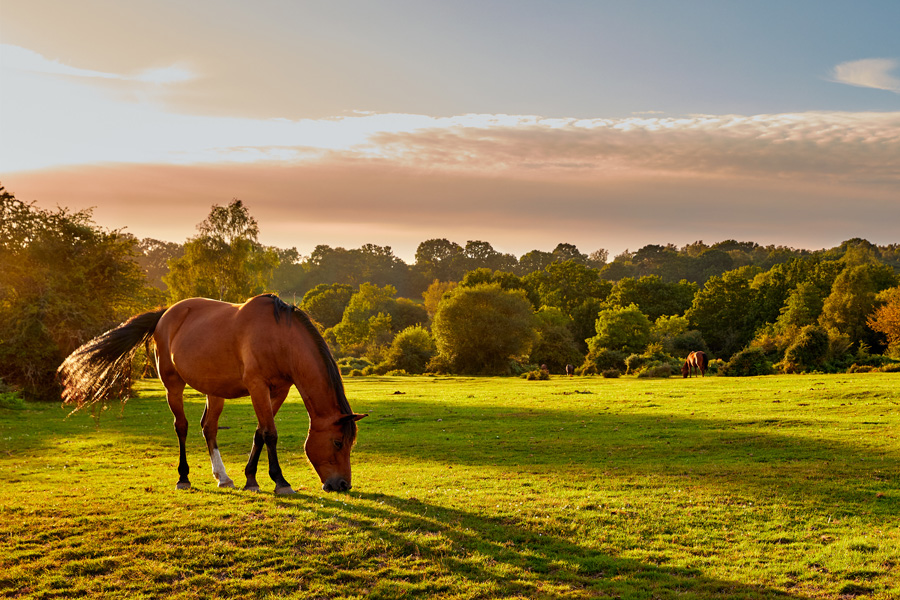
A handy reference for horse owners and land managers to help identify weeds that are toxic to horses, with pictures to aid identification, a brief description of the plants, and the specific toxicity symptoms associated with common weeds and trees that are poisonous to horses. It also gives tips on how to better manage pastures to prevent pasture-related plant toxicities. This publication is suitable for a general audience concerned with equine health and pasture safety.
|
-
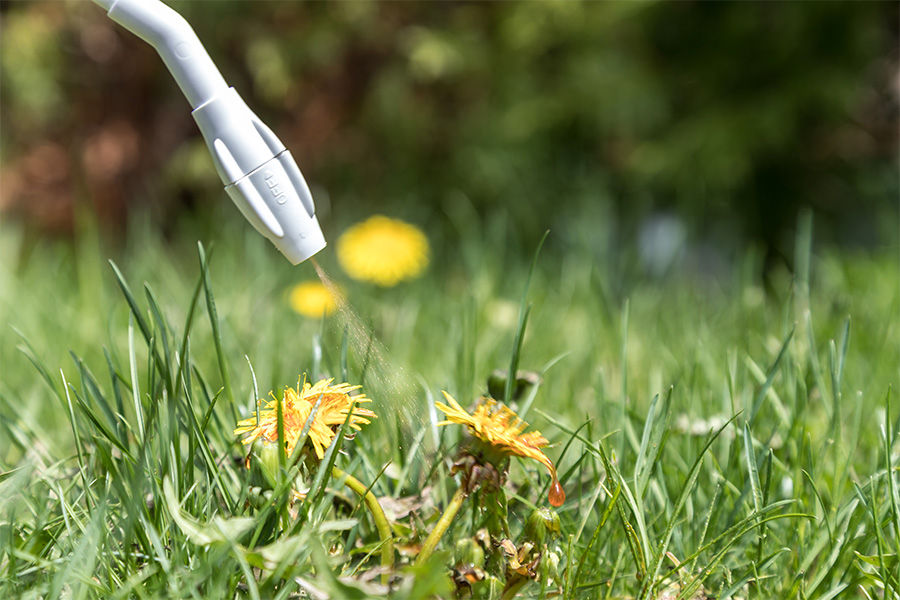
Weeds can be major pests of home lawns. Due to differences in color, leaf size, shape and growth habit, weeds detract from the natural beauty of desirable turfgrasses. Additionally, weeds compete with turfgrasses for sunlight, soil moisture, nutrients and space. Many weeds can quickly become the dominant species in a lawn. This publication contains comprehensive information about weed control in home lawns.
|
-
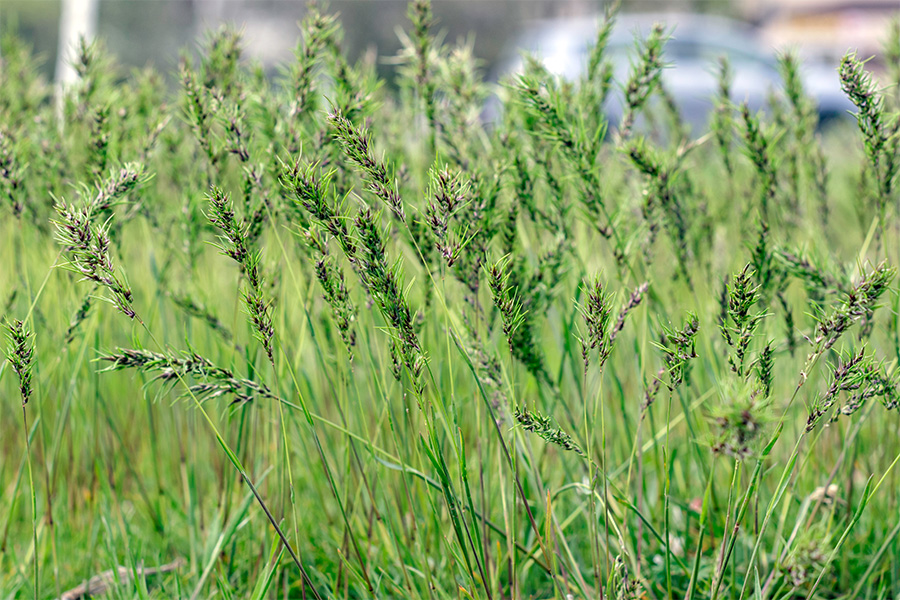
Annual bluegrass (Poa annua L.) is a problematic winter annual weed in residential turf. Compared to most turfgrasses, annual bluegrass has a lighter green color, coarser leaf texture and produces unsightly seedheads. Contrary to its name, both annual (live for one season) and perennial (live for many seasons) biotypes of annual bluegrass may be found in turf. This publication describes methods of control for annual bluegrass in residential turfgrass lawns.
|
-
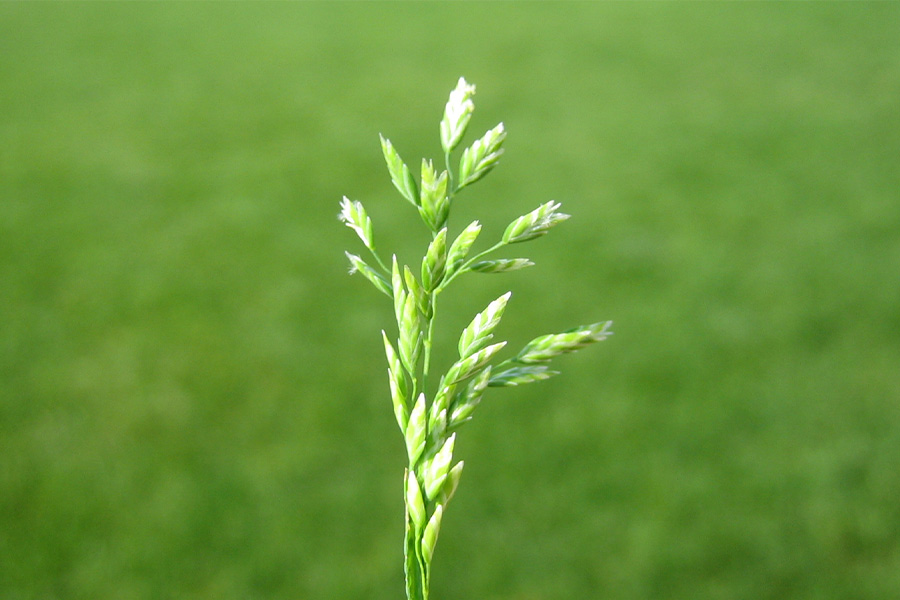
Annual bluegrass is the most problematic winter weed of lawns in Georgia. Plants have a light green color, coarse leaf texture, and produce unsightly seedheads. Annual bluegrass germinates in fall, overwinters in a vegetative state, and resumes active growth in spring. Annual bluegrass typically dies out by May in Georgia, but cool temperatures in spring and regular irrigation may extend survival of populations into early summer. This resource covers annual bluegrass identification, establishment, and cultural control for lawns. The development, detection, and control of herbicide-resistant annual bluegrass is also discussed.
|