Well Water Resources
-

Microplastics represent an emerging environmental issue stemming from the widespread use, disposal, and degradation of plastic materials. Found globally across oceans, freshwater systems, drinking water sources, and bottled beverages, these contaminants originate from both the breakdown of larger plastic items and the direct release of manufactured small particles. This expert resource provides science-based information to address general concerns and questions residents have about microplastics in general, their existence in our drinking water, human exposure to and potential health consequences of microplastics, and their removal from water.
|
-
This publication explains how to identify and remove hydrogen sulfide and sulfate from household water.
|
-
C 858-12
Arsenic in Your Water
Arsenic in your drinking water poses a threat to your health. Since private systems are more susceptible to arsenic than public water systems, private well owners should take steps to guard their health. Measures include routine water supply testing and wellhead maintenance and protection.
|
-

C 858-11
Iron and Manganese
Elevated levels of iron (Fe) and manganese (Mn) are two of the most common water quality problems in Georgia’s groundwater. This circular addresses problems associated with high levels of these two elements, levels considered to be a problem, and treatment options to remove the iron or manganese.
|
-
C 858-8
Hydrogen Sulfide and Sulfate
This publication describes hydrogen sulfide and sulfate and its effects on household water quality.
|
-
C 858-7
Coliform Bacteria in Your Water
This publication contains information about identifying and controlling coliform bacteria in household water.
|
-
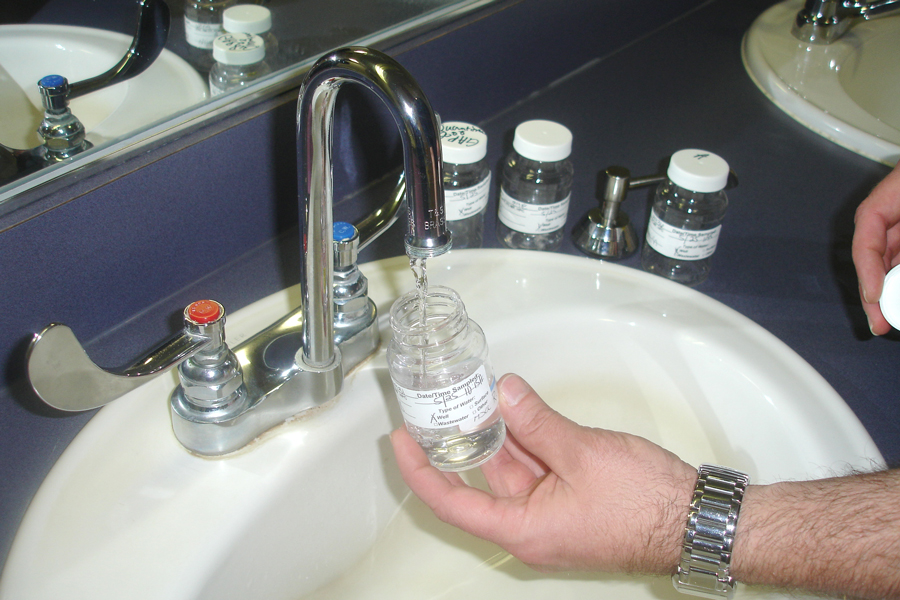
An abundant supply of clean, safe drinking water is essential for human and animal health. Water from municipal or public water systems is treated and monitored to ensure that it is safe for human consumption. Many Georgia residents, especially in rural areas, rely on private water systems for human and livestock consumption. Most private water systems are supplied by wells. Water from wells in Georgia is generally safe for consumption without treatment. Some waters, however, may contain disease-causing organisms that make them unsafe to drink. Well waters may also contain large amounts of minerals, making them too “hard” for uses such as laundering, bathing or cooking. Some contaminants may cause human health hazards and others can stain clothing and fixtures, cause objectionable tastes and odors, or corrode pipes and other system components.
|
-

Georgia is experiencing rapid growth in utility-scale solar energy development. This resource addresses some general concerns and questions residents have asked UGA Extension about how the construction and operation of these solar facilities could affect our soil and the quality of our shared surface and underground waters, including well water.
|
-

An estimated 1.7 million people in Georgia rely on 640,000 private wells for their drinking water supply, and private well water users are responsible for ensuring the quality and safety of their water supplies for domestic, livestock, and irrigation use. This online tool provides interpretations and recommendations for drinking water quality.
|