Georgia farmers adapt with agritourism, innovation and sustainable agriculture



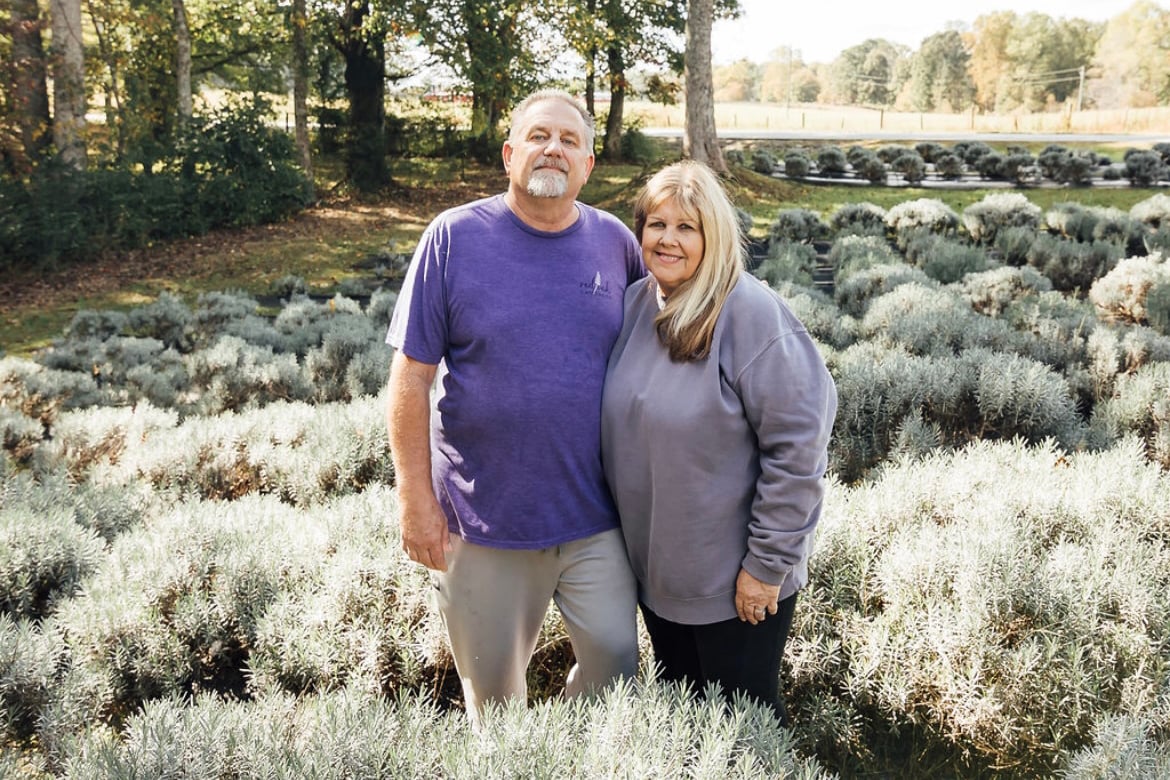
Tina and David Duffey
Red Oak Lavender Farm


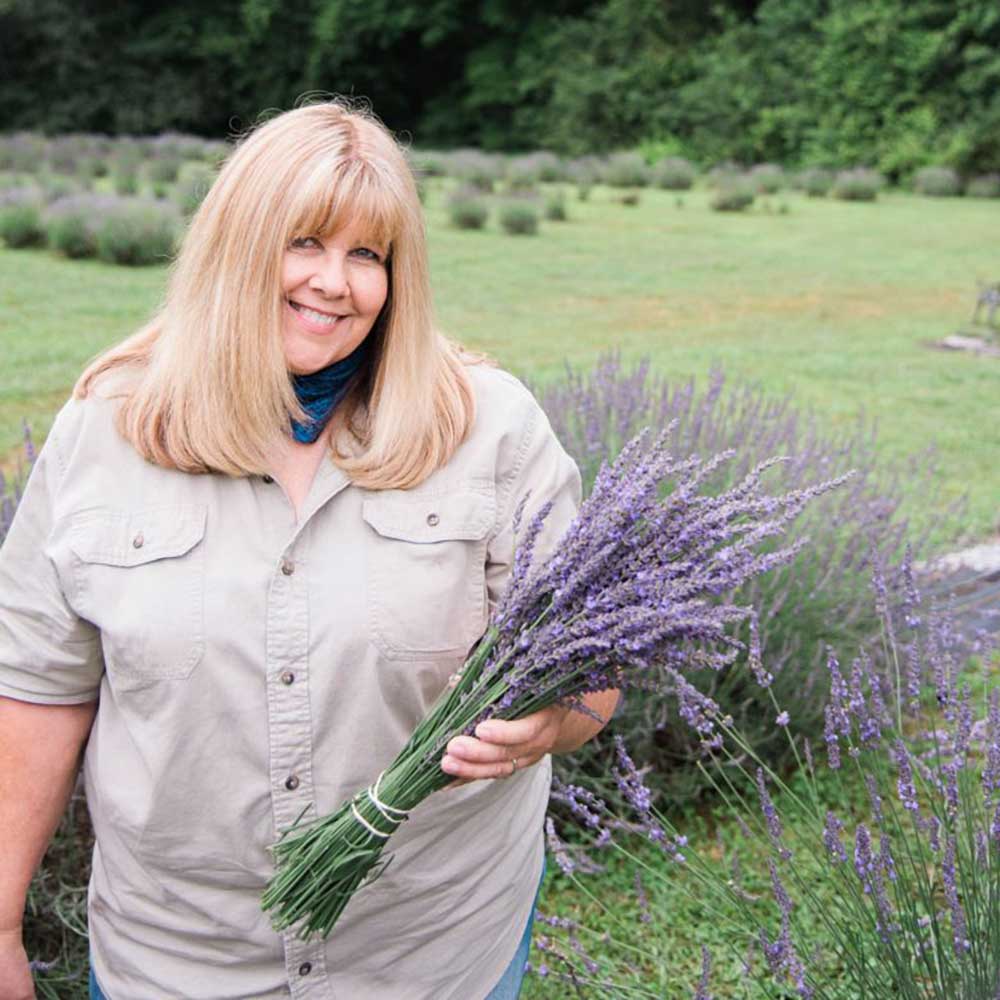
Tina Duffey always enjoyed growing lavender and other flowers in her small home garden, so her acquisition of 5 acres in Dahlonega, Georgia, provided an opportunity to indulge the retired teacher’s passion on a larger scale.
By 2014, she had 800 lavender plants. With the help of her future husband, David Duffey — a retired Georgia Department of Transportation engineer — that number had grown to more than 4,000 by the time they wed in 2018.
But there was one big problem with her idea to launch what would become Red Oak Lavender Farm: Lavender isn’t native to Georgia. The state’s climate is too wet, too hot and too humid, and its acidic clay soil doesn’t drain well, leaving plants susceptible to root rot.
Undeterred, Tina Duffey studied lavender cultivation in Sequim, Washington — the U.S. lavender capital — to see if those conditions could be replicated in Georgia. Meanwhile, David Duffey dedicated himself to developing methods to grow and sustain lavender in an unwelcoming environment.
Whether lavender alone could fully support a farm operation was another question. Envisioning the draw of long lavender rows to photo-snapping influencers and flower fanatics, Tina Duffey decided to pursue agritourism, which would diversify farm income and grow the lavender market as well.
In 2016, she contacted Vanessa Shonkwiler, a public service associate with the University of Georgia Department of Agricultural and Applied Economics in the College of Agricultural and Environmental Sciences.

“I was being awarded a grant by the Georgia Department of Agriculture to conduct a study on ‘Assessing Production Practices, Distribution Channels and Promotional Tools of Georgia-Grown Lavender,’” said Shonkwiler, who spent the next two years working with the nascent farm. “I had grad students working on the feasibility study with Tina as she grew her business.”
One business model identified in the research focused on lavender farms of 5 acres or less that rely heavily on agritourism, offering visitors agricultural education and opportunities to purchase farm products directly. The study also included detailed startup and postharvest budget projections.
Agritourism highlights how much farmers are more like entrepreneurs,” Shonkwiler explained. “They have to wear many different hats to handle aspects of their business besides growing and selling a product.”
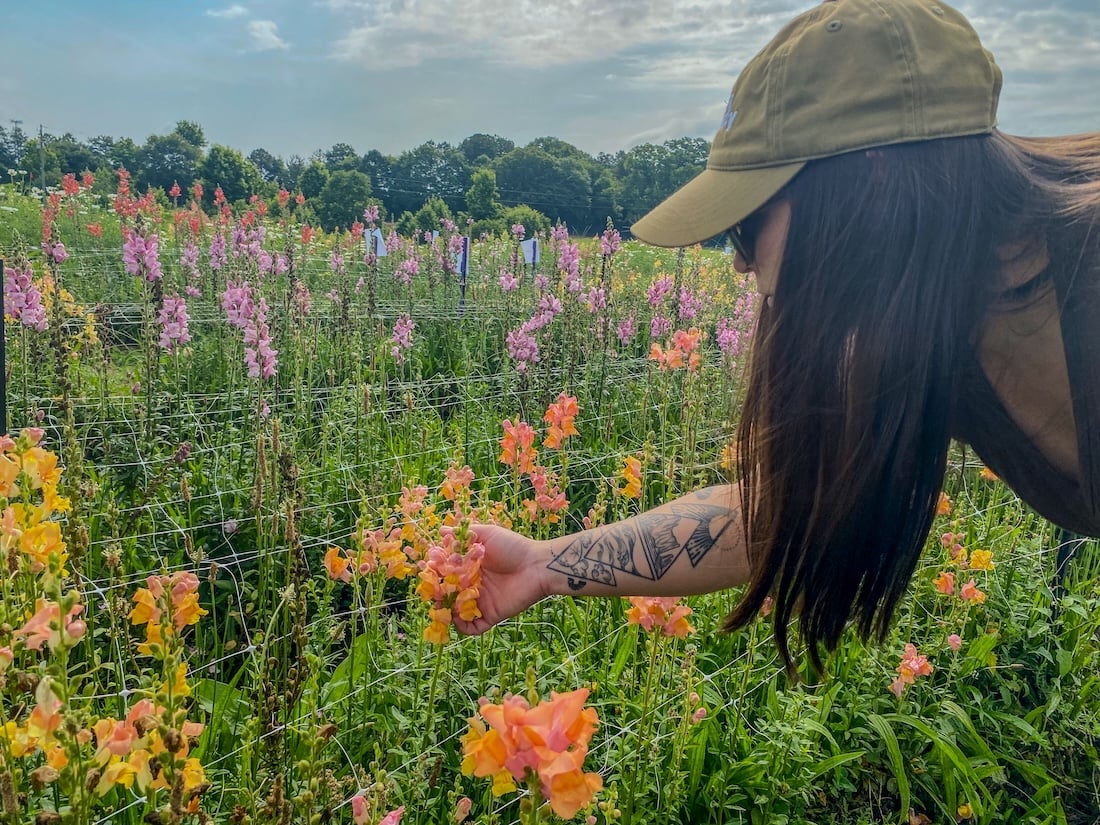
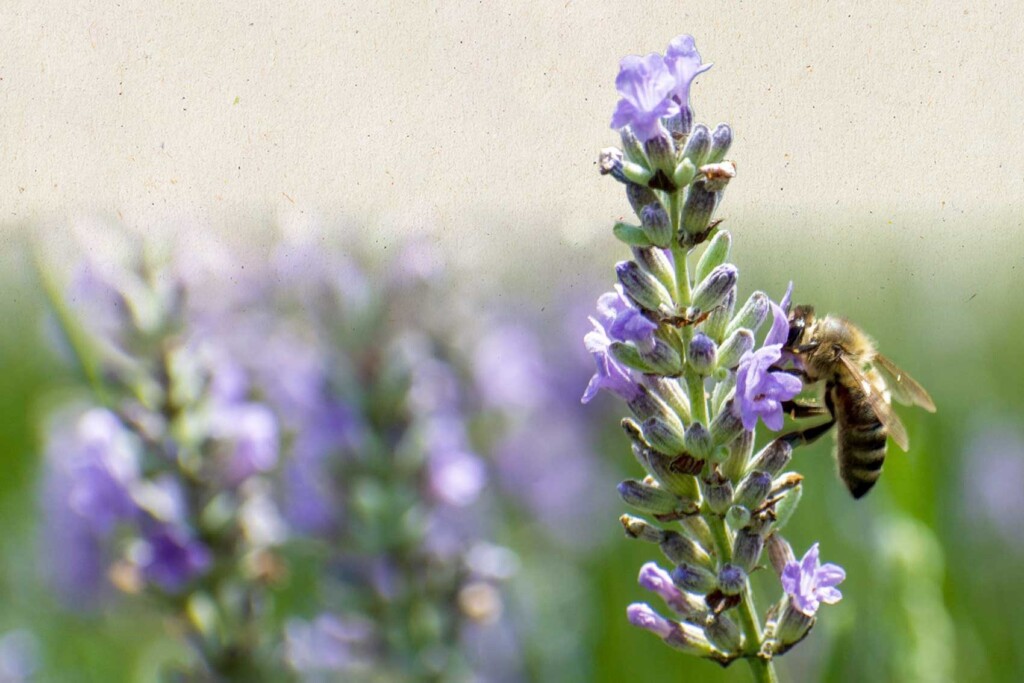
Today, visitors to Red Oak Lavender Farm can tour the grounds and enjoy the vivid color and fragrance of lavender and other flowers, including 1,500 dahlias. The blooms also serve as a popular backdrop for family photos.

Visitors may pick their own lavender bouquets in June or gather other farm flowers from July to October. Dried lavender bundles are sold in the farm shop, along with value‑added lavender products. The Duffeys and staff answer questions, lead tours and teach classes on working with lavender.
“We’re constantly evolving because you have to keep up with the times, and diversification is key,” Tina Duffey said.
Resilience and resources
From access to land and credit to the challenge of succession, new farmers face a complex set of realities.
While unique in their offerings, Red Oak and the Duffeys represent a new wave of farmers contributing to Georgia’s No. 1 industry.
For beginning growers, the top issues are access to land, credit and capital, said Cesar Escalante, a professor in the Department of Agricultural and Applied Economics at CAES.

According to the UGA Center for Agribusiness and Economic Development, about 42% of Georgia’s 42,439 farms consist of fewer than 50 acres, while another 31% are between 50 and 179 acres, representing the bulk of the state’s farms. Overall, 87% of Georgia’s farms are family-owned.
Another concern for the agriculture industry is that the average age of U.S. farmers is approximately 58, according to the 2022 U.S. Census of Agriculture.
“Generally, we’re worried about the succession issue in farming because, even if you have a large family, the children are able to get an education, and then they are drawn to non-farming jobs,” Escalante said. “When you look at the age profile of ethnic groups in farming, Hispanic American farmers and Asian American farmers are statistically much younger than the national average. There is potential there to address the aging problem, but if we don’t give these groups — and new farmers in general — a chance, they will not be able to run their farms.”
Increasing the number of historically disadvantaged farmers — who cite access to credit as their top challenge — would significantly reduce the retirement gap. It’s a stubborn challenge with historical roots.
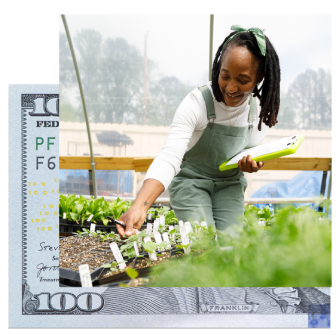
According to agricultural censuses from the 1920s and 1930s, minority farmers comprised 14% of the total, about the same as minority representation in the overall population. Today, the number of minority farmers stands at less than 1%.
“Beginning farmers, new farm businesses and small farms are already at a disadvantage at the outset when they’re applying for a loan. A commercial lender will always ask for a track record for the business requesting a loan. If you want to go into farming or you have this great farm business idea, they want to know what you have done in the past that will convince that lender that you are capable of implementing this business,” Escalante said, adding that the Farm Service Agency was created by the U.S. Department of Agriculture to provide funding for farmers who had trouble obtaining commercial loans, normally offering a more lenient consideration of the business track record criterion for loans.
“Small business size or scale is also a disadvantage when you’re borrowing, because a lender would want to see your financial capability or financial strength in repaying that loan,” Escalante explained. “Credit is one of the major obstacles. If access to credit is not resolved for these young, new or small farms, especially those being operated by minority farmers, it’s going to be a problem.”
Finding answers for new farmers
Navigating the wide array of federal programs that support new farmers can be daunting. UGA alum Amelia Dortch is their direct contact in her dual role as beginning farmer and rancher coordinator and public affairs specialist with the USDA Natural Resources Conservation Service in Georgia. She also coordinates with sister USDA organizations — the Farm Service Agency, Risk Management Agency and Rural Development — to help find answers.
Farmers seeking operating capital, for example, may be directed to the Farm Service Agency, which extends loans to those unable to secure financing from a bank or other commercial credit lender. Loans may be used to purchase land, livestock, equipment, feed, seed and supplies, or to make farm improvements.
In her role as public affairs specialist, Dortch works with NRCS and other agencies to sponsor conferences, workshops and other opportunities to communicate information about USDA farm programs to new and existing Georgia farmers.
“Beginning farmers may need assistance in a different way than our traditional legacy farmers,” she said, “so we need to make resources available to help them become successful, because they help all of us if we help them.”


Bobby Wilson
Metro Atlanta Urban Farm

Bobby Wilson grows vegetables and raises chickens, but his most important harvest is hope.
The Metro Atlanta Urban Farm is located on 5 acres on Main Street in the Atlanta suburb of College Park, Georgia.
“We’re five minutes from Hartsfield-Jackson International Airport, and 10 minutes from downtown Atlanta — on a good traffic day,” said Wilson, who co-founded Metro Atlanta Urban Farm 16 years ago to provide a source of affordable, healthy, chemical-free food to an underserved community in an urban area.
After graduating from Alcorn State University with a degree in agriculture, Wilson went to work as an agent for UGA Cooperative Extension, where he was hired to start urban gardens. During his career with UGA, he led the development of an estimated 350 urban gardening programs across metro Atlanta. Wilson always believed that these urban gardens would eventually become urban farms.
A portion of Metro Atlanta Urban Farm is devoted to a community garden where people can grow their own crops for a modest monthly fee. Instruction in basic gardening is also available for newcomers. The farm’s remaining acreage, which includes three 30-by-50-foot hoop houses, is set aside for Certified Naturally Grown production of vegetables and fruit that community members may pick in exchange for a donation, or at no cost if they cannot afford to donate.
Wilson realized the farm could do more to improve quality of life in an underserved, marginalized community.

People in poor neighborhoods face many more challenges besides access to healthy food,” Wilson observed. “We started therapeutic gardening and educational programs to address some of those challenges, like teenage pregnancy, grandparents trying to raise their grandchildren, young people caught up in the juvenile court system, people coping with physical or psychological trauma — all in the context of agriculture.”
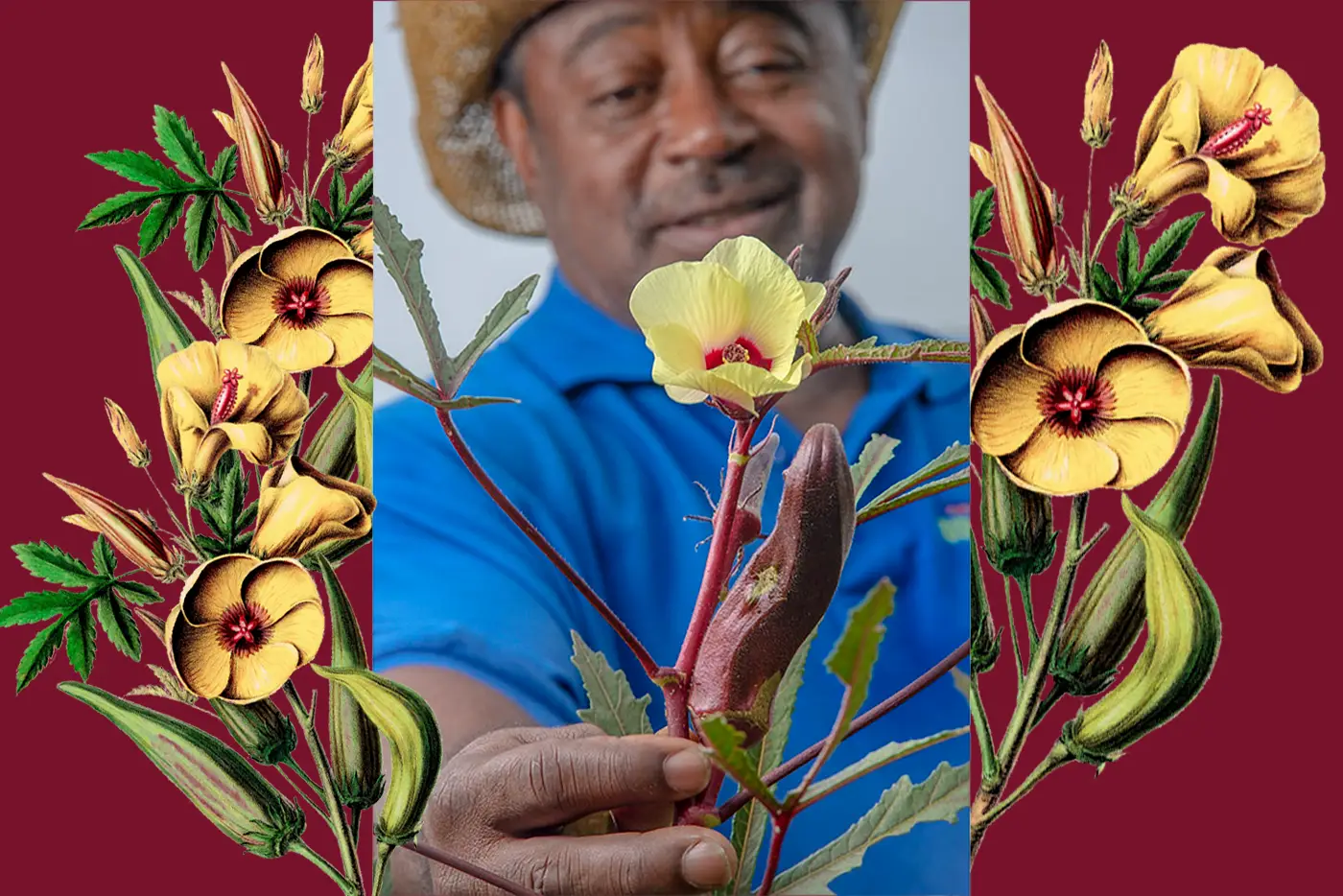
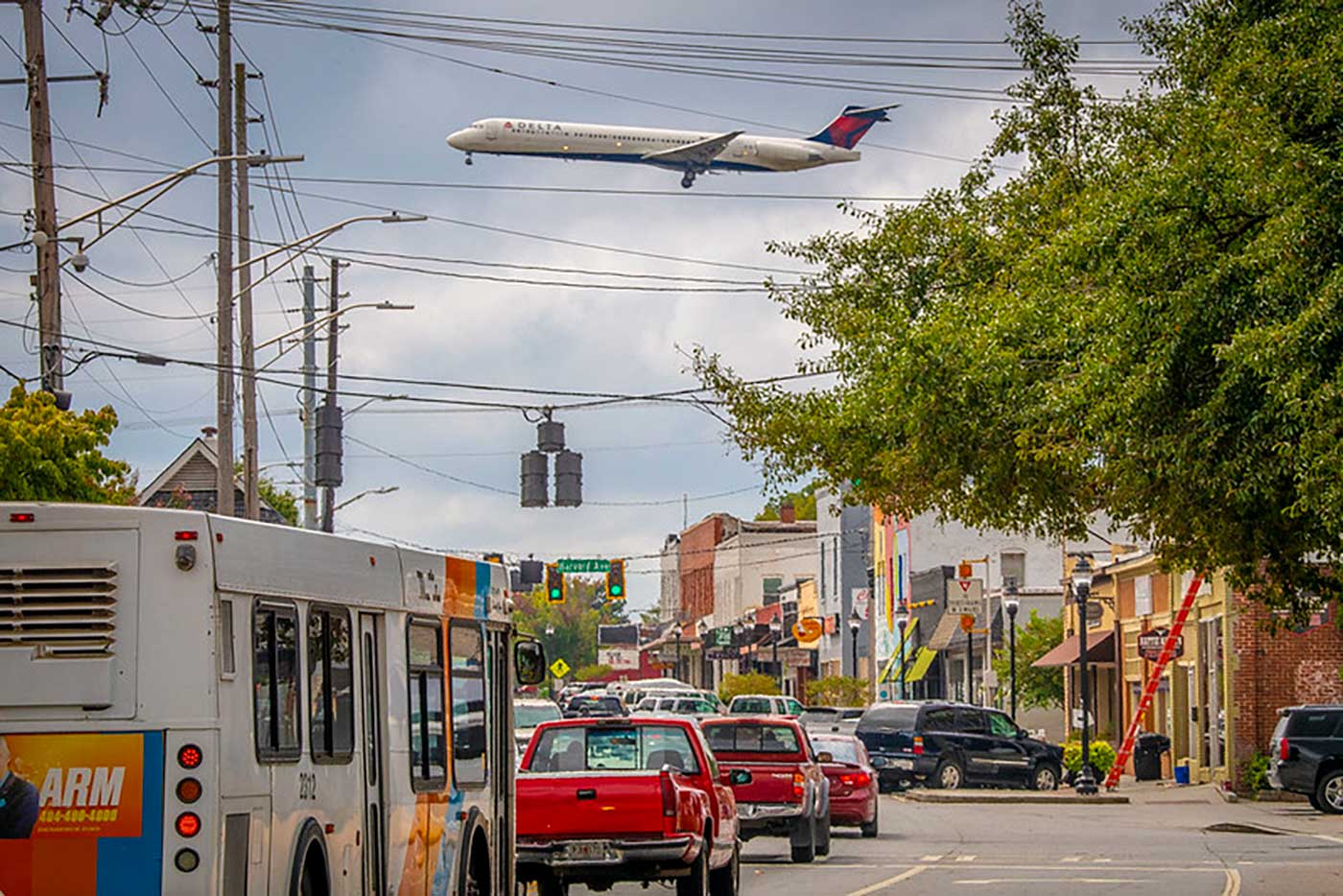
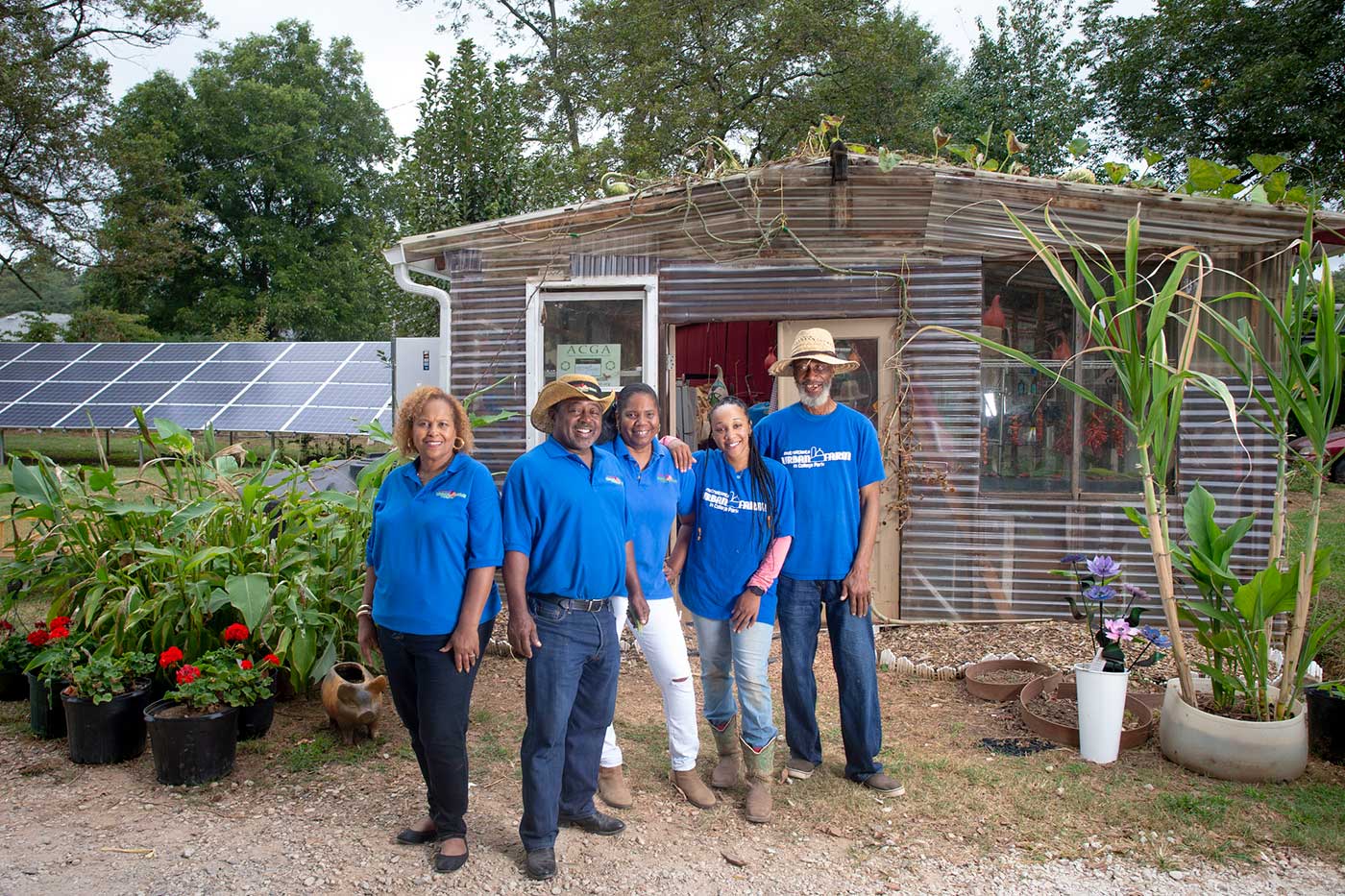
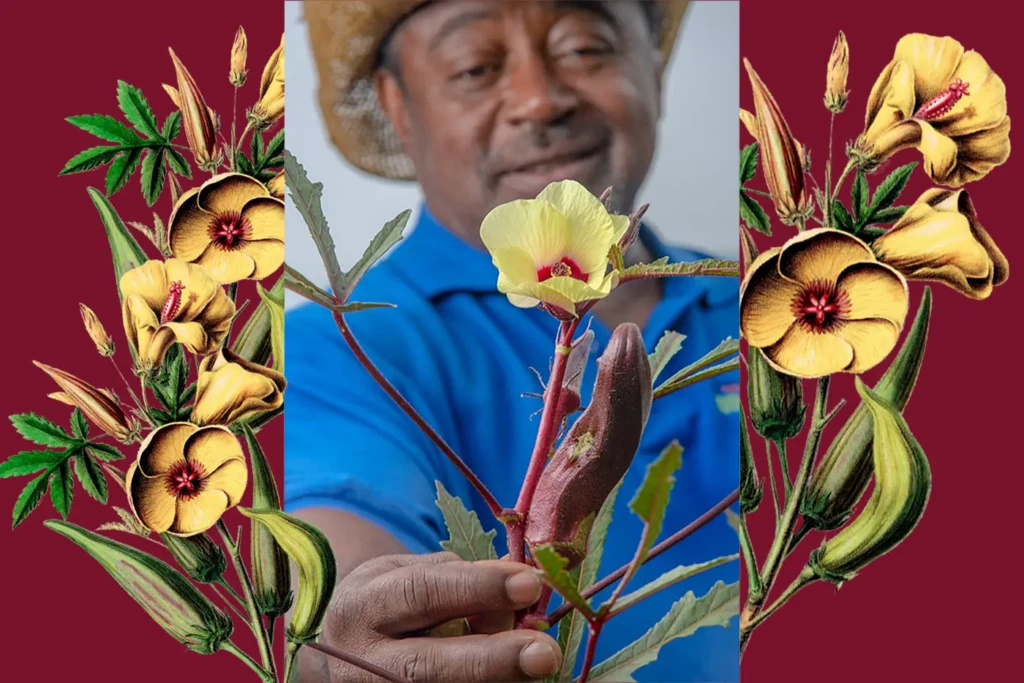
Social engagement and connecting with the soil offer relief from stress and anxiety, better eating habits, opportunities for physical activity — all of which improve mental and physical well-being, Wilson noted.
During two-day festivals in the fall and spring, “schoolchildren get to plant something and take something back to school that they can put in their school garden, or start a garden at home if they don’t have one,” he said.
As a model of urban environmental stewardship, the farm’s green space improves conditions by mitigating the urban heat-island effect, protecting the soil, cleaning the air and water, and encouraging social interaction.
In collaboration with Impact United Methodist Church and a coalition of faith-based, nonprofit and community partners, Metro Atlanta Urban Farm is igniting a three-year movement called PLANTED, with the goal of helping families and communities become healthier and more resilient through home-based, sustainable food production.
The first annual PLANTED Conference will be held in Atlanta in October 2026.

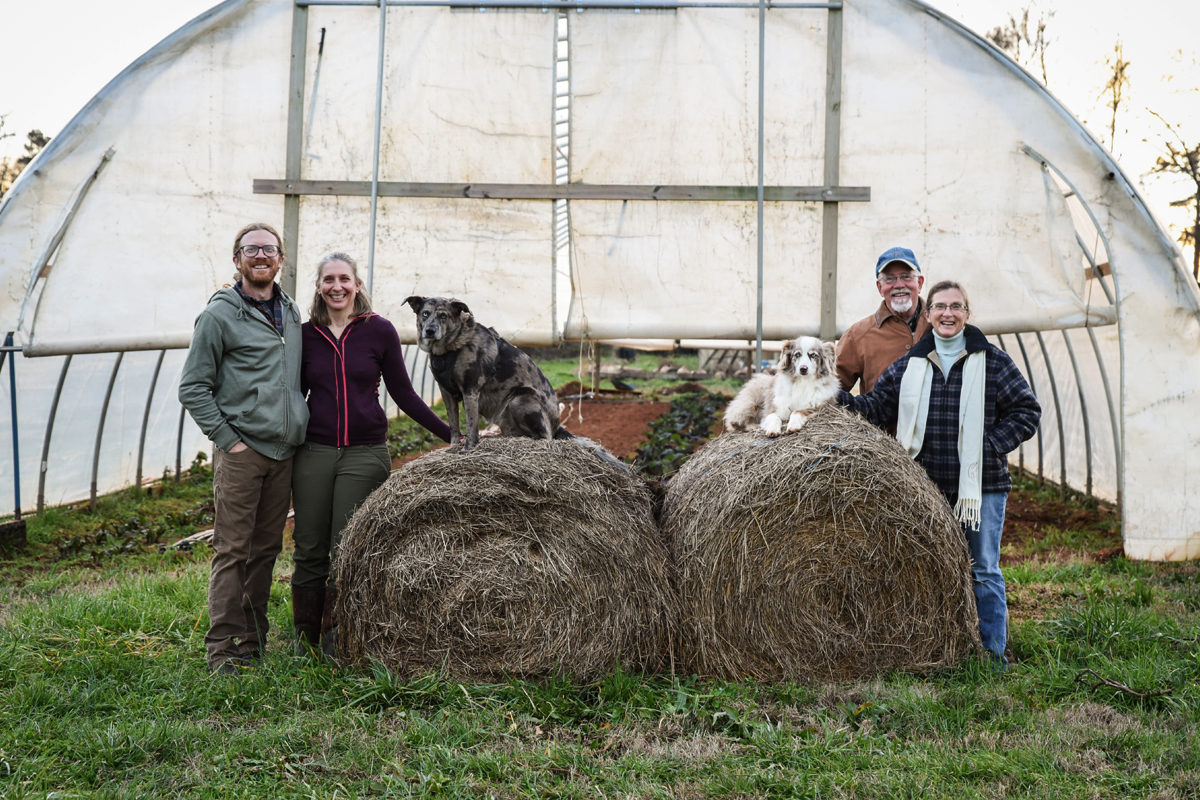
The Brady Family
Foster Brady Farm


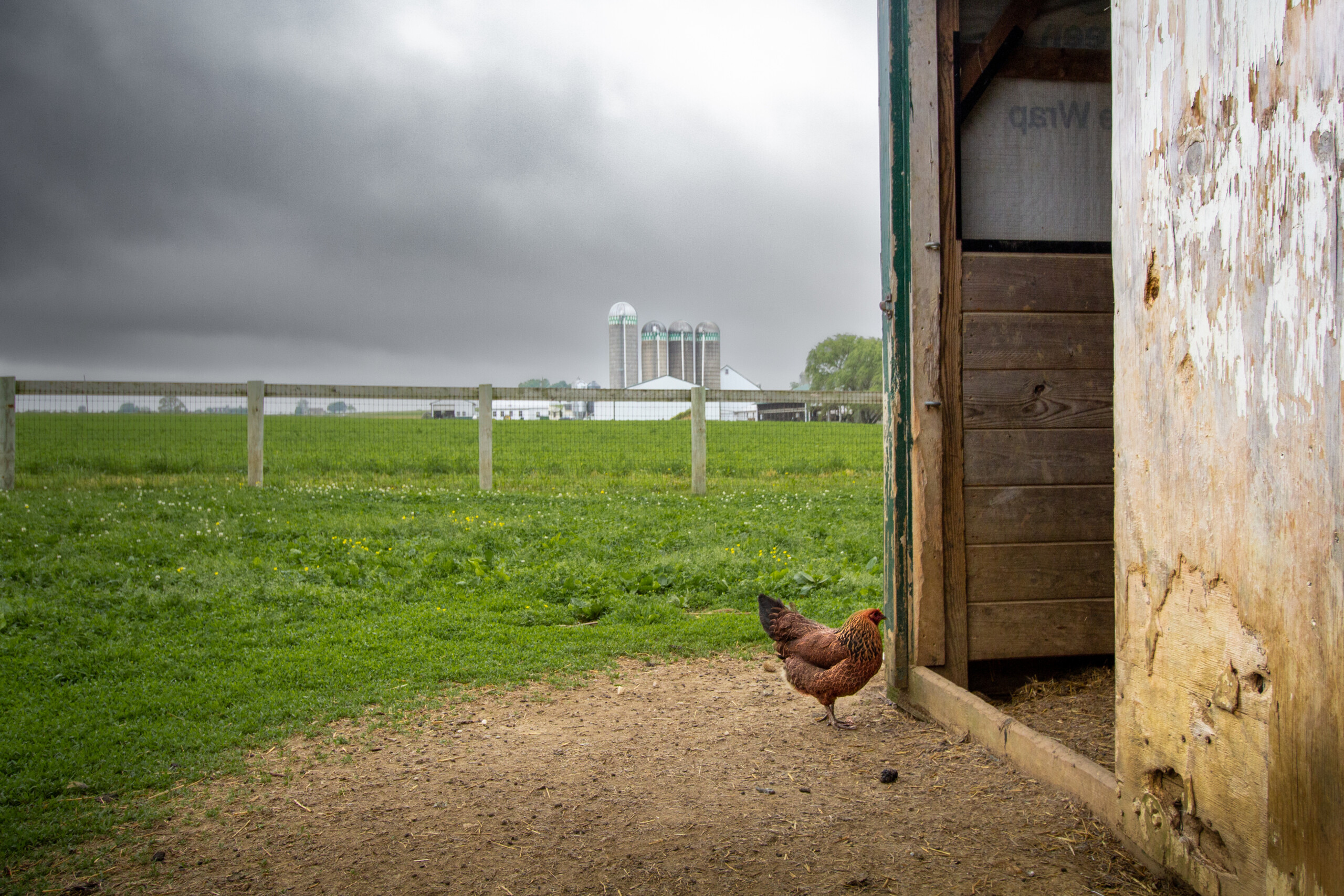
Foster Brady Farm in Monroe, Georgia, has been in the same family since 1860, but it had become more of a hobby garden than a working farm in recent years.
In 2011, Brady left his job with the Georgia Department of Natural Resources and took over the farm full time to “bring it back to life” with his wife and the active involvement of his parents, Cheryl and Hal Brady.
“My grandfather did have cows, but he didn’t do it for a living,” said Clay Brady, a first-time farmer and the fifth generation of his family to own the farm. “He did it because he liked to have cows.”
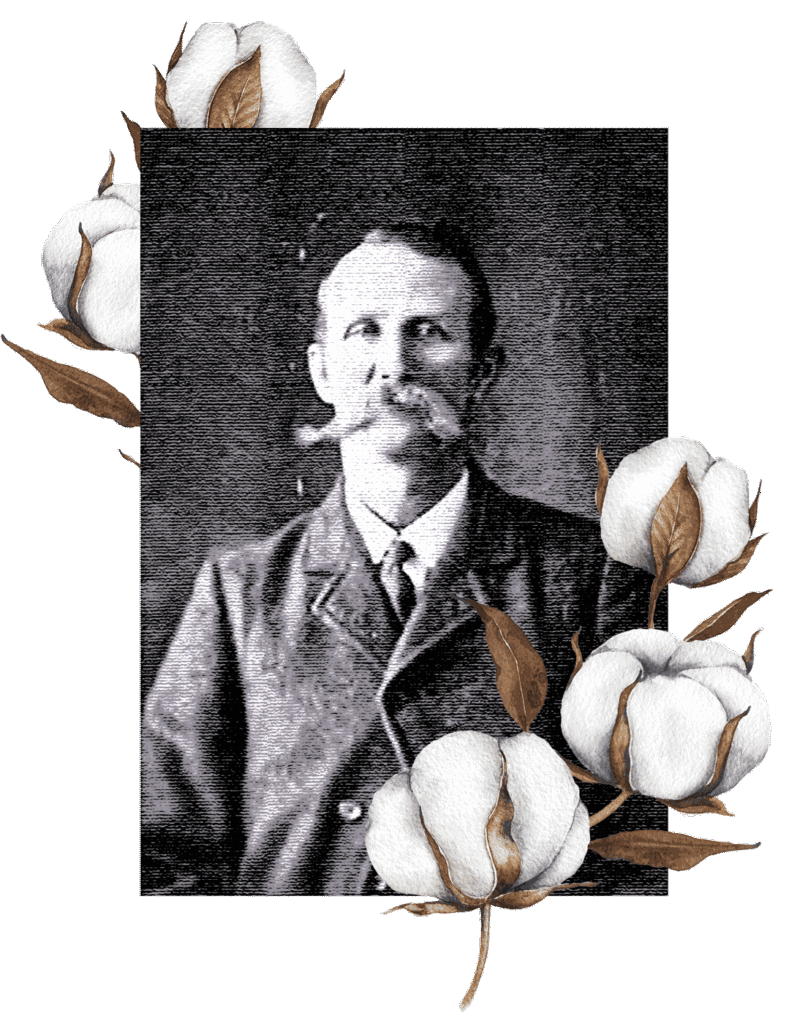
The farm’s early owners farmed cotton, wheat, soybeans, cattle and other cash crops using conventional methods, including the use of chemical fertilizer and insecticides.
To keep up with consumer interest in food purity, quality and environmental conservation, Clay Brady began converting the farm to meet Certified Naturally Grown standards.
Foster Brady Farm invested months of dedicated effort to obtain this certification, demonstrating its commitment to sustainable farming practices that enhance soil health and conserve water resources.
The farm engages in timber production and maintains a wildlife habitat, including a half-acre reserve for the endangered Monarch butterfly, while producing eggs and vegetables. Accommodating wedding ceremonies helps the farm diversify its income, Brady added.
When faculty from CAES asked to conduct on-farm research, Brady agreed.
“I realized that I could learn from what the students were learning,” he said. “Their work gave me a more complete picture of what was happening at the farm.”


The Carter Family
Southern Belle Farm

In the early 2000s, as farms all around them were accepting lucrative buyouts from developers, the Carter family had a choice to make.
“We had offers to develop our property into a subdivision,” recalled Jake Carter, a 2003 UGA graduate with a degree in business management. He is the fifth generation of his family to own and operate Southern Belle Farm after working with his dad, the late Jimmy Carter, a CAES alumnus.
“We knew that if we wanted to pass that farming legacy down to the next generation, we needed to adapt and change what we were doing. That’s when we decided to pursue agritourism.”

Southern Belle Farm is located on 330 acres in the fast-growing Atlanta suburb of McDonough, Georgia. Opening the farm to the public began with the addition of a new barn in 2005 and a corn maze the following year.
Nowadays, guests can pick fresh berries in the spring and peaches in the summer, purchase produce at the farm’s market and visit the barnyard animals. In the fall, there’s a corn maze, pumpkin patch, pig races and harvest-themed activities. Santa Claus drops by during winter months, when they also offer hayride tours and baked goods from the farm’s harvest. The farm attracts about 30,000 schoolchildren each year to learn about agriculture.
“We’re always open to adding new things or attractions as long as they’re centered around the customers’ experience,” Carter said.
The Cox-Kerr Family
Longleaf Ridge Farm

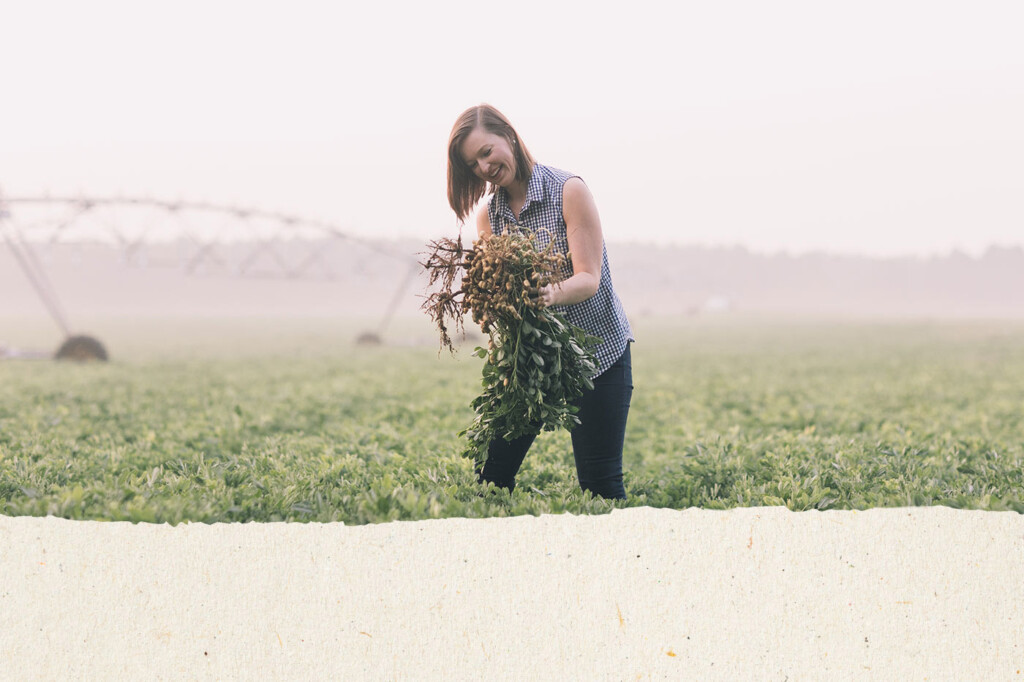
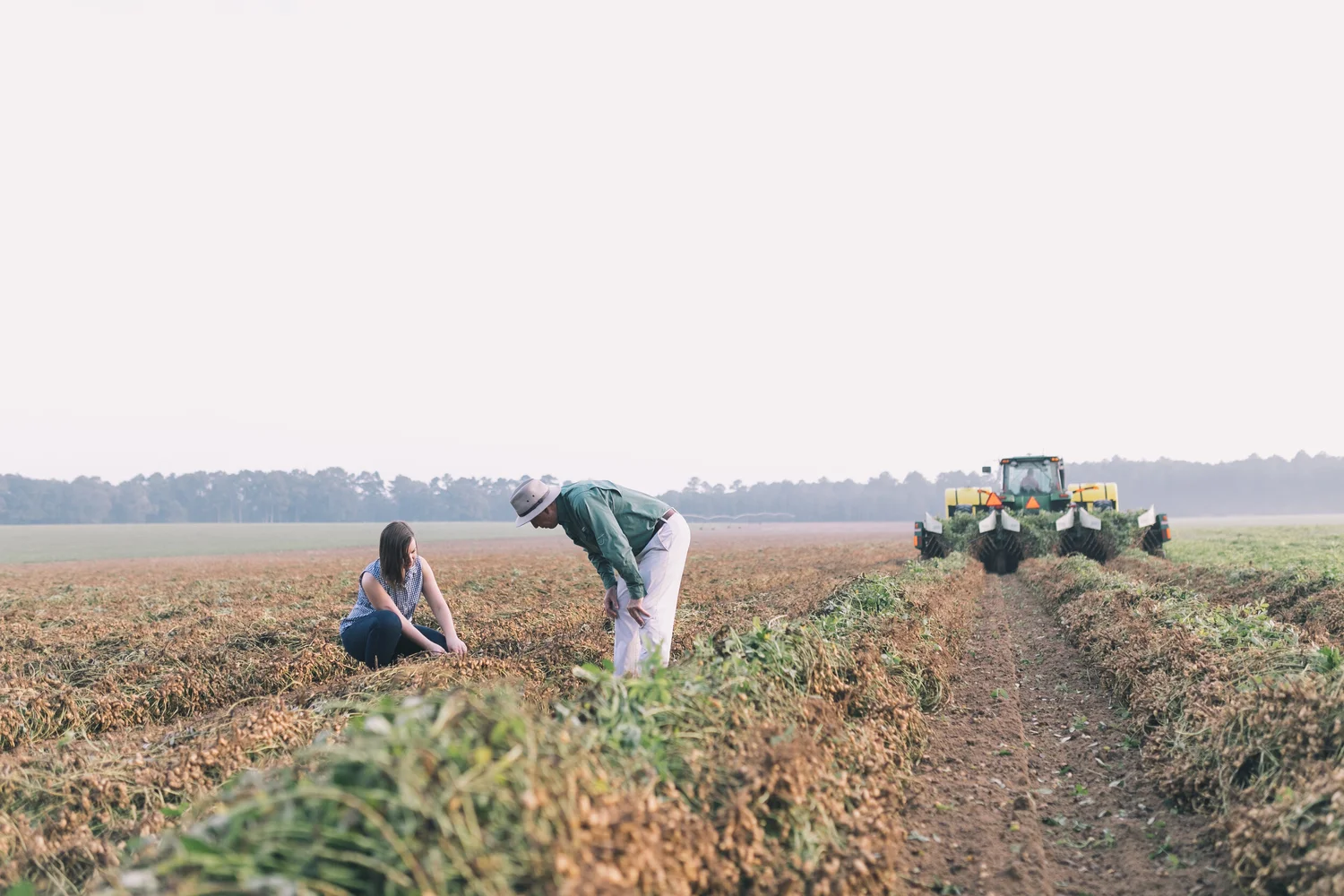
Longleaf Ridge Farm grows peanuts, sweet corn, field corn and soybeans, in addition to both natural and planted longleaf pines along 2,400 acres on the Flint River in Camilla, Georgia.
Casey Kerr is the sixth generation of her family to farm alongside the river, where Longleaf Ridge was established in 2002. She owns and operates the farm with her husband, Chris Kerr. Her retired father, Glenn Cox, acts as strategic adviser.
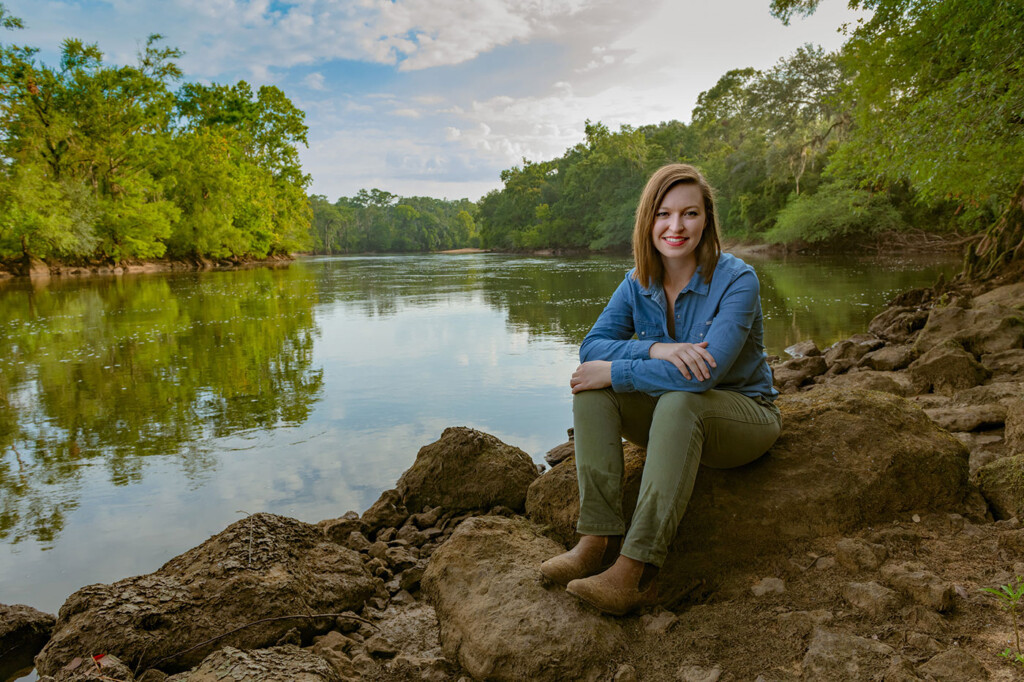
After graduating from the University of Florida with a degree in natural resource conservation, Casey Kerr began a six-year term as executive director of the Flint River Soil and Water Conservation District with an office at UGA’s C.M. Stripling Irrigation Research Park. There she worked closely with researchers from CAES to help develop precision agriculture and smart irrigation technology.
Then, in 2018, Hurricane Michael hit southwest Georgia, causing catastrophic damage, including at Longleaf Ridge Farms. Kerr returned to the family farm full time, with a long list of rebuilding tasks. High on her to-do list was the deployment of smart irrigation: strategically placed soil-moisture sensors send data to an app, which calculates the crops’ daily water needs and alerts farmers where and how much irrigation is needed, saving water and money.
A potential new revenue stream for the farm, still in the planning stage, is to produce and market branded food products. Kerr has partnered with the Food Product Innovation and Commercialization Center on UGA’s Griffin campus to figure out how to move from concept to production to consumer.
“We’re not doing peanut butter,” she said, “but something along those lines — probably peanut-based products or sweet corn-based products to start.”
News media may republish this story. A text version and art are available for download.