
This resource was written and reviewed by experts. Learn more about how we produce science you can trust.

UGA Extension contacts:
Patrick E McCullough

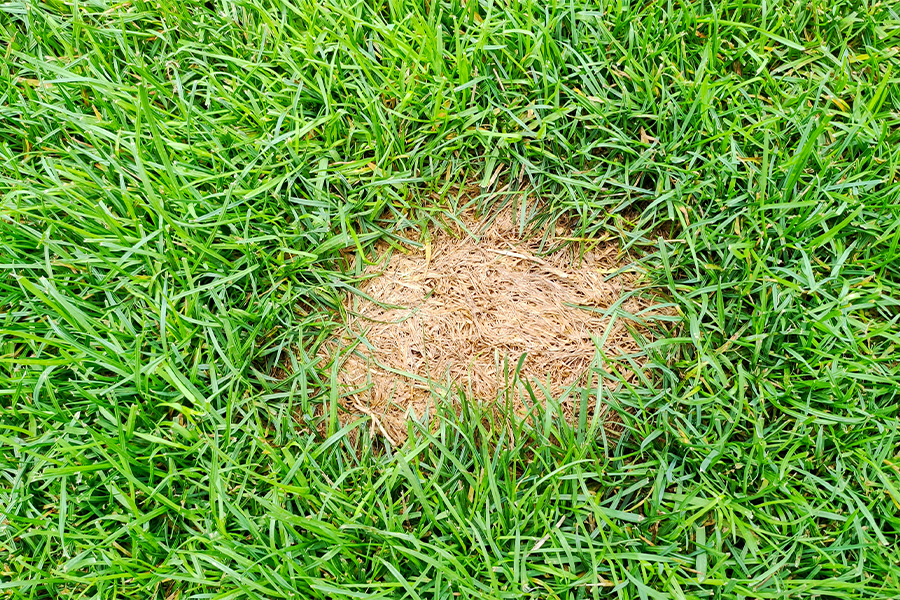
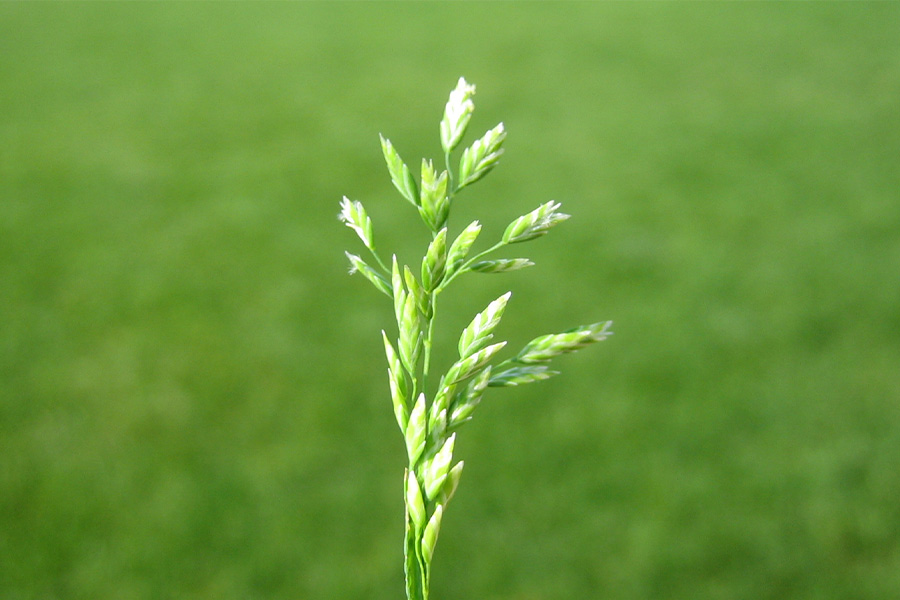
Annual bluegrass is the most problematic winter weed of lawns in Georgia. Plants have a light green color, coarse leaf texture, and produce unsightly seedheads. Annual bluegrass germinates in fall, overwinters in a vegetative state, and resumes active growth in spring. Annual bluegrass typically dies out by May in Georgia, but cool temperatures in spring and regular irrigation may extend survival of populations into early summer. This resource covers annual bluegrass identification, establishment, and cultural control for lawns. The development, detection, and control of herbicide-resistant annual bluegrass is also discussed.


Published by University of Georgia Cooperative Extension. For more information or guidance, contact your local Extension office.

The University of Georgia College of Agricultural and Environmental Sciences (working cooperatively with Fort Valley State University, the U.S. Department of Agriculture, and the counties of Georgia) offers its educational programs, assistance, and materials to all people without regard to age, color, disability, genetic information, national origin, race, religion, sex, or veteran status, and is an Equal Opportunity Institution.

Share

What is a Bulletin?

A bulletin is an Extension publication that covers a broad subject area, such as native plants in Georgia or how to prepare your family for emergencies or natural disasters.

Written and Reviewed by Experts

This resource was written and reviewed by experts. Click below for more information on how we produce science you can trust.