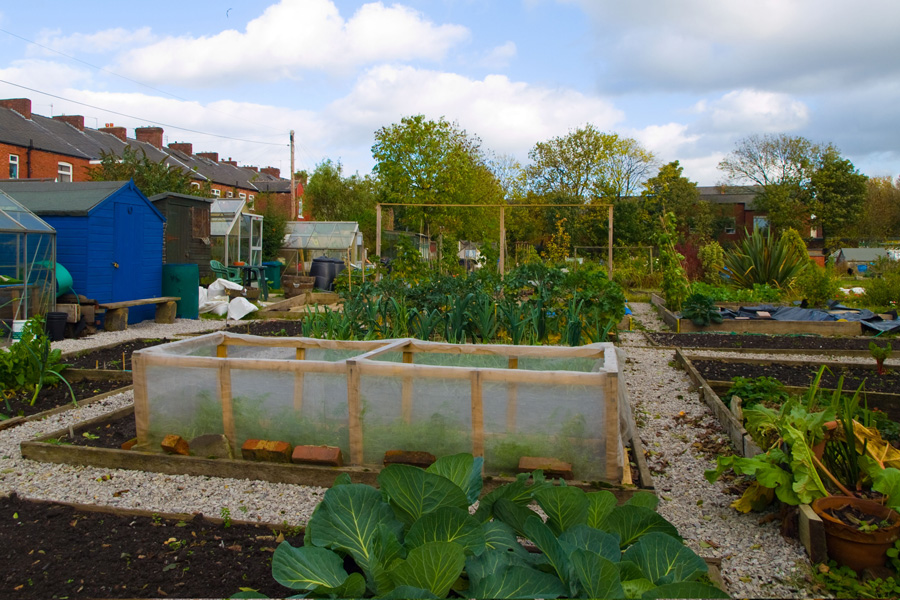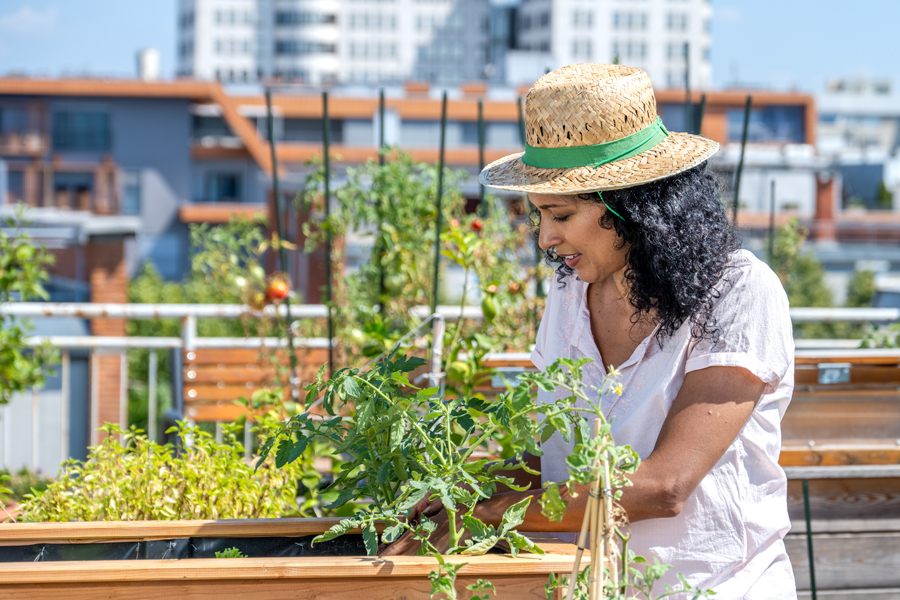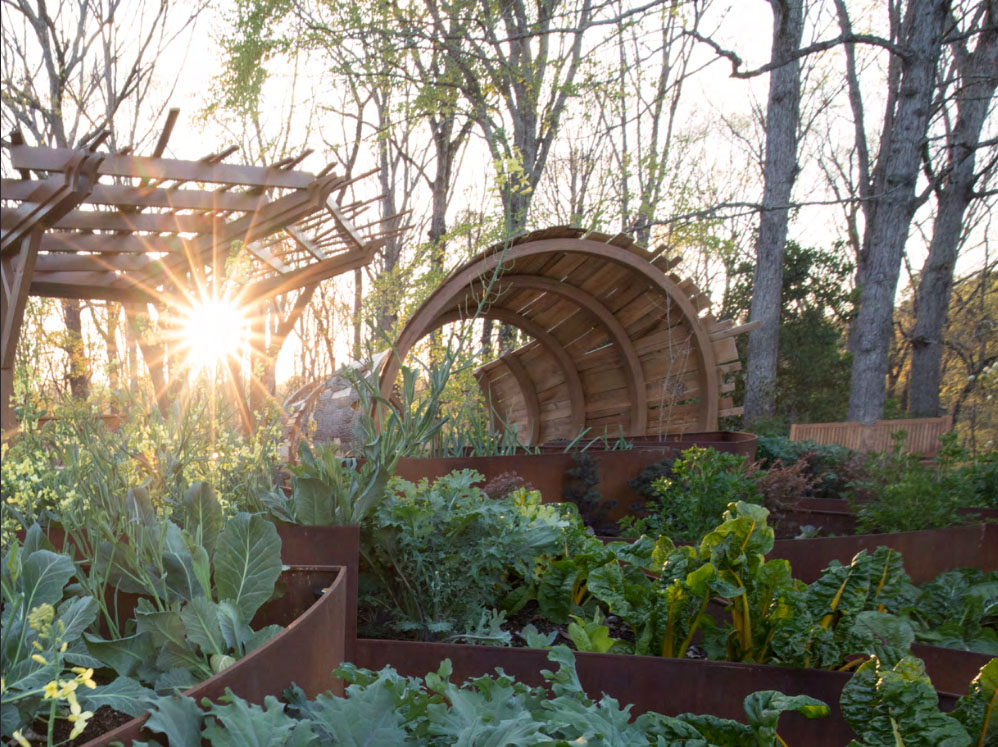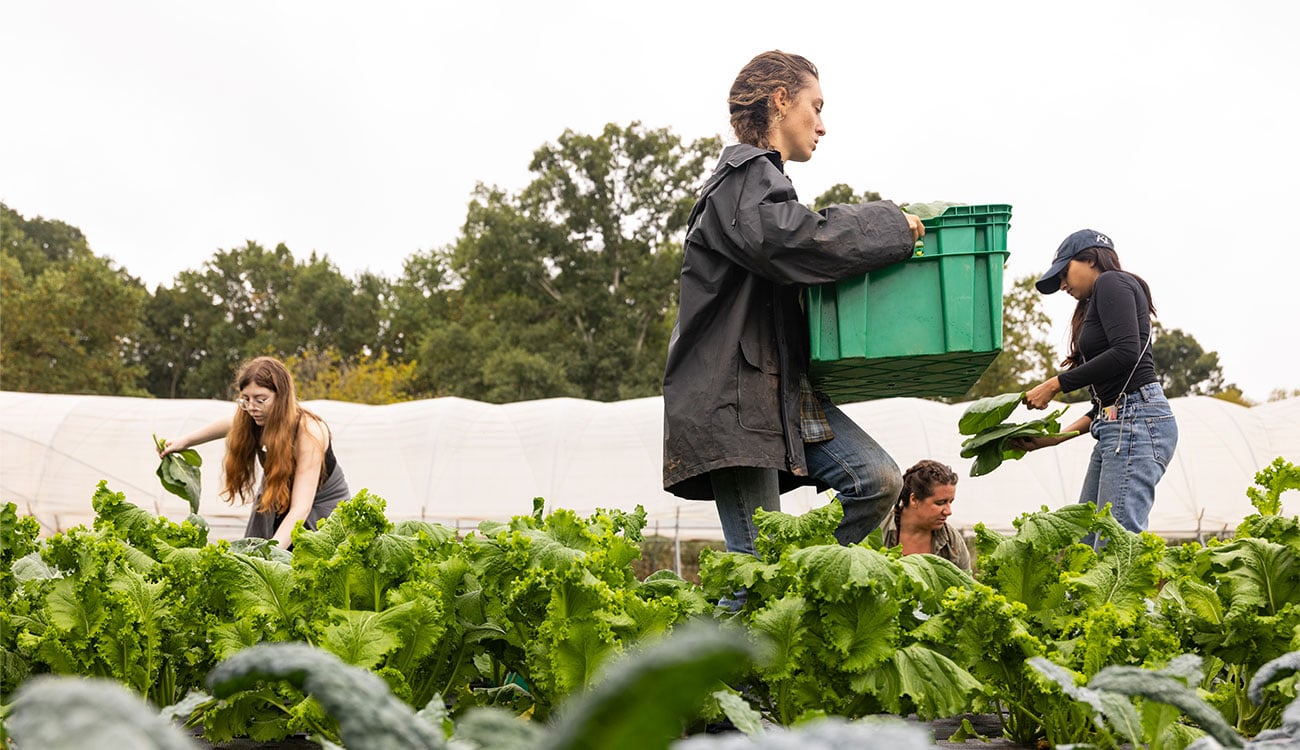


The homes, gardens, businesses, parks, communities, and cities where we live and work are a complex mixture of built environments and biological systems. Lawns, gardens, parks, and the many other green spaces in our physical environments actually consist of diverse biological communities called ecosystems. The plants, animals, insects, and microorganisms that make up these ecosystems provide many human benefits by cleaning polluted air and preventing the erosion of soil that absorbs and cleans water, all while supporting pollinators, wildlife, and humans. As populations increase and our country becomes more urban, protecting the function of these valuable ecosystems depends on residents actively supporting plant and soil health as well as water and air quality where they live and work.10 Consumer horticulture provides that tangible plant-soil-water-people connection as residents grow and manage plants and understand how their investment in gardens, lawns, and landscapes can support good soil and water quality. Communities composed of residents who value the role of plants in their homes and gardens will increasingly value and support green spaces in public settings and natural areas. This publication will provide an overview of how specific consumer horticulture activities can protect air and water quality, enhance soil health, and support pollinator and wildlife populations to benefit our environment.
Air Quality and Climate
We all work and live in areas increasingly affected by air pollutants from industry, transportation, and other sources that can contribute to health issues. However, trees, plants, and green spaces can mitigate poor air quality and reduce health risks by removing harmful gases and particulates.15 Research on existing green spaces also demonstrates that cooler temperatures are enabled through the shading and evaporative cooling effect of plants.3 Plants in parks, gardens, and even on the interior and exterior of urban buildings (green roofs and green walls) can also help reduce urban heat island effects and summer heat.9, 11
Taking action: Installing trees and plants in your own residential areas and supporting plantings in nearby parks and public spaces can both be important individual contributions to increasing vegetation in urban and suburban areas. It is important for consumers to be ambassadors for the planting and care of plants in our environment. Trees and plants can sequester carbon, capture air pollutants, and improve the climate in the local area.
Water Stewardship
Urban development dramatically affects the movement of water in the landscape as soil is compacted and degraded by development or covered by buildings, roads, and parking lots. As a result, the capacity of the soil to infiltrate, filter, and store water is diminished and more precipitation runs off the site (stormwater) that must be managed by costly stormwater management systems. This all has implications for streams in the urban environment. The ecological quality and function of these streams has decreased because of excessive erosion, sedimentation (eroded soil) and pollutants.12 Increasing green space in urban areas with rain gardens, green roofs, wetlands, and bioswales (vegetated ditches) can all help mitigate the negative effects of urban stormwater runoff on local water cycles.13
Taking action: Water stewardship for consumers begins with the concept that water connects us all to the landscape around us. Practices that retain water on residential property means more water in the soil for plant use and lower volumes of water causing issues downstream. Installing bioswales and rain gardens help to slow down runoff and increase infiltration on a small scale, which contributes to reduced urban flooding, groundwater recharge, and healthier streams on a larger scale. Water stewardship also includes xeriscaping, or planting drought-tolerant plants that require little irrigation or rainwater and reduces municipal water used in the landscape. Small-scale water conservation, such as rain gardens and rain barrels, can result in financial benefits for both the homeowner and municipality by reducing the size of large storm sewer systems and retention ponds.
Soil Health
Urban soil quality is increasingly seen as a key element for human health because of its ability to mitigate pollutants and support high quality food crops.8 The health and function of the soil are therefore connected to the
health of the humans and the environment.17 Soil aids plants by providing structural support, and access to water and nutrients. The organic (previously living) components of soil are a small percentage of soil by weight but play a huge role in function. Organic matter in soil supports the cycling of key plant nutrients as well as sustaining a diverse microbial community and can even be a form of carbon sequestration. Organic matter rich and microbially diverse soil can also function in biofiltration (biological treatment of contaminants) and phytoremediation (the removal of chemicals or metals from the environment). Soils rich in organic matter function best to infiltrate and hold water for plant growth, recharging ground water, and reducing the burden on stormwater systems in urban areas. Urban soils are often reduced in their ability to function in many of these roles due to containing low levels of organic matter as well as compaction and contamination.4
Taking action: Essentially every practice in consumer horticulture connects back to soil in some way, with much of the function of soil related to its organic matter. Focusing on conserving and increasing organic matter in soil should be a top priority. Recycling grass and landscape trimmings through mulching and home composting can protect the soil surface and add organic matter to support soil health, plant productivity, and soil function. Other soil management steps are soil testing to ensure on-target fertilizer application and the use of controlled release fertilizers that can provide more even plant growth and reduce phosphorus or nitrogen nutrients lost to the environment.
Wildlife and Pollinator Support
Our landscapes should be designed and managed to support a range of organisms to realize the many human and ecological benefits of urban wildlife.16 Urban and suburban areas can create challenges for wildlife and pollinator support because the vegetation is often scattered and sparse, which can disrupt wildlife movement.5, 14 However, urban environments can still be quite valuable for the support of pollinators and wildlife if plants are selected and managed well. For instance, the diversity of floral resources in urban areas has been shown to support a range of pollinators and could be a key component in conservation of pollinators under pressure of reduced natural habitat.1
Taking action: Use a diverse plant mix that provide a wide range of nectar, pollen, and host plants (plants that support specific insects). Beyond pollinators, wildlife support can also include supporting healthy habitats for amphibians, fish, reptiles in riparian areas and providing diverse vegetation for birds and other wildlife. Be open-minded about plant species selection. Clover and vetch are legumes that can fix nitrogen and be used as cover crops to support soil health and pollinators. Stay aware of new plant species and cultivars that are well suited to challenging urban environments from reduced water needs or soil adaptability. Also consider increasing mowing height to support more diverse and abundant insect community7 or tolerating some weeds that provide nectar when other plants are not flowering.6 Research has shown that intentional and ecologically sound residential gardening practices can have a positive impact on biodiversity.2
It is important to understand that there are many small, individual steps that can create long-term positive change to your immediate natural surroundings. When aggregated across many residents, these positive benefits ripple through our communities and broader environment. The first step, though, is always local and individual environmental stewardship. We must understand the impact of our own actions on the environment around us and take responsibility for our decisions while supporting similar community and society actions.
References
Baldock, K.C.R., M.A. Godadrd, D.M. Hick, W.E. Kunin, N. Mitschumas, L.M. Osgathorpe, S.G. Potts, K.M. Robertson, A.V. Scott, G.N. Stone, I.P. Vaughan, and J. Memmott. 2015. Where is the UK’s pollinator biodiversity? The importance of urban areas for flower-visiting insects. Proc. Royal Soc. 282: 1-10.
Bertoncini, A.P., N. Machon, S. Pavoine, and A. Muratet. 2012. Local gardening practices shape urban lawns floristic communities. Landscape Urban Planning. 105: 53-61.
Bowler, D.E., L. Buyung-Ali, T.M. Knight, and A.S. Pullin. 2010. Urban greening to cool towns and cities: A systematic review of the empirical evidence. Landscape Urban Planning 97: 147-155.
Guilland, C., P.A. Maron, O. Damas, and L. Rajard. 2018. Biodiversity of urban soils for sustainable cities. Environ. Chem. Letters 16:1267-1282.
Hennig, E.I., and J. Ghazoul. 2011. Plant-pollinator interactions within the urban environment. Perspectives Plant Ecol. 13:137-150.
Larson, J.L. A.J. Kesheimer and D.A. Potter. 2014. Pollinator assemblages on dandelions and white clover in urban and suburban lawns. J. Insect Conserv. 18: 863–873.
Lerman, S.B., A.R. Contosta, J. Milam, and C. Bang. 2018. To mow or to mow less: Lawn mowing frequency affects bee abundance and diversity in suburban yards. Biological Conservation. 221: 160-174.
Li, G., G.X. Sun, Y. Rem, X.S. Luo, and Y.G. Zhu. 2018. Urban soil and human health: A review. Eur. J. Soil Sci. 69:196-215.
Livesley, S.J., E.G. McPherson, and C. Calfapietra. 2016. The urban forest and ecosystem services: Impacts on urban water, heat, and pollution cycles at the tree, stress, and city scale. J. Env. Qual. 45:119-124.
Lovell, S.T., and J.R. Taylor. 2013. Supplying urban ecosystem services through multifunctional green infrastructure in the United States. Landscape Ecol. 28:1447-1463.
Norton, B.A., A.M. Coutts, S.J. Livesley, R.J. Harris, A.M. Hunter, and N.S.G. Williams. 2015. Planning for cooler cities: A framework to prioritise green infrastructure to mitigate high temperatures in urban landscapes. Landscape Urban Planning 134:127-138.
Paul, M.J., and J.L. Meyer. 2001. Stream in the urban landscape. Ann. Rev. Ecol. Systematics 32:333-365.
Prudencio, L. and S.E. Null. 2018. Stormwater management and ecosystem services: A review. Environ. Res. Lett. 13:1-13.
Sanchez-Bayo, F. and K.A.G. Wyckhuys. 2019. Worldwide decline of the entomofauna: a review of its drivers. Biological Conservation. 232: 8-27.
Sicard, P., E. Agathokleous, V. Araminiene, E. Carrari, Y. Hoshika, Al De Marco, and E. Paoletti. 2018. Should we see urban trees as effective solutions to reduce increasing ozone levels in cities? Env. Pollution 243:163-176.
Soulsbury, C.D., and P.C.L. White. 2015. Human-wildlife interactions in urban areas: A review of conflicts, benefits and opportunities. Wildlife Res. 42: 541-553.
Vasenev, V.I., A.P.E. Van Oudenhoven, O.N. Romzaykina, and R.A. Hajiaghaeva. 2018. The ecological functions and ecosystem services of urban technogenic soils: From theory to practice (A review). Eurasian Soil Sci. 51:1119-1132.
About the Publisher
The National Initiative for Consumer Horticulture (NICH) is a consortium of industry leaders who are promoting the benefits and value of horticulture. NICH brings together academia, government, industry, and nonprofits to cultivate the growth and development of a healthy world through landscapes, gardens and plants – indoors and out. The mission of NICH is to grow a healthy world through plants, gardens, and landscapes. consumerhort.org
Other publications in this series: Consumer Horticulture: Connecting People and Plants