
How to Use This Booklet
Related Content
Go to the tab that best exemplifies the damage observed on ornamental plants or turfgrass. Some insects are not easily seen. Sometimes a magnifying glass or a microscope is needed. The type of damage caused can provide evidence of the culprit. Not all insects cause damage and many benefit your garden. You will find many of these insects in the beneficial insects section of this book.
Practice Integrated Pest Management (IPM)
Before choosing a course of action about an insect in the garden, remember the four principles of IPM:
- Monitor the garden
- Identify the insect or problem
- Evaluate the situation and predict the impact of the
damage, if any - Make a decision about the best course of action and choose
your control methods
Consult your county Extension agent and state pest control handbook regarding the choice of control methods. Always follow pesticide labels and use proper precautions before handling pesticides.
Pretty or Pest?
Some insects, especially those that cause chewing damage to plants, are beautiful additions to the garden at later stages in their life. Take a look at the caterpillars and see what they become before you decide to take action. These insects are all greater than 1/2 in. in size.


Chewing Damage
Clues: Scraped or chewed leaves or flowers. Frass and webbing.
Examples


Possible Culprits: Beetles
Beetles Between 1/8–1/2 in. Long

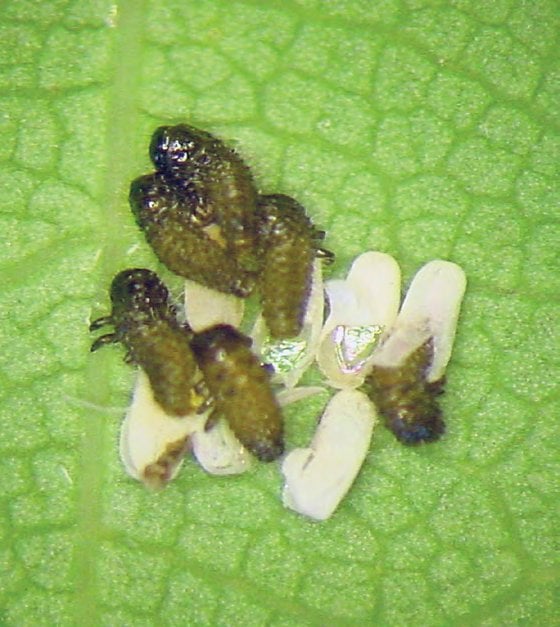
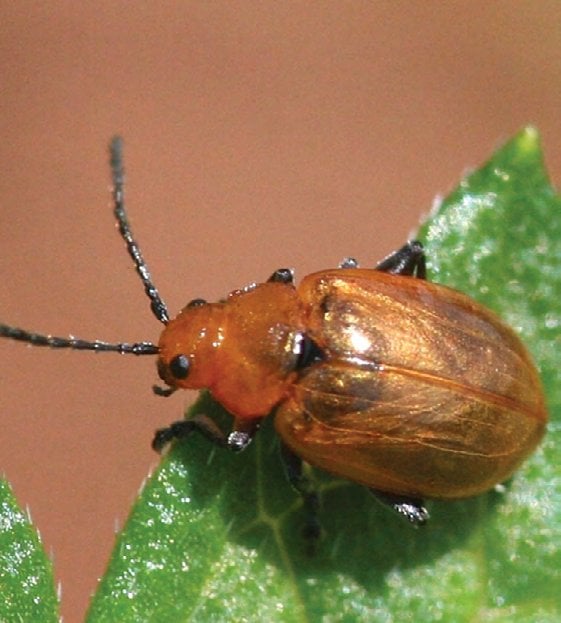


Beetles Greater Than 1/2 in. Long

Possible Culprits: Caterpillars, Greater Than 1/2 in. Long
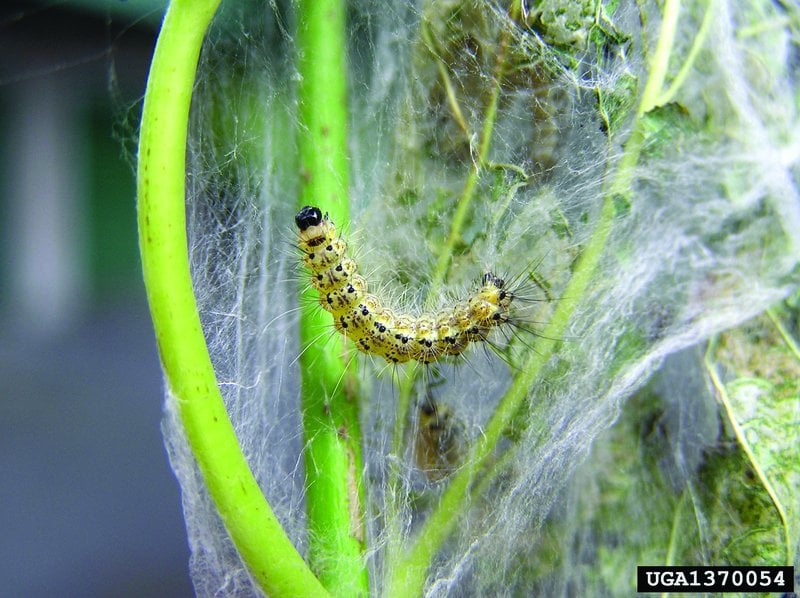


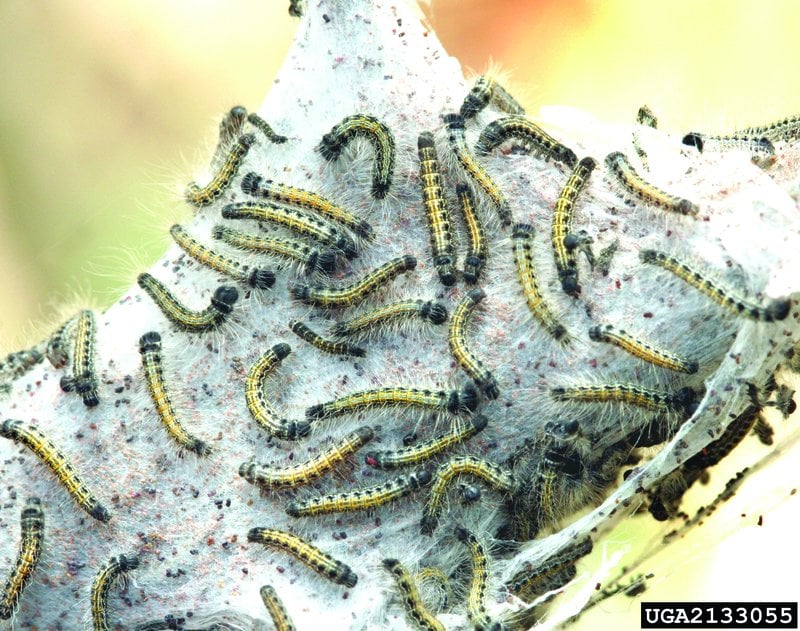

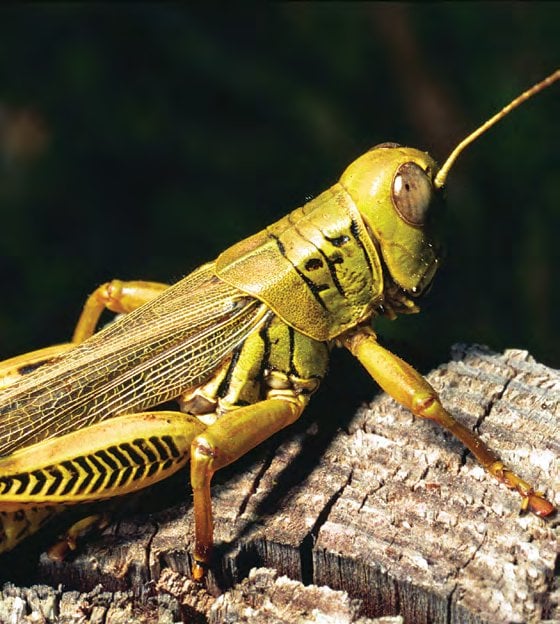
Possible Culprits: Grasshoppers & Sawflies, Greater Than 1/2 in. Long



Dieback Damage
Clues: Unusual wilting, drying or death of a branch or twig on an otherwise healthy plant.
Examples


Possible Culprits: Scales
Armored Scales, Need Magnification to be Observed
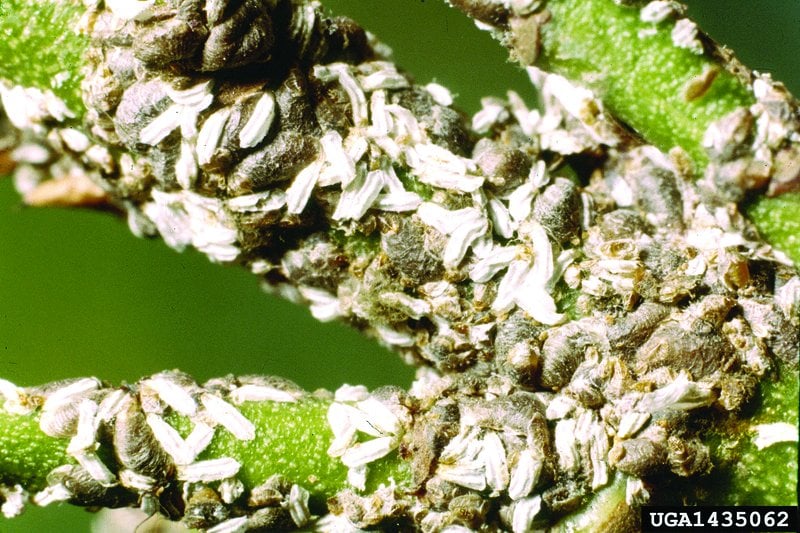
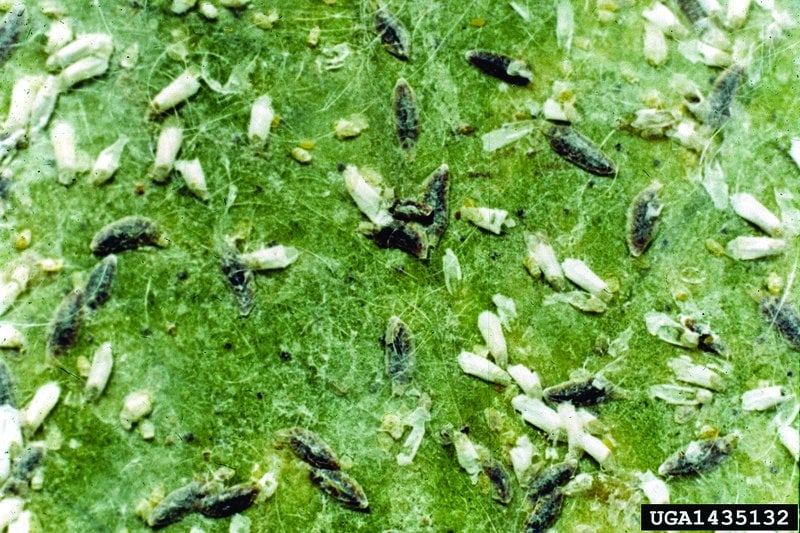
Soft Scales, Need Magnification to be Observed


More Dieback Damage Clues and Examples
In addition to unusual wilting or drying, look for frass in branch crotches or frass “toothpicks.”


Possible Culprits: Borers
Borers, Greater Than 1/2 in. Long


Borers, Between 1/8–1/2 in. Long

Distortion Damage
Clues: Abnormally shaped or colored deformation of plant parts. Some of these can also be symptoms of plant diseases.
Galls


Insects & Mites That Make Galls, Need Magnification to be Observed
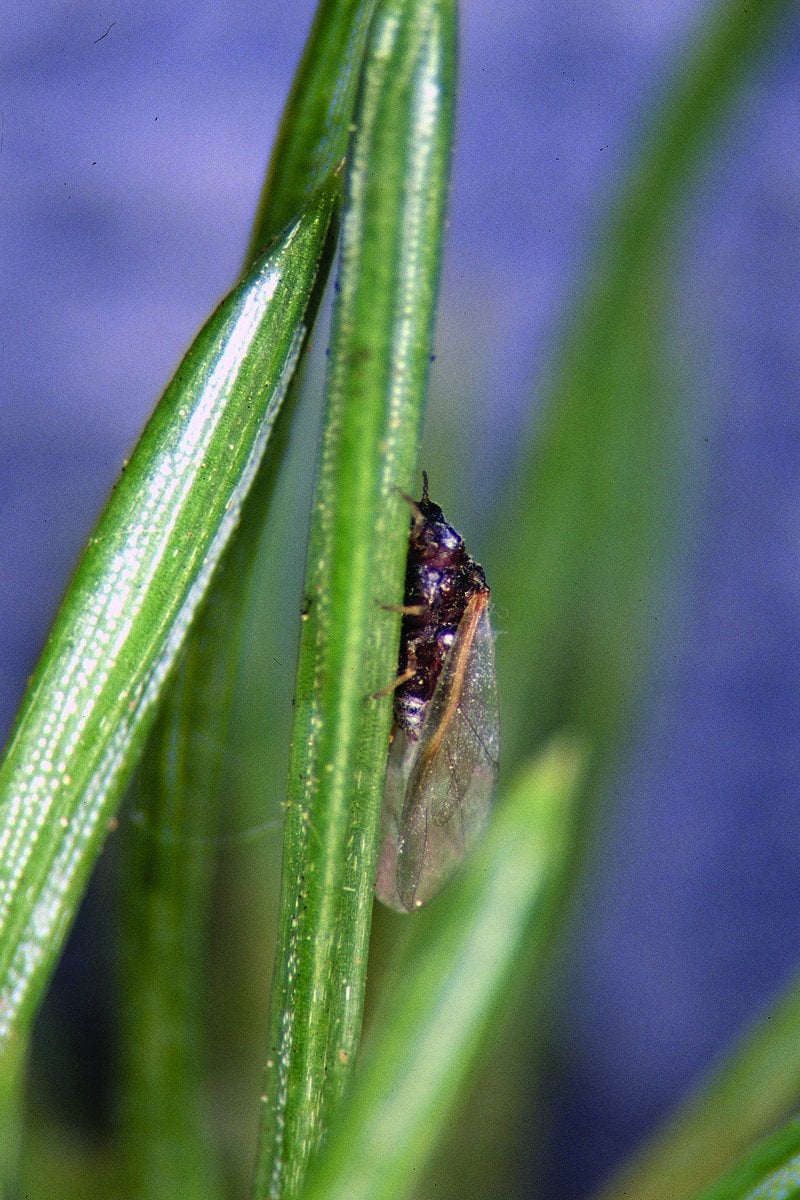
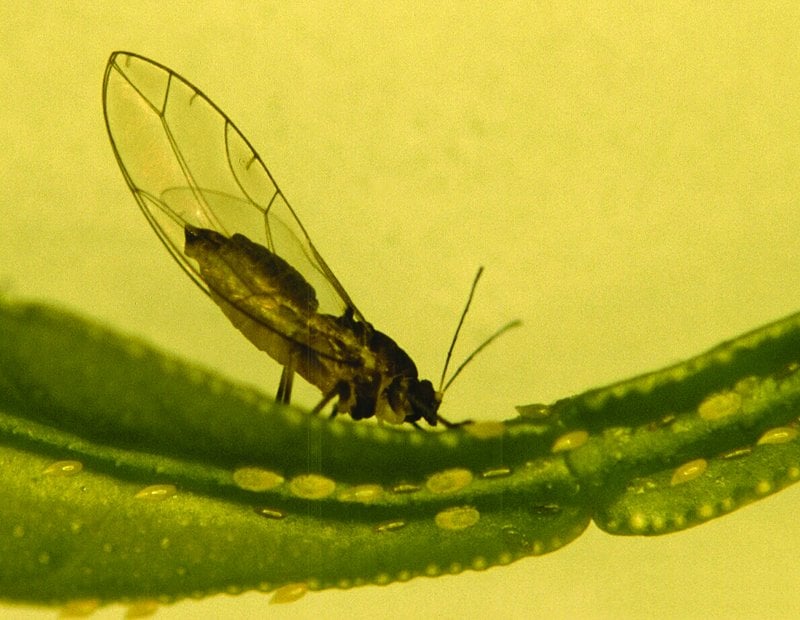

Insects & Mites That Make Galls, Between 1/8–1/2 in. Long

Leaf Curling
Examples

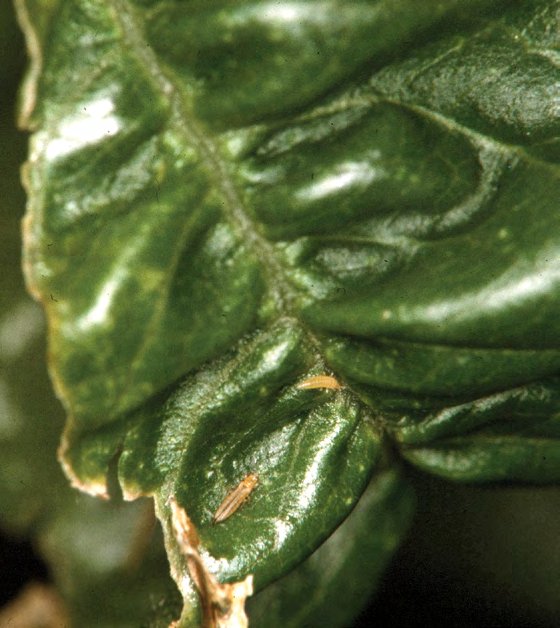
Culprits, Need Magnification to be Observed


Leaf Mines
Examples
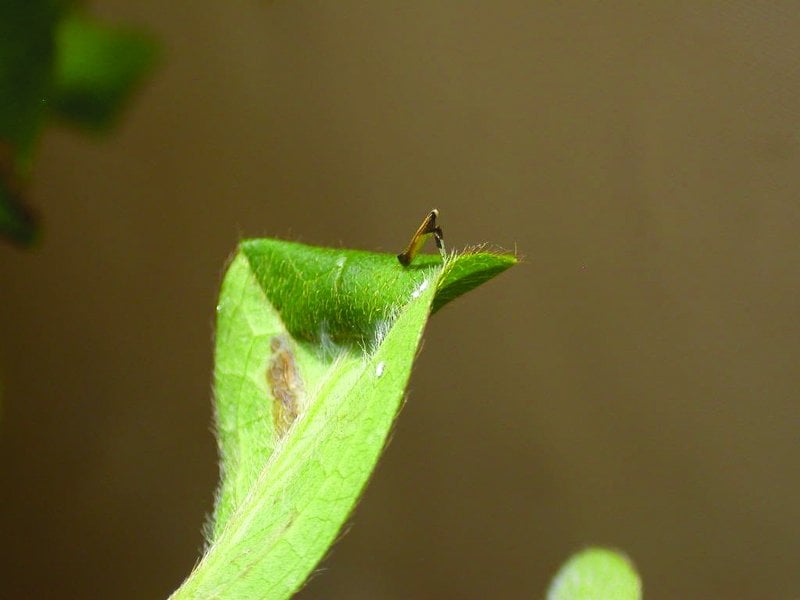


Culprits, Need Magnification to be Observed


Stippling Damage
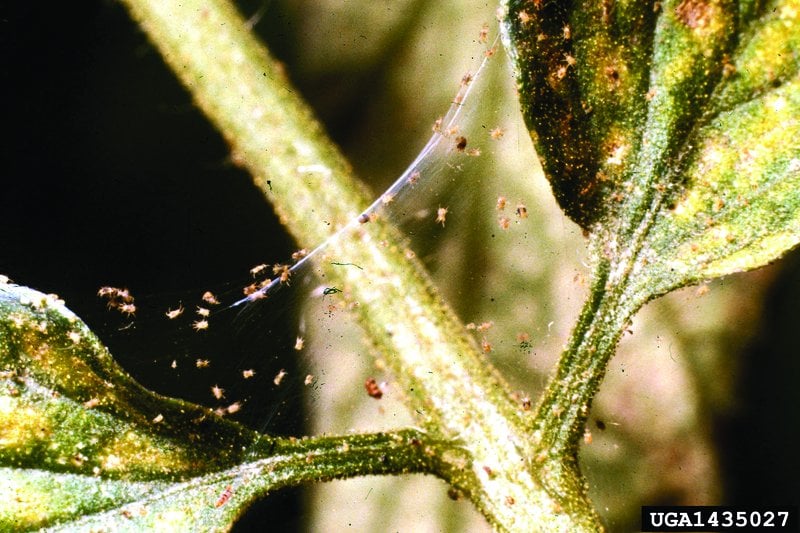
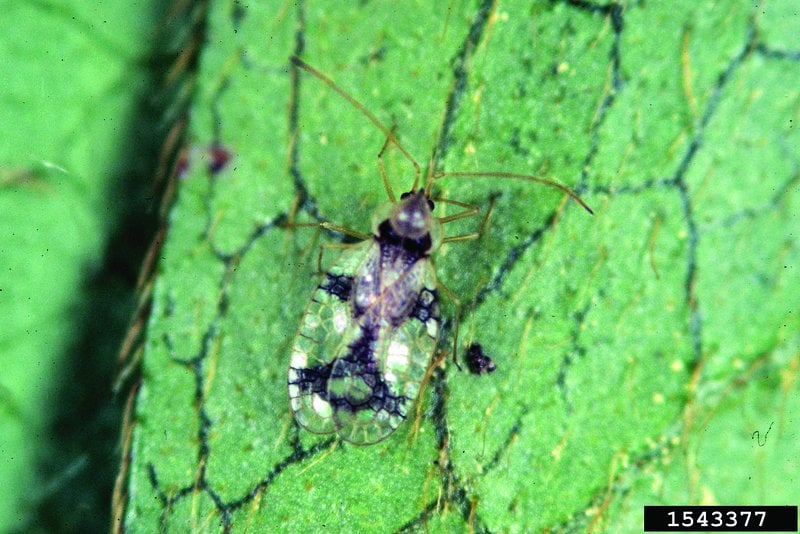
Clues: Chlorotic spots. Also look for frass, cast skins and webbing.
Examples

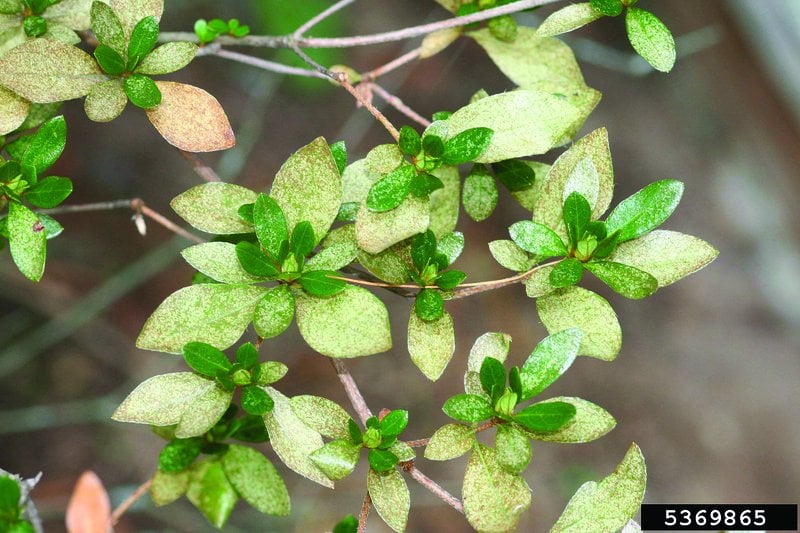

Possible Culprits: Lace Bugs, Need Magnification to be Observed

Possible Culprits: Mites, Need Magnification to be Observed


Pest Insects of Turfgrass
While visual evidence of insect damage to turfgrass is often seen above ground, damage can be caused by insects that live either above ground or below ground. Proceed to the tabbed section that best exemplifies observable damage.
Sampling
Several techniques are used to confirm the presence of insects in turgrass:
- Flotation sampling
- Soap flush sampling
- Soil sampling
Aboveground Pests
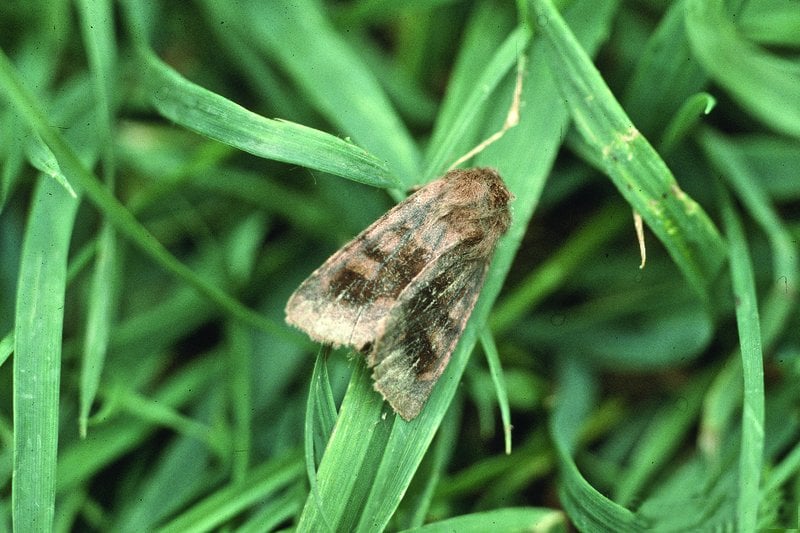
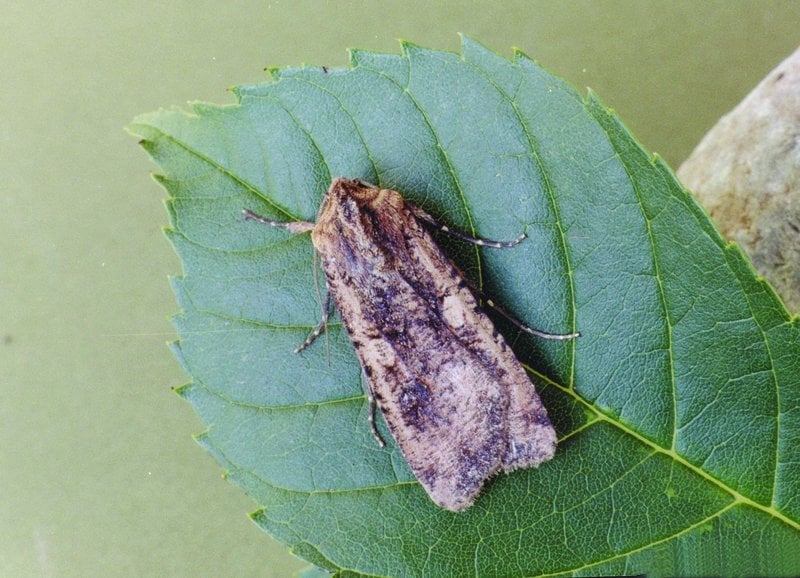
Chewed or shredded leaves, leaves with shot-holes, cut stems, abnormal yellowing or drying of leaves. Examples of damage and possible culprits are shown below. Also look for frass, webbing or spittle-like substance on leaves.
Examples of Damage


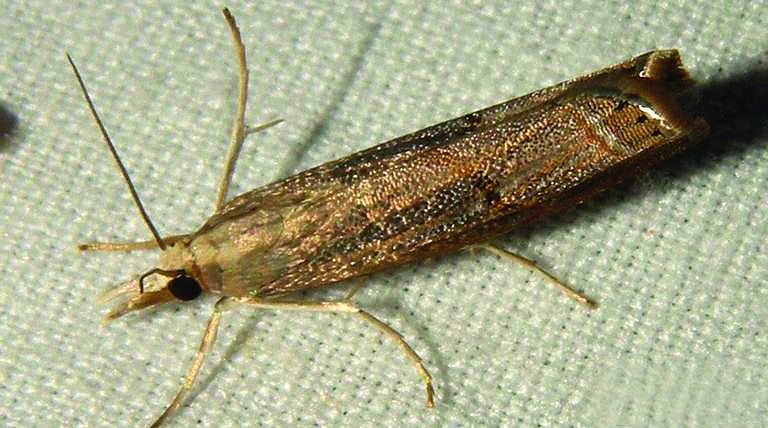
Chewing Pests, Between 1/8–1/2 in. Long

Chewing Pests, Greater Than 1/2 in. Long



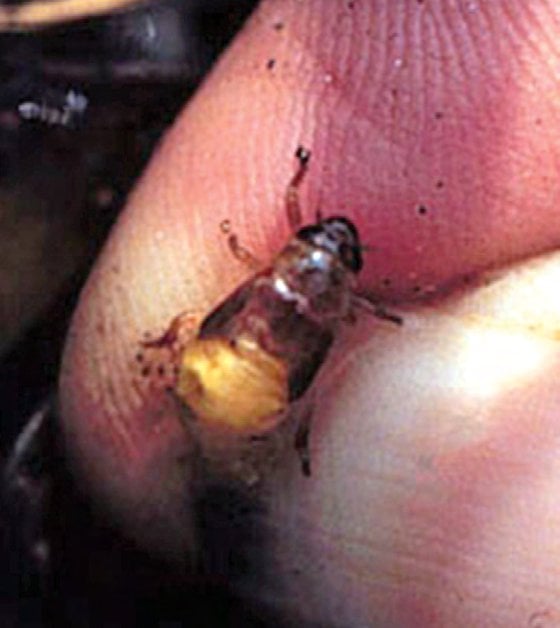
Sucking Pests, Need Magnification to be Observed

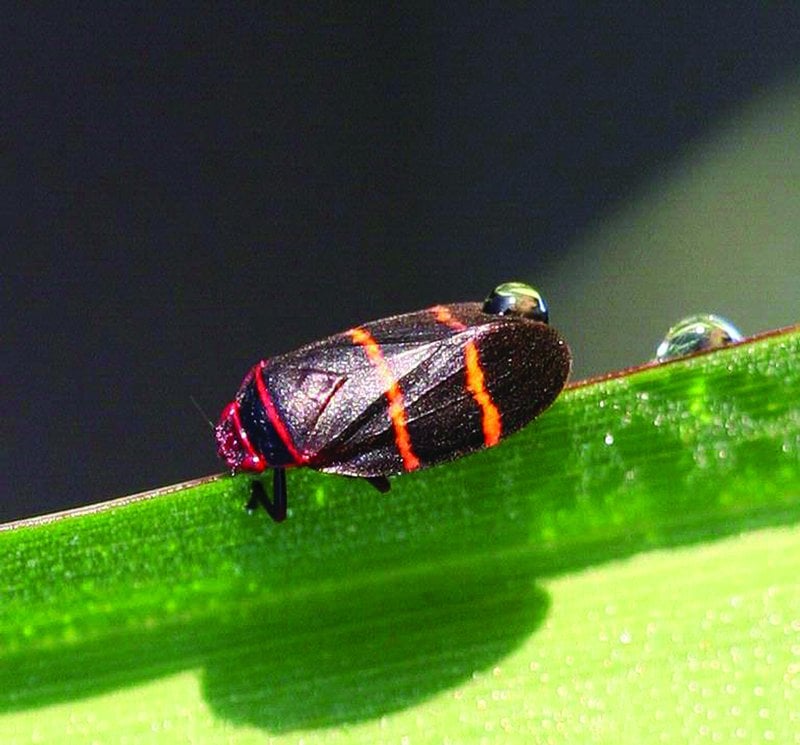
Sucking Pests, Between 1/8–1/2 in. Long

Belowground Pests
Example of Damage

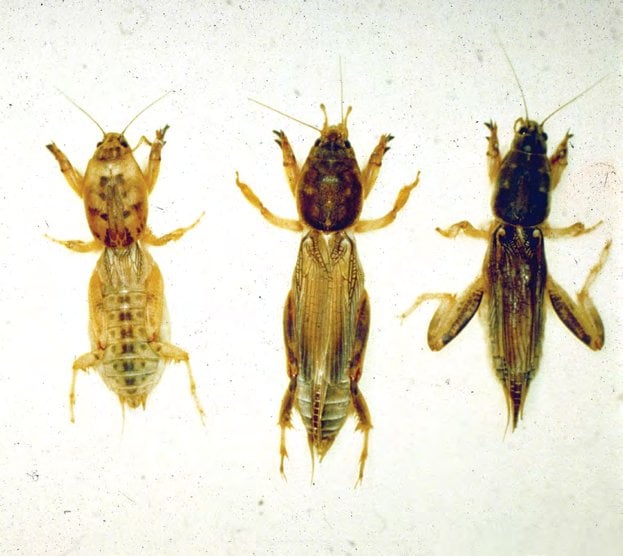
Possible Culprits, Between 1/8–1/2 in. Long


Possible Culprits, Greater Than 1/2 in. Long

Beneficial Insects in the Landscape
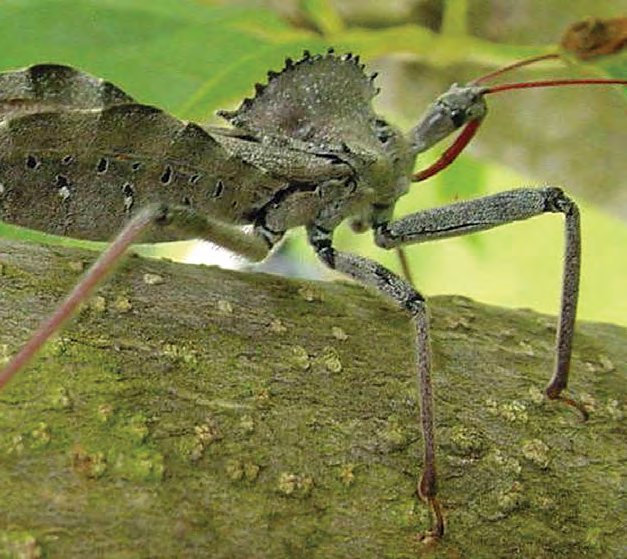
Beneficial insects include predators and parasitoids. They prey on pest insects or use them as hosts for the parasitoids’ young. Such insects are beneficial because they remove pests from the environment.
Predators
Predators prey on pest insects. Predators are generally larger, faster and stronger than their prey and often capture and eat many individuals during their life cycle.
Example

Predatory Beetles, Between 1/8–1/2 in. Long


Predatory Beetles, Greater Than 1/2 in. Long

Predatory Dragonflies, Greater Than 1/2 in. Long
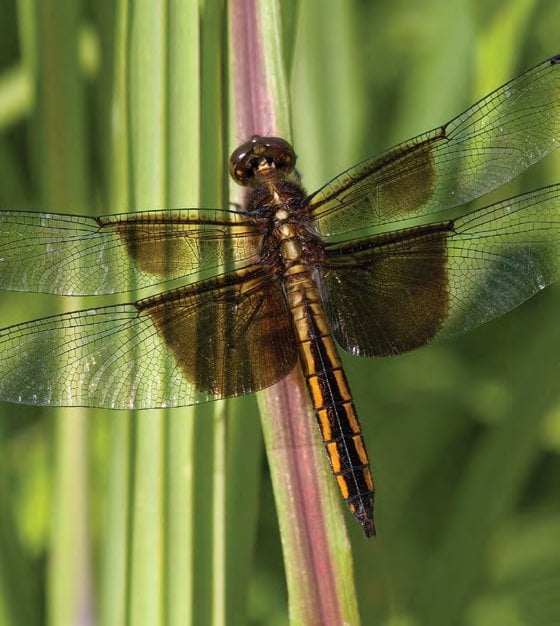

Predatory Damselflies, Greater Than 1/2 in. Long


Predatory Flies, Between 1/8–1/2 in. Long

Predatory Flies, Greater Than 1/2 in. Long


Predatory Lacewings, Need Magnification to be Observed

Predatory Lacewings, Between 1/8–1/2 in. Long

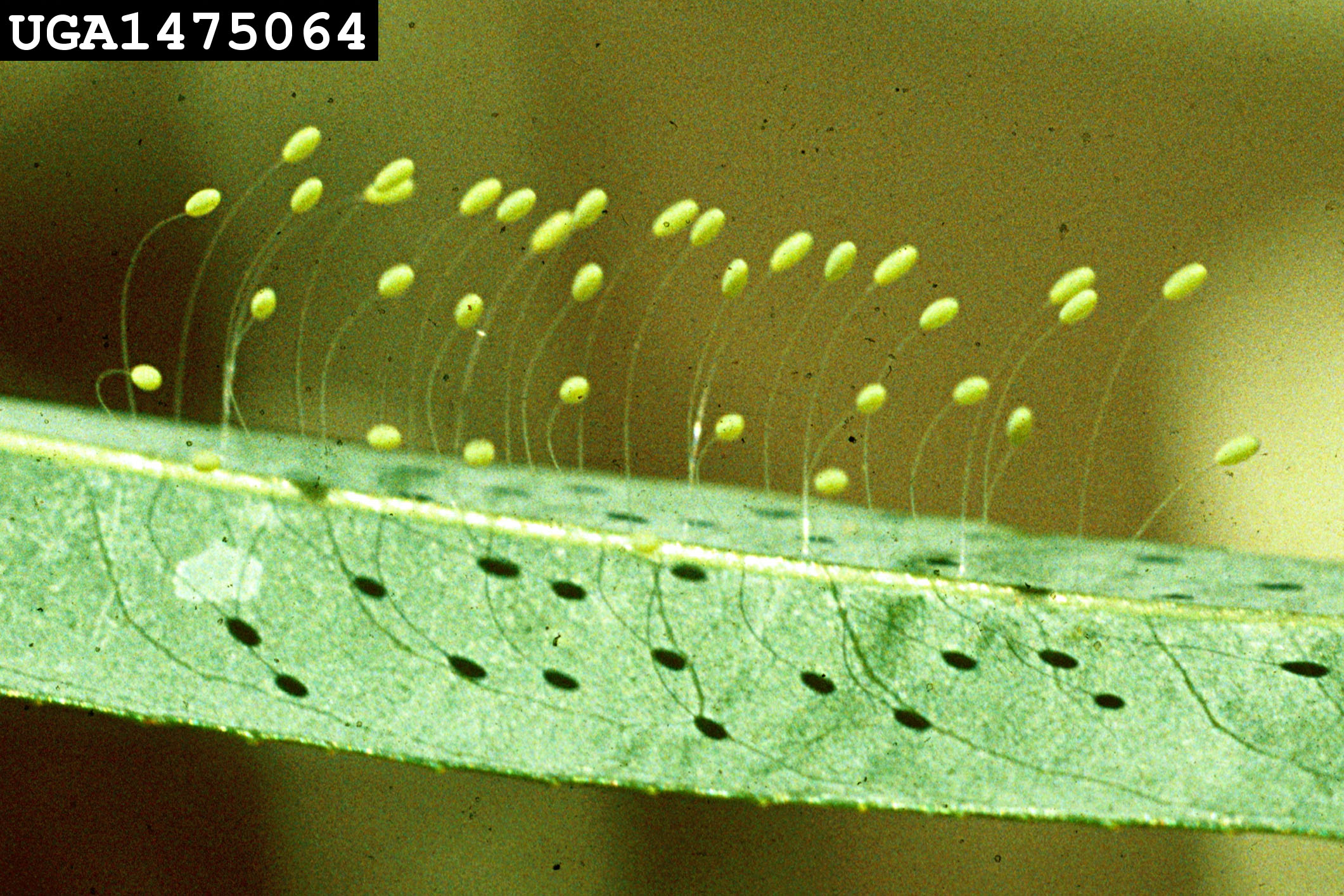

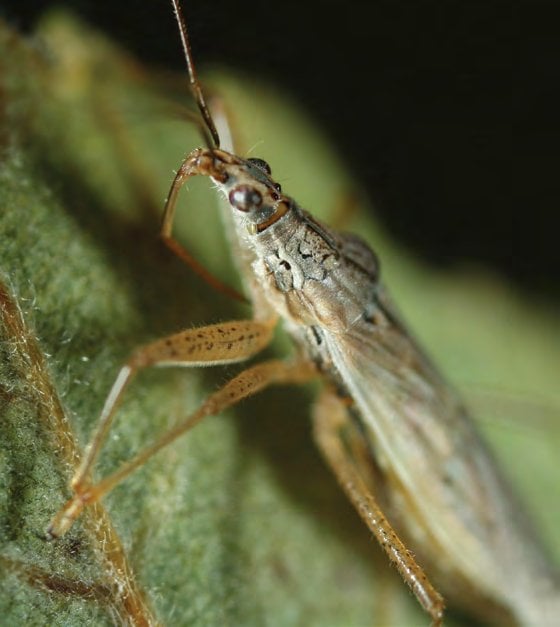
Predatory Lacewings, Greater Than 1/2 in. Long

Predatory Mantids, Greater Than 1/2 in. Long


Predatory Wasps, Greater Than 1/2 in. Long

Predatory Spiders & Mites, Need Magnification to be Observed


Predatory Spiders & Mites, Greater Than 1/2 in. Long


Predatory True Bugs, Need Magnification to be Observed

Predatory True Bugs, Between 1/8–1/2 in. Long


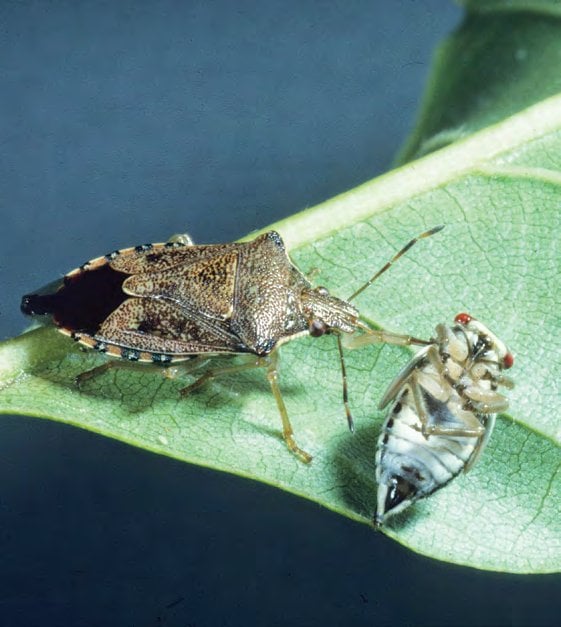
Predatory True Bugs, Greater Than 1/2 in. Long
Parasitoids
Parasitoids are insects that live and develop as parasites on other insects (hosts) and eventually kill them. Parasitoids usually complete their development on a single individual host.
Parasitoids at Work, Need Magnification to be Observed


Parasitoids at Work, Greater Than 1/2 in. Long


Parasitoid Flies & Wasps, Need Magnification to be Observed

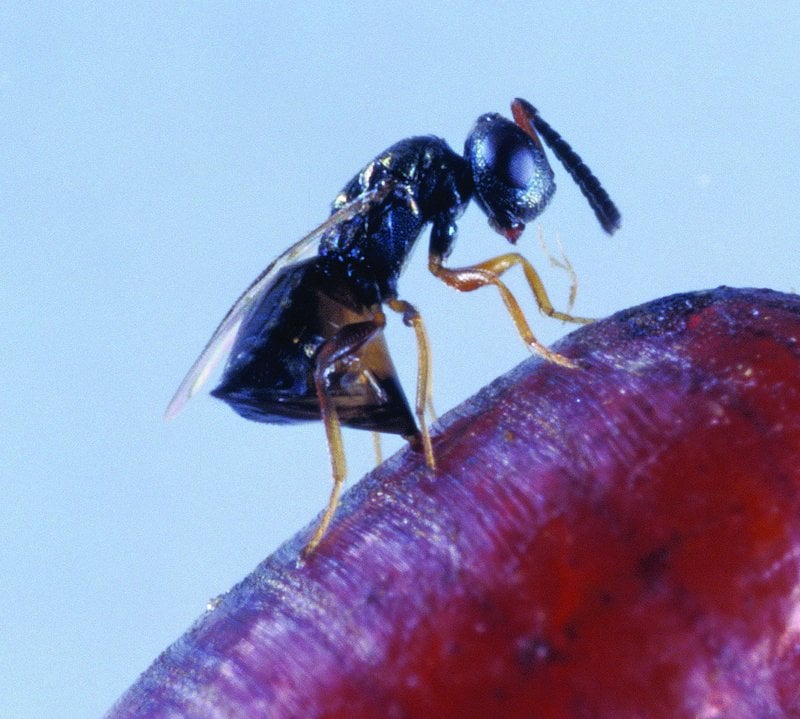
Parasitoid Flies & Wasps, Between 1/8–1/2 in. Long


Parasitoid Flies & Wasps, Greater Than 1/2 in. Long


Useful Terms
Bugs
“True bugs” are insects belonging to the suborder Heteroptera, under order Hemiptera. Sometimes “bugs” is misused as a generic term for insects.
Cast skins
Dried skins left by immature insects after they molt.
Chlorotic spots
Pale yellow, green or white spots on leaves caused when sucking pests draw out plant sap.
Frass
Insect fecal matter.
Larva(e)
Immature insects that do not resemble the adult(s).
Nymph(s)
Immature insects that resemble the adult.
Predator
Insects or other organisms that prey on other insects. Predators are generally larger, faster and stronger than their prey and often capture and eat many individuals during their life cycle.
Parasitoids
Insects that live and develop as parasites on other insects (hosts) and eventually kill them. Parasitoids usually complete their development on a single individual host.
Flotation sampling
Method to sample turf insects (e.g., chinch bugs), done by inserting one end of a hollow, cylindrical container into the turfgrass and filling it with water. Insects, if present, will float to the top and can be counted.
Soap flush sampling
Method to sample turf insects (e.g., sod webworms and other caterpillars), done by drenching a unit area of turfgrass (e.g., 2 ft x 2 ft) with soapy water (2 fl oz liquid dish detergent in 1 gallon water). Caterpillars, if present, get irritated by the soap and
crawl to the surface, and can be counted and identified.
Soil sampling
Method to sample soil-dwelling insects (e.g., white grubs and bill bug grubs), done by digging about 6 in. deep into a unit area of soil (e.g., 1 ft x 1 ft), at several points over the turfgrass. Grubs, if present, will be exposed and can be counted.
The original manuscript was prepared by authors: Shaku Nair, Kris Braman, and Ellen Bauske. Photographs obtained from Bugwood.org.
Published in cooperation with Alabama Extension, NC Cooperative Extension, and Mississippi State University Extension. This material is based upon work supported by the National Institute of Food and Agriculture, U.S. Department of Agriculture, under Award No. 2009-41530-05560. Any opinions, findings, conclusions, or recommendations expressed in this publication are those of the author(s) and do not necessarily reflect the view of the U.S. Department of Agriculture.