Plant Pests and Diseases Resources
-
 Renewed
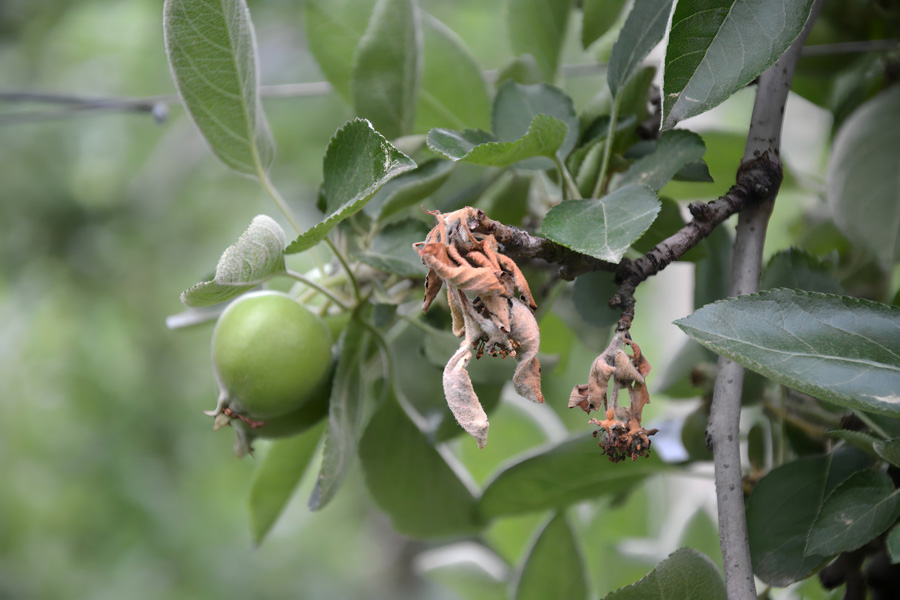
El tizón de fuego de las rosáceas es una enfermedad destructiva, altamente infecciosa y que ocurre en muchas partes del país y es causada por la bacteria Erwinia amylovora. El tizón de fuego es particularmente prevalente en algunos condados de Georgia. La enfermedad puede atacar los botones florales, las hojas, los meristemos apicales, ramas, frutos y las raíces.
|
-
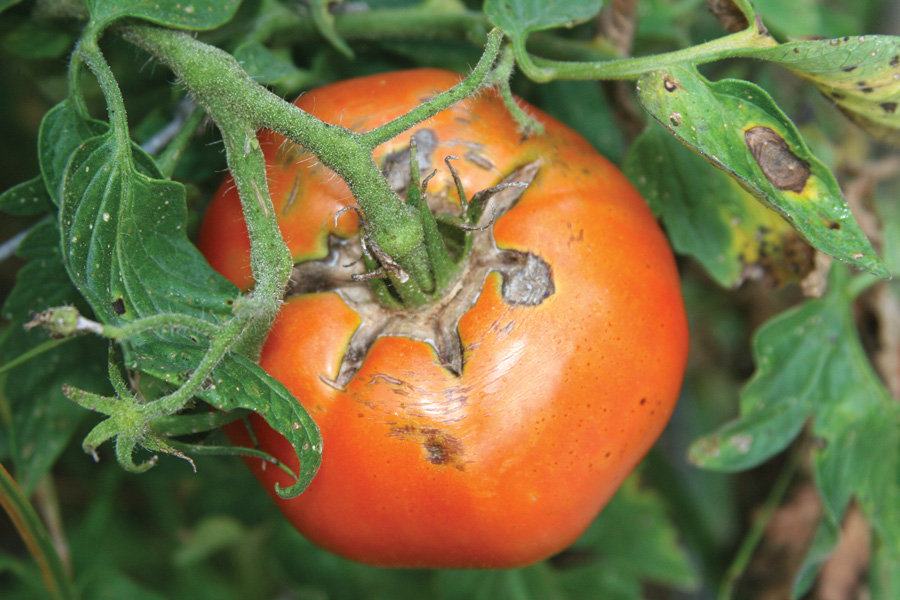
This publication is designed for small market growers, homeowners, and Master Gardeners in order to be a quick reference guide for diagnosing common problems in vegetables.
|
-

Agente causal, céspedes susceptibles,condiciones que promueven la enfermedad, síntomas y control de mancha parda, mancha dólar, quemazón por Pythium, mancha foliar por Helminthosporium, marchitamiento por Curvularia, mancha foliar gris, anillo de hada, enfermedad toma-todo o pudrición radicular por Gaeumannomyces, roya, hongos gelatinosos y nematodos.
|
-
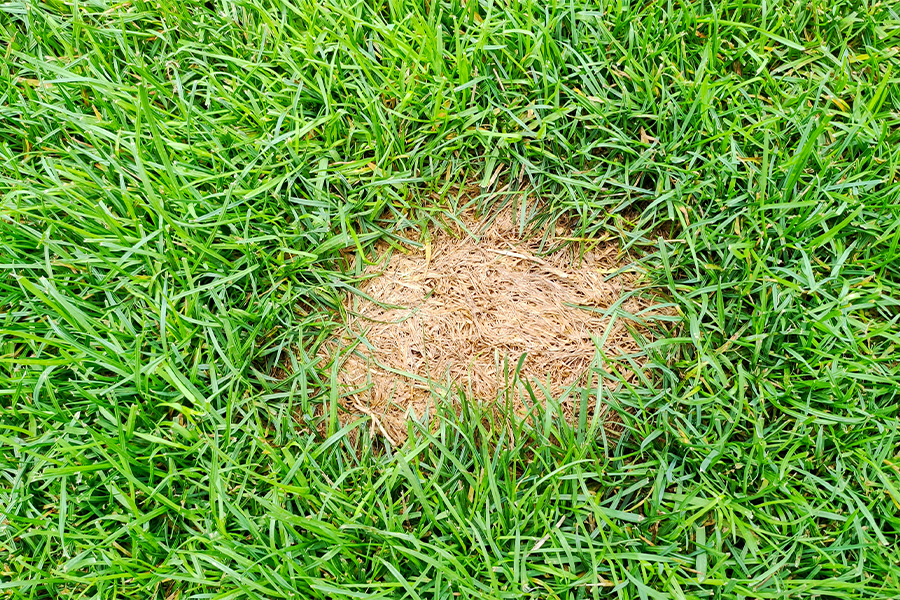
A handy reference for the causal agents, susceptible turfgrasses, conditions promoting disease, symptoms, and control of: brown patch, dollar spot, Pythium, Helminthosporium leaf spot, fading out, gray leaf spot, fairy ring, take-all root rot, rust, slime mold, and nematodes.
|
-
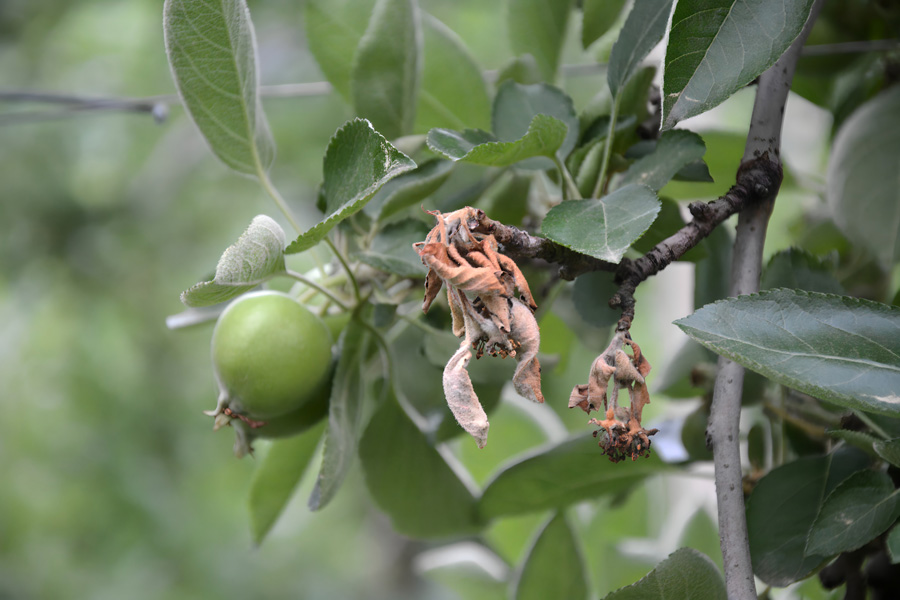
Fireblight is a destructive, highly infectious, and widespread disease. It attacks blossoms, leaves, shoots, branches, fruits, and roots. This publication has some facts and methods to avoid and control the disease.
|
-
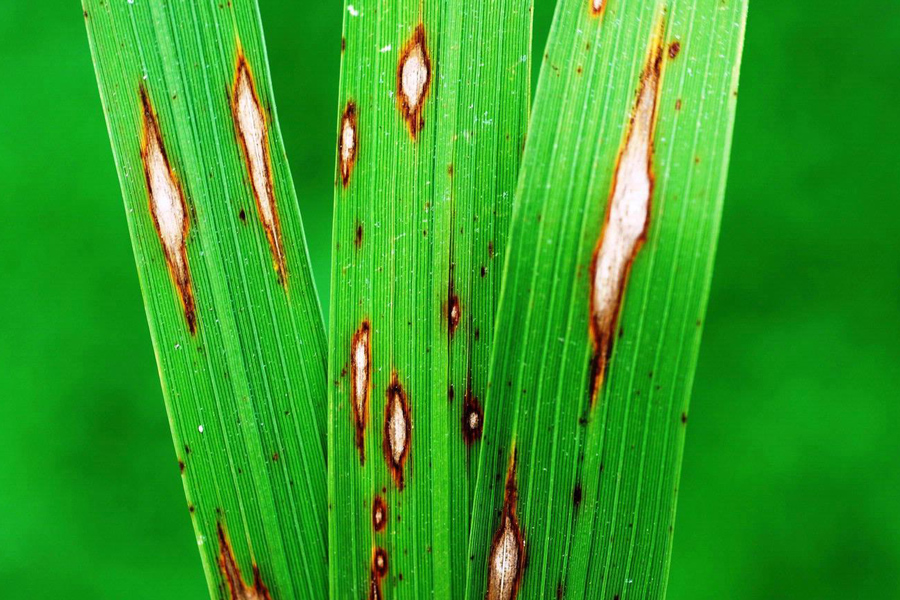
In the state of Georgia, gray leaf spot primarily affects St. Augustinegrass and is particularly chronic and damaging in the coastal area of the state. This publication contains important information on the biology of the causal agent, detailed descriptions and photos of the disease symptoms, information on conditions favoring the disease, as well as cultural, genetic, and chemical methods of control. The publication is intended for turfgrass professionals, consultants, county faculty, homeowners, and the general public.
|
-
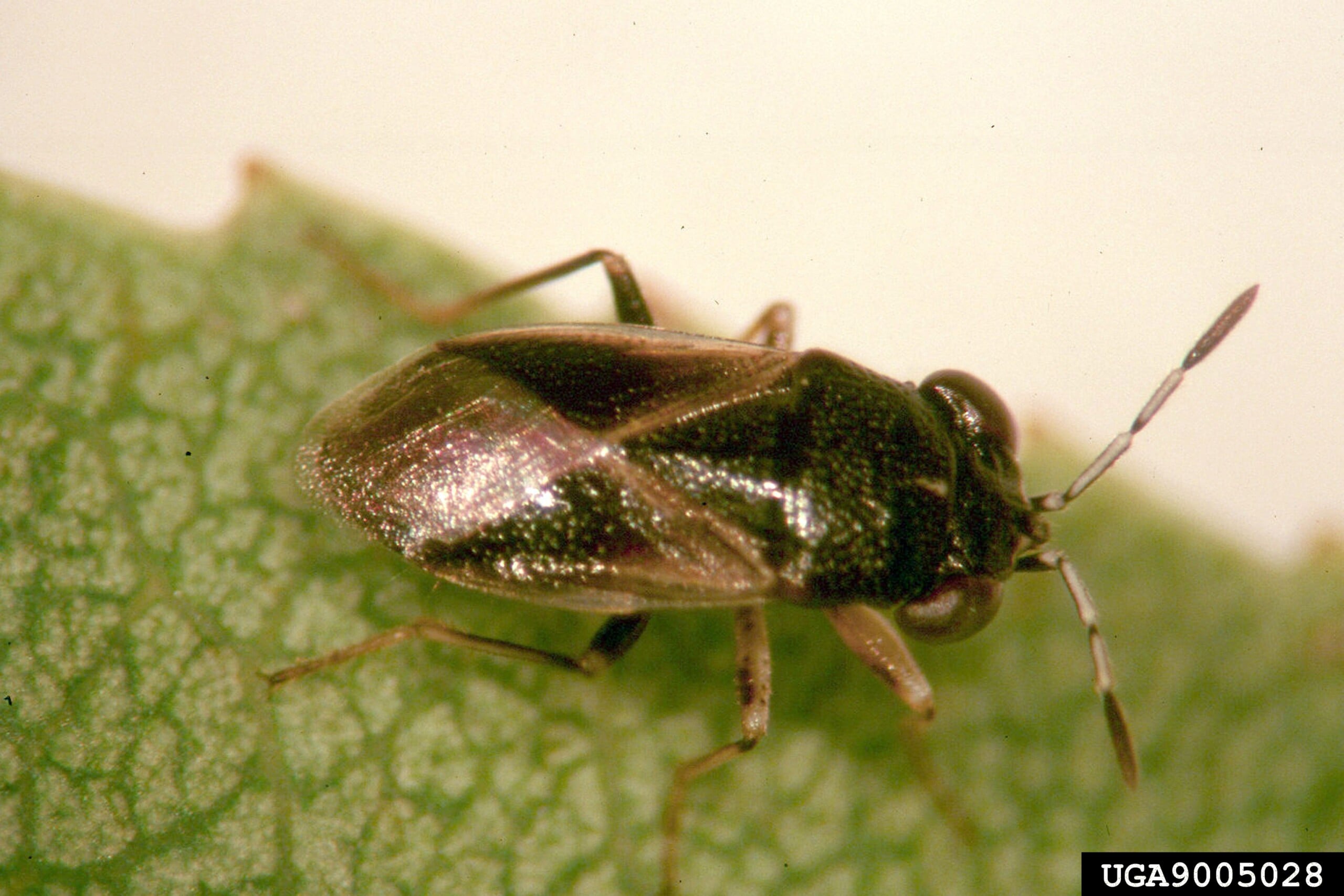
The southern chinch bug is a serious insect pest of turfgrass, especially St. Augustinegrass, in Georgia. Bermudagrass, centipedegrass, and zoysiagrass are also attacked by southern chinch bug. Affected turfgrass can form yellow to brown patches that are sometimes mistaken as indicators of disease or drought stress. Populations of southern chinch bug can build up at the edges of these patches at over 100 individuals per square foot, which can kill the affected grass. The development of southern chinch bug in the grass can easily go unnoticed because of their small size and dark-gray color, which blends in with thatch. This resource summarizes the biology, lifecycle and management options available for southern chinch bug in Georgia.
|
-
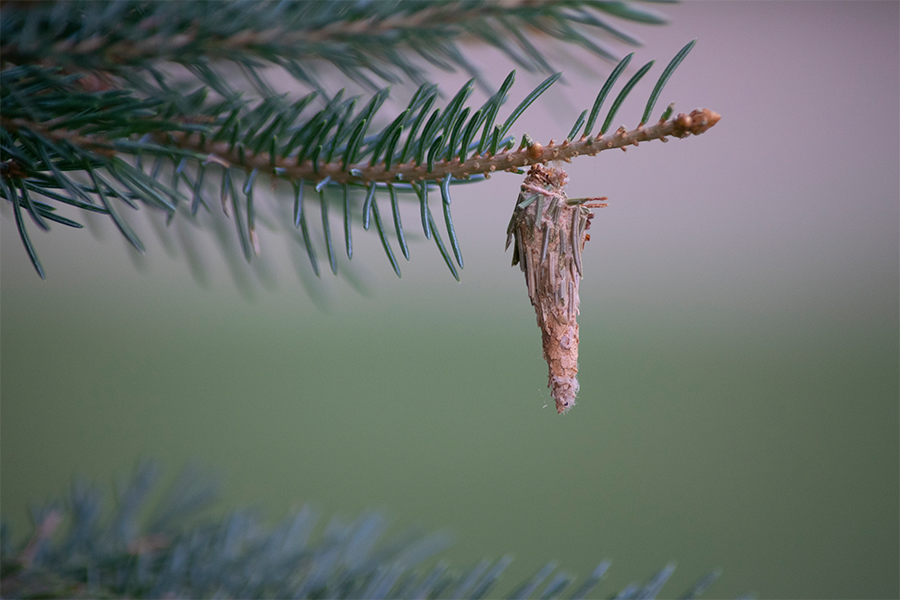
C 1237
Bagworms in Urban Landscapes
An introduction to bagworms, along with their biology, how they damage landscapes, and management options.
|
-
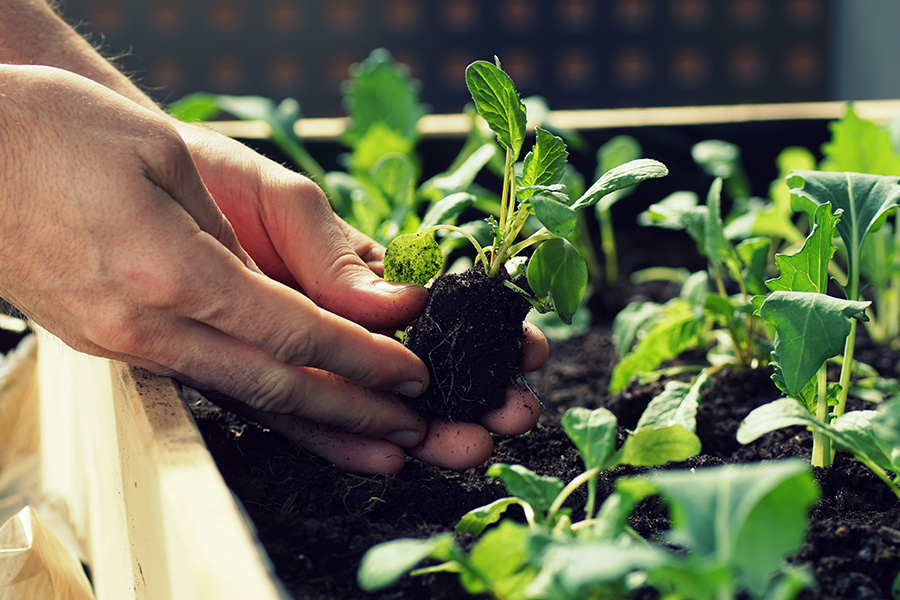
Plant diseases can be a significant problem in home gardens. Most vegetables are susceptible to a number of diseases. Home gardeners can reduce the occurrence of many diseases with sound cultural practices. This publication discusses managing diseases in the home vegetable garden.
|