-
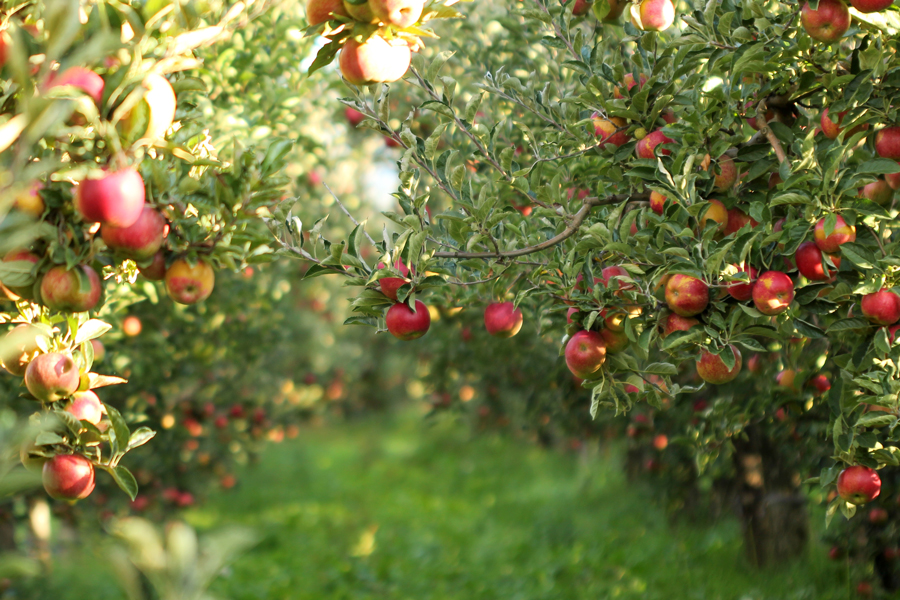 This circular is a compilation of pruning techniques for apple, pear, peach, blackberry, blueberry, grapes, and pomegranate. Included are tools for pruning, definitions and descriptions of terms used in pruning, and diagrams illustrating best pruning practices. This work has important and relevant information about pruning and plant care for the…
|
-
C 989
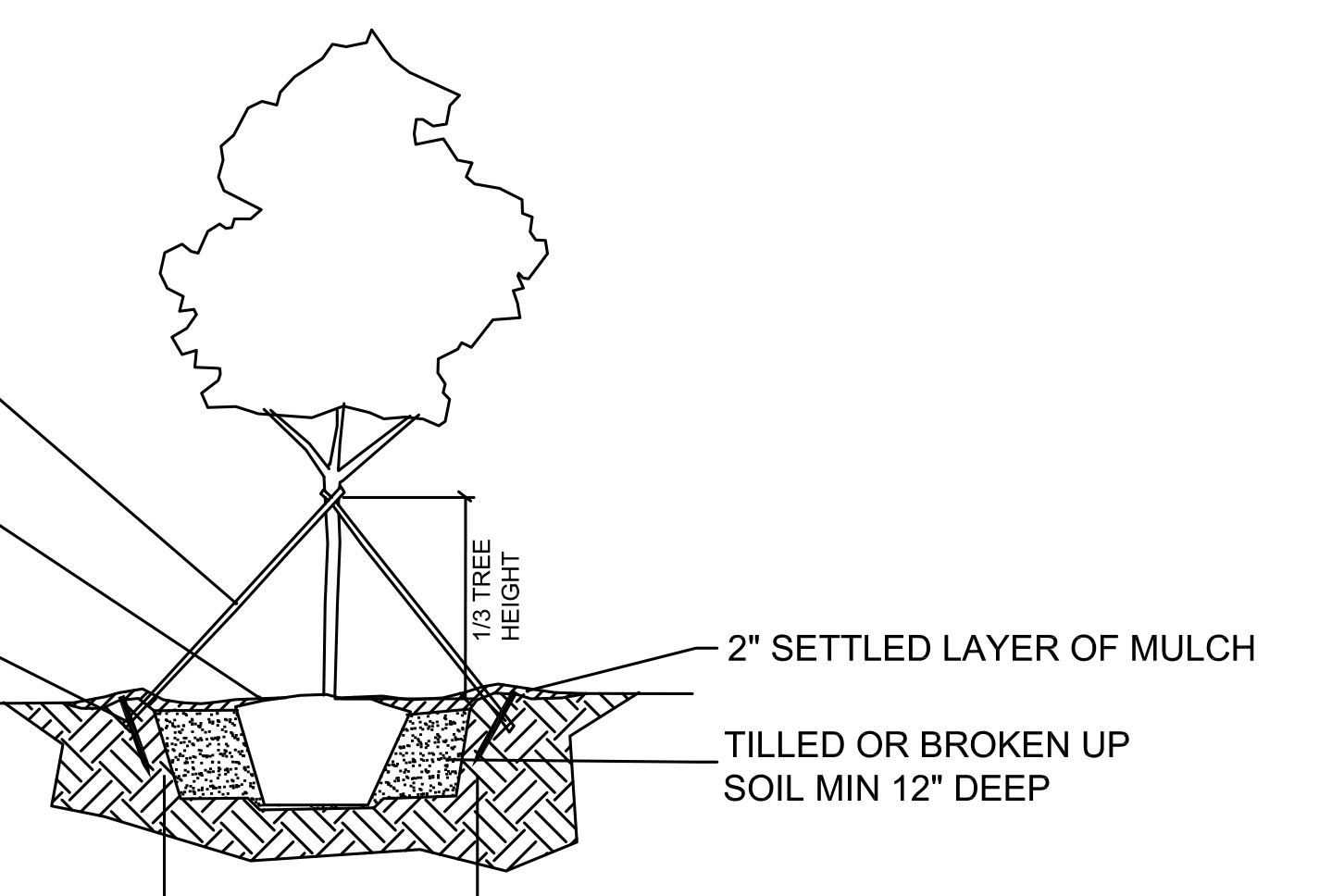
Tree Planting Details
This publication contains information about planting trees and shrubs, and includes AutoCAD files, .jpg images and .pdf files with instructions and images.
|
-

Cold damage to ornamental plants can be a problem during the winter in the Georgia landscape. Regardless of where you live, recommended practices can maximize the chances that your prized landscape plants will survive the winter.
|
-
 Excessive fertilization does not equate to greater crop yields. Crop yields are optimized when nutrients are efficiently used, which requires fertilizer applications to be based on the right source, the right time, the right rate, and the right placement. These are referred as the four Rs of fertilizer management, whose…
|
-
B 989
So Easy To Preserve
Considered the authority on preserving food at home, So Easy to Preserve covers preserving, canning, pickled products, sweet spreads and syrups, freezing, and drying food at home. The latest edition has 10 new products and two revised product recommendations, and the book is suitable for both new and veteran food…|
-

C 1041-5
Tap into Community Resources
Community resources can make a big difference in your ability to make it through hard times. Learn about support networks and resources that may be available to help in your community.
|
-
 Many third-party audits, buyers, and standard operating procedures for produce packinghouses or other food facilities require regular adenosine triphosphate (ATP) or protein swabs to verify the effectiveness of the cleaning and sanitation protocols. This video demonstrates how to collect ATP and protein swabs, how to interpret swab results, and provides…
|
-
 Grazon® P+D (picloram + 2,4-D) injury, diagnosed as leaf roll, is occasionally observed in Georgia peanut fields due to the presence of contaminated soil, forage, animal waste (manure/urine), and/or irrigation water. Since peanut plants are very tolerant of low levels of 2,4-D, the primary cause of these leaf roll symptoms…
|