-
 The walnut caterpillar is native to North America and is mostly distributed in the eastern part of the United States. The larvae feed on the leaves of the plants such as pecan, walnut, butternut, and other species of hickory. Although it is an occasional insect pest, it feeds voraciously. This…
|
-

When processing acidified foods, the hot-fill-hold process involves heating the product to around 180–200 °F, then filling, inverting, and holding for 2–5 minutes to achieve commercial sterility. Higher temperatures will generally correlate with shorter hold times, and lower temperatures will generally correlate with longer hold times.
|
-
 Using Hot-Fill-Hold: A Thermal Preservation Process. Processors of acidified foods are required to comply with federal, state, and local regulations (when applicable) for thermal processing to ensure the safety and shelf-stability of their products. The hot-fill-hold (HFH) process is a thermal processing technique used to inactivate pathogens and extend the…
|
-

An acidified food is a low-acid food to which acids (such as vinegar, lemon juice, citric acid, etc.) or acid foods (such as fruits or tomatoes) have been added to bring the equilibrium pH of the food to 4.6 or less, with equilibrium water activity greater than 0.85.
|
-
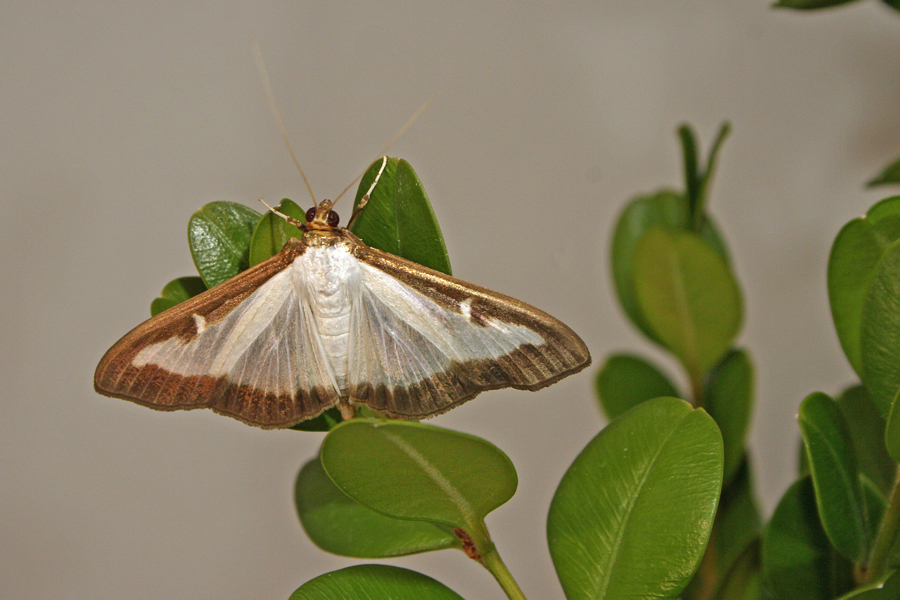 Box tree moth is an invasive pest of boxwood plants. It was introduced into New York in 2021 and has been reported in six other states. It has not been reported in Georgia yet. Boxwoods are an important ornamental evergreen shrub in the southeastern U.S., widely planted in residential, commercial,…
|
-
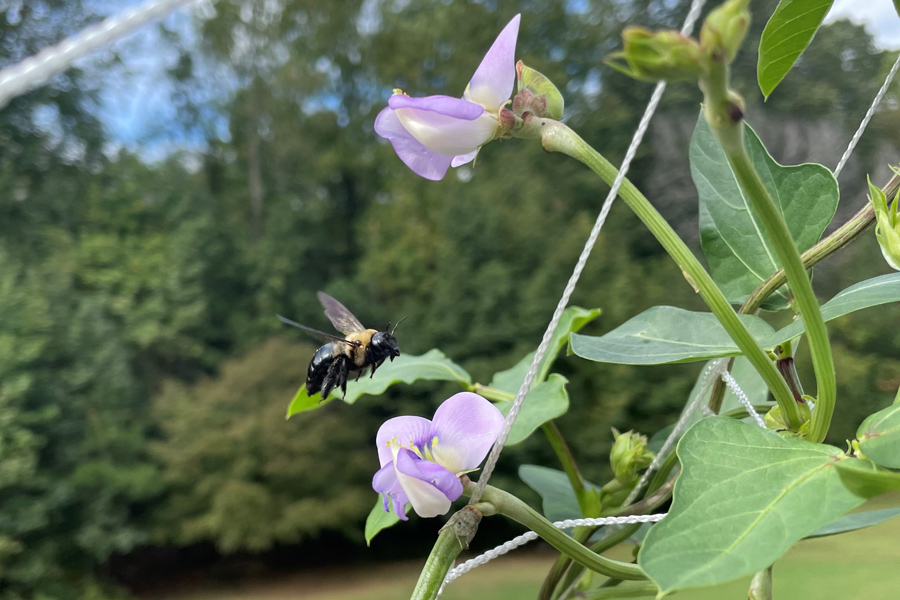 Carpenter bees can be a serious pest on outdoor structures made of wood, such as patios, decks, siding of homes, sheds, furniture, etc. The large carpenter bee is the most common species found in Georgia. While these bees are pollinators, mated females bore tunnels into wooden structures to raise their…
|
-
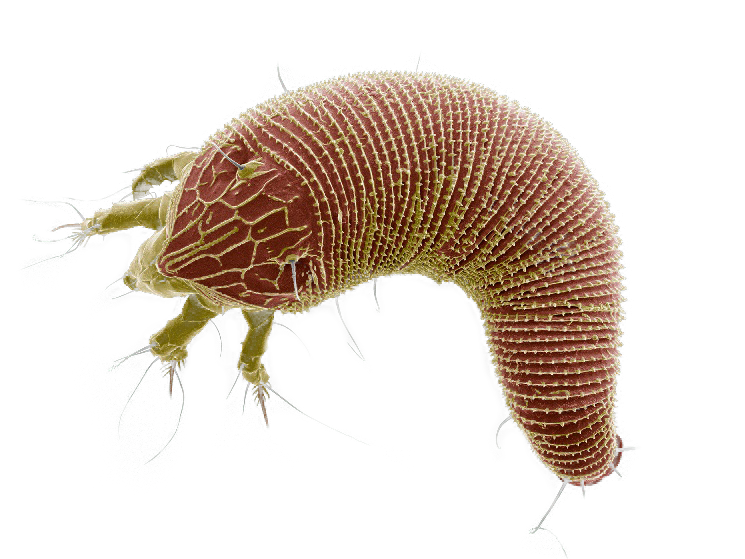 Rose rosette virus can cause major problems for nurseries, landscapers, and gardeners alike. The virus causes the plants to become undesirable and will eventually result in the death of the plant, which affects all segments of the rose industry as well as rosarians and home gardeners. The symptoms of disease…
|
-
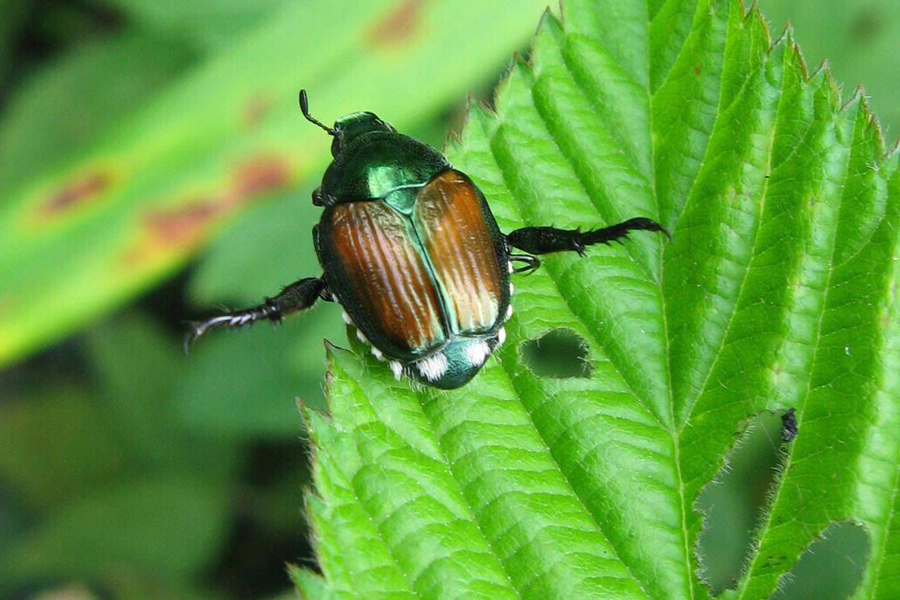 The Japanese beetle, as the name suggests, is native to Japan and was introduced to the U.S. through the transport of plant material. It is a highly devastating pest, attacking a variety of landscape and garden plants, fruit trees, field crops and turf. This circular provides an overview of Japanese…
|