-
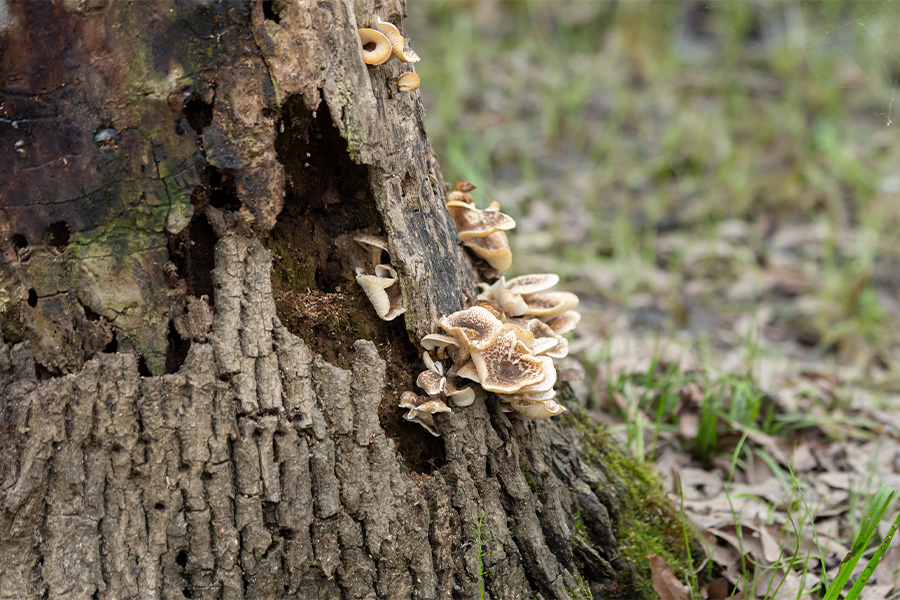
C 1100
Is My Tree Dying?
This publication outlines a tree inspection process that will help the homeowner identity potential problems and more effectively discuss the tree’s condition with an Extension agent or certified arborist. The inspection begins at the base of the tree and moves to the canopy, highlighting potential tree health problems.
|
-
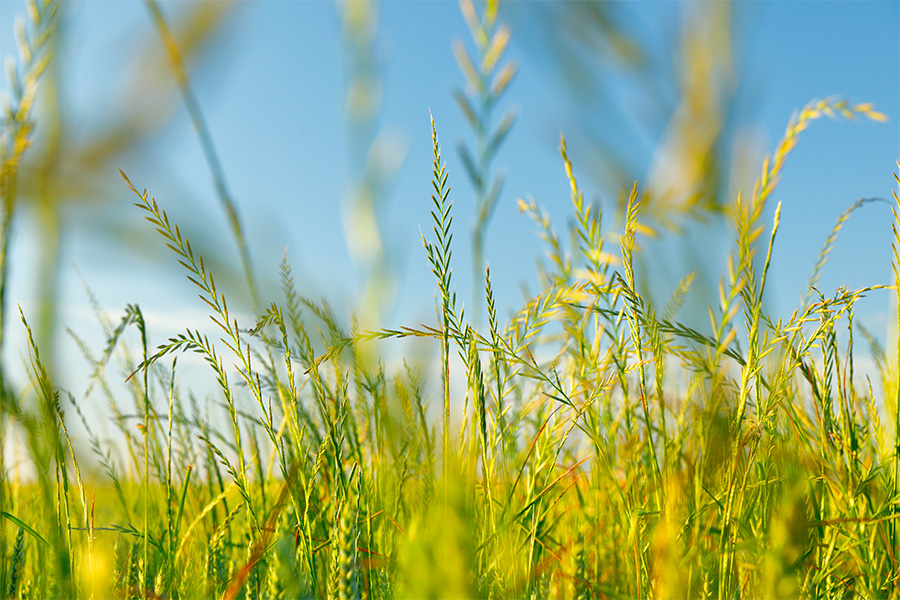 Annual ryegrass, also referred to as Italian ryegrass, is the most problematic winter annual weed in Georgia hayfields. Seed germinates from September to November. Seedlings mature in the fall, overwinter in a vegetative state, and resume active growth in the spring. Annual ryegrass is a prolific seed producer that contributes…
|
-
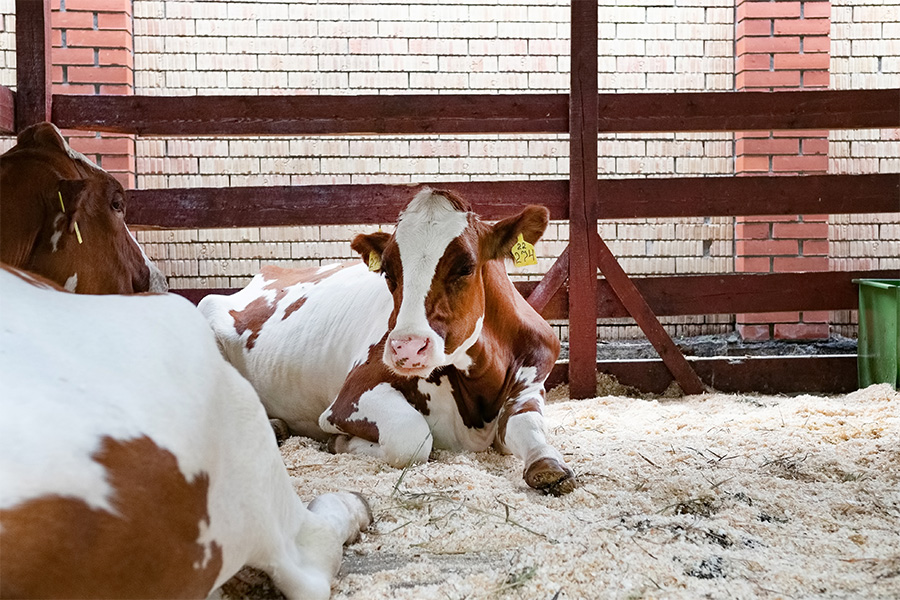 Cow behavior is critical for animal well-being and performance and influenced by many factors, such as heat stress. Under thermo-neutral conditions, cows spend half a day lying down and the rest of the time is distributed into standing, feeding and milking. However, when cows are exposed to heat stress, they…
|
-

Summer management of the school garden can be a challenge for educators and school gardeners. This resource presents several possible strategies for handling the garden so that teachers and administrations come back to school in the fall with a garden ready for use.
|
-
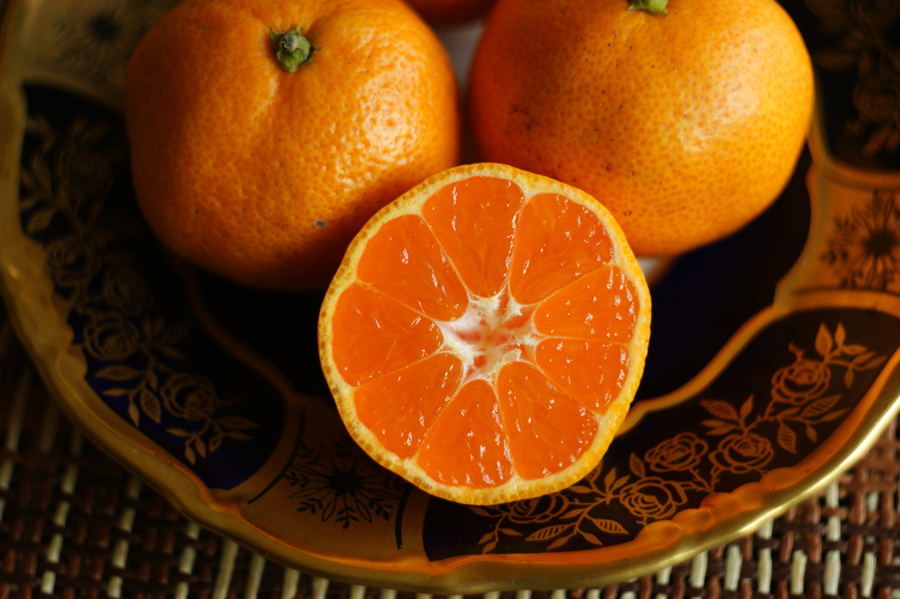 Satsuma oranges are a fast-growing commodity in Georgia. Satsumas are natural and excellent sources of sugars, organic acids, soluble fibers, vitamins, minerals, phytochemicals, and essential oils. This resource describes the nutrients found in satsuma oranges and opportunities to develop high-value food ingredients from satsuma oranges. This information may help the…
|
-

Compared to other grains, grain sorghum has unique characteristics that must be understood before successfully harvesting, drying and storing it. With some modifications, you can use existing equipment for both sorghum and other grains. This publication describes methods for harvesting, drying and storing grain sorghum.
|
-
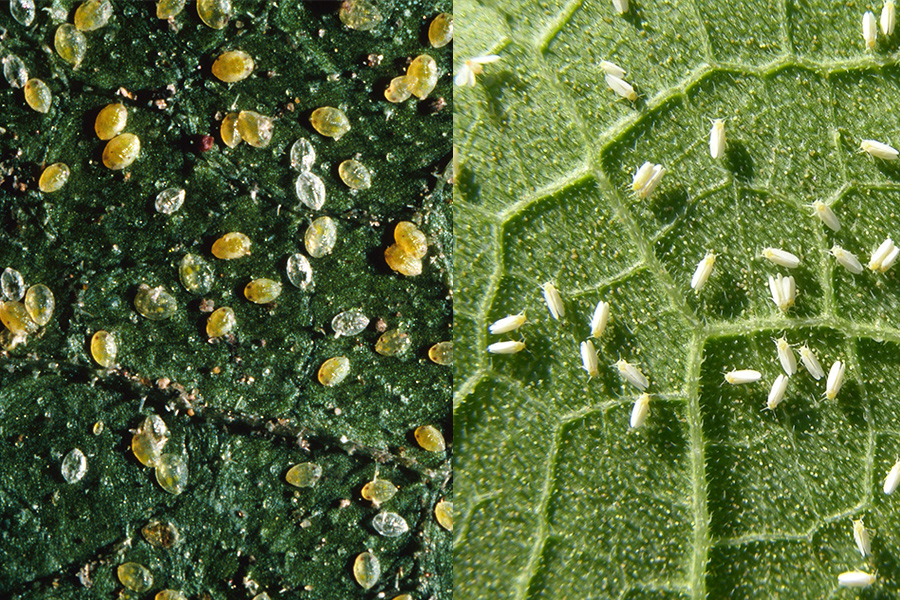 The silverleaf whitefly (also known as sweet potato whitefly) is a pest of a wide variety of horticultural and agronomic crops in southern Georgia. Their direct feeding can damage plants and lead to additional problems with the accumulation of honeydew and sooty mold, and these insects also inject salivary fluids…
|
-

Infectious Bovine Rhinotracheitis (IBR), commonly referred to as “Rednose,” is a disease resulting from bovine herpesvirus type 1 (BHV-1). The detriment of the disease, as well as the positive benefits vaccination can have on a reproductive program, needs to be on the forefront of a producer’s herd health program.
|