-
 The silverleaf whitefly (also known as sweet potato whitefly) is a pest of a wide variety of horticultural and agronomic crops in southern Georgia. Their direct feeding can damage plants and lead to additional problems with the accumulation of honeydew and sooty mold, and these insects also inject salivary fluids…
|
-

Infectious Bovine Rhinotracheitis (IBR), commonly referred to as “Rednose,” is a disease resulting from bovine herpesvirus type 1 (BHV-1). The detriment of the disease, as well as the positive benefits vaccination can have on a reproductive program, needs to be on the forefront of a producer’s herd health program.
|
-

C 774
Fences for the Farm
Fences may be used to protect or divide property, to improve its appearance, to confine animals, or to exclude animals. This publication covers the planning for, type of, materials for, and maintenance of permanent and temporary fences.
|
-
 Wildflowers not only beautify the landscape but also provide food and shelter for myriad insects, birds, and mammals. Georgia is rich in endemic (belonging in a particular area or environment) species which grow in a wide variety of habitats, from coastal dunes and pine sandhills to savannas, meadows, and forests.…
|
-

This publication contains information about common tomato diseases in Georgia. It includes photographs and descriptions of diseases such as buckeye rot and fusarium wilt.
|
-
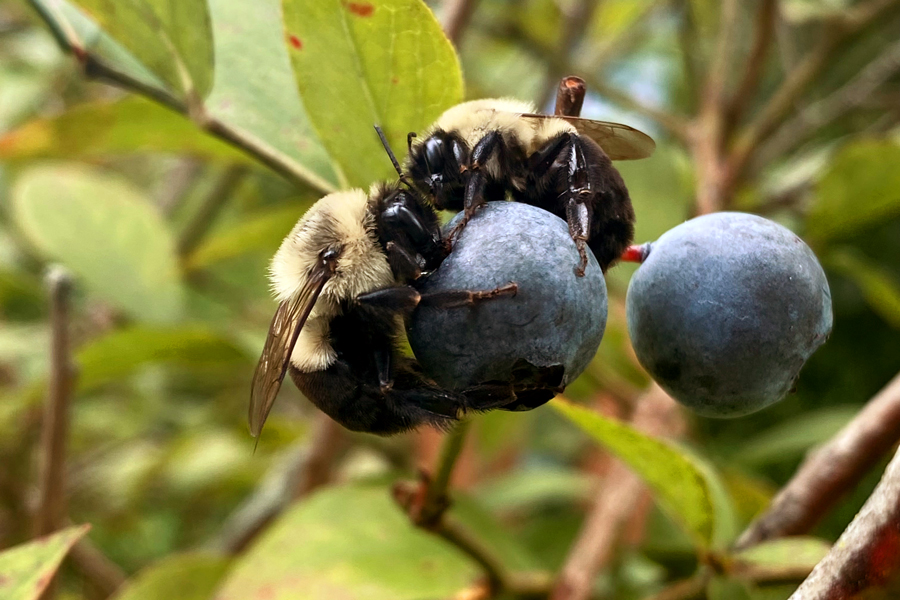
This visual guide helps people identify common wild bees encountered in blueberry systems. The contribution of wild bees to blueberry pollination has is becoming widely recognized. Proper identification of these insects in the field is critical part of conservation efforts.
|
-
 With the passing of the Clean Water Act and subsequent creation of the U.S. Environmental Protection Agency (EPA) in the early 1970s, industrial, institutional, and commercial entities have been required to continually improve the quality of their process wastewater effluent discharges. The determination of wastewater quality set forth in environmental…
|
-
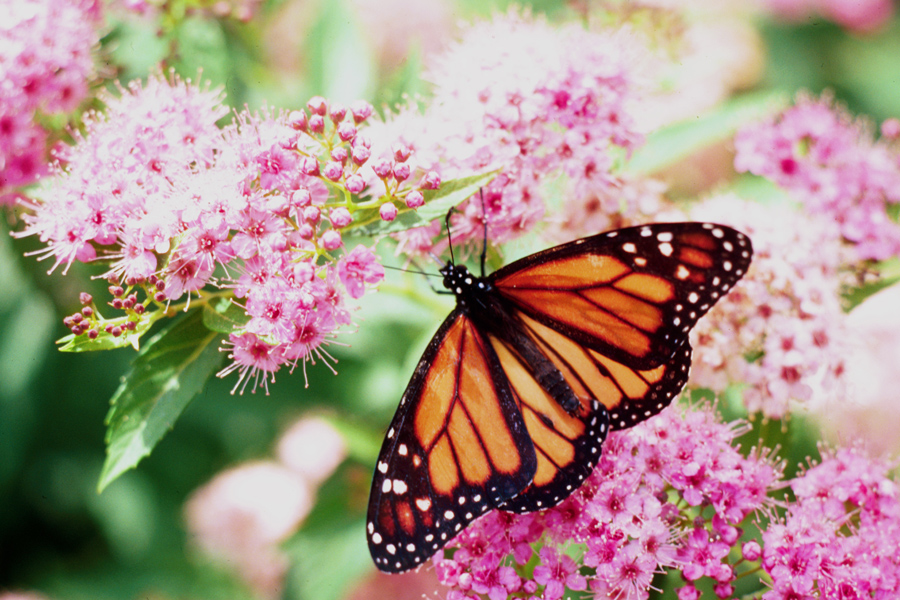 Monarch butterflies travel on air currents and cross more than 3000 miles in the winter to reach their overwintering sites in Mexico. The loss of this habitat, combined with diseases, pesticide use, and loss of larval hosts (i.e., milkweed), are causing a decline in Monarch populations. The larvae need milkweed…
|