-

C 1081
New Native Little Bluestems
Little Bluestem is a drought-tolerant, low-maintenance native plant. This ornamental warm-season perennial grass tolerates a wide range of soil conditions and is easily grown. Its purplish bronze blooms and vertical clusters of slender leaves make it a lovely addition to any landscape. It is cold hardy in Georgia, although it…|
-
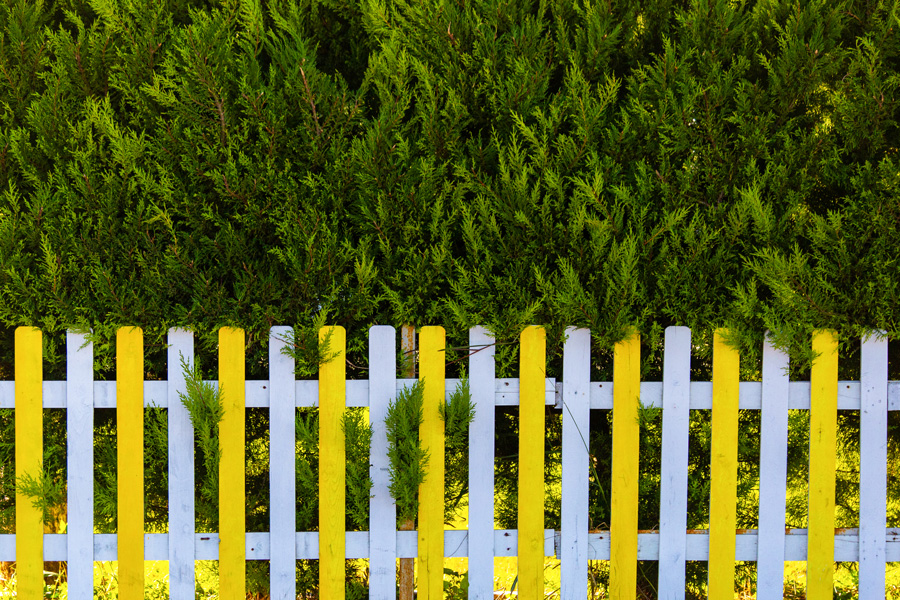 Leyland cypress has become one of the most widely used plants in commercial and residential landscapes across Georgia as a formal hedge, screen, buffer strip or wind barrier. Leyland cypress is a graceful, rapidly growing evergreen tree that is adapted for growth within the 6-10a USDA hardiness zones. Leyland cypress…
|
-
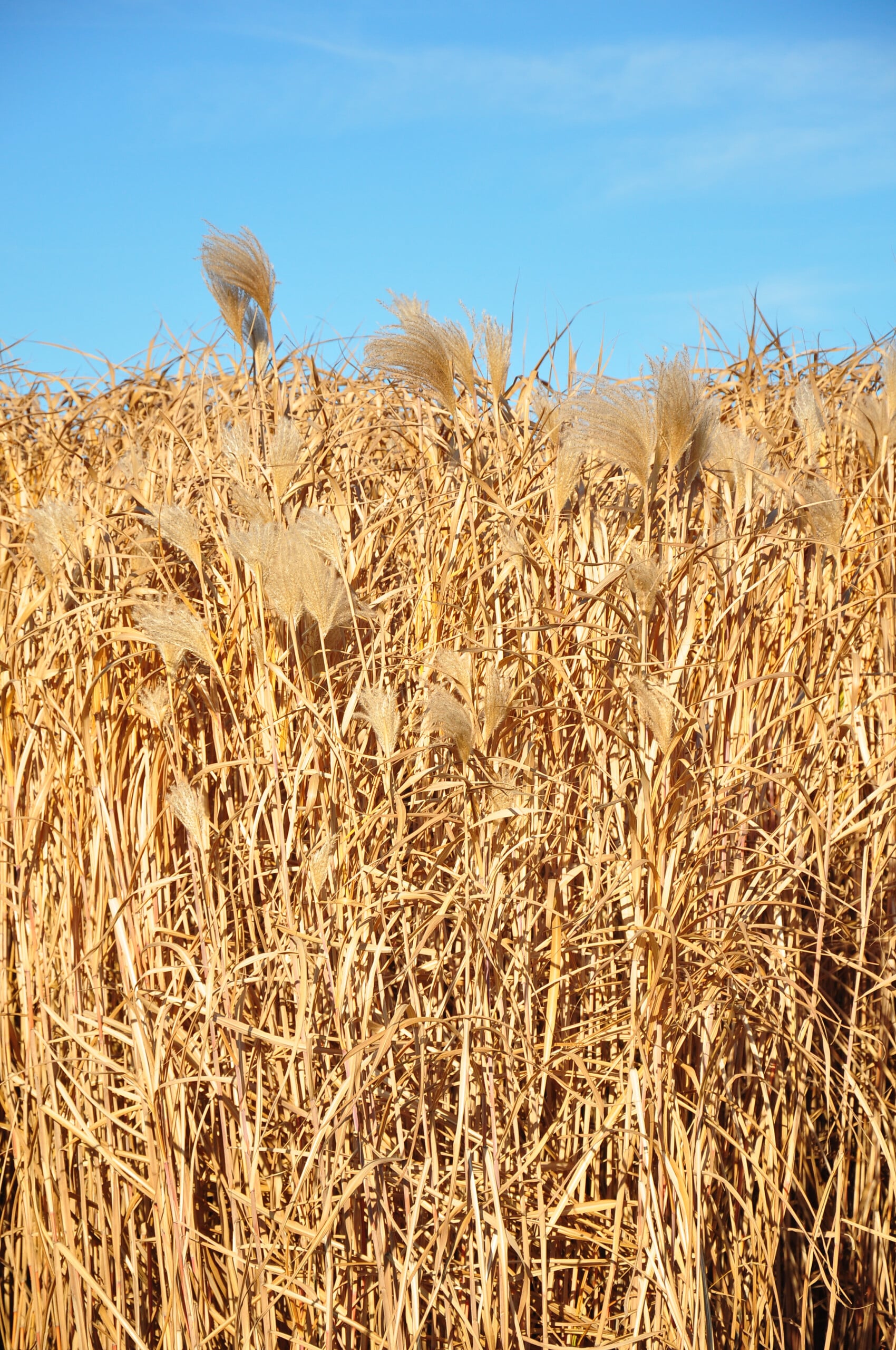 Pine shavings are the most popular bedding material used in poultry houses. Due in part to the expansion of the poultry industry, pine shavings are in short supply, and alternative bedding materials are being tested. Giant miscanthus grass (GMG) is one such material. GMG is a perennial grass that is…
|
-
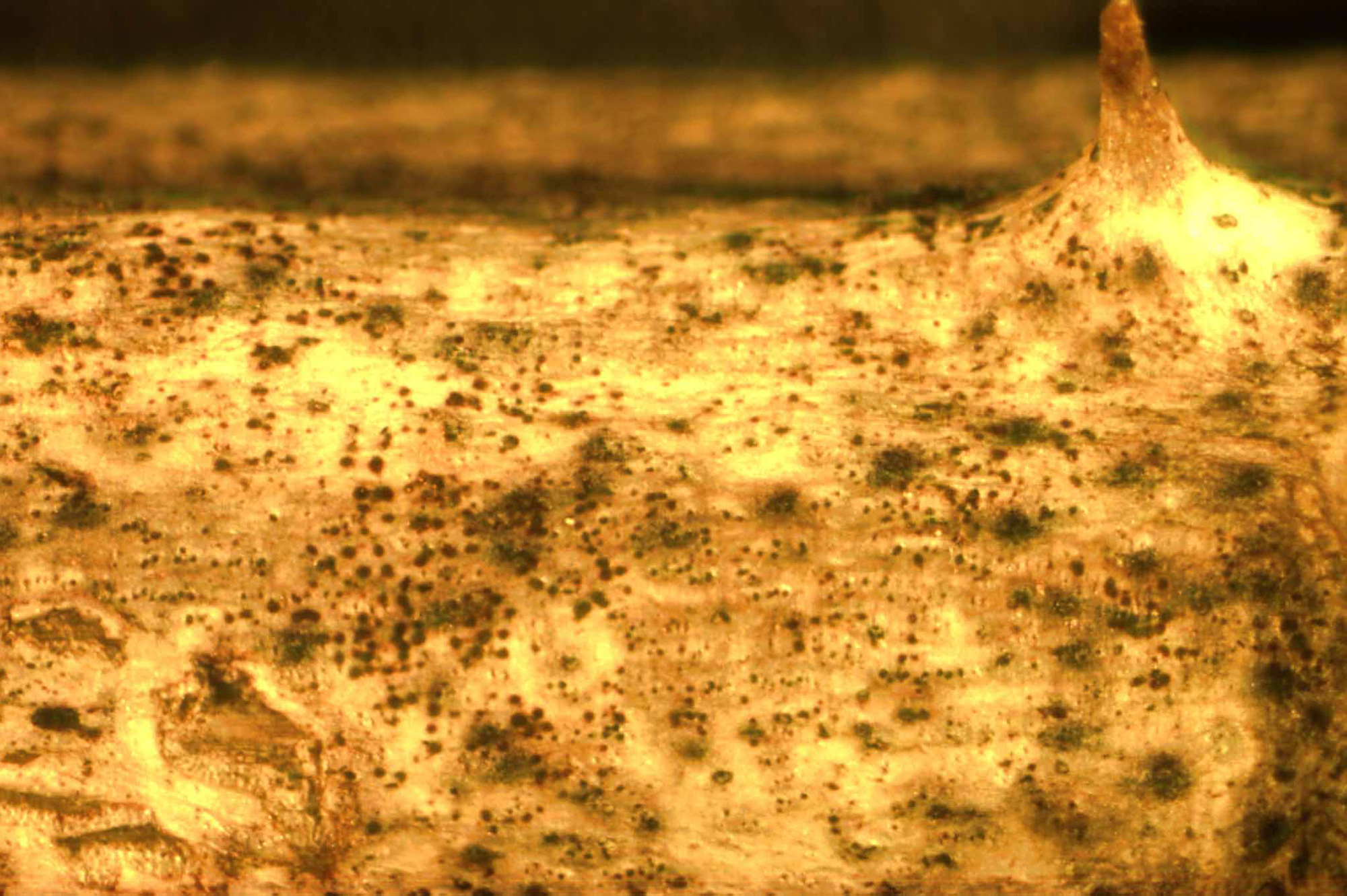
Cane blight can be a major disease of blackberry in the Southeast, resulting in severe losses. The wet, humid conditions observed in Georgia and other southeastern states allow for significant losses following pruning or other injuries to the primocane.
|
-
 This resource covers turmeric’s nutritional and functional properties, highlighting key components and their health benefits. It also discusses turmeric’s use in food coloring, packaging, and medicine, along with safety concerns such as adulteration. With rising demand for natural, functional ingredients, turmeric production presents a promising opportunity for Georgia farmers and…
|
-
 Turfgrass stands can be injured and damaged by living (biotic) and nonliving (abiotic) agents. Most nonliving diseases cause generalized symptoms such as wilting, yellowing, thinning, and the development of smaller-than-normal grass blades, limited root growth, or slow growth. You cannot always determine whether the condition is caused by a living…
|
-
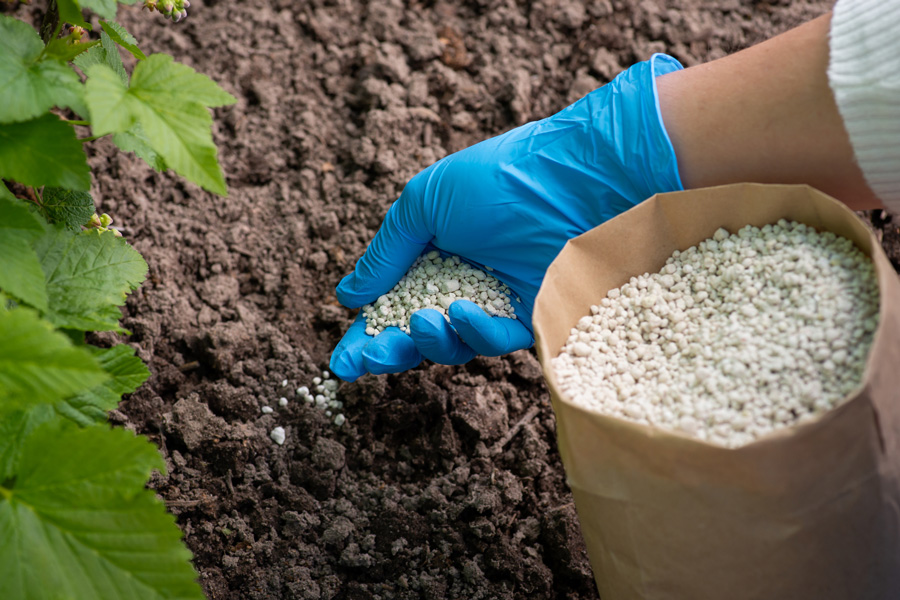 Use this resource to calculate planting densities, fertilizer application rates, sprayer calibration, and soil amendment applications using unit conversions. We demonstrate the “raw math” behind common calculations to provide you with the tools for solving any equation using simple addition, subtraction, multiplication, and division. No longer will you be dependent…
|
-
 New
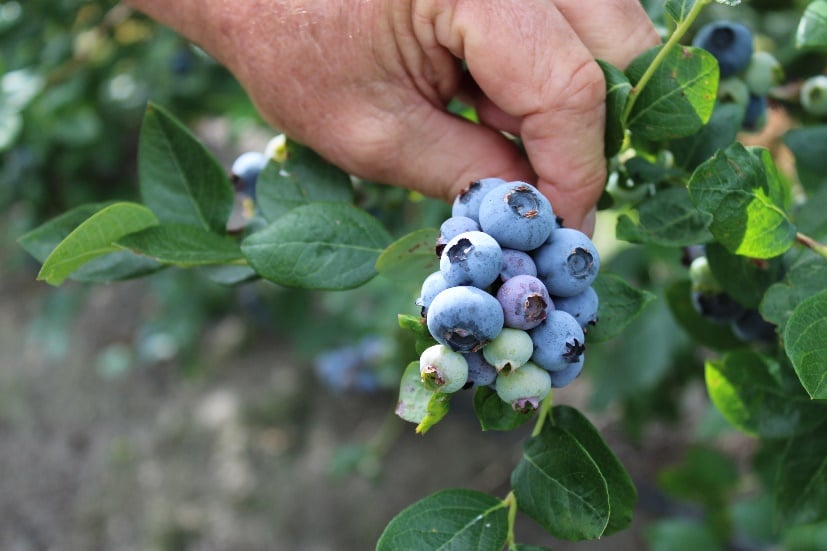
NewCalcium is an important nutrient if blueberry production. Calcium deficiency can cause fruit quality issues. This resource focuses on quantifying the calcium concentrations at different stages of berry development and within the berry.
|