Agricultural Economics Resources
-

Robotics will soon become a common reality on farms. This Extension resource helps people to understand the basics of robotics for agriculture and the applications of these new machines.
|
-
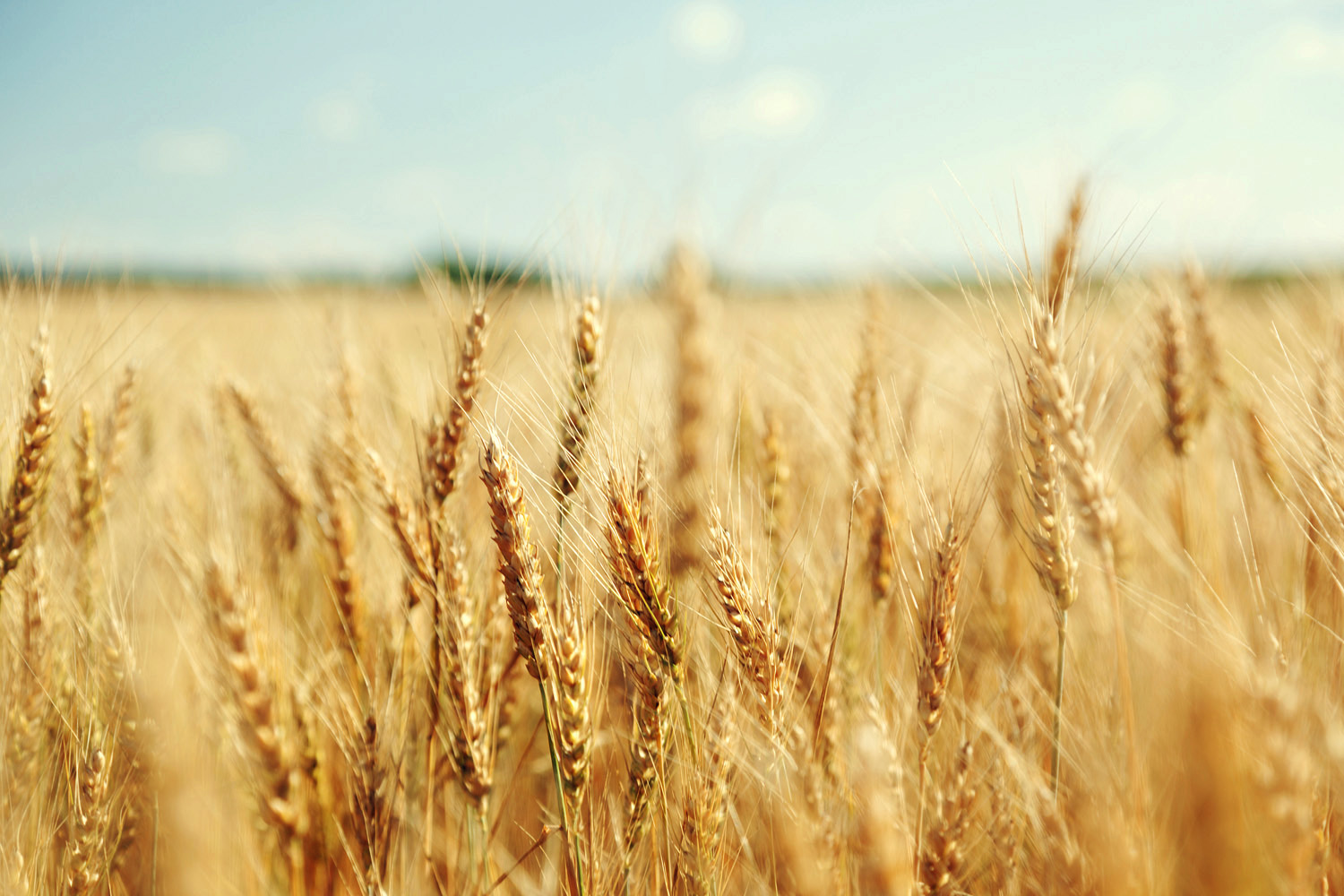
AP 130-4-06
2026 Corn, Soybean, and Wheat Outlook
The key points for the 2026 season are: Large ending stocks from 2025 mean that prices will likely remain low during 2026. Tight margins are expected to continue in 2026 as projected prices for corn, soybeans, and wheat are near or below the breakeven cost of production. In Georgia, growers are likely to plant more corn acres, while soybean and wheat plantings will be comparable to last year.
|
-
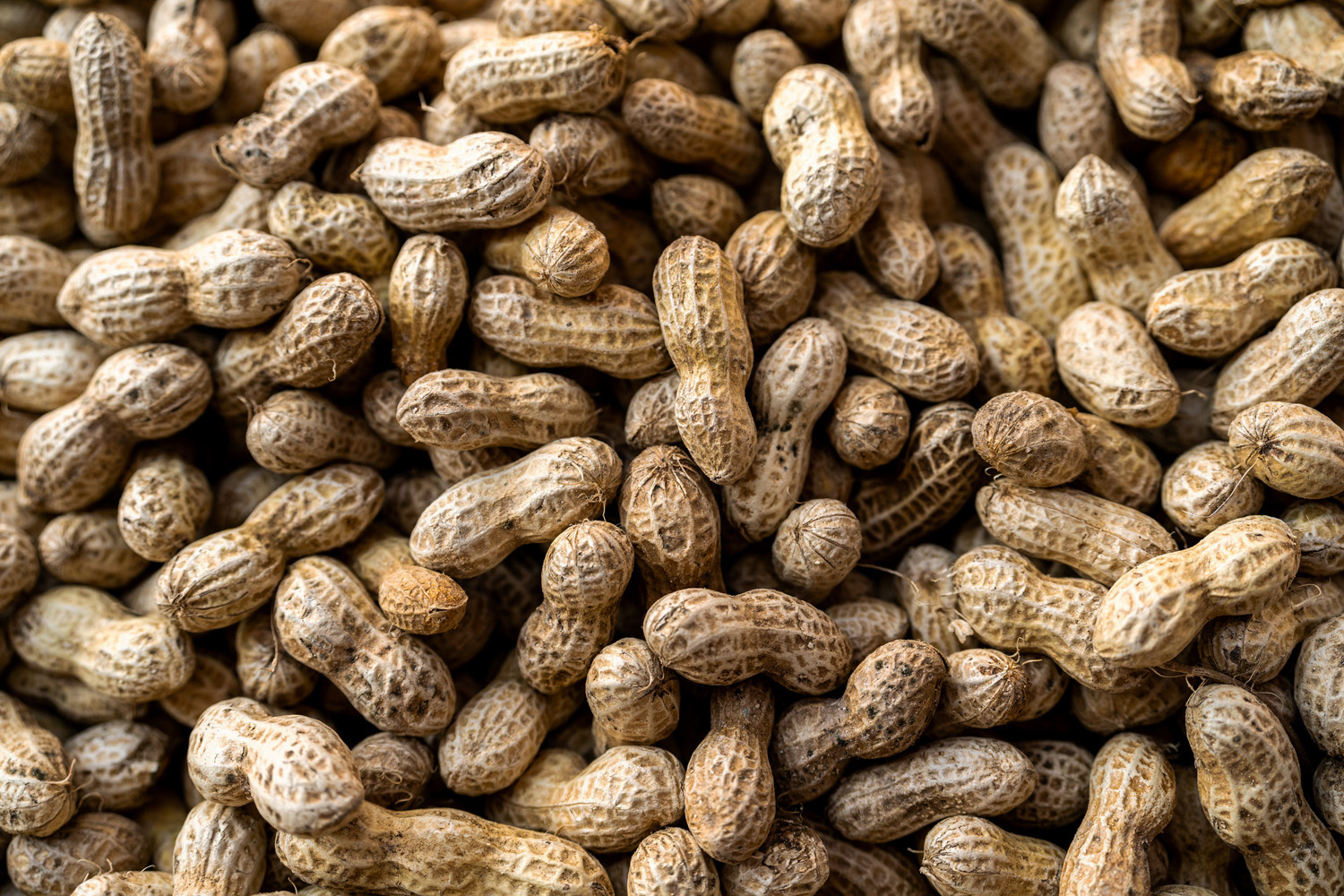
AP 130-4-05
2026 Peanut Outlook and Market Situation
The key points for the 2026 season are: High peanut acreage is expected to continue into 2026, keeping overall U.S. and Georgia production elevated. Oversupply will keep prices under pressure, with Georgia forward contracts likely in the range of $425–$500/ton. Exports and profitability remain challenged, underscoring the need for new markets and stronger demand to support grower returns.
|
-

AP 130-4
2026 Georgia Ag Forecast
Each year, UGA’s agricultural economists develop a comprehensive overview to help various sectors of the agriculture industry navigate the year ahead. As Georgia’s land-grant university, the University of Georgia conducts cutting-edge research on critical and emerging issues that are important to the agriculture industry. From this research, UGA provides the best information and education available to producers and constituents to equip them with knowledge and decision-making tools for their businesses.
|
-

Understanding the concept of basis is a key element in developing a sound marketing plan. Basis refers to the relationship between a commodity’s cash price in a local market and its futures market price. A more formal definition of basis is the difference between the cash price and the futures price for the time, place and quality where delivery actually occurs. Even if a producer never uses the commodity futures market directly, knowledge of the basis can be of great value when making marketing decisions.
|
-

In today’s farming environment of extreme price volatility and large debt commitments, most livestock producers need the security of one or more of the advantages offered by price risk management. Livestock producers who are selling products or purchasing inputs can do one of two things when making pricing decisions: accept the market price when they are ready to deliver products or purchase inputs, or reduce input and product price risks by using price risk management tools. One of these price risk management opportunities is available through futures markets contracts. This publication explains how livestock producers can use futures markets to manage price risk.
|
-

To be more competitive, Georgia blueberry producers have to increase their yields to match or better the average U.S. values. This increase can occur through an improvement of the agricultural practices and a better mastery of blueberry cultivation. This publication contains information to help Southern Highbush blueberry growers in Georgia maximize their profits.
|
-

AP 130-4-01
2026 Overall U.S. and Georgia Economic Outlook
Each year, UGA’s agricultural economists develop a comprehensive overview to help various sectors of the agriculture industry navigate the year ahead. As Georgia’s land-grant university, the University of Georgia conducts cutting-edge research on critical and emerging issues that are important to the agriculture industry. From this research, UGA provides the best information and education available to producers and constituents to equip them with knowledge and decision-making tools for their businesses.
|
-

AP 130-4-02
2026 Georgia Ag Economic Outlook
Food and fiber production remain an important driver of Georgia’s overall economy. Production of agricultural commodities was directly valued at $17.6 billion in 2023, with production contributing to roughly $91.4 billion in total output and 381,200 jobs. The impact of the agricultural economy is particularly important in Georgia’s rural counties.
Georgia farmers had a mixed year in 2025 with farm profits differing greatly across commodities. For most major crop commodities produced in the state, prices and profits (if they were to be had) were weak. Unfortunately, with flat price projections for most Georgia crops in 2026, cash receipts are unlikely to see significant improvement.
|