Agricultural Policy Resources
-
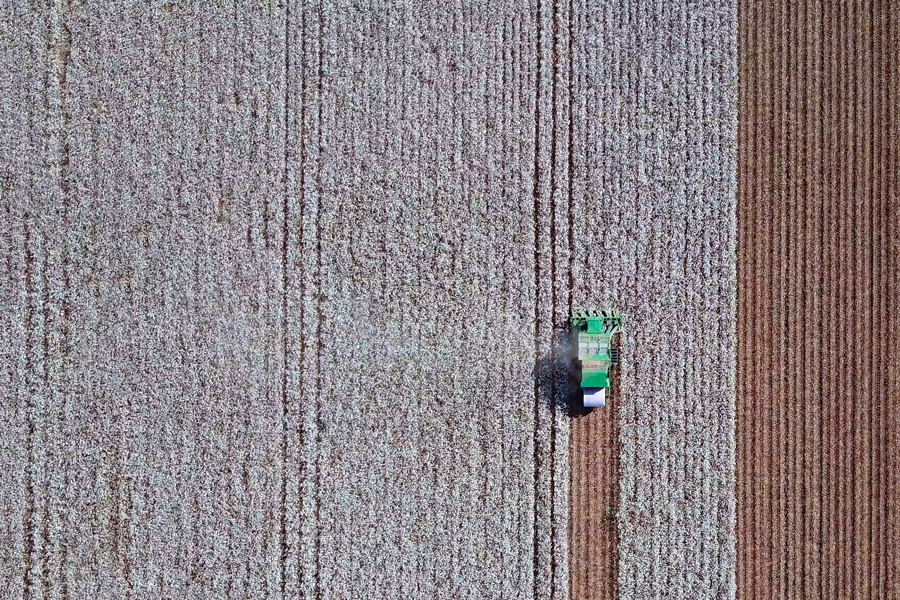
The Agricultural Act of 2018 (2018 U.S. Farm Bill) extended the cotton commodity loan programs for the 2019 through 2023 crop years. Cotton commodity loan programs include the marketing assistance loan (MAL) program and the loan deficiency payment (LDP) program. These programs provide cotton producers with alternative marketing tools during periods of low cotton prices. Cotton producers can receive marketing loan benefits in the form of marketing loan gains (MLG), loan deficiency payments (LDP), commodity certificate exchange gains, and forfeiture gains. Producers can participate in the MAL or obtain an LDP on all or part of their production at any time during the loan availability period, from harvest until May 31 of the following calendar year.
|
-

In 2018, the Trump Administration proclaimed significant changes in tariff actions on a variety of U.S. imports, which led to retaliation by U.S. trading partners—including China and many U.S. allies. These actions led to a 2-year trade dispute between the United States and China. Global commercial ties were destabilized and the trade and investment transactions and flows were hampered by the resulting trade dispute. This paper documents the timeline of the U.S.–China trade dispute and the retaliation and responses from China to the Trump Administration’s tariffs. As cotton and its related products were caught in the middle of the trade dispute, this paper also provides discussions about the tariffs implemented by both countries on the cotton and textile sector.
|
-

Poultry farming is the number one agricultural enterprise in Georgia. It is important to protect this vital industry by developing prudently-devised and factually-based zoning ordinances. This publication discusses components and terminology when drafting ordinances related to poultry production.
|
-

Georgia poultry farmers are among the best in the world at growing chickens using state of the art technology, housing systems, and best management practices. To protect this vital business for Georgia farmers, it is important that agricultural zoning ordinances be prudently devised and factually based.
|
-

One of the most important components of a zoning ordinance for poultry farms relates to the set-back distance required for the location of poultry production houses. It is important that set-back requirements for poultry houses be based on facts rather than emotions.
|