Agricultural Policy Resources
-
 Renewed
One of the most important components of a zoning ordinance for poultry farms relates to the set-back distance required for the location of poultry production houses. It is important that set-back requirements for poultry houses be based on facts rather than emotions.
|
-

This publication explains some of the options available to Green Industry professionals for dealing with these organic materials.
|
-

This resource provides an overview of water spinach cultivation for Georgia. Water spinach is an important part of the cuisine of a number of cultures. However, it can spread easily in waterways and is considered a noxious weed in many places. This resource addresses responsible production of water spinach, if permitted by the state of Georgia.
|
-
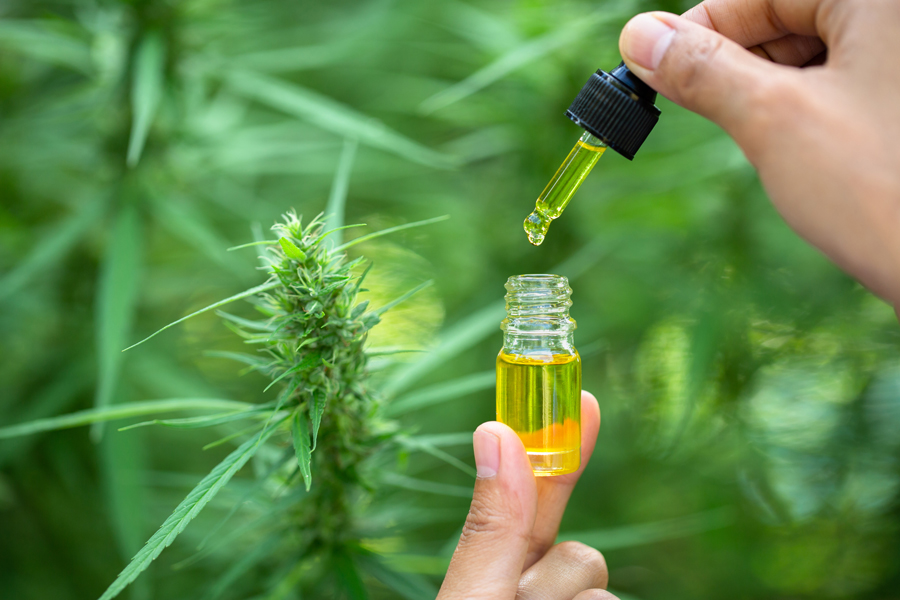
With the passage of the 2018 U.S. Farm Bill, industrial hemp was declassified as a Schedule I drug and is now legal (with restrictions) for production in the United States. Hemp and marijuana are both Cannabis sativa but are distinguished from each other based on the concentration of the psychoactive compound, tetrahydrocannabinol (THC). Industrial hemp is defined by law as a cannabis plant with total THC concentrations on a dry weight basis of less than 0.3% (+/- a measurement of uncertainty). This resource provides a basic overview of hemp testing for THC to stay in compliance with U.S. Department of Agriculture rules for hemp growers.
|
-
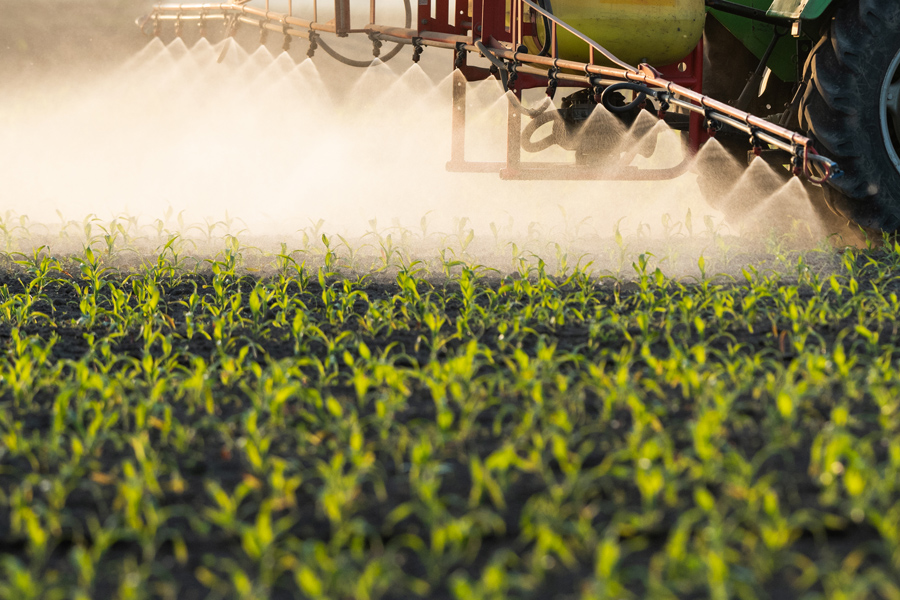
Pesticide applicators should visit the Bulletins Live! Two website to determine if they are located within a pesticide-restricted or limited area, known as a pesticide use limitation area (PULA). These restrictions protect endangered and threatened species from adverse effects. This publication provides users a step-by-step guide on how to navigate this website and access the information needed for applications and recordkeeping.
|
-
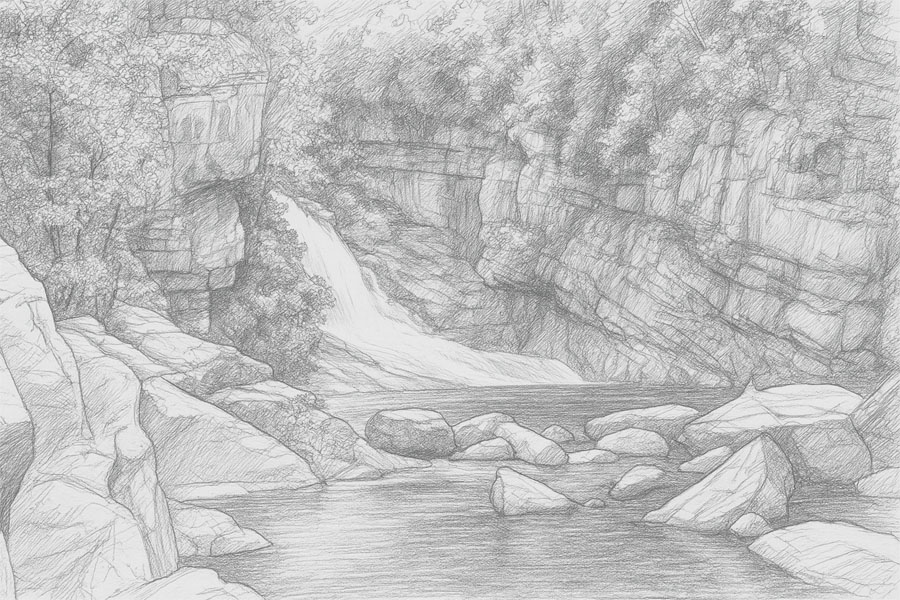
C 1331-01
The Bucket Method
This publication describes the Bucket Method and how someone would use this method to measure the streamflow in a stream, creek, or river to be used in developing a Low Flow Plan required for a agricultural withdrawal permit. Part of the Stream Flow Measurements series.
|
-
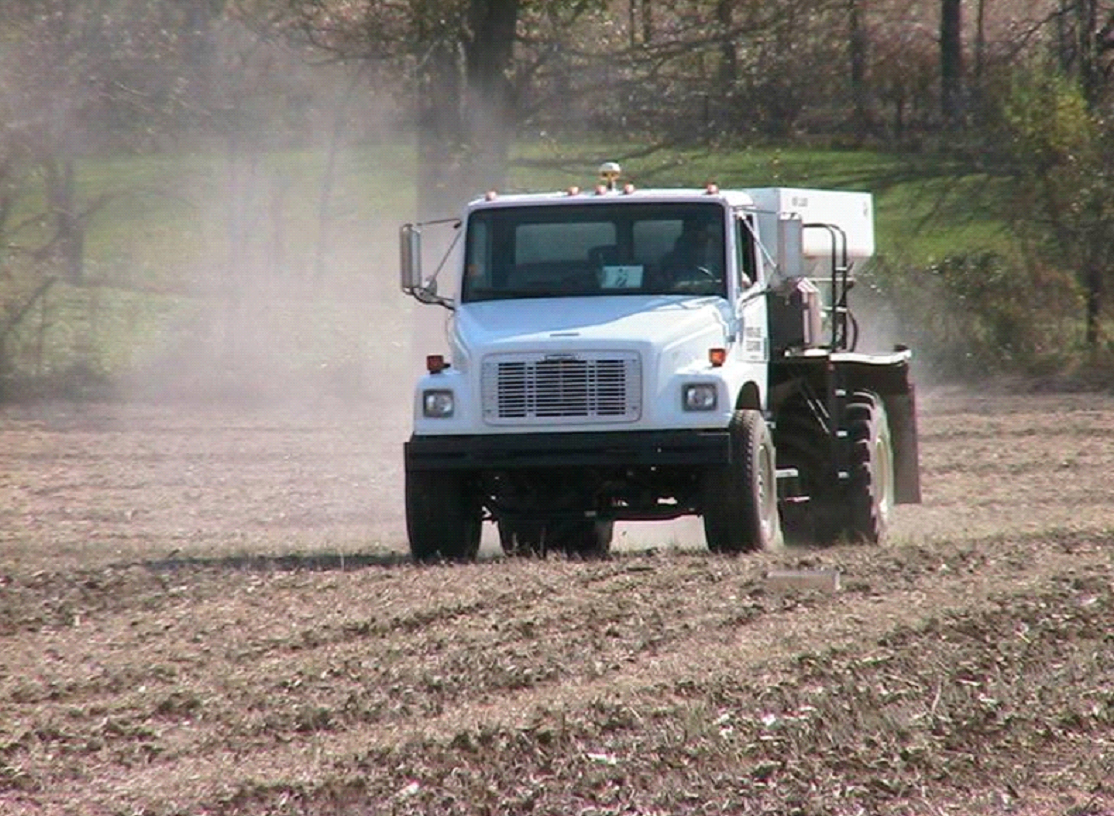
Lime mud is a by-product produced in pulp mills as part of the process that turns wood chips into pulp for paper. The pulp mill cooks wood chips with sodium hydroxide to extract the wood fiber used to make paper from the lignin that binds the wood together. During this process, sodium hydroxide is converted to sodium carbonate. The pulp mill than adds calcium oxide, also known as quicklime, to convert the sodium carbonate back to sodium hydroxide in order to use it again. In the process, calcium carbonate is formed.
|
-
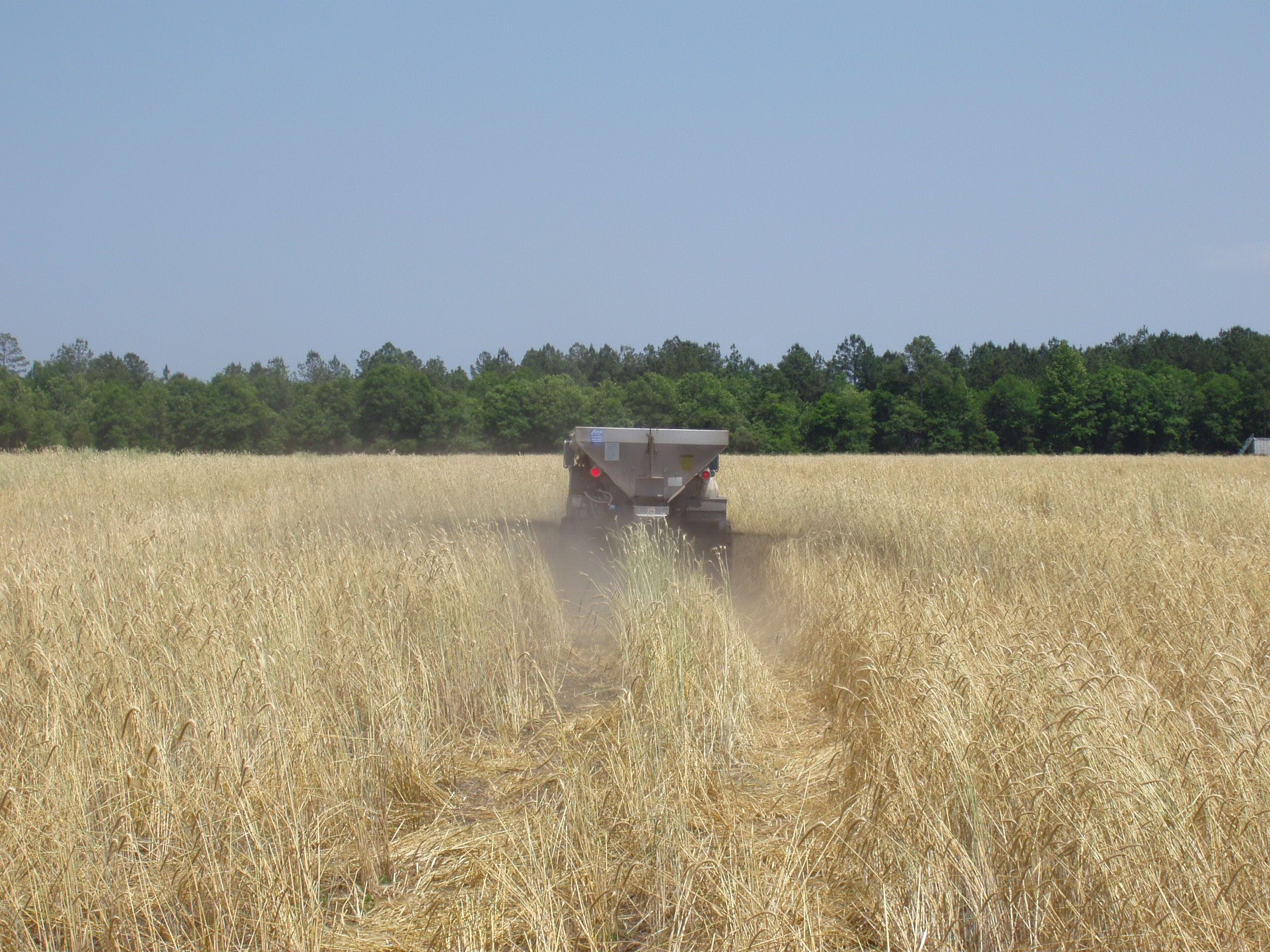
This bulletin provides the general public a quick reference for some commonly used standards for metal concentrations in biosolids and various by-products intended for land application. Most of the standards presented here are regulatory; however, we have also included information on average metal concentrations in agricultural soils.
|
-
Proper use of treated industrial wastes contributes to the circular economy and reduces wastes that would have been disposed of in landfills or by incineration. This publication clarifies Georgia’s legal definition of “soil amendments” and highlights current policies governing the application of processed wastes on farm lands in Georgia. Compliance with these regulations maintains a quality environment in Georgia and ensures the long-term sustainability of manufacturing and food processing industries.
|